


PC gamers have grown accustomed to experiencing PlayStation games on their own platform over the years, but that may be coming to an end. Sony seems to be preparing to adjust its cross-platform strategy again, and this time in a direction that may not be good news for PC gamers.
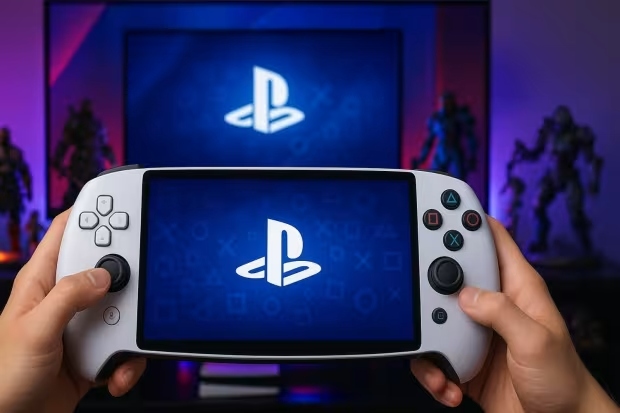
Sony confirms changes to PlayStation exclusive game porting strategy, some game types will no longer be available to PC players
As early as a few months ago, there were reports that Sony was internally reviewing its policy on porting its first-party games to PC. The news originally came from anonymous sources within the company, but at the time the outside world was still taking a wait-and-see attitude. However, this rumor has now been confirmed by official officials. Sony Interactive Entertainment (SIE) Studio Business Group CEO Hermen Hulst made it clear during the company’s all-hands meeting that the PC porting strategy for PlayStation games is indeed undergoing a major change.

according toReporting by Bloomberg reporter Jason Schreier, Sony will no longer port its single-player narrative games to the PC platform in the future. This means that the works such as “God of War”, “Horizon: Dawn of Hope”, and “The Last of Us” that have been on Steam and Epic Games Store in the past few years may not have successors. This decision is undoubtedly a big blow to players who were looking forward to experiencing games such as Saros, Ghost of Yotei, or Intergalactic: The Heretic Prophet on PC.

However, this does not mean that all PlayStation games will be excluded from PC. Hulst pointed out that games that focus on multiplayer modes or online services will still maintain a multi-platform strategy, which means that upcoming multiplayer games like “Marvel Token: Battle Soul” will still be launched on multiple platforms as planned. In fact, in recent years, PlayStation Studios’ multiplayer works, such as “Helldivers 2” and Bungie’s “Marathon”, have even crossed over to the Xbox platform, showing that Sony is adopting a more open strategy in the field of multiplayer games.

As for why Sony chose to change direction at this time, initial reports indicated that the company was not satisfied with the sales performance of the PC platform.While PlayStation-exclusive games tend to attract a lot of attention when they’re ported to PC, actual sales figures don’t necessarily live up to expectations. In addition, there has been opposition within Sony, believing that cross-platform porting will dilute the brand value of the PlayStation console and may even affect the sales performance of future hardware.
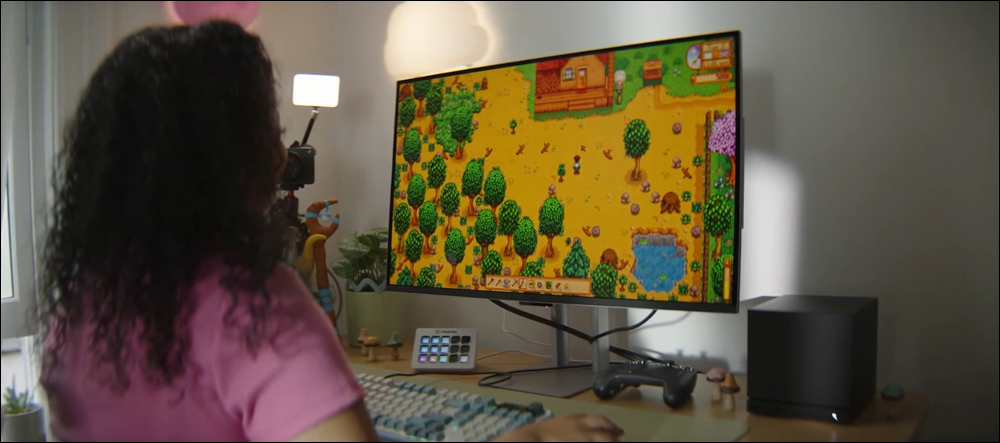
Another problem is that PC versions of PlayStation games often arrive a year or more after the console version, and prices rarely adjust due to the release time difference. To make matters worse, some of the transplanted works frequently experienced technical problems such as poor performance and insufficient optimization in the early stages of their release on PC, resulting in mixed reviews from players. Coupled with Sony’s requirement that PC players must bind a PlayStation Network (PSN) account to play, this policy triggered a strong backlash in some regions and made the porting strategy face more resistance.

Taken together, Sony’s strategic adjustment seems to reflect the company’s rethinking of its brand positioning. Single-player narrative games have always been the core value of PlayStation and the most representative content of its console platform. Limiting these works to its own platform may strengthen the uniqueness and appeal of PlayStation consoles. In contrast, multiplayer games and service-based works rely more on a large player base and cross-platform connections, so maintaining multi-platform distribution is more in line with business interests.
For PC players, this policy will undoubtedly mean that the amount of PlayStation content they will have access to in the future will be significantly reduced. For Sony, this is a strategic adjustment to refocus on the core of the brand and strengthen the console ecosystem. It remains to be seen whether such changes can bring about the expected results.
Source: KOCPC Chinese