


The use of double verification and multi-step verification adds an extra layer of security protection to various accounts. Even if the password is leaked or cracked, it can still maintain the last line of defense for account security. Although we strongly recommend that as long as platforms and services provide multi-factor authentication options, you must choose them. But if you find it troublesome, at least you shouldn’t be lazy with the 7 types of accounts we have highlighted this time.
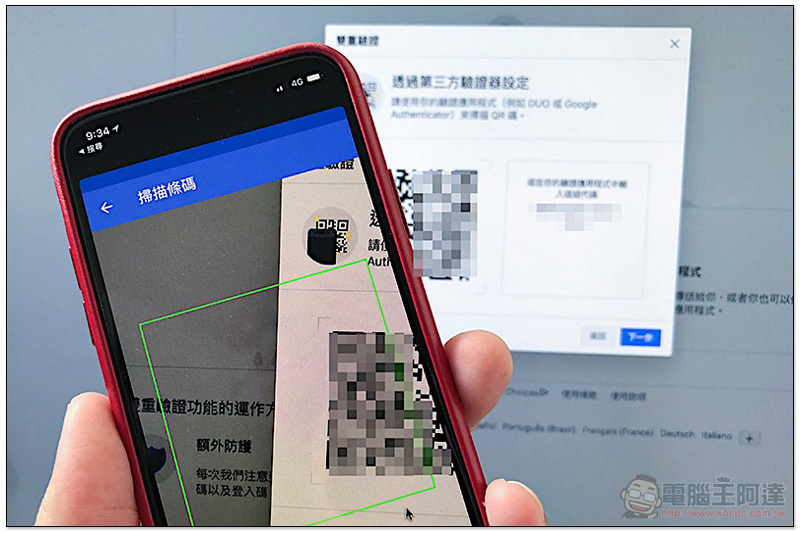
These 7 Types of Accounts You Should Best Keep Using Multi-Factor Authentication
your email
Email mailboxes are commonly used as a means of online account recovery, reset or verification. If your email is compromised, hackers can reset the password of the linked account and gain access to the mailbox. In addition, your email account may contain confidential information, including personal files, financial statements, contracts, and business documents shared with contacts. Hackers who obtain this information may abuse this information for identity theft, blackmail, or other malicious purposes, causing financial losses to you or your business.
Because of the risks mentioned above, it is crucial to protect email accounts through multi-factor authentication, not only to protect your email account, but broadly speaking, to protect almost all of your other accounts.
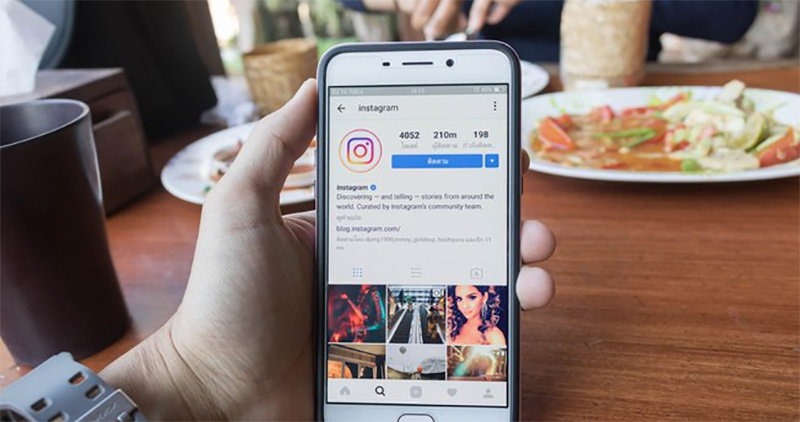
social platform
Although social platforms are considered a public domain, people still want to keep some private activities, such as conversations with friends, photos shared privately, or content restricted to certain people. People without authorized access to this content may misuse the information by leaking private conversations, photos or posts, potentially causing harm to a person’s reputation.
In addition, hackers may contact your friends to extort money, send malicious links to hack into their accounts, send them spam emails with inappropriate content, or trick them into leaking private information. Enabling multi-factor authentication on social platforms not only protects your sensitive data, but also protects you and your friends from potential additional harm.
Cloud storage space
If you use cloud storage for personal files, private photos and videos, business files, or as a backup for your entire computer, you’d better always make sure you enable multi-factor authentication to protect you from identity theft if your account is compromised. Cybercriminals often design malware to encrypt cloud storage data and demand ransom, and enabling multi-factor authentication can protect you from such problems. Likewise, if you use cloud storage to collaborate on business or work documents, an infiltrator could compromise shared files and data, possibly impacting your colleagues or business partners.
Multi-factor authentication can also protect your data from unauthorized access if your credentials are compromised by your cloud provider.
shopping app
We often tie credit cards, bank accounts, and other payment methods to our shopping platform accounts. If someone accesses your account, they can pretty much make a purchase and have it shipped to their shipping address. They can also steal your saved credit card information and make unauthorized purchases outside of the shopping app.
Additionally, because we often store shipping information such as actual shipping addresses, phone numbers, and full names in shopping accounts, unscrupulous individuals can use this information to commit identity theft. They may also buy and misuse gift cards and leave negative reviews on competing products that you never purchased, damaging your reputation points. To protect against these risks, make sure your account is protected by multi-factor authentication, making it difficult for hackers to tamper with it.
Work-related apps
People often underestimate the importance of protecting work-related accounts, not realizing that one negligent act can impact company operations and jeopardize their jobs. For example, if you have administrative access to a project management application like Asana, unauthorized visitors could steal confidential company documents, delete tasks across departments, and make unauthorized changes to administrative permissions, severely impacting your company’s workflow.
If your Outlook account is compromised, an intruder could send misinformation throughout your company on your behalf. Likewise, unauthorized access to a messaging app account like Slack could damage your reputation by allowing someone to share inappropriate content with your team. If you are a freelancer, someone may compromise your account on a freelance platform and violate the rules by maliciously requesting personal contact information from clients, which may result in your account being disabled. To protect yourself, your colleagues, and your business partners, make sure all work-related accounts are protected with multi-factor authentication.
Password manager
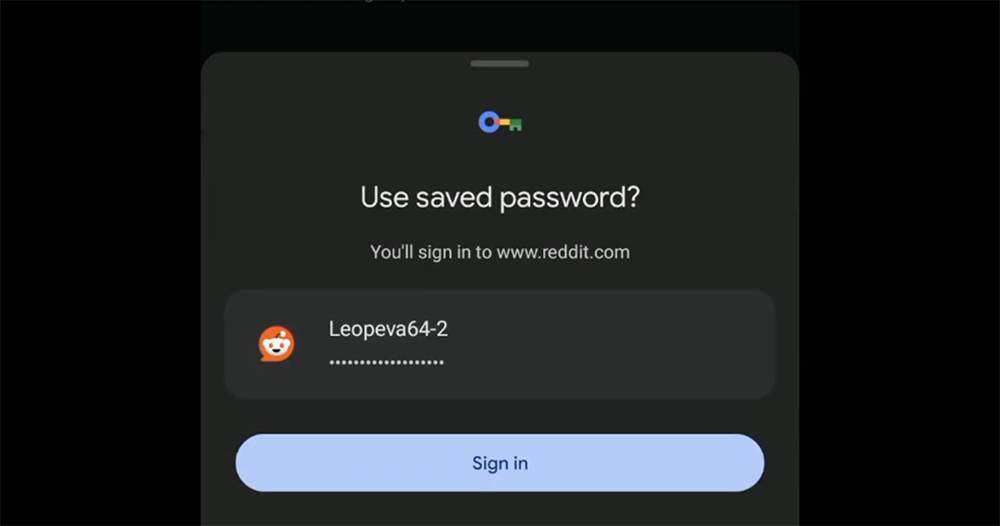
A password manager is your central repository, storing all your account passwords in one place. Without multi-factor authentication, any breach that leaks your master password or key could give an unscrupulous person access to all stored passwords, meaning they can freely come and go from every account stored in Password Manager.
If you save credit card details, personal identification numbers and other confidential information, your finances and identity may also be at risk. For the reasons mentioned above, protect your account with multi-factor authentication to ensure that any passwords saved there remain secure and will protect your other accounts even if someone manages to obtain your master password.
Financial services need extra protection
The most critical accounts that require multi-factor authentication are your financial accounts, and they are prime targets for hackers and will cause direct harm to your finances if compromised. Hackers with unauthorized access could transfer your funds to non-refundable digital payment services, make anonymous payments, or purchase cryptocurrency from untraceable exchanges. Additionally, by accessing your debit or credit card details, scammers may be able to make purchases and potentially spend all the money in your account.
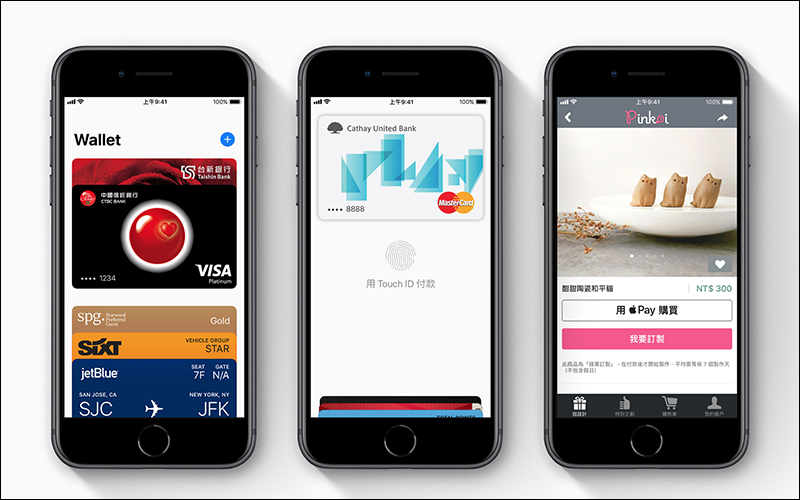
In addition, these accounts are often linked to sensitive information, such as your date of birth, ID card number, etc. If this information is used maliciously, legal issues may arise. To reduce these risks, make it a priority to enable multi-factor authentication on your Finance, Finance, and other accounts mentioned earlier.
Don’t be afraid to go to the trouble of protecting these important accounts with an extra layer of security. This will not only reduce your own potential risk, but also protect the privacy and security of your contacts. While you can choose any multi-factor authentication method, be careful when using authenticator apps like Google Authenticator because they are bundled with mobile devices by default.
Make sure to save backup codes when setting up these apps, otherwise losing the device with the authenticator app installed may prevent you from accessing your account.
Source: KOCPC Chinese