


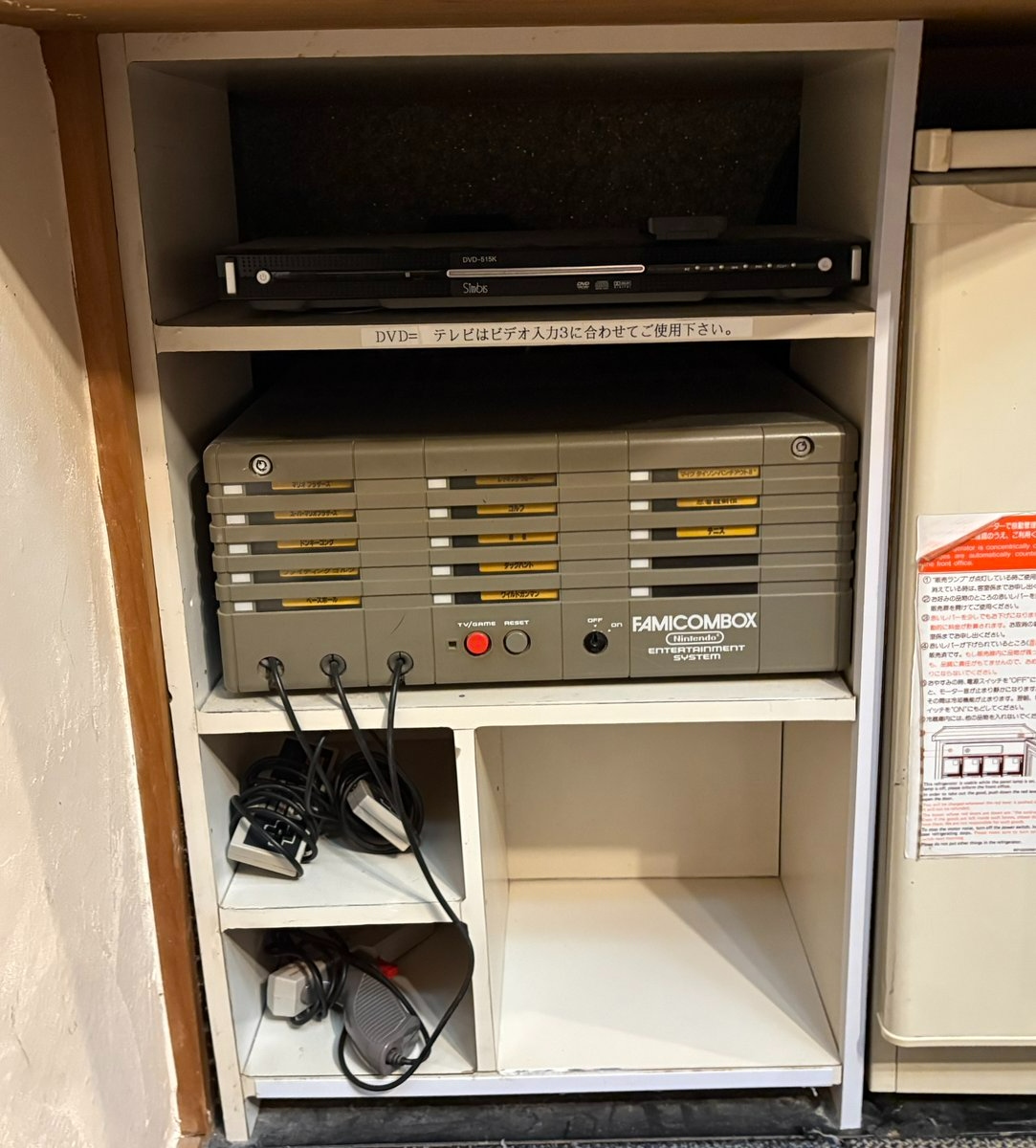
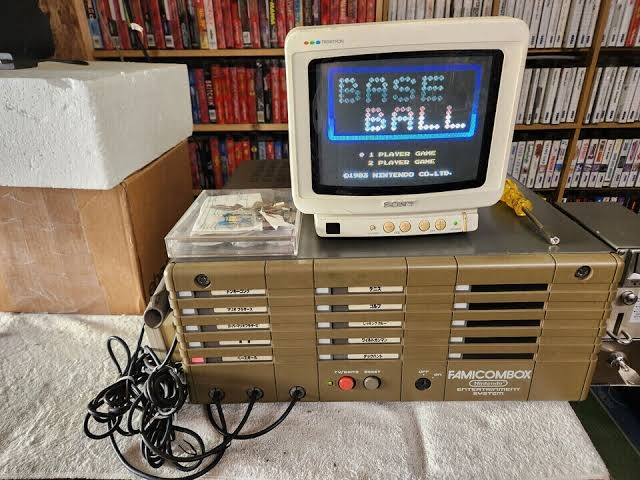
According to a recent post on the X platform by Orochi, a Nintendo Famicom preserver and researcher, he recently discovered the historic special Famicombox in a love hotel in Japan. This console is not an ordinary NES console, but a commercial console launched by Nintendo in 1996. It is mainly installed in hotels and other facilities across Japan. In addition, this console also uses a square cartridge design similar to the overseas version of the NES console, instead of the traditional rectangular cartridge of the NES console. However, this console also accidentally triggered a discussion about an urban legend.
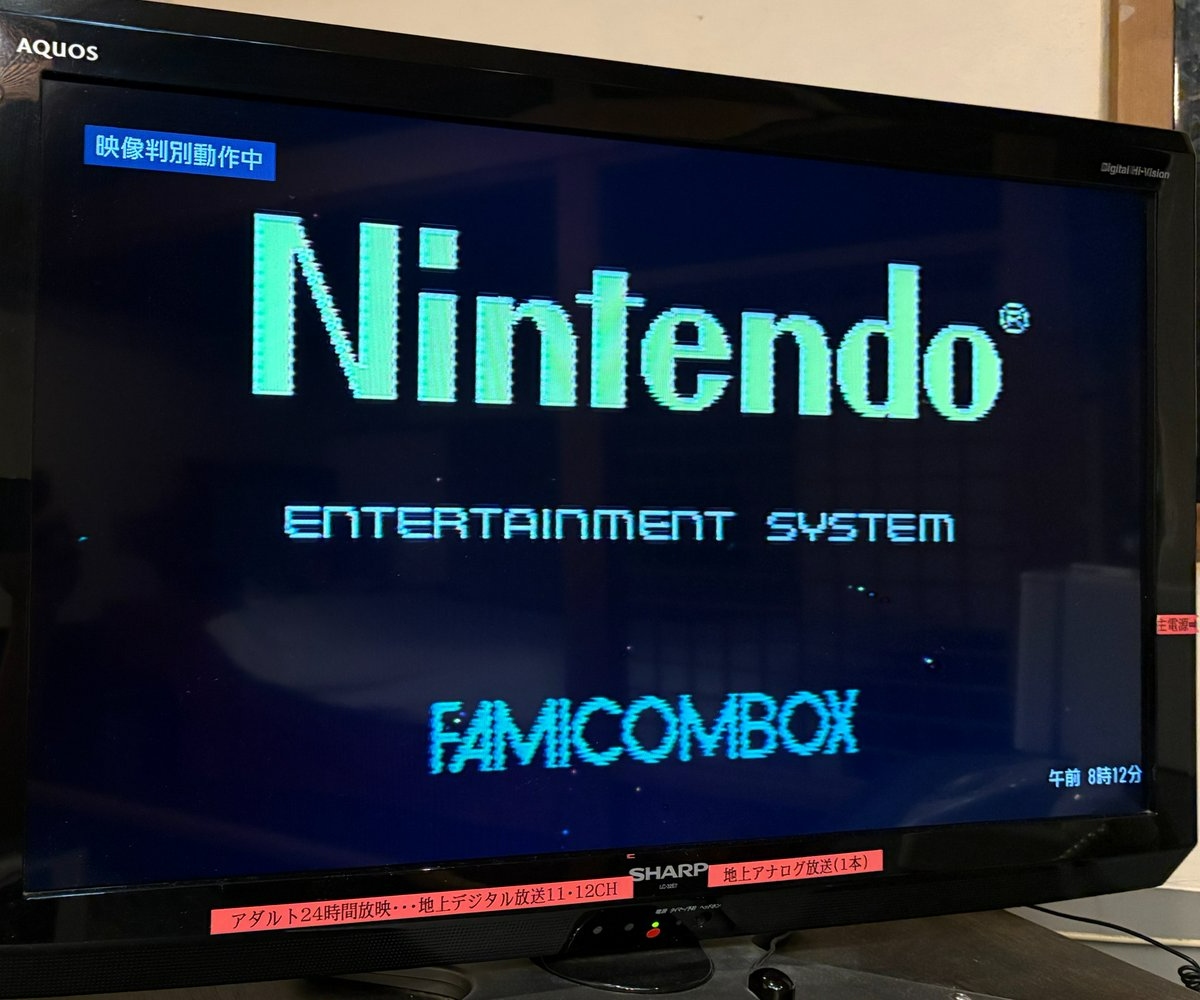
いまだに業務用ファミコンが現役稼働している某所ラブホテルへ潜入調査。なんと1室をのぞくすべての部屋に設置されるようだ。さっそく検証プレイ。液晶テレビにつきZAPPERは使用不可だったが、それ以外のほぼ全てのソフトが正常に遊べる夢のような場所だった。
守りたい。日本のサブカルチャー! pic.twitter.com/pD53hLaOQR— オロチ(Famicom Archivist) (@oroti_famicom) July 23, 2026
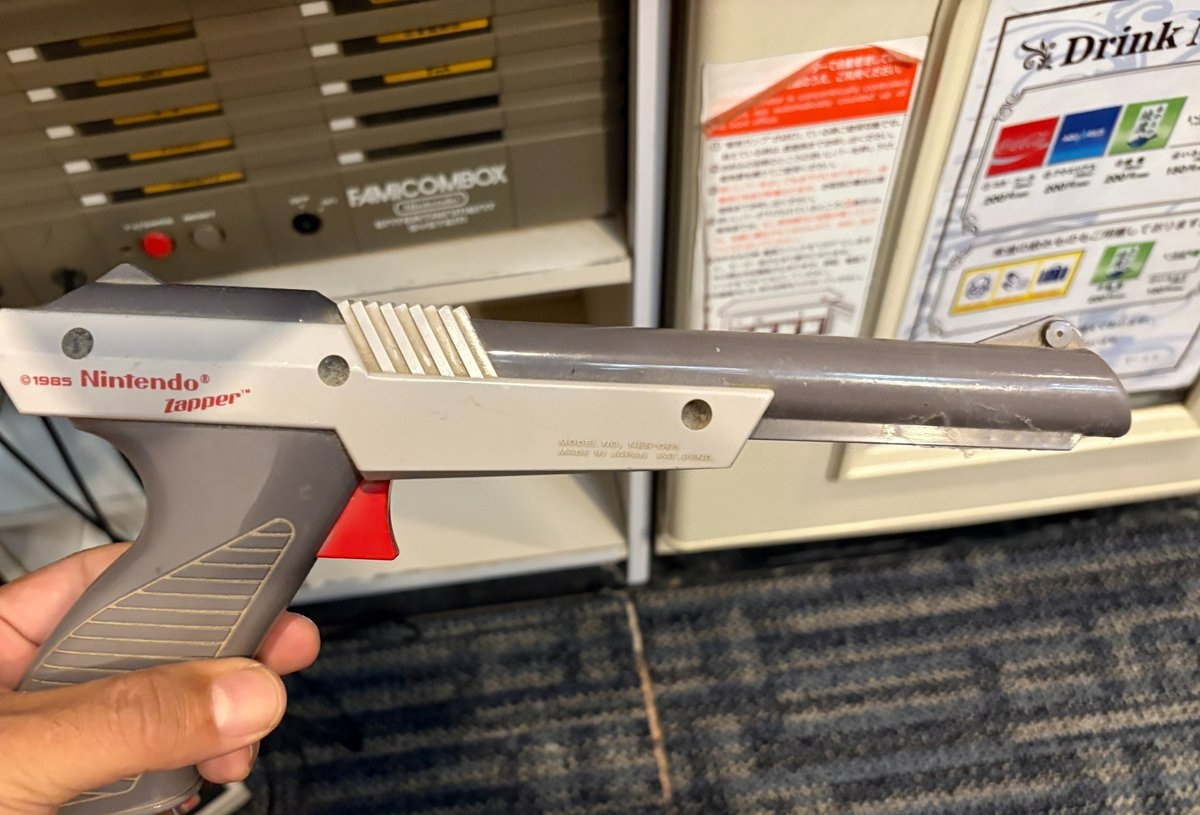
In this post, Orochi said that except for one of the rooms in the love hotel, all the other rooms are equipped with a Famicombox host. What is even more amazing is that these hosts are still functioning normally. It is not difficult to imagine the careful maintenance of the hotel operators over the years. However, since the TVs in the hotel have been replaced by modern LCD TVs, the console’s ray gun game can no longer be used, but other games can be played normally.
Since the Famicombox has been discontinued for many years, many players were surprised by this discovery. Unfortunately, Orochi did not disclose the exact name and location of the hotel, seemingly to avoid attracting too many player pilgrims. But at the same time, this discovery also reminds fans of an urban legend that has been circulating for many years, that is, Nintendo operated a “love hotel” in the past.
This urban legend suggests that before Nintendo became a world-famous gaming company, it tried to develop a variety of different businesses in the 1960s, one of which was the hotel industry. Since Nintendo has already established a positive image of family fun through its game lineup, this “urban legend” may sound contradictory. But what is the reality? Based on Orochi’s in-depth investigation, this is most likely just fiction.
During the in-depth investigation, Orochi interviewed Isao Yamazaki, a Nintendo history researcher who was also researching this issue at the time. He said that he had also investigated this matter, but ultimately believed that the authenticity behind it was very low, because if Nintendo really operated a love hotel, relevant records would be found in the company’s securities reports. However, after reviewing all reports after 1962, he could not find any evidence from them.
【任天堂ラブホテルについて】
よく勘違いされるが私は任天堂がラブホテルをやっていたって一向に構わない。ただ純粋にそのホテルの「名前、場所、年代」を知りたいだけ。でも調べた結果「どうやらやってないぞ」となってしまった。1960年代の有価証券報告書はできる限り全部見た→ pic.twitter.com/WrErhsT93Z— オロチ(Famicom Archivist) (@oroti_famicom) April 10, 2026
However, Orochi also proposed some other hypotheses, one of which was that Nintendo was actually involved in the related business before 1962, but he soon discovered that another problem that makes this urban legend untenable is that the concept of “love hotels” itself did not appear until the late 1960s to early 1970s.
Another hypothesis is that when Nintendo was still a private company, it operated the so-called “Lian Yunjuku”, which was the predecessor of the love hotel business. This was a place for sex trade before Japan completely banned the public prostitution system in 1957, but all related records were eventually destroyed. However, Orochi still thinks this inference is far-fetched.
According to Orochi’s analysis, the original origin of the urban legend “Nintendo Love Hotel” is likely to come from a book published in 1993 by David Sheff – “Game Over: How Nintendo Zapped an American Industry, Captured Your Dollars, and Enslaved Your Children”.
Even though many fans believe that this book records “Nintendo’s early development history in the most detailed way,” Orochi believes that there are still some errors in it. In one chapter of the book, it is mentioned that Nintendo’s third president Nagayama Uchihira was involved in the love hotel business due to personal interests.
However, the description of this part in the book is very vague, and there is no relevant evidence to prove that Nintendo ever operated a hotel business. Therefore, Orochi speculated that other companies in the Yamauchi Hiratsu family had been involved in the hotel industry, and the author David Sheff mistakenly regarded it as a business that Yamauchi Hiratsu himself was involved in. Eventually, the saying that “Nintendo once opened a love hotel” has been spread to this day.
On the other hand, while the two may have nothing to do with each other, Nintendo did provide Famicombox consoles to love hotels across Japan in the 1980s, and Orochi’s discovery unexpectedly confirms this.
Source: KOCPC Chinese