


Nowadays, almost every social platform or important account login system, including Apple, requires the use of 2FA (two-factor authentication) or MFA (multi-factor authentication) when logging in to protect the account. Due to the advancement of technology and unscrupulous people, a simple password is no longer enough, users need additional protection to keep their data safe. This is where 2FA and MFA come in handy.
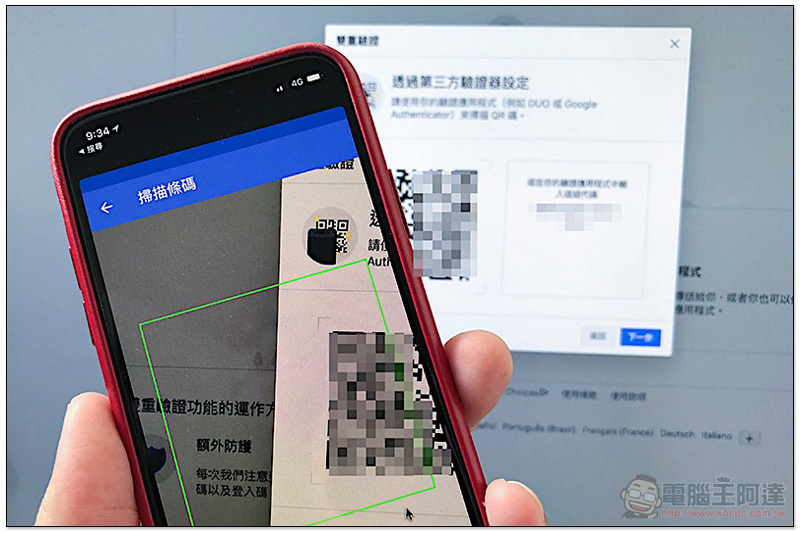
What is the difference between 2FA and MFA?
While there is no doubt that everyone is using 2FA and MFA options for everything from social media to online banking, most users may not know the difference between the two. After all, in everyone’s perception, aren’t dual factors essentially equivalent to multiple factors?Simply put, 2FA is MFA, but MFA is not 2FA. Understanding the differences between the two forms of authentication and the different categories of MFA will help improve account security and help users choose the right authentication type in the future.
Know your security factors
Before understanding the difference between two-factor authentication and multi-factor authentication, it is important to know that there are different categories of factors, what these categories are, and how they work.
- Knowledge factor:
Security questions, PINS, and even lock patterns that are familiar to the user are the most basic factors, based on something the user “knows” and are also the least secure form of authentication because anyone who finds out and knows the answer can access the account. - holding factor
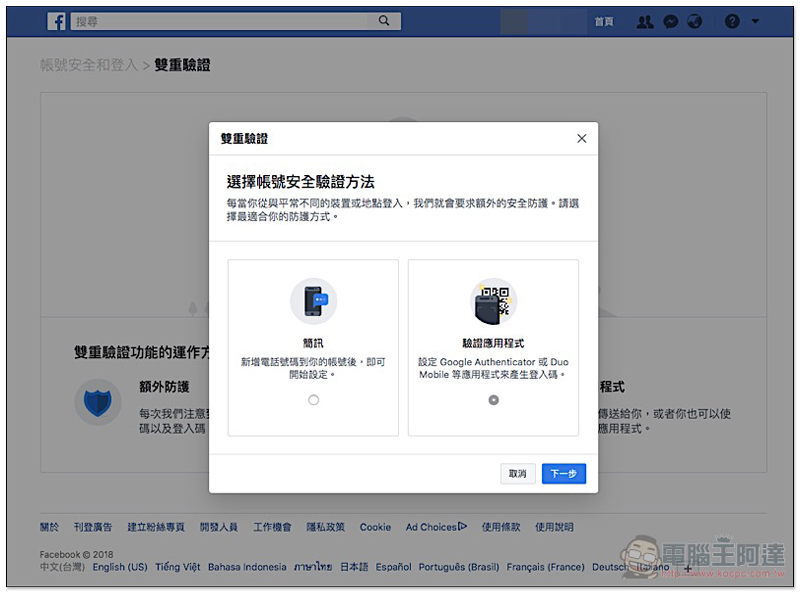
Because it requires the user to “own” something, it is more secure than knowledge factors, such as mobile applications and security keys. Users must directly access this factor when logging into their account, which is difficult for an intruder to do.
- inherent factors
Biometric scanning is an inherent factor, using what is “on” the user for identification. These are the most secure for users because copying a person’s fingerprint, facial recognition or iris scan is very difficult for hackers. - contextual factors
Authentication via user location. Authentication via location is rare, but some companies require it in their software and hardware.

About 2FA
As the name suggests, 2FA requires two different authentications to confirm that the user is who they say they are when they try to log into their account. The first factor is just their username and password; the second form of authentication can be anything from a security code sent via text message to a security question. 2FA can use the same category of verification for both layers, for example, both first and second layer authentication can be knowledge factors (password and PIN).

MFA, on the other hand, requires two or more forms of validation, with each factor typically falling into a different category. Security questions cannot be used if the user has already entered a password, instead they must utilize either a held factor (such as a mobile app) or an inherent factor (such as a fingerprint). Using multiple forms of complex proofs for identification reduces the chance of intrusion.
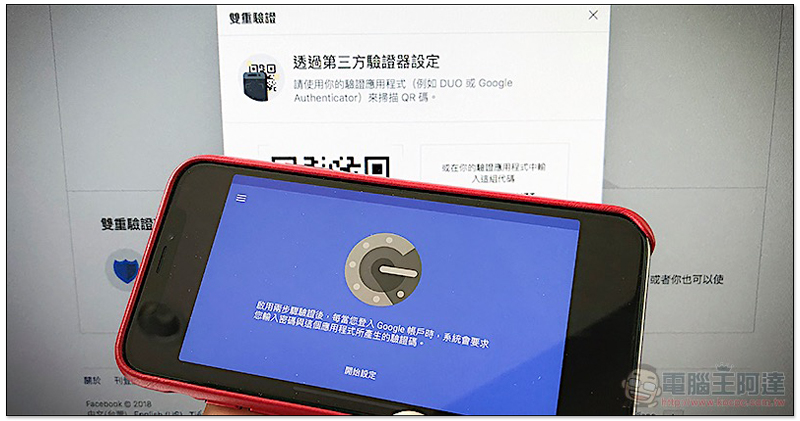
Users should enable 2FA where possible, but if the platform offers MFA then choose this if possible as it will provide better security. A simple username and password are no longer secure, so use an extra layer of protection to prevent others from logging into your account. To make 2FA more secure, choose to use different categories of verification, using as many authentication methods as possible.
Source: KOCPC Chinese