


Google’s I/O developer conference this year is quite rich in content, from the Google Play Store’s Ask Play upgrade, Gemini’s deep integration of Docs and Gmail, to the new Spark all-weather smart assistant, all of which show Google’s ambitions in the AI era. However, in addition to these highlights, there is actually an important update that is relatively low-key, but its significance to the wearable ecosystem cannot be underestimated. Google officially released Wear OS 7 based on Android 17.
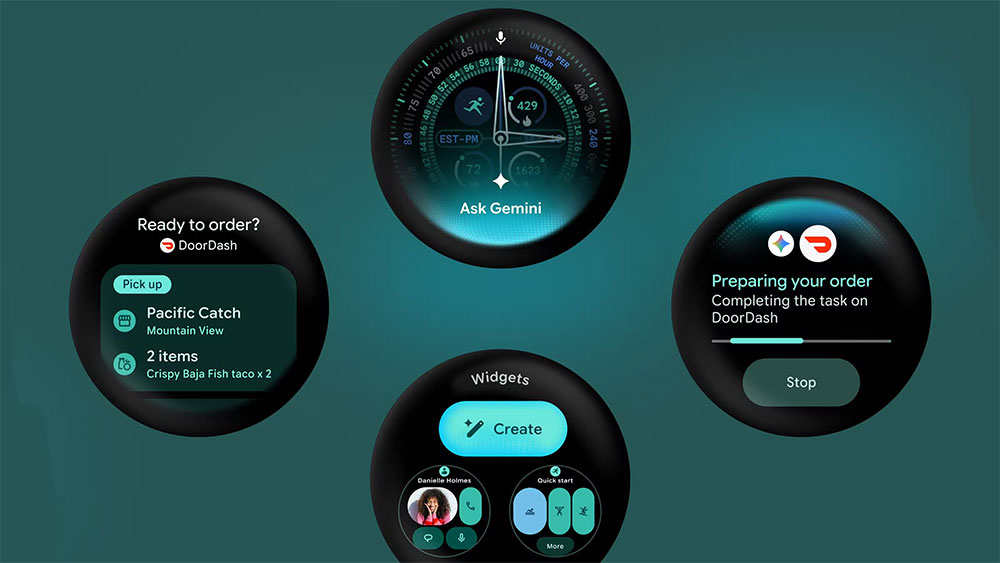
Wear OS 7 will officially bring Android gadgets to your watch
Looking back on last year, the biggest change in Wear OS 6 was to bring the Material 3 Expressive design language to the watch, updated the application icons, reorganized the quick settings interface, and added features such as adaptive charging. Although these adjustments improve the overall experience, they are still optimizations at the visual and system levels. This year’s Wear OS 7 goes a step further and finally fills a long-standing gap in the wearable platform: true system-level widgets (Widgets).
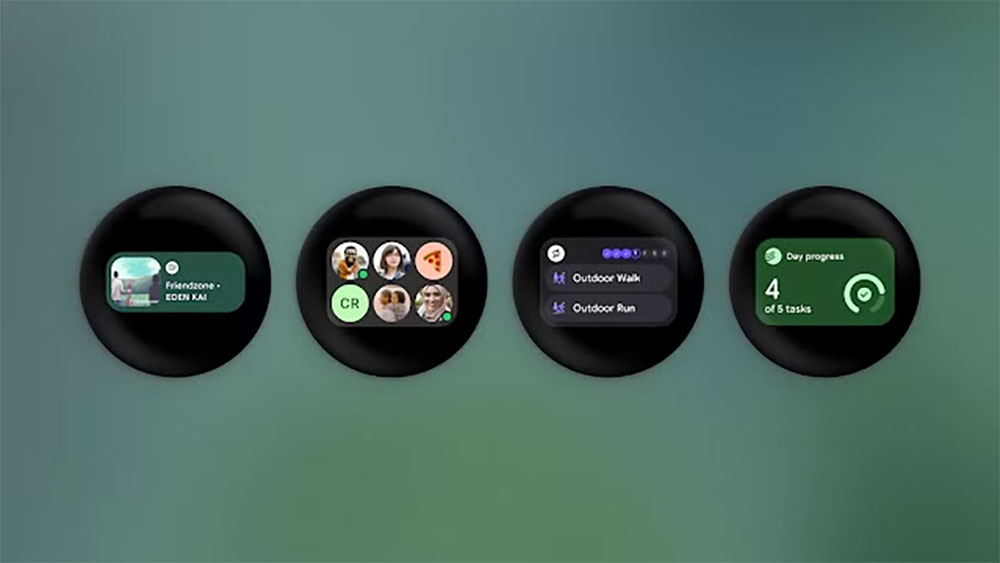
Google named these new components Wear Widgets and emphasized that they are “flexible and dynamic.” Wear Widgets are available in two sizes, corresponding to the 2×1 and 2×2 layouts on Android phones, which means developers can more easily create a consistent widget experience between phones and watches, and users can also enjoy unified operation logic across devices. For Wear OS, this is not just a new UI component, but a key step for the watch to truly integrate into the Android ecosystem.
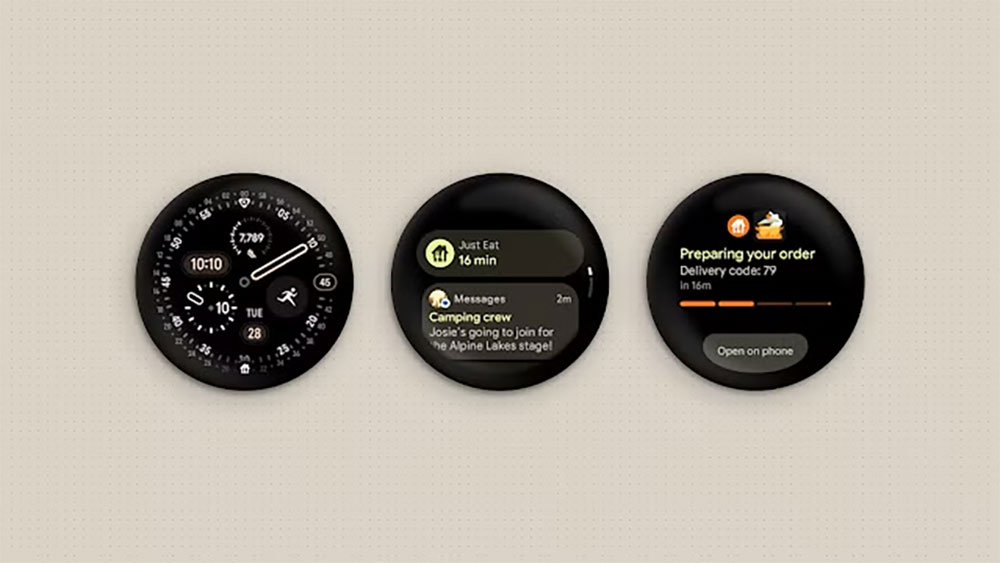
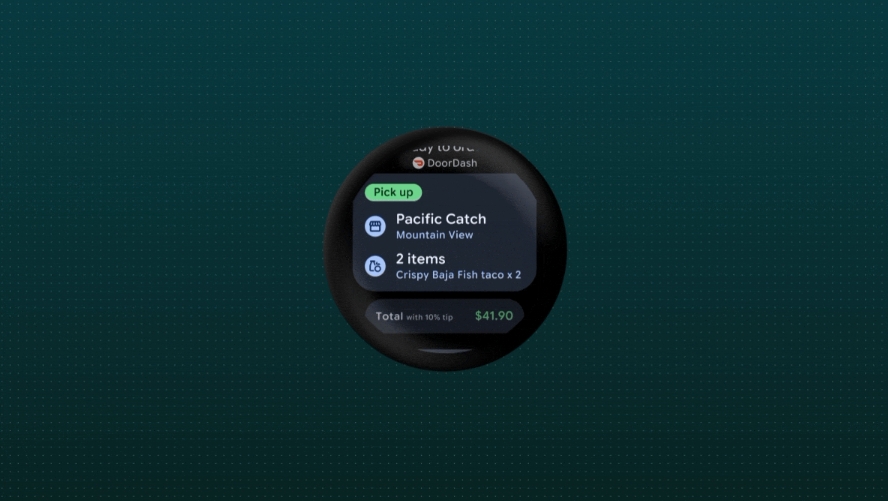
Also debuting with the gadgets is Wear OS 7’s Live Updates, which will replace the old Ongoing Activities framework and be consistent with the Live Activities concept on Android phones. In the future, the app can display important information in real time on the watch, such as taxi arrival time, delivery progress, exercise status, etc., allowing users to grasp the latest updates by raising their hands. This way of presenting information is especially important for wearable devices because it reduces the number of operating steps and allows the watch to truly play the value of “quick viewing”.
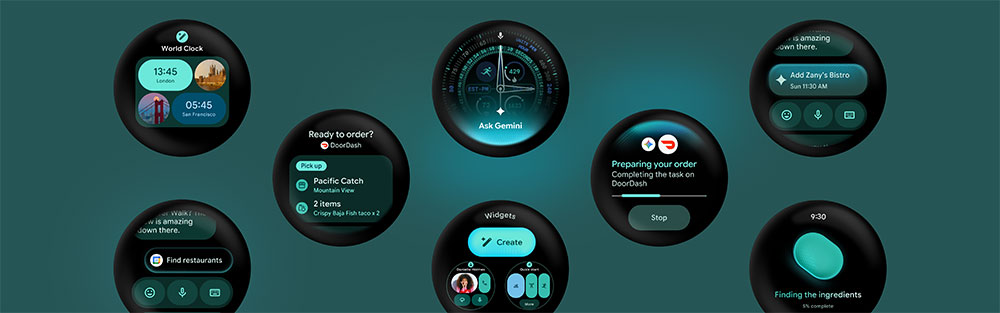
Another noteworthy change is that Wear OS 7 will usher in deeper smart assistant integration. Google said the app will be able to interoperate with assistants such as Gemini, allowing users to complete more operations with voice instead of having to click on the small watch screen. For example, as long as the user says “Start tracking my running”, Gemini can directly launch Samsung Health or other supported sports apps. This cross-app voice operation makes the interaction with the watch more natural and closer to the “AI first” vision described by Google.
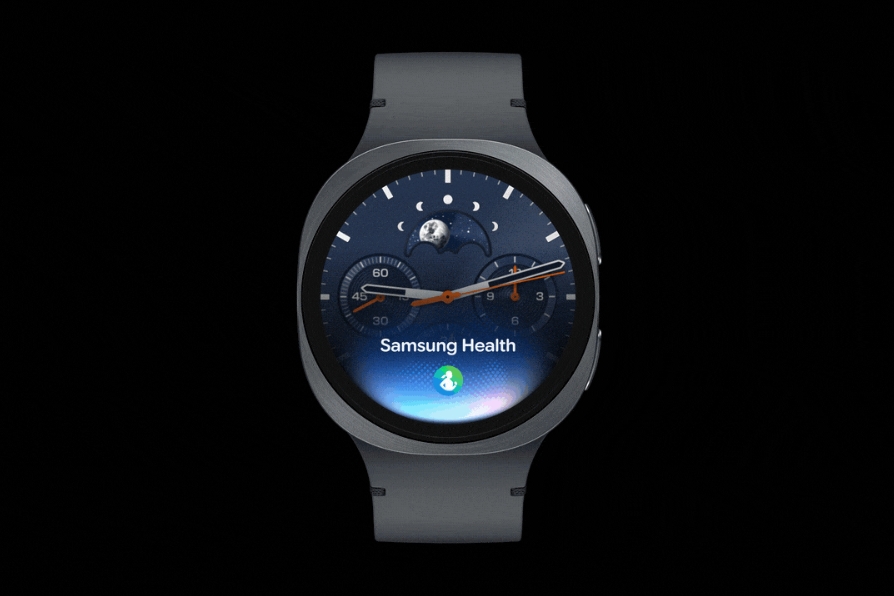
Furthermore, Gemini’s capabilities will also be extended to the wrist to support more complex task processes. Google gives an example. In the future, you can even ask Gemini to help you place an order through your watch, and it will automatically complete all the steps. This “voice-to-completion” experience makes the watch no longer just a notification center, but an AI device that can actually perform tasks.
Currently, Wear OS 7 is open to developers for testing, and the official version is expected to be launched later this year. Although this update does not receive as much attention as Android 17 on mobile phones, it symbolizes an important turning point for the wearable platform: Wear OS is no longer just an extension of Android, but begins to have more complete, more consistent, and smarter system capabilities.
Source: KOCPC Chinese