


Recently, Android expert Mishaal Rahman mentioned on the X community platform that he discovered that Google has cut off the protection function mechanism of the Trusted UI trusted interface, which is specifically designed to ensure the safe use of transfers, sensitive information, and even medical equipment – Hey, so do you have to worry about using these functions on Android in the future? Not really. Continue reading Google actually quietly killed Android’s built-in secure transaction protection mechanism because no one else wanted to read the content of the report.
▲Image source: Google
Google actually quietly killed Android’s built-in secure transaction protection mechanism because no one else wanted to adopt it
Google’s Android system is really free when it comes to freedom. However, to a certain extent, it has been unable to truly lead the advancement of the ecosystem year by year. It is basically helpless and fragmented, which may also lead to many worrying situations.
https://twitter.com/MishaalRahman/status/1742616960897102257
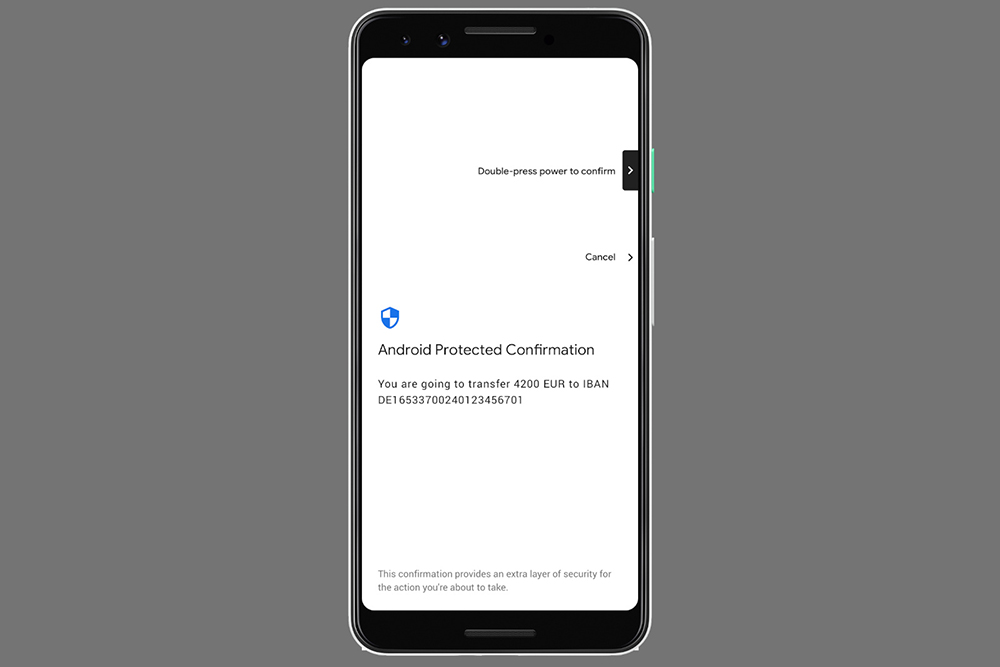
Recently, Android expert Mishaal Rahman mentioned on the X community platform that he discovered that Google had actually cut off the Android Protected Confirmation (APC) mechanism that had been provided in the Android 9 system in the Hardware Abstraction Layer (HAL) last month.
Well… To put it bluntly, it means that Google has cut off the protection function of Trusted UI, which is specially designed to ensure the safe use of transfers, sensitive information and even medical equipment.
▲Image source: Omnipod
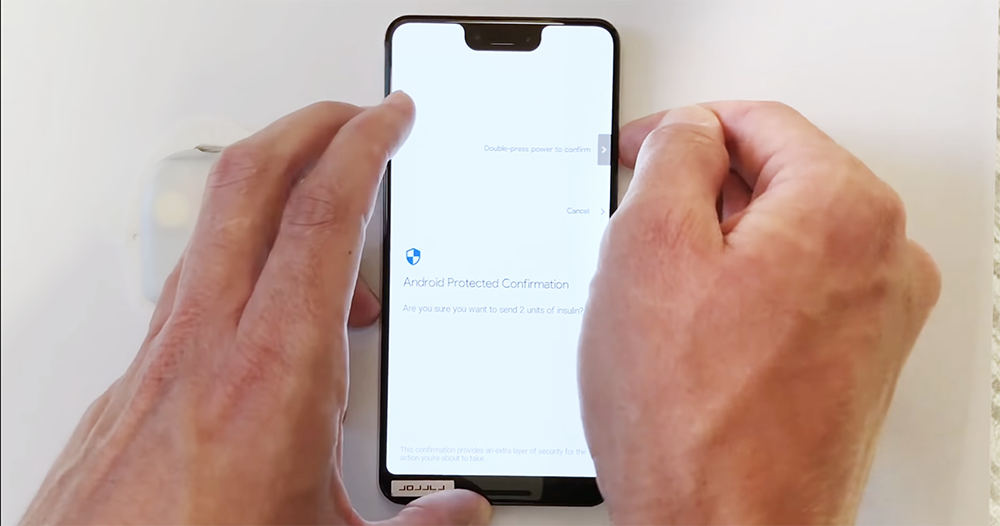
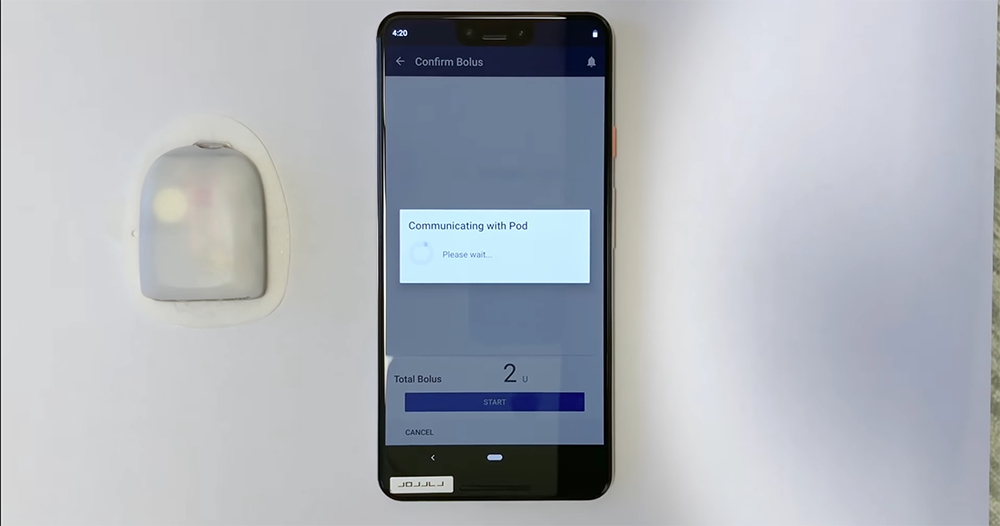
In use, when APC intervenes, users will need to double-press the power button to confirm related transactions or information usage.
One of the reasons why Google’s axing of APC is so surprising is that in addition to the official mention that such a feature is likely to be used for direct remittances between users in the future. On the other hand, it is because the official even last year, that is, in 2023And announce it in the blog, this mechanism has received considerable attention in the Android ecosystem, and subsequent posts, including the progress of the pilot project, seem to be going quite smoothly.
Therefore, everyone really didn’t expect that Google would quietly cut off APC last month. The reason for “low adoption from OEMs” is that the adoption rate of OEMs is too low. It is also mentioned that the only mobile phone brand that actually supports Trusted UI was Pixel last year. I have to say, this is indeed a bit surprising.
▲Image source: Omnipod
According to Mishaal Rahman, such actions seem to make people feel bad about the future of similar functions – after all, it seems that Google is inclined to spread its hands and thinks that no one wants to do it together, so it will not continue.
But on the one hand, maybe Google may just turn to other protection mechanisms that can be better accepted by developers and even third-party mobile phone brands. The foreign media Android Police mentioned that Google has actually subsequently introduced certification badge displays for the Play Store app store, as well asProvide a deeper anti-phishing mechanism in the Android systemwait. Perhaps it means that Google is really just adjusting the direction of the introduction of this type of security mechanism.
However, I still hope that no matter what, Google can at least mention in the future how it will plan to achieve the previous target level of protection in terms of mobile system transaction security without this mechanism. This should also allow people who originally had expectations for these mechanisms to feel more confident about handling these tasks on the Android system.
via|
Further reading:
Pixel 8 series “You can also repair”, Google and iFixit’s DIY repair service officially launched
Source: KOCPC Chinese