


Every era has its own legends. The central processing unit (CPU), as the brain of the computer, plays a considerable role in promoting technological progress. As the times go by, CPUs are constantly evolving. Although there are many types of models from one generation to the next, there are also products that have left a deep mark on history. This time, we take a look back at 10 of the most influential models in history to date.
The 10 Most Influential Computer CPUs in History
Intel 8088(1979)
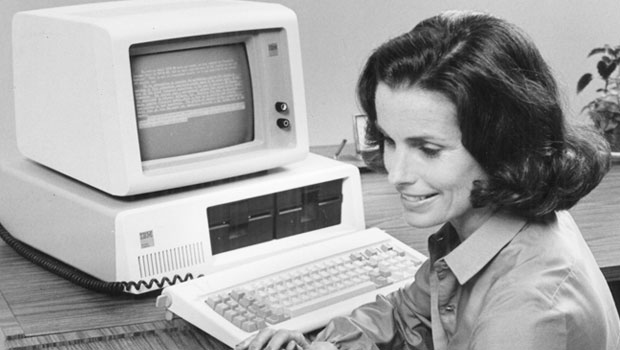
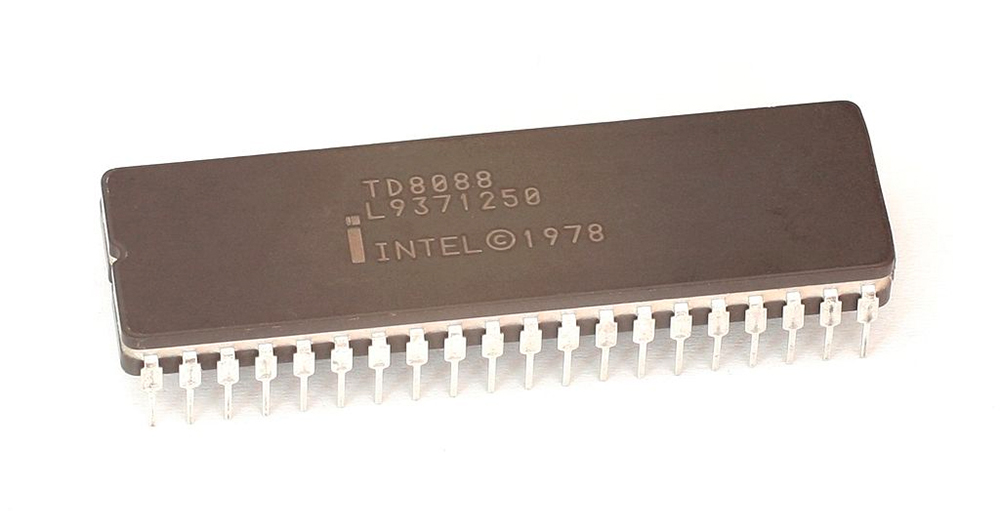
This little CPU was at the heart of IBM’s first PC. The 8088 was an improved version of the 8086, designed to make it more cost-effective. Although this is a compromised solution, its architecture makes the Intel 8088 unique. The IBM PC powered by the 8088 revolutionized the personal computer and made Intel a major player in the emerging microprocessor industry. Therefore, the Intel 8088 is rightly considered the most influential CPU.
Further reading:The legend that changed the appearance and industry structure of personal computers 42 years ago—IBM PC
Motorola 68000(1979)
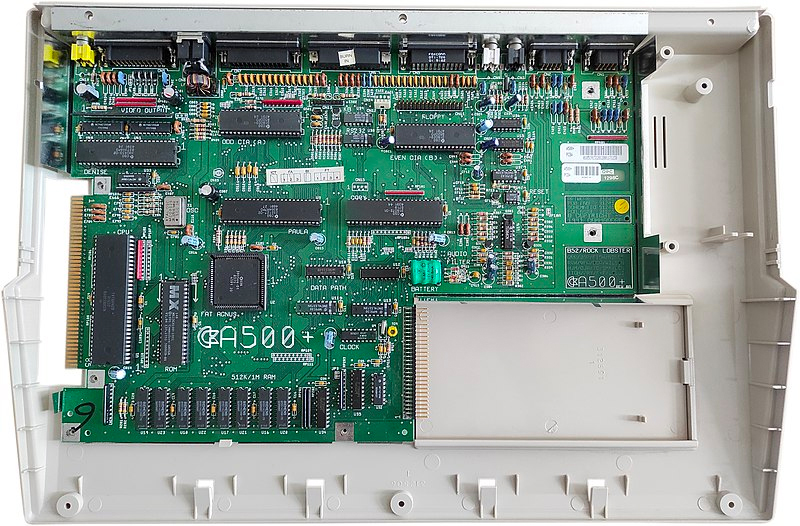
While competing with Intel in the late 1970s, the Motorola 68000 became famous for powering two iconic computers: the Apple Macintosh and the Commodore Amiga, delivering performance levels ahead of their time with a more complex 32-bit architecture. Because the Motorola 68000 was used in a very representative and best-selling computer, it had many engineers who were good at writing programs for it at that time. If the situation at that time were slightly different, the Intel x86 architecture would probably not have a role in mainstream CPU design.
Intel 386(1985)
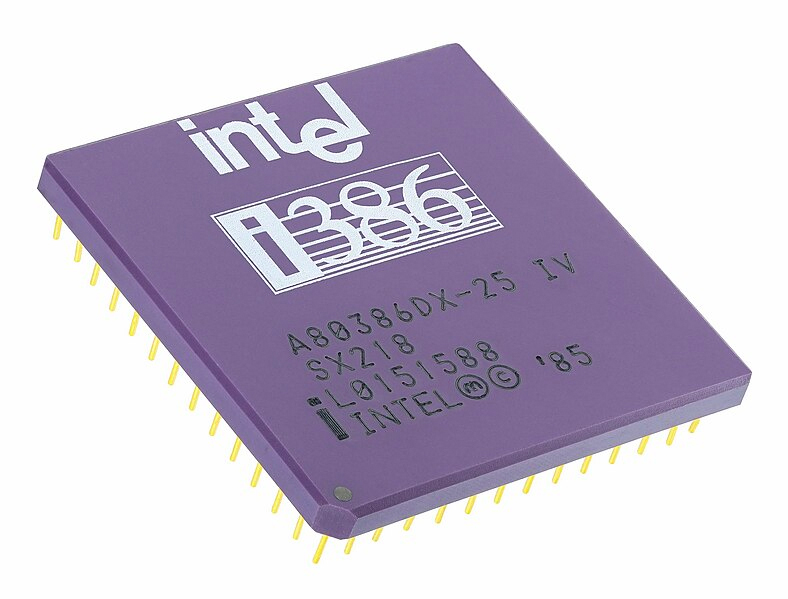
The Intel 386, officially known as the i386, was a major milestone in the CPU world. It is the first 32-bit x86 processor, ushering in a new era of multitasking with hardware-level support for protected mode. This move away from the 16-bit limitation was a game changer, paving the way for more powerful software applications such as the Windows operating system. That’s when IBM PC compatibility really started to feel like something special, especially when it came to gaming, giving gamers a refreshingly smooth feel.
Further reading:What do the so-called 32-bit and 64-bit in the operating system mean?
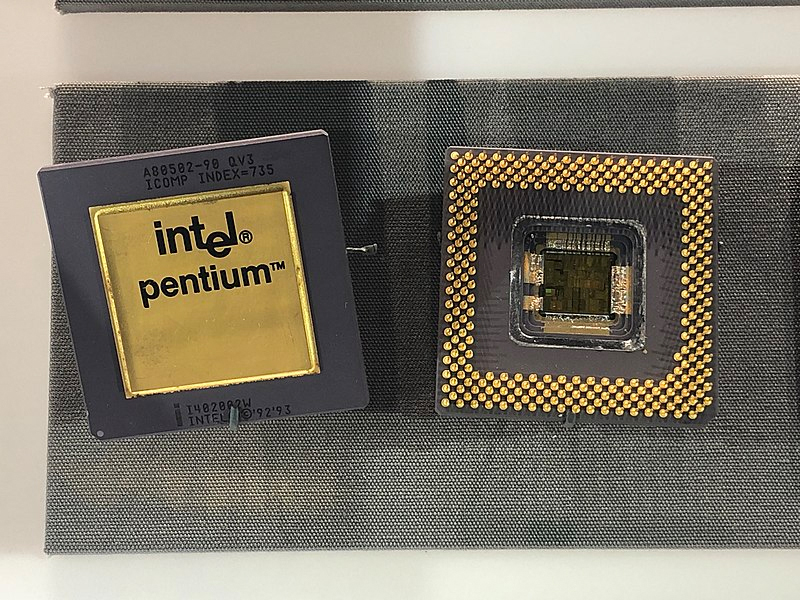
Intel Pentium (1993)
With the arrival of the Pentium, Intel redefined expected performance. The Pentium was the first x86 chip to use a superscalar architecture, which allowed it to execute multiple instructions per clock cycle. This CPU fueled the multimedia revolution of the 1990s, making instant movie playback and complex 3D graphics possible on home computers. As the later Pentium added the MMX feature set, it made the idea of playing videos and audio on a computer no longer just an empty imagination, but more like something you wanted to do. This was a true multimedia revolution.
AMD Athlon (1999)
AMD Athlon was the first CPU to break the 1GHz barrier, challenging Intel’s dominance at the time and providing PC enthusiasts with a solid alternative. The Athlon series has made AMD a dark horse in the CPU market, leading to more intense competition in the entire industry and accelerating the innovation of various brands. This is also the first time that consumers have listed other brands before Intel. Athlon CPUs are more competitively priced and are dropping in price quickly, making them the best choice for consumers with limited budgets.
Intel Pentium 4 (2000)
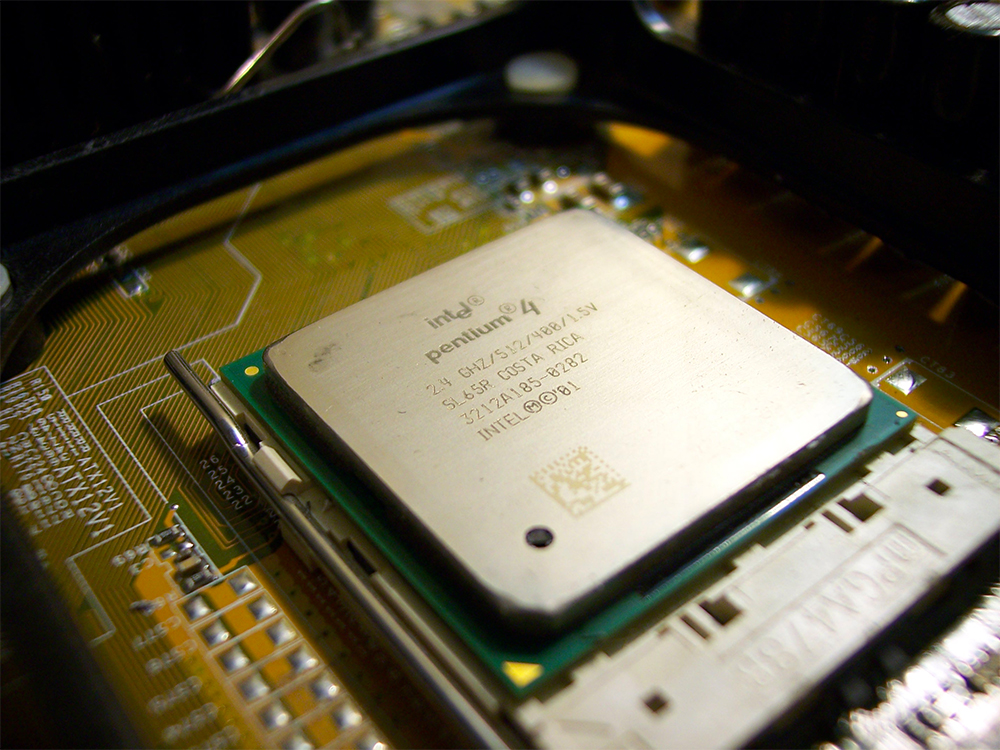
In 2000, the Pentium 4 was launched, using the new NetBurst architecture to take clock speeds to new heights. It represented a critical period in the evolution of CPU design, demonstrating Intel’s pursuit of higher clocks and driving competition. While the Pentium 4 was a beast at the time, it’s on this list because of its almost reverse influence, symbolizing the peak and end of the GHz wars. The single-minded pursuit of single-core clock speed and performance hit a snag with this CPU, and subsequent CPUs began to increase feasibility by increasing core count and by doing more work per clock cycle rather than simply and superficially increasing clock speed.
AMD Athlon 64 (2003)
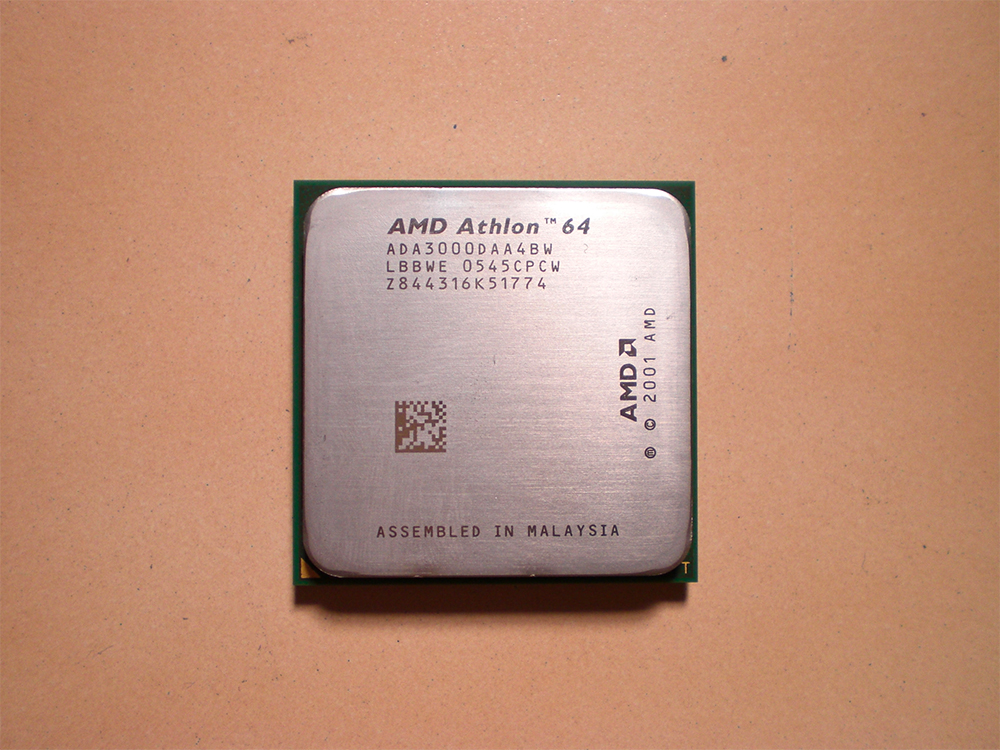
The Athlon 64 introduced 64-bit computing to the consumer market, marking an important moment in CPU history. This allows the CPU to process larger amounts of data, unlocking new levels of performance. At the same time, it also introduced the world to the AMD x64 architecture, which remains the standard for most PCs today.
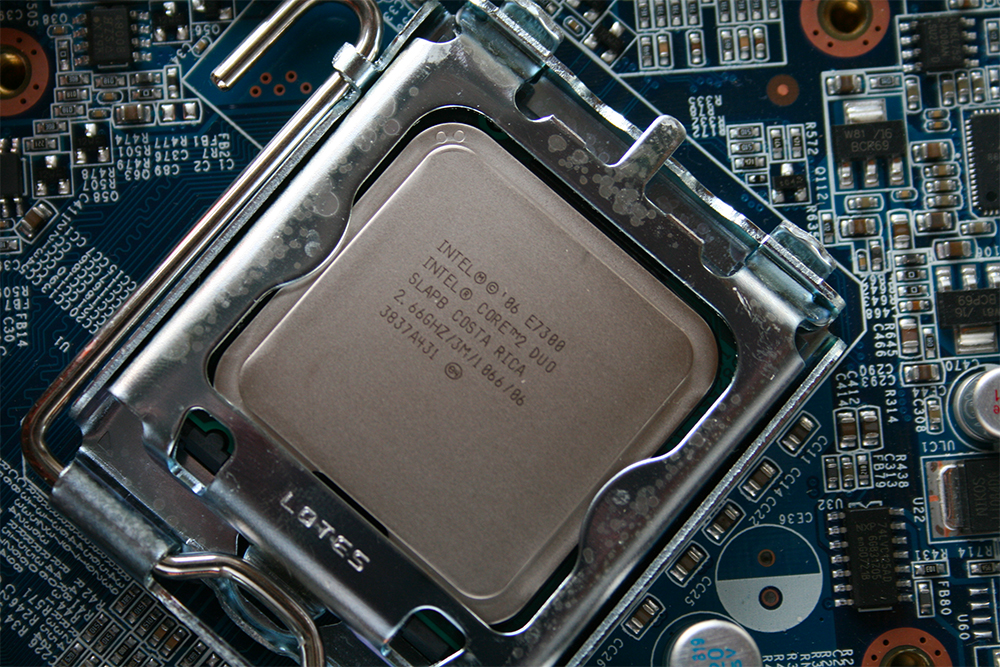
Intel Core 2 Duo (2006)
After learning the lessons of the Pentium 4 regarding heat and power consumption, Intel is back with a bang with the Core 2 Duo. The chip’s multi-core technology takes multitasking efficiency to a new level. Core 2 Duo also restored clock efficiency, marking the beginning of the “more cores” trend and the end of the clock speed race. Special mention must also be made here of the Intel Core 2 Quad Q6600, launched in 2007. Although the mid-to-high-end mainstream is dual-core, the quad-core Q6600 is the CPU that makes computer enthusiasts salivate. Every week, people try to increase the clock frequency of the Q6600. Who could have imagined that each processor needs more than four cores?
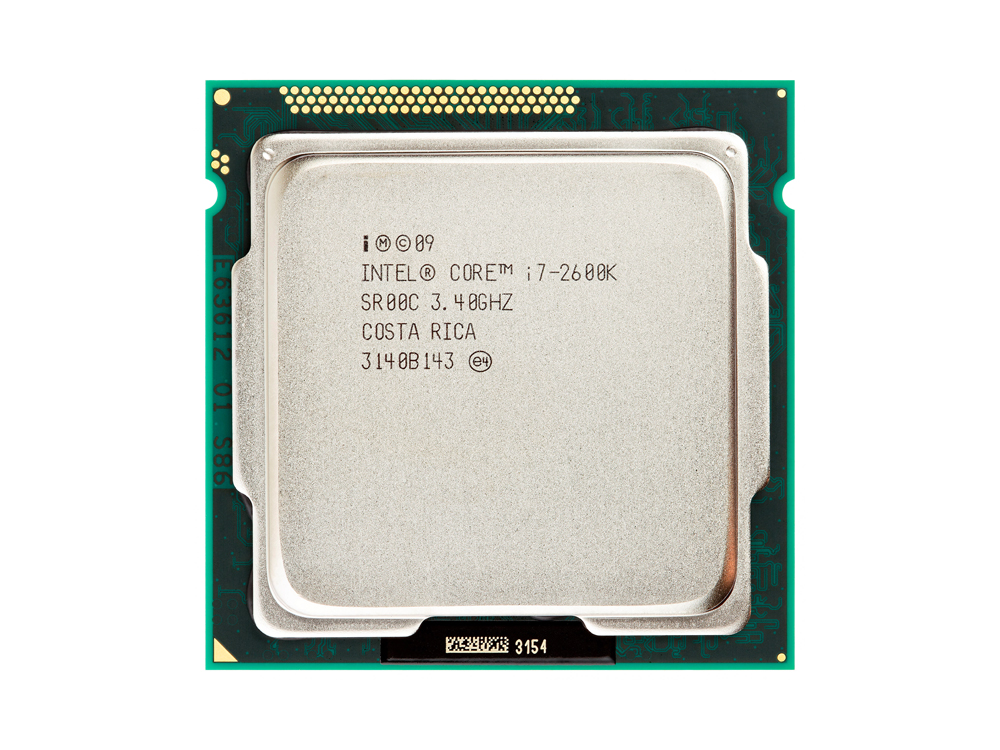
Intel i7-2600K (2011)
The i7-2600K is a PC enthusiast’s dream come true, this quad-core CPU offers Hyper-Threading and has an unlocked multiplier, making it a favorite among overclockers. It demonstrated the maturation of the multi-core concept and solidified Intel’s position as a maker of high-performance CPUs. In fact, the entire Sandy Bridge family is so representative that one could almost put the i5-2500K in this spot instead of the 2600K, simply because, except for hyper-threading, you get nearly the same performance and successful overclocking for a lower price. The Sandy Bridge quad-core is a very powerful CPU series, and even now in 2023, many games still list them as minimum system requirements.
Apple M1(2020)
Last but not least: the Apple M1 chip challenged the dominance of the x86 architecture and made waves in computing. The Arm-based processor brings unprecedented efficiency and performance levels to Apple’s Mac lineup, marking the first time the technology giant has replaced third-party CPUs with its own chips on a large scale. The success of M1 has a considerable impact on the future, ushering in a new era of personalized and ultra-efficient computing.
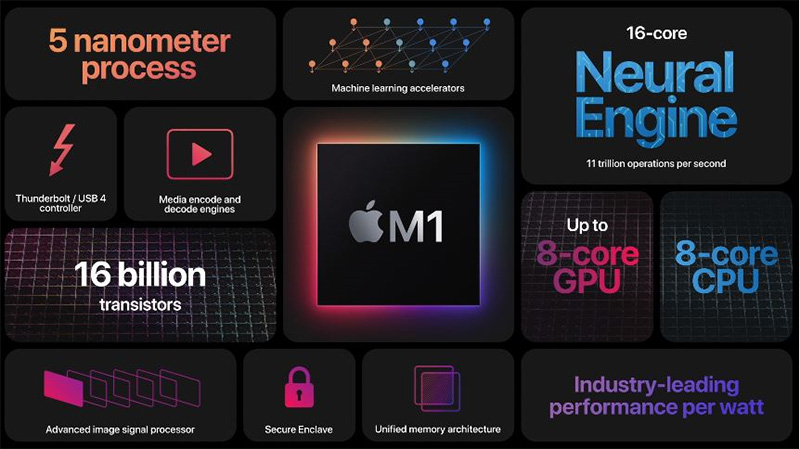
The M1 isn’t technically a CPU, but a system on a chip (SoC) that contains the CPU, but the overall package of CPU power, memory, storage and GPU performance offered here is still incredible even a few years after the chip package was introduced. The M1 was influential and will continue to be so because it redraws the map of computing power. Rather than pursuing performance at all costs, the M1 delivers more than most people need but is very useful, and the M1 Mac’s 18 hours of battery life puts x86-based laptops with similar performance levels on edge. .
Source: KOCPC Chinese