


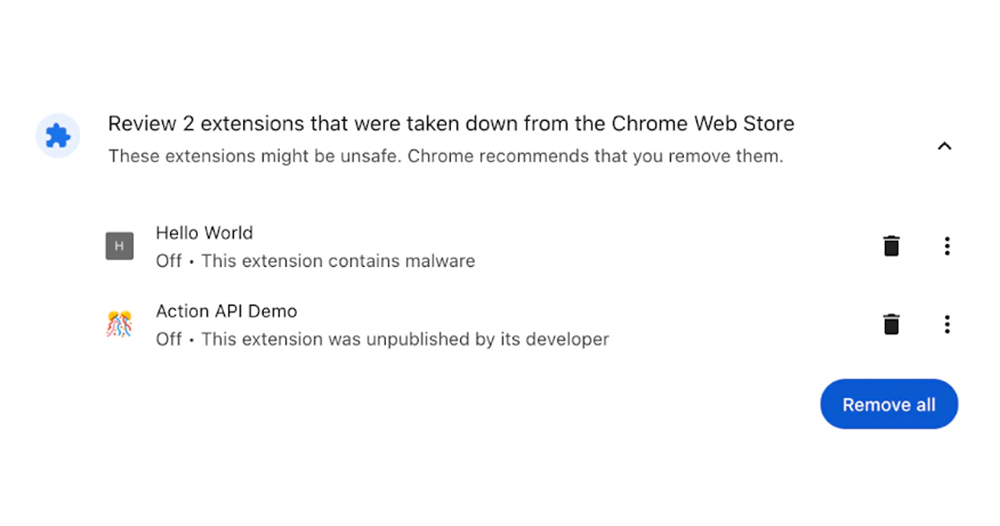
As malware is now being exposed, cunning intrusion methods that are first disguised and then updated to pose security concerns are revealed. Recently, Google announced that it will bring the so-called “Safety Check” function more comprehensively to Chrome’s extended function system. This will further prevent similar vulnerabilities from being exploited. Continue reading Google has taken serious action against Chrome extensions with security concerns, removing reminders and issuing warnings for downloading sensitive files over unsafe connections.
▲Image source: Google
Google takes serious action against Chrome extensions with security concerns, removing reminders and issuing warnings for downloading sensitive files over unsafe connections
Although the extensions provided by browsers such as Chrome do have a variety of functions and conveniences. However, at the same time, there is also the possibility of being used maliciously – in fact, there have already been cases of it being used for mining, money fraud, and privacy theft.
▲Image source: Google
In this regard, in fact, Google has already providedProactively warn against unsafe extensions and file download blocking mechanisms, it’s just that as malware now comesDisguise first and then updateCunning intrusion methods that raise concerns about security are revealed. Recently, Google announced that it will bring the so-called “Safety Check” function more comprehensively to Chrome’s extended function system. This will further prevent similar vulnerabilities from being exploited.
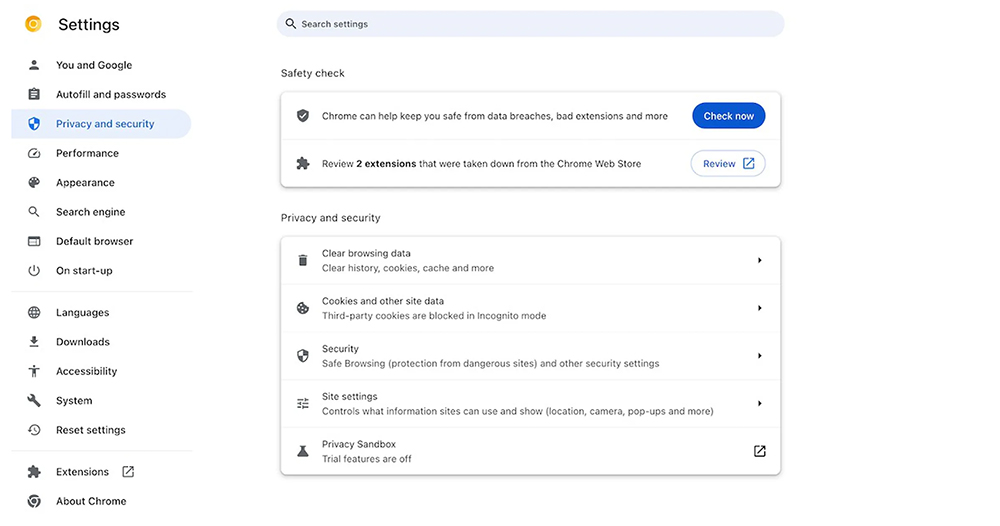
For the latest Chrome 117, Google will begin to proactively remind users whether to uninstall extensions installed in the Chrome Web Store when the following three conditions occur:
· The extension function has been removed from the shelves by the developer
· The extension was removed for violating Chrome Web Store policies.
· This item is marked as malware.
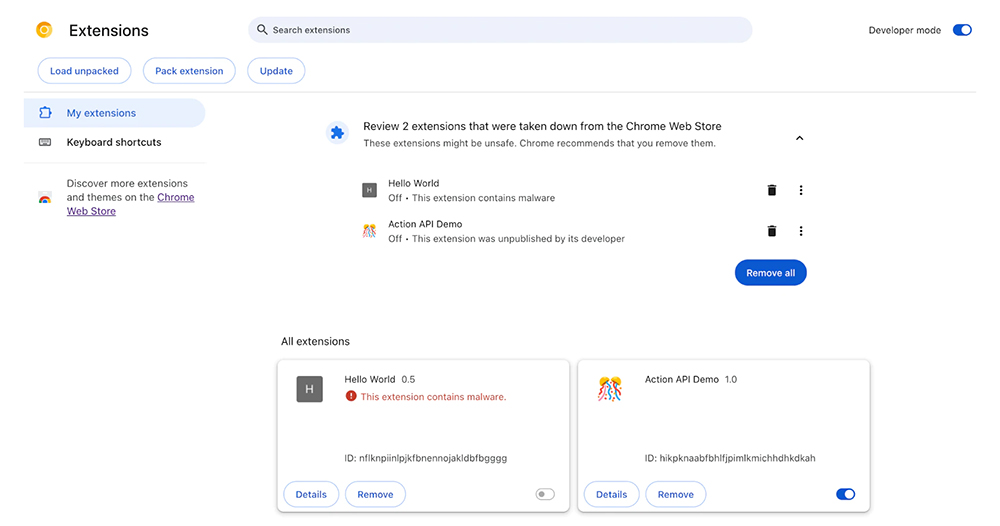
To put it simply, in the past, Chrome had a mechanism to prevent downloads of extensions that had security concerns. However, for Chrome extensions that have been installed on many users’ browsers, it may be because they did not notice that they no longer meet subsequent Google security inspection standards or for other reasons – even if the developers remove them from the shelves, they may still be able to confirm whether there are new extensions or whether there is really a problem.
This feature will be visible in Chrome’s privacy and security options. As for the official demonstration, you will first see the number of extended functions that have been removed from the shelves after security checks. It also prompts that you can move to a special page to check the reasons for removal – if it is the latter two reasons, it is recommended to uninstall it immediately (unless it is so useful that you are willing to risk your privacy or security and insist on continuing to install it, eh… would anyone really do this?).
This wave of Chrome-related security feature updates also includes the ability to proactively upgrade web pages with http connections to https – it is said that if it is found that the connection cannot be made normally, Chrome will intelligently fall back to the previous bookmark or URL version. However, this mechanism brings a browsing experience that is somewhat similar to “retry”, and may also force the website to think about whether it is time to join the ranks of https connections?
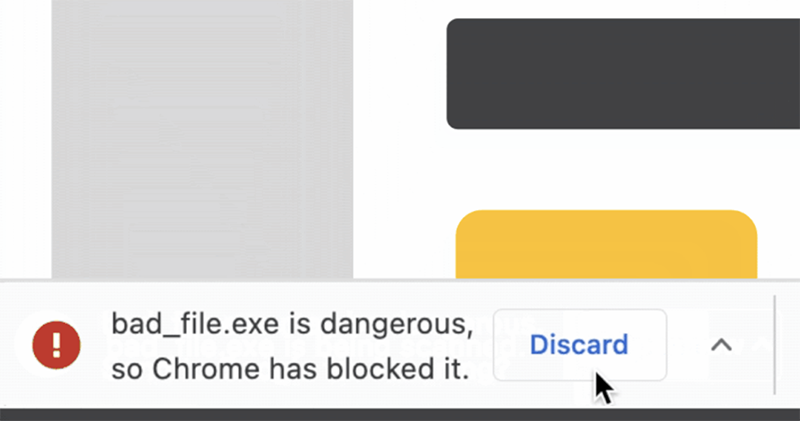
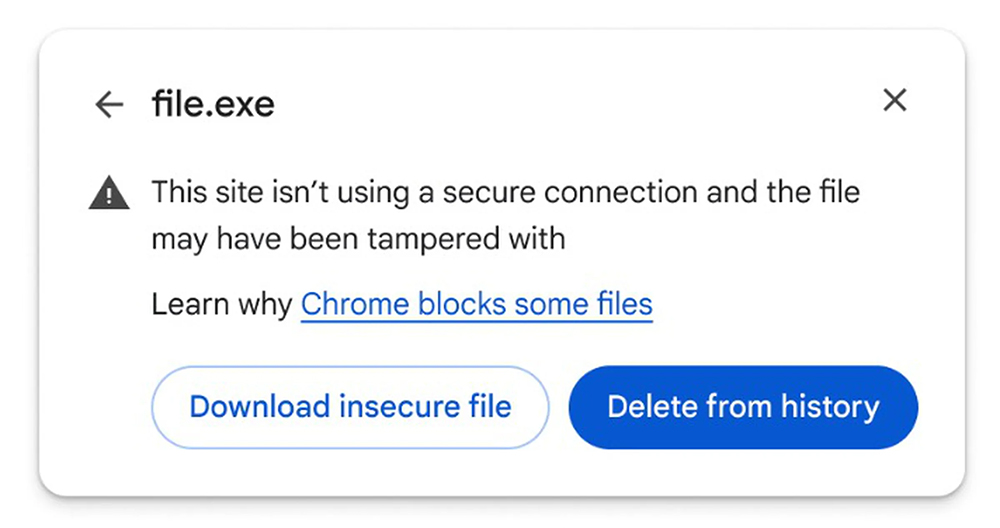
Finally, Google has also brought a feature to its browser that will actively detect unsafe network environments (the example picture should be for the connection to the website itself). If you want to download a high-risk file (maybe it contains sensitive information, right?), it will issue relevant warnings to ask you to think twice.
Further reading:
Google Bard official decryption: How generative AI works last-come-first-served

Source: KOCPC Chinese