


I’ve been thinking all along: why Intel and AMD Not settling NPU If it were separated out, with such little space when integrated with the CPU, the AI performance absolutely couldn’t be that good—it would only handle very basic use cases, which is a shame for the product. And finally, recently, there have been reports that AMD is considering launching standalone NPU products, just like discrete GPUs, meaning that in the future, people with AI computing needs may have a new and more affordable option.
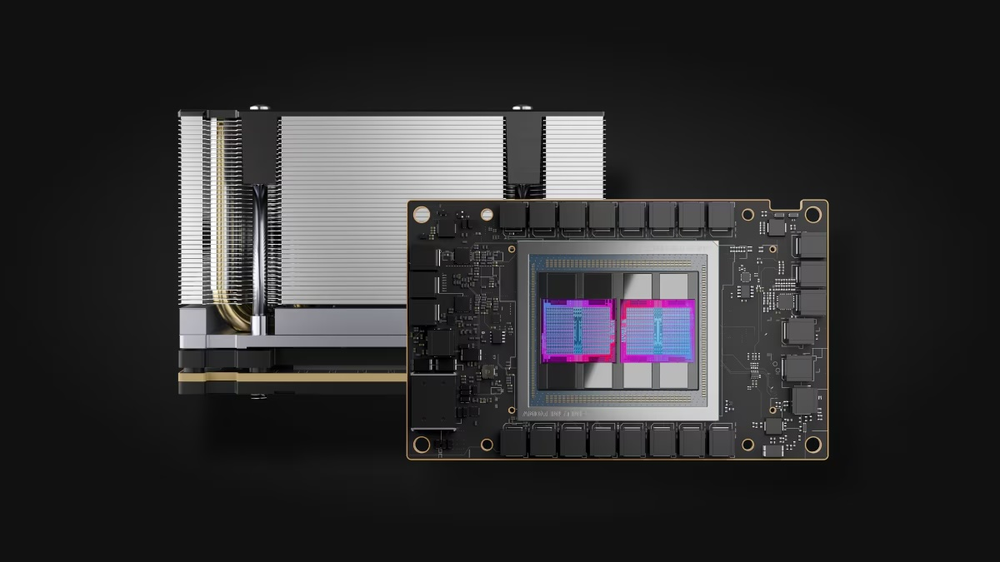
Image source: Wccftech
Reportedly, AMD is considering launching standalone NPU products to meet the demand for AI performance in computers.
According to a report from foreign media outlet CRN, AMD’s PC business executives said in an interview that they are in discussions with customers about this “non-GPU” accelerator chip, which may be dedicated to neural processing units (NPUs), and mentioned: “We can achieve this goal very soon.”
這是一個非常新的應用領域,因此我們正密切關注該領域的發展。不過,如果你有意進入這個領域,我們已經有相應的解決方案,絕對能支援你。而且從我們技術和解決方案的廣度來看,要進入這個市場並不困難,我們也有信心能夠迅速切入。
With the advancement of Intel Meteor Lake / Arrow Lake and AMD Strix Point series mobile processors, computers have officially entered the AI PC era. More and more users are beginning to experience the convenience brought by AI features, and manufacturers are also strengthening their own AI engines to achieve higher TOPS performance.
However, so far it has only been limited to mobile devices. Earlier, it was reported that Intel’s next-generation Arrow Lake Refresh desktop processors this year would meet Copilot+ PC requirements, but later other experts refuted this, saying the NPU would not be upgraded, dashing desktop users’ hopes again. With AMD’s standalone NPU product this time, hopefully the same situation won’t occur.
AMD didn’t mention when this product might be available, but based on the description, it seems like it could launch anytime. Pricing is also unknown, though the speculation is that it should be considerably cheaper than a GPU, since that’s the only way it’d be competitive.
If there really are standalone NPU products in the future, and they can work together with discrete GPUs and CPUs, then AI computing performance will definitely advance by leaps and bounds. That’s something to look forward to.
The CRN report also mentioned that Christopher Cyr, CTO of Sterling Computers, noted: “If this NPU tile can achieve 50 TOPS (trillions of operations per second), stacking two of them would yield 100 TOPS of computing power.” However, Cyr added that to become a replacement for GPUs, standalone NPUs must be more power-efficient than GPUs.
From the latest products, it’s clear that AMD’s consumer ecosystem is now fully pivoting toward AI. In particular, the recent Strix Halo APU supports up to 96 GB of unified memory and, through the driver’s VGM technology, can be allocated to run large language models with 128B parameters.
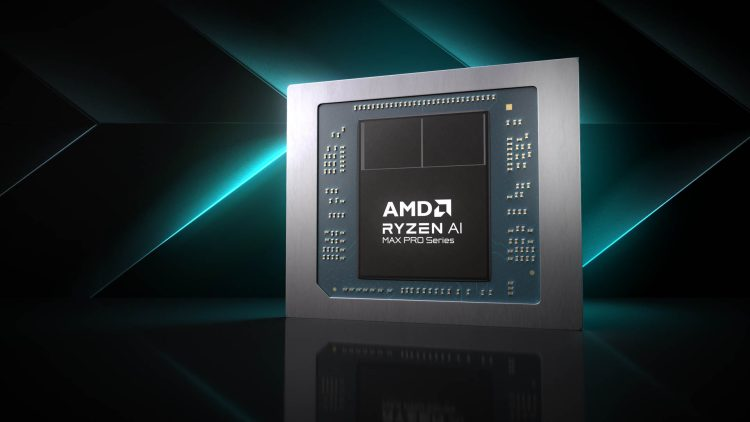
Source: CRN, Wccftech
Source: KOCPC Chinese