


If you are a plant, or a person who likes to sunbathe, sunlight is one of the survival factors for you; but since your laptop neither performs photosynthesis nor wants healthy wheat-colored skin, it is best to leave it in the shade. Is it really not possible to take your laptop to the beach and bask in the sun with you? For the sake of your wallet, let us tell you 5 types of damage caused by direct sunlight to laptops.

Don’t get into trouble with your wallet! 5 types of damage caused by direct sunlight to laptops
Overheating – the most obvious one
The most immediate and obvious risk of using a laptop in the sun is overheating. Laptops have sophisticated cooling systems designed to keep components within safe operating temperatures. However, direct sunlight can increase heat beyond what your laptop’s cooling system can handle. Most laptops are equipped with safety measures to prevent permanent damage from overheating. But if the laptop gets too hot, it may shut down to protect its components. If this shutdown occurs on a regular basis, it can cause wear and tear on the hardware, shortening the life of the device. Additionally, if a laptop is exposed to extreme heat for an extended period of time, certain components may suffer irreversible damage, and in a worst-case scenario, the laptop may fail entirely. If your laptop doesn’t have a built-in safe shutdown to save it, use your laptop in the sun regularly and it will hit its thermal limits over and over again.
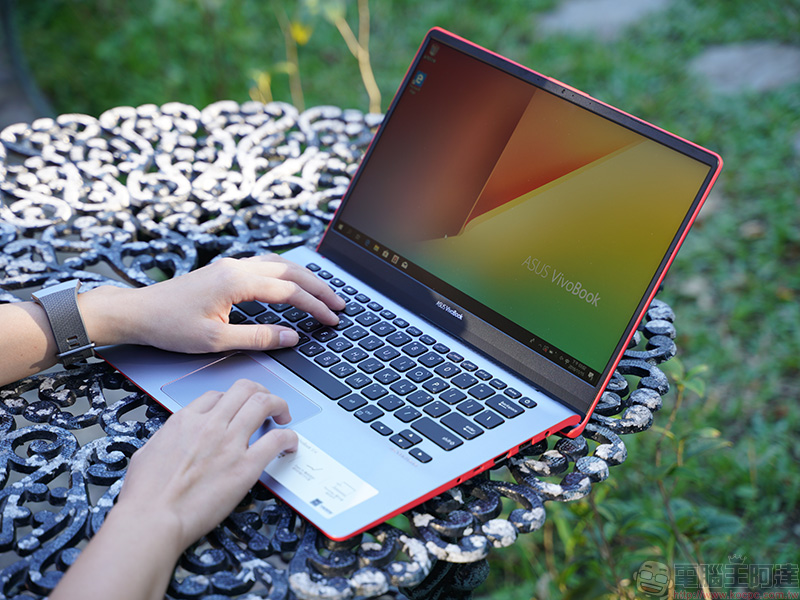
Screen is faded or damaged
The sun’s glare can be a big problem for your laptop’s display, especially if it uses LCD (liquid crystal display) technology. Prolonged exposure to sunlight can cause the colors on your screen to fade, resulting in a less vivid and disappointing visual experience. This is because LCD components are susceptible to UV and infrared radiation, which can cause color shifts and fading. This won’t happen in a few minutes, but if you use your laptop outdoors a lot, it can be a real problem over time.
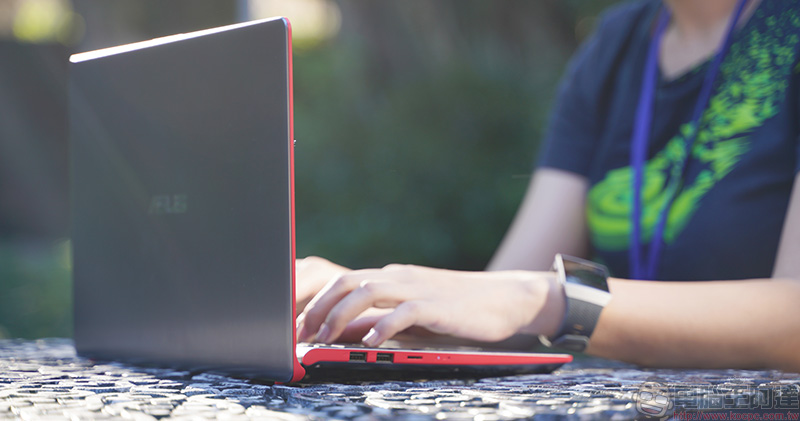
Battery life is reduced or damaged
Batteries, especially lithium-ion batteries commonly used in laptops, are sensitive to heat. When a laptop is exposed to high temperatures, it can cause the battery to run hotter than it’s designed to allow. Over time, this reduces the battery’s ability to hold a charge, which means you’ll find yourself needing to plug in more often. Additionally, most laptops today don’t have removable batteries. If the battery is damaged prematurely due to overheating, replacing the battery will be very troublesome. You’ll have to partially disassemble the laptop to get to where the internal battery is or to send it in for repair. In severe cases, overheating can lead to a condition called thermal runaway, where the battery’s temperature rises uncontrollably, leading to failure or bursting. This is rare, but it underscores the importance of keeping your laptop, and especially its battery, cool.
Plastic deforms or metal parts become dangerous
Almost all laptops are made of plastic or metal, which can warp or deform under the intense heat of direct sunlight. Plastic parts will soften and deform, while metal parts may cause burns if touched. For example, if you’ve ever left a plastic item in the sun for too long, you may have noticed that it becomes deformed or twisted. The same thing can happen to plastic components of your laptop, such as the case or keyboard. Metal parts, such as the casings of some high-end laptops or heat sinks, can become very hot, which can cause injury. Even if we’re not talking physical harm, in a worst-case scenario, if you’re using your laptop outdoors and the sun reflects off a curved glass or metal surface at just the right intensity and angle, the sun can be almost like a lighter flame, causing melting holes in the plastic laptop body and screen.

Rugged laptops may have special UV-stabilizing coatings because they are designed for outdoor use, but typical laptops can only be used outdoors for a limited amount of time. Let’s be honest, most laptops don’t even have a screen that’s legible in sunlight.
UV damage
UV damage has been touched upon a bit above, but it’s worth emphasizing that this particular solar radiation will generally damage most technologies that are not UV stabilized or given some protection. While infrared radiation can heat a laptop, ultraviolet radiation can cause chemical changes in laptop materials. UV rays can cause discoloration or whitishness on laptop surfaces, and prolonged exposure can cause materials to become brittle and prone to cracking. This is especially true for older laptops, which may not be made with those UV-resistant materials.

So while working or playing in the sun may sound appealing, it’s important to consider the potential damage. It is always safer to use a laptop in a cool environment, which will not only help ensure the longevity of the device but will also provide you with a more comfortable experience. While it may not turn yellow like an old PC console placed too close to a window, excessive UV exposure isn’t great for the human body either.
Source: KOCPC Chinese