


Many of Google’s AI browsing experiments are no longer just experiments—AI Overviews and the new AI mode are already quite prominent, and Google is heavily promoting them. Now, the company is looking to reshape one of the few parts of the search experience that hasn’t yet been touched by AI: the search results.
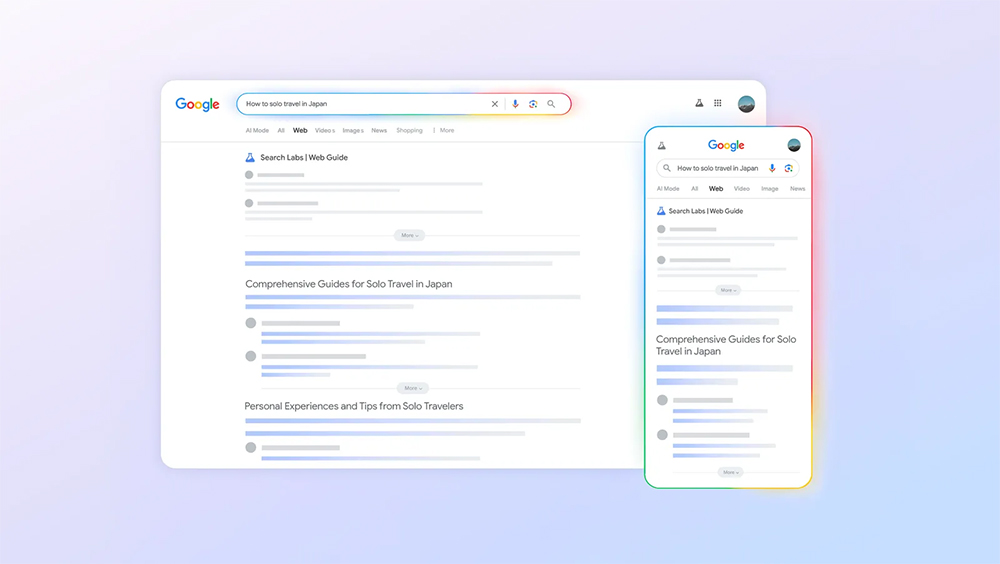
Google Search results introduce “Web Guide,” using AI to organize and reshape the results page.
Google announced a project in its Search Labs platform namedA new experiment for “Web Guide”The experiment will change the way search results are displayed. Since Google was founded in 1998, users have seen a simple list of websites after entering a search query, with more relevant or popular results at the top. Apart from occasionally showing AI overviews before these results, the search results themselves have barely changed in this crazy new AI era.
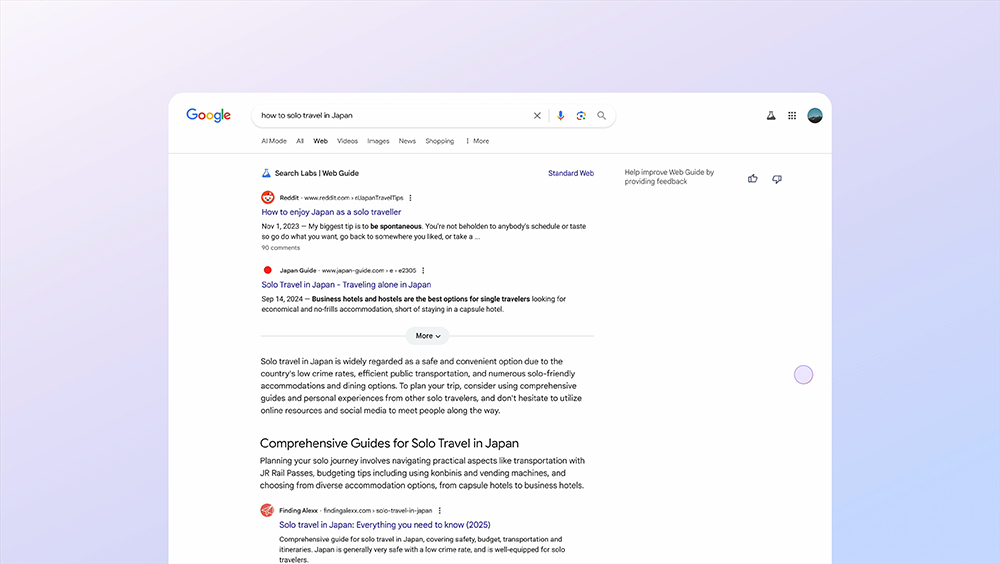
Web Guide operates similarly to an alternative version of search results that you know and love, seemingly sitting somewhere between traditional web browsing and fully mature AI browsing. Web Guide is powered by a customized version of Google’s Gemini AI model, which, according to the company’s announcement, analyzes your query and the content of webpages across the internet. It then organizes search results into different groups based on various aspects of the search topic. The end result is an automatically categorized and grouped list of webpages, which may be better suited for complex or open-ended searches while still providing some search results.
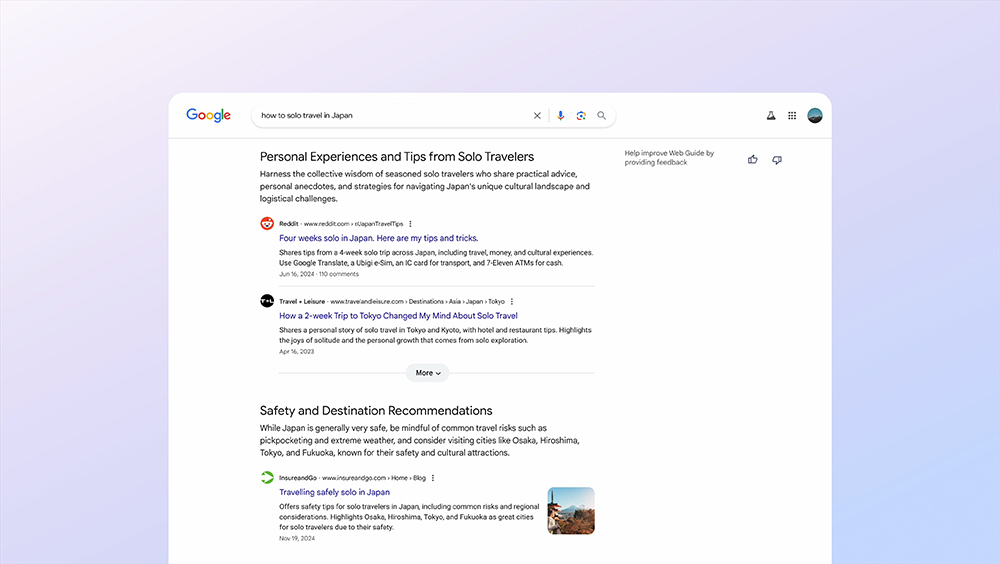
Like AI mode, Web Guide mode has a separate “Web” tab, distinct from the “All” tab where regular search results appear. However, Google may eventually try to replace the old tabs with these novel, AI-driven tabs. The system uses new technology that is also applied to other Google AI features. When you enter a query, the system simultaneously runs multiple related, more specific searches in the background. This process collects a wider range of information, which is then integrated by the Gemini model and organized into topic groupings displayed on the results page.
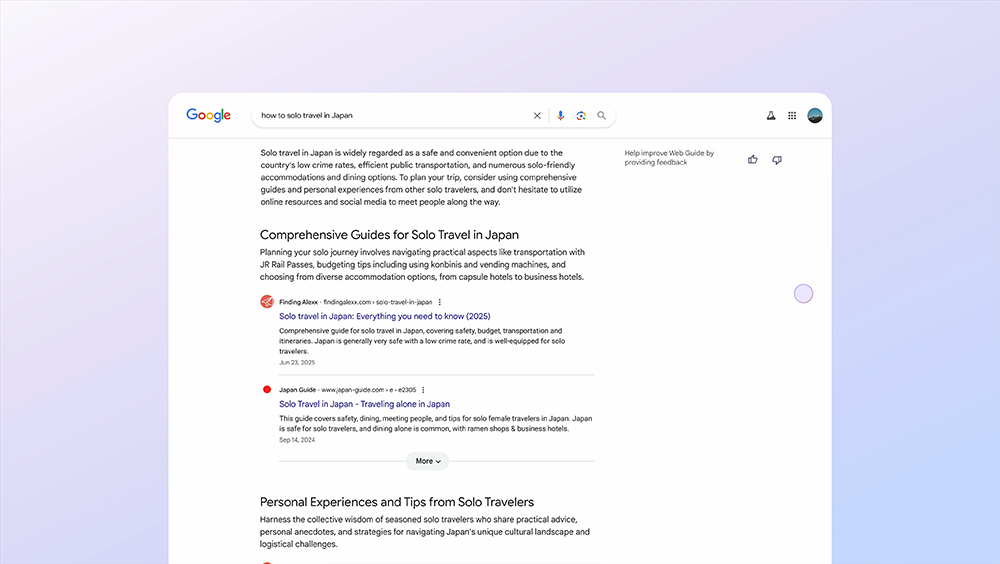
Google hasn’t fully abandoned regular search results, since it’s working on how to weave them into the AI era. But there are still some confusing points here: you’ll get fewer search results than usual, yet in theory, you’ll get more useful results that are more relevant to your search. On the other hand, you’re expected to trust that Google ranks results by usefulness and believe that this customized Gemini model will find content related to your query.
Source: KOCPC Chinese