


But when it comes to “free and open source software, FOSS” (Free and open source software, FOSS), many people find that they don’t actually understand it, or they have some misunderstandings about it. FOSS is a key component of the software ecosystem and brings huge benefits. Whether a program is open is not only important to developers, but also to users. Free and open source software provides users with a high degree of freedom that they would not otherwise have.

What is free and open source software? 7 misconceptions about it
You will see some software that is very useful, but you will have doubts because it exists on sites like GitHub for people to download. This is normal, because people are always not so confident in unfamiliar things. This time, the author will take you to understand FOSS and understand 7 misunderstandings about it.
What is FOSS?
If a program is open, its source code is freely available to users. Users and anyone else can obtain this source code, modify it, and distribute their own edited versions of the program. Users can also distribute as many copies of the original program as they wish, and anyone can use the program for any purpose. There are no licensing fees or other restrictions on this type of software.
However, FOSS is not perfect. There are still several shortcomings that should be noted:
- Individual projects may be frequently delayed or progress may be slow
- Some projects were split, split, and then split into different versions due to developer differences.
- Not all FOSS is driven by the developer community
- Despite having millions of users, there may still be a severe shortage of development manpower
7 misconceptions about FOSS
1. FOSS is not safe
One of the most common misconceptions is that FOSS is insecure because its source code is publicly accessible, making it easy for hackers to exploit it. In fact, the opposite is true. The public nature of FOSS allows for constant review and input from the global developer community, and because there are so many eyes on the code (at least for popular projects), problems can be discovered early and corrected on the fly. This does not mean that FOSS is inherently more secure than closed software, but it is not less secure either. FOSS has security features that differ from the security practices used for code inside closed software.

Having said that, there have been several previous incidents where the openness of FOSS did not save it from malicious actors. For example, the Webmin backdoor. It took more than a year to detect and fix the very serious Heartbleed Bug discovered in the OpenSSL encryption software library. But who can guarantee that closed software will not have problems?
2. FOSS quality is relatively poor
Many people believe that because FOSS is generally free and developed by volunteers, it must be of lower quality. In fact, many FOSS projects have proven to be as good as proprietary projects. FOSS often benefits from different types of input, with developers from different backgrounds and levels of expertise contributing to FOSS. Please note that this does not mean that the software exactly matches the feature list of similar software.LibreOffice It’s not as crowded (some would say bloated) as the feature apps in the Office 365 suite of tools, but it offers useful features that most people will use. same,GIMP It may not have all the same features as Adobe Photoshop, especially its cloud capabilities, but in the right hands, it can achieve just as good results.
3. FOSS is only for developers
There is a misconception that FOSS is only suitable for developers and IT professionals, mainly because it often allows users to access the underlying source code. While access to source code does benefit developers, many open source programs are designed to be user-friendly and do not require any coding knowledge at all, such as those for audio editing. Audacity, media player VLC, email tools Thunderbird,etc.

4. FOSS cannot be used commercially
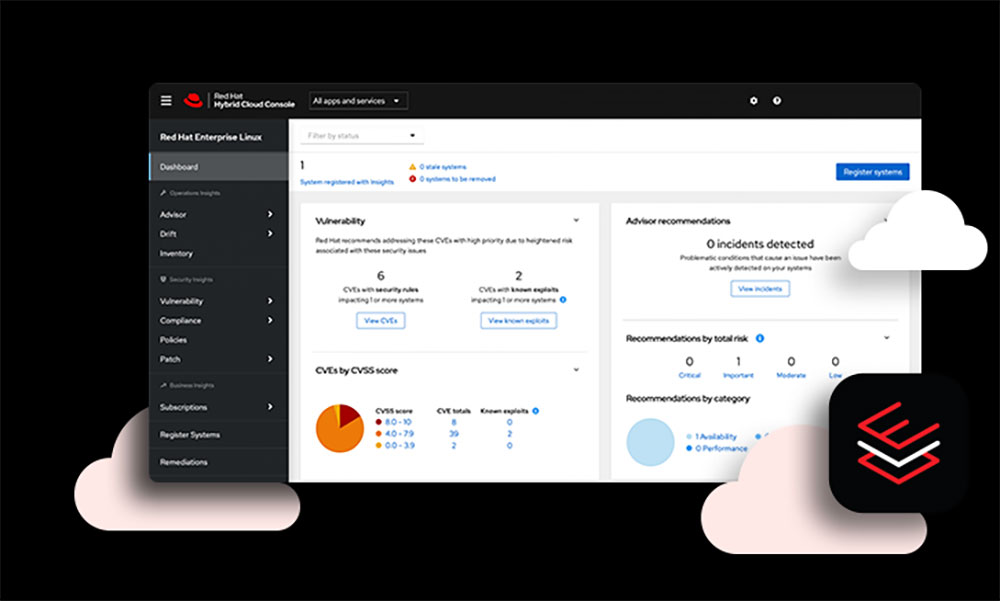
Some people believe that FOSS cannot be commercialized because it can be freely disseminated. However, many companies have found success by offering high-quality services related to FOSS, such as customization, installation, technical support, or additional functionality. Like Red Hat (e.g. Red Hat Linux), IBM (e.g. PyTorch) or even Google (e.g. Android) Companies such as these have proven the commercial viability of the FOSS model.
5. FOSS is always free
The full name of FOSS is “Free and open source software”. Although many FOSS are provided for free, it does not necessarily mean “free”. The “Free” in the full name refers to source code accessibility, not price. Many FOSS projects are funded through other means, such as donations, subscription fees, or providing advanced versions with additional features, to finance operations or support continued evolution.

6. FOSS does not have good user support
One misunderstanding is that because FOSS comes from the developer community, it is assumed that it does not have good user support. While you may not have a dedicated customer service line like with commercial software, many FOSS projects have active developer and user communities with impressive ongoing support. In addition, you can also find various online forums, tutorials and documents to help you understand and use the software.

7. All FOSS are the same
Finally, there is a misconception that all FOSS are the same. But like proprietary software, FOSSs vary widely in functionality, design, support, and licensing conditions. For example, Debian and Ubuntu are two open systems that have different target users, different release cycles and different default environments. From operating systems to productivity tools, games, and many other types of software in between, there’s probably at least one FOSS software package that’s just what you’ve been looking for.
Source: KOCPC Chinese