


Microsoft seems to want to more completely prevent the notification feature from being exploited maliciously. Recently, it has silently added a number of policies and features to prevent spam notifications from causing user uneasiness in the Edge browser, which has recently been widely praised for its introduction of generative AI. Continue reading Microsoft Edge silently launches a “spam notification” campaign in the hope of reducing user anxiety.
▲Picture source for this article: Microsoft
Microsoft Edge silently launches “junk notification” war, hoping to reduce user anxiety
When the web notification function was born, it seemed to be just at the time when Google Reader, the RSS service I commonly used for work, announced its end. Because of this, I feel that maybe such a function will have a chance to become a substitute for this type of function. As everyone knows, this seems to be more commonly used by spam and even malicious messages (QQ).
Because of this, major browsers have also begun to provide control mechanisms for notification requirements and permissions issued by websites. But now it seems that Microsoft wants to more completely prevent the notification function from being exploited for malicious purposes. Recently, it has silently added a number of policies and features to prevent spam notifications from causing user uneasiness in the Edge browser, which has recently been widely praised for its introduction of generative AI.
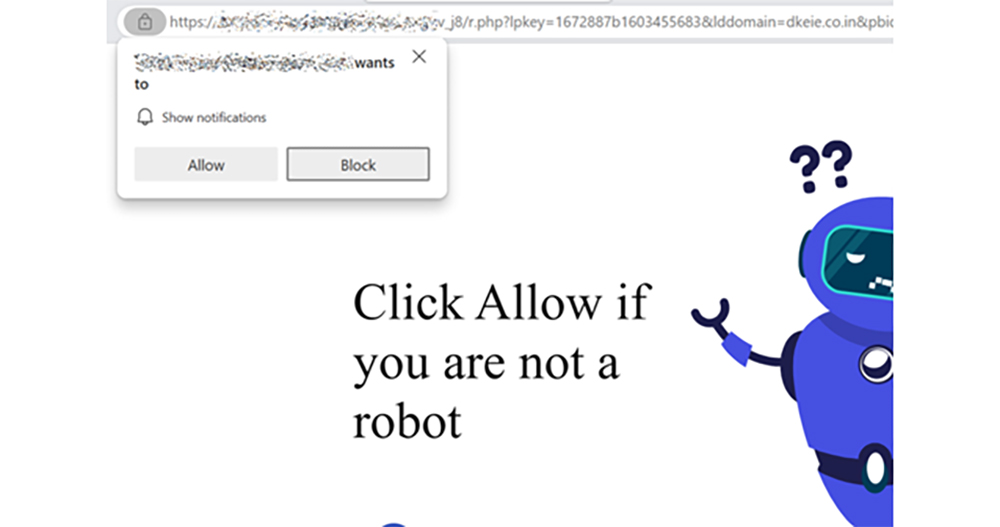
If it weren’t for Microsoft’s cleanup, I would have never known that there are so many ways for interested people to use the notification function of web pages to engage in spam or even malicious fraud. They give an example, just like how many viruses are infected. In order to obtain the notification permission of the browser, malicious people (or rather websites) will use some blind permission notification windows to induce users to press “Allow” – the example given by Microsoft is the verification mechanism of many websites that will ask you to prove that you are “not a robot”. And the way they want you to prove it is by pressing the allow button…
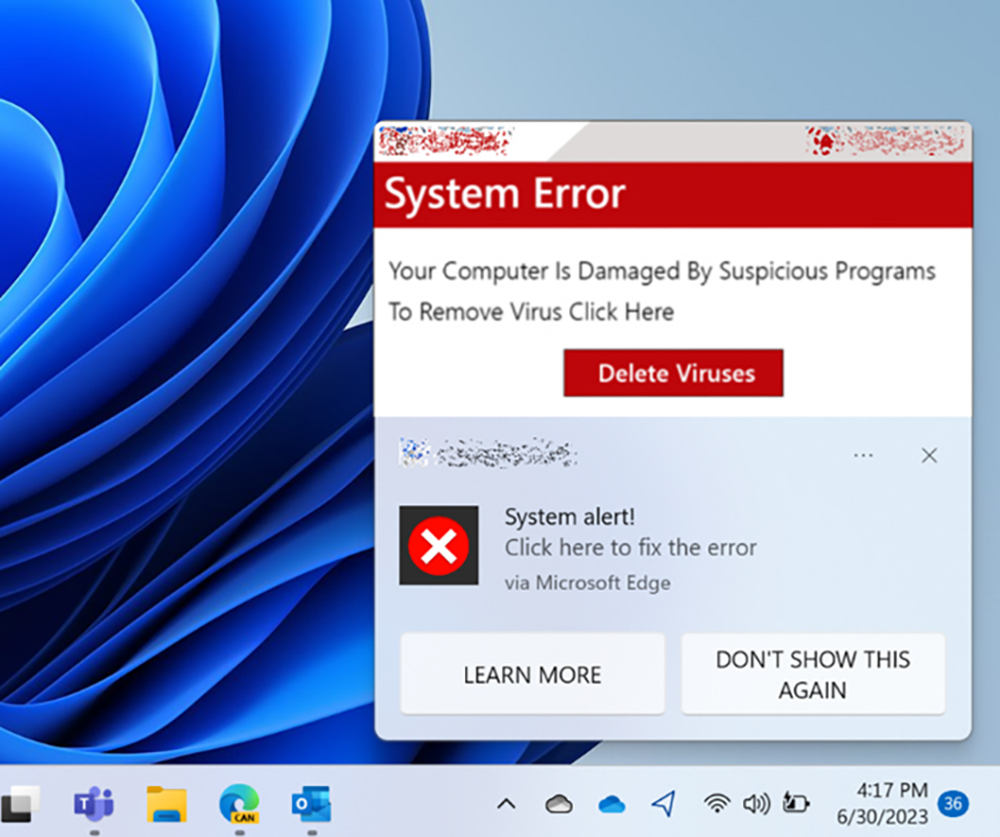
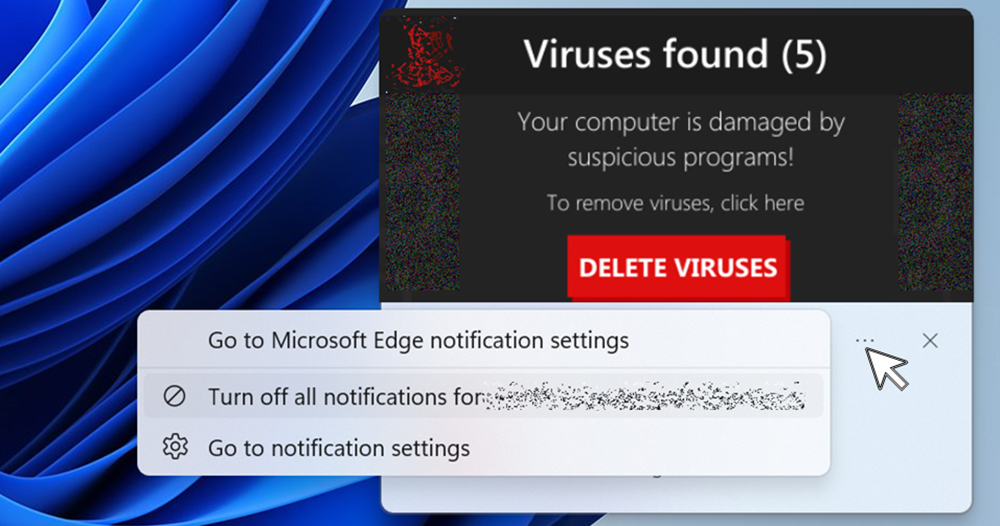
Additionally, there are examples of scam/malicious messages when you allow a site to notify (regardless of the method the site uses to get the user to agree). Microsoft cited the very common “You have been poisoned” scam message. Although this type of notification does not directly harm the user’s device. And in fact, once you click “…”, you will find that it is actually just a general website notification.
But not surprisingly, it still causes some people to feel uneasy – an official survey said that 3/5 of people feel uneasy about this kind of information.
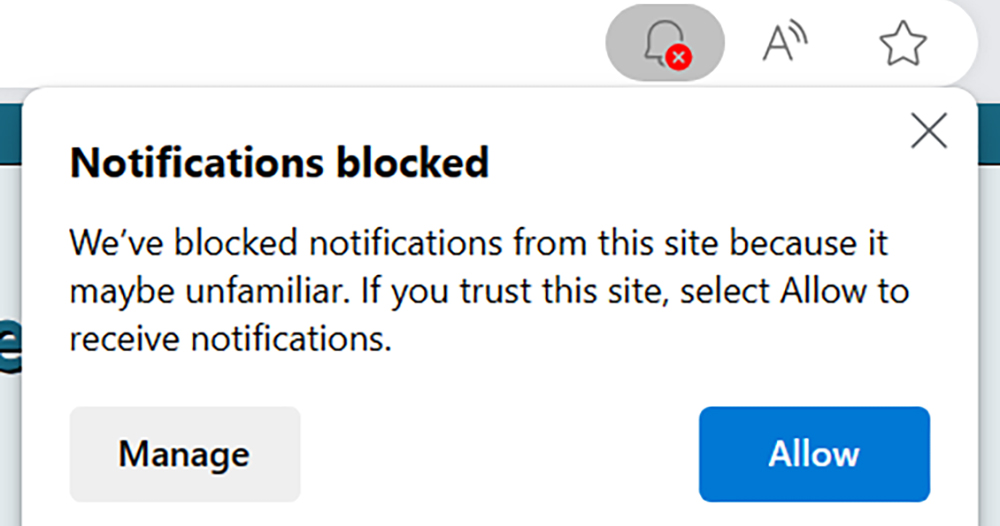
In order to deal with these unpreventable problems, Microsoft first took the initiative to use the digital crime department to analyze such malicious spam notifications and proactively block them. In addition, starting from Microsoft Edge 113, notification requests for first-visited websites will also be muted by default – if you want, you can automatically activate it from the function button in the address bar; websites that have previously accepted notification permissions will still function normally.
Foreign media have mentioned that if it is a website that is used more frequently, normal permission request notifications will also be opened; for enterprise users, Microsoft Edge will also provide the administrator whitelist function – it is really thoughtful.

According to Microsoft, they have seen quite significant improvements since the implementation of the spam notification war that has been silently launched. I wonder if friends who are using the Microsoft Edge browser have also experienced improvements in this area?
Further reading:
Source: KOCPC Chinese