


When you are assembling or upgrading a desktop computer, the power supply unit (PSU) can be said to be the energy source that drives the entire system. No matter how powerful the CPU or GPU is, it will not work without it. When purchasing, in addition to the wattage of the output power, you will also see words labeled “80 Plus Gold”, “80 Plus Platinum”, “80 Plus Titanium”, etc. on the store. So the question is, what is “80 Plus”? What is the difference between “80 Plus Gold” and “80 Plus Platinum”?
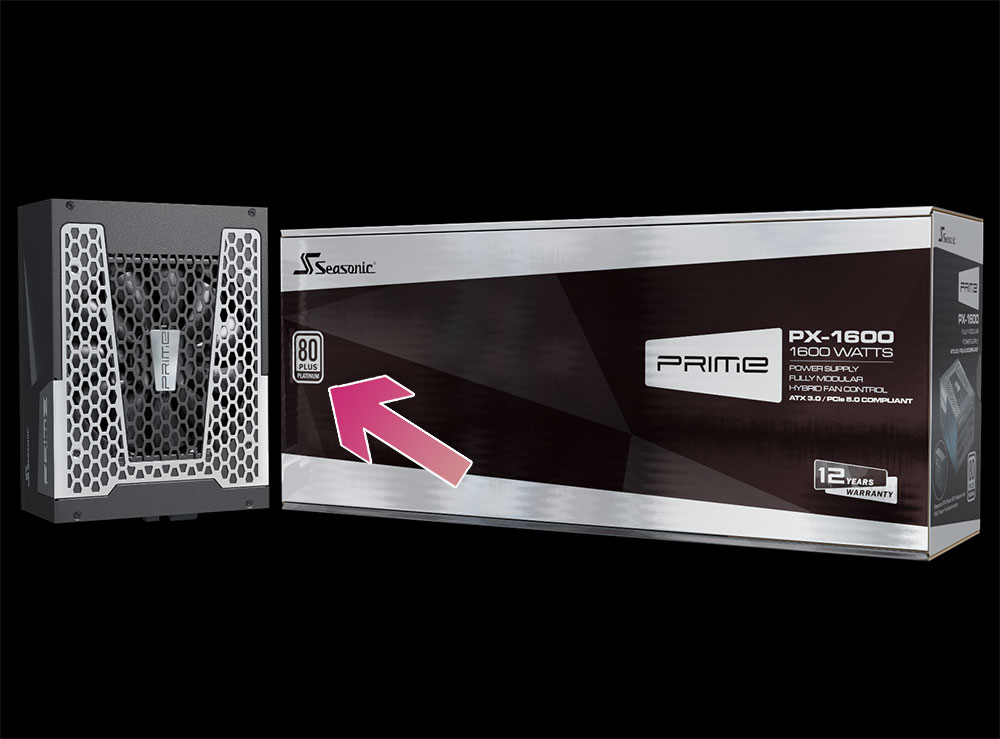
What is the “80 Plus” on the power supply unit (PSU)?
What exactly is 80 Plus?
80 Plus is a manufacturer-initiated certification that power supply manufacturers can use on their products to assure consumers that the power supply they purchase is as efficient as the manufacturer claims, meaning it uses as little power as possible to get the most out of it. Recently, 80 Plus has received considerable attention. PSUs with good ratings really consume less power, but to achieve this goal, truly high-quality components must be used. Therefore, the high-end 80 Plus rating also guarantees the quality of the PSU to a certain extent. The most important thing is that the reliability is also higher.
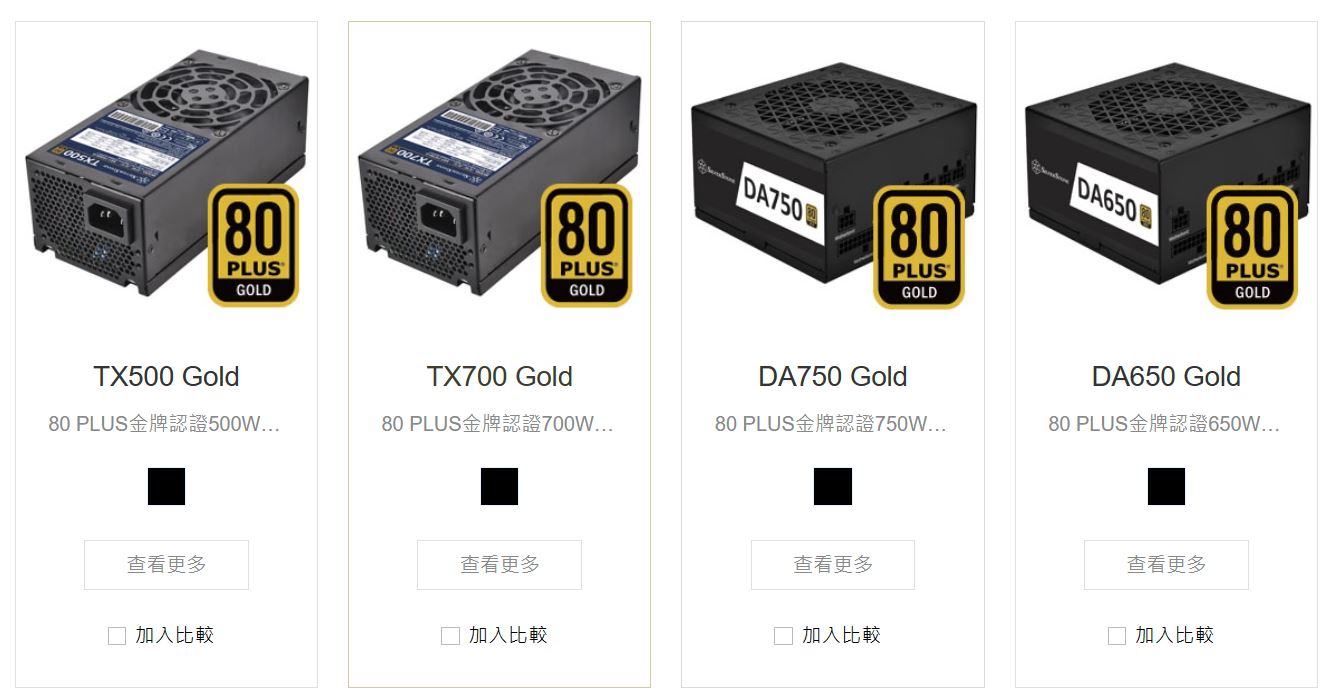
That’s why PSUs priced at the top of the pyramid not only have a high-end 80 Plus rating, but also come with a warranty of up to 10 or even 12 years from the date of purchase. In terms of reliability, although 80 Plus is not the only factor you have to consider. Brand and reputation play a larger role, but it is a good reference indicator. At least the PSU you buy will not often have problems under normal use.
What is the difference between “80 Plus Gold” and “80 Plus Platinum”?
Basically, the 80 Plus Gold PSU is 87% efficient at 100% power load, while the 80 Plus Platinum power supply is 89% efficient at 100% power load. Put in numbers, if a 700W power supply supplies 700W of power to the PC’s internal components, it will draw 791W of power from the outlet if it is rated 80 Plus Gold. By comparison, the 80 Plus Platinum power supply draws 777W. The extra +10% of power is wasted, while the rest goes to your PC.
| 80 Plus Test Type | 115V internal non-redundant | 230 V internal redundant | 230 V EU internal non-redundant | |||||||||
| Rated load | 10% | 20% | 50% | 100% | 10% | 20% | 50% | 100% | 10% | 20% | 50% | 100% |
| 80 Plus | 80% | 80% | 80% | 82% |
85% |
82% | ||||||
| 80 Plus Bronze (Copper) | 82% | 85% | 82% | 81% | 85% | 81% | 85% | 88% | 85% | |||
|
80 Plus Silver (silver) |
85% | 88% | 85% | 85% | 89% | 85% | 87% | 90% | 87% | |||
| 80 Plus Gold (gold) | 87% | 90% | 87% | 88% | 92% | 88% | 90% | 92% | 89% | |||
| 80 Plus Platinum (Platinum) | 90% | 92% | 89% | 90% | 94% | 91% | 92% | 94% | 90% | |||
| 80 Plus Titanium (titanium) | 90% | 92% | 94% | 90% | 90% | 94% | 96% | 91% | 90% | 94% | 96% | 94% |
It’s not an exact science. This rating means the PSU should be at least as efficient, but a little higher is fine. In the end, there will be a 2% difference in minimum efficiency between Gold and Platinum levels, which may have an impact on electricity bills in the long run. Although the difference is not big, there is still a slight difference.
Is it overkill to buy the 80 Plus Platinum right away?
In my opinion, there is never such a thing as overspending on a PSU. When it comes to PSUs, you should look for the best quality product within your budget. After all, you should not only worry about efficiency, but also make sure that the components in your computer are running well. If something goes wrong with your PSU, it can have catastrophic effects on PC components or even perfectly assassinate your entire computer.
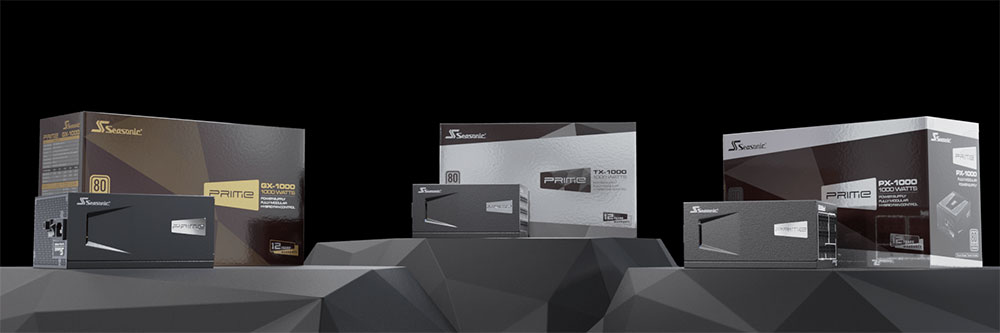
Having said that, if you have the budget for the 80 Plus Platinum PSU, go for it. If it comes from a reputable brand and comes with a warranty that lasts for several years in addition to an 80 Plus rating, indicating that it is a reliable and safe PSU to use, it is worth choosing it. If you only have enough budget to buy 80 Plus Gold, that’s fine as long as it’s from a reputable brand.
Source: KOCPC Chinese