


Nowadays, both TV and computer screens are getting bigger and bigger, and the same is true for e-sports screens. Most people think that a big screen is better than a small screen. You would prefer a 100-inch TV to a 50-inch one, right? However, the desire for bigger screens may backfire among PC gamers. If you happen to want to change a screen for gaming, this time, let’s find out what size is best for you.
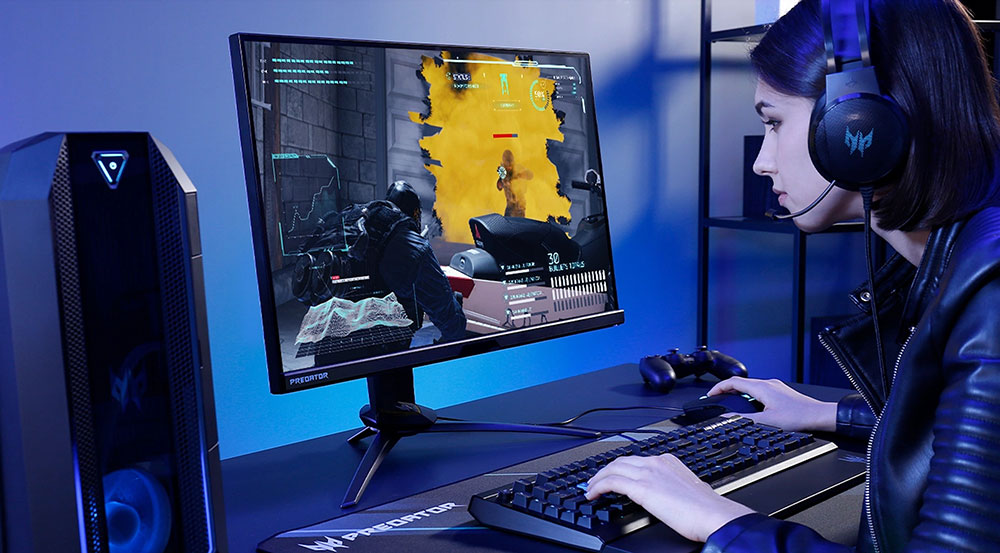
Does an eSports screen have to be big? The truth is contrary to what you think
If there is enough space on the desk, it seems logical to buy the largest screen. After all, immersion is one of the keys to improving the gaming experience, and a large monitor provides a vivid canvas for the game, but at a certain critical moment, the balance will still tilt to the other end. Just ask anyone who has decided to use a 55-inch TV as a PC gaming monitor on their desk, and you’re likely to hear comments like “it’s too big.” In fact, the size that’s best for gamers may be much smaller than you think.
Pixel density, viewing distance and other factors
Your high-definition games deserve a high-quality monitor. Although often overlooked, pixel density plays a vital role in providing clear, high-quality images. Without increasing the resolution, a larger screen will dilute the pixel density, turning beautiful games into looking mosaic.
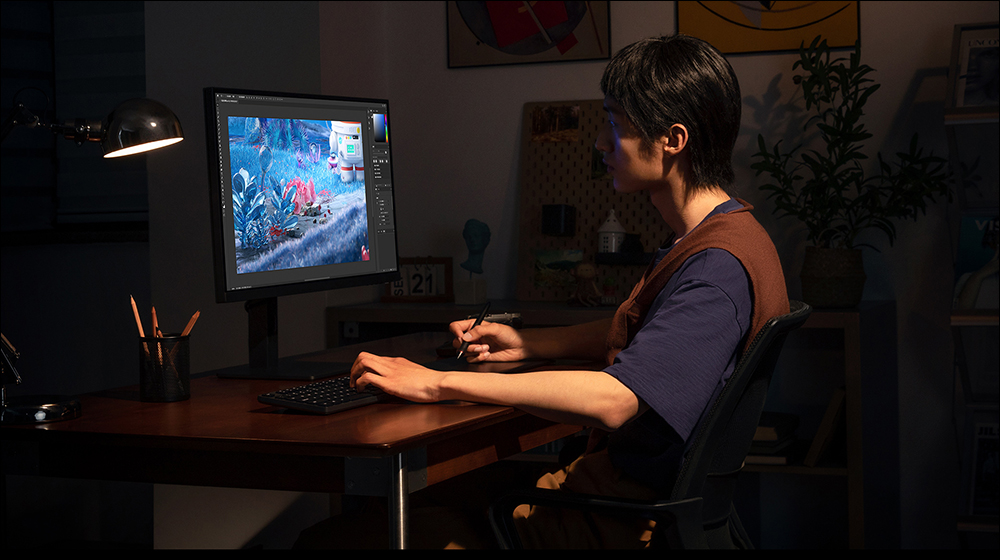
Next is viewing distance. Using a theater-sized monitor at your desk may sound ideal, but you have to crane your neck, strain your eyes, and don’t have enough room to view from the most comfortable distance. In addition, it is also worth thinking twice about how to use the e-sports screen when playing games at your desk. At the same distance, a smaller monitor (such as a 24-inch or 27-inch monitor) will give you a better, more comprehensive view than a larger monitor.
A big screen may make your game more fun
The next plot should be reversed: the size of the screen may have a negative impact on your game play. In a gaming world where success or failure is measured by split-second reactions, a larger screen will slow you down because a wider screen means you can’t always focus your vision on the central screen to get all the information.
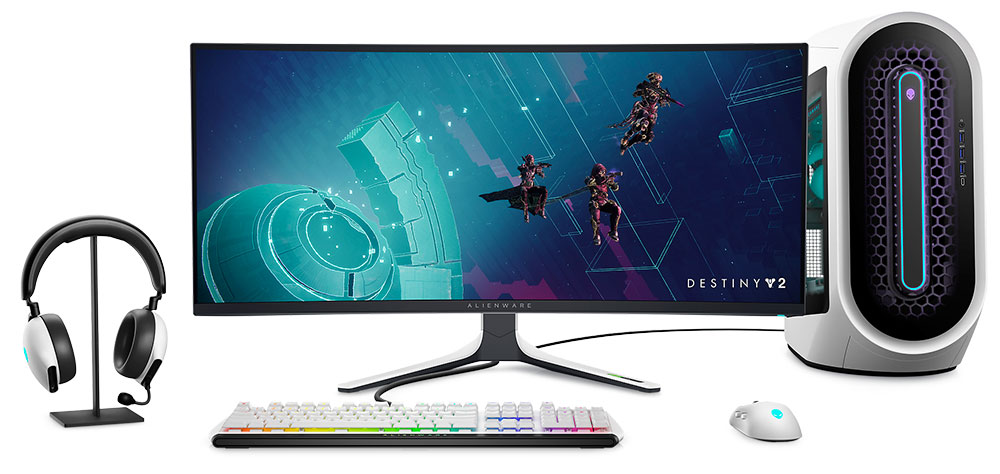
There is a reason why professional e-sports players prefer 24-inch screens as their best choice, because they can cruise around the screen and see the entire battlefield without moving their heads or even their eyes. While most of us aren’t pro gamers, sitting too close to a screen that’s too big can still make it more difficult to play certain games.
The ergonomic pressure of large gaming screens
Extra-large screens may also increase your level of discomfort. Staring at a screen that is too large means your eyes and neck are constantly in motion, including scanning the entire width of the screen and trying to keep up with the action. This visual tracking can lead to a condition called Computer Vision Syndrome (CVS), which can cause eye strain, headaches, blurred vision, and even neck and shoulder headaches. While improper viewing distance is one of the causes of CVS woes, having a monitor that is too large and being too close to the monitor may be part of the problem.
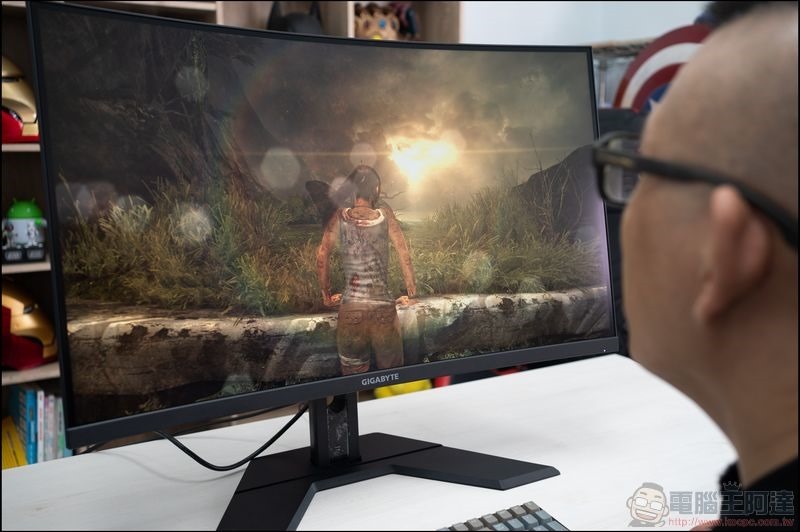
The hidden costs of large displays
In addition to the higher unit price that is visible to the naked eye, there are also some hidden costs behind large screens that are less noticed. From the need for high-end graphics cards to maximize visual effects to soaring electricity bills, the overall cost of large monitors far exceeds the initial cost you originally anticipated. You’ll also need to proportionately adjust your desk space to accommodate a large screen, and accommodating a large screen may mean you have to make unplanned changes to your space. Plus, you’re giving up refresh rate, panel image quality, and other factors that have a greater impact on how graphics look and move than screen size.
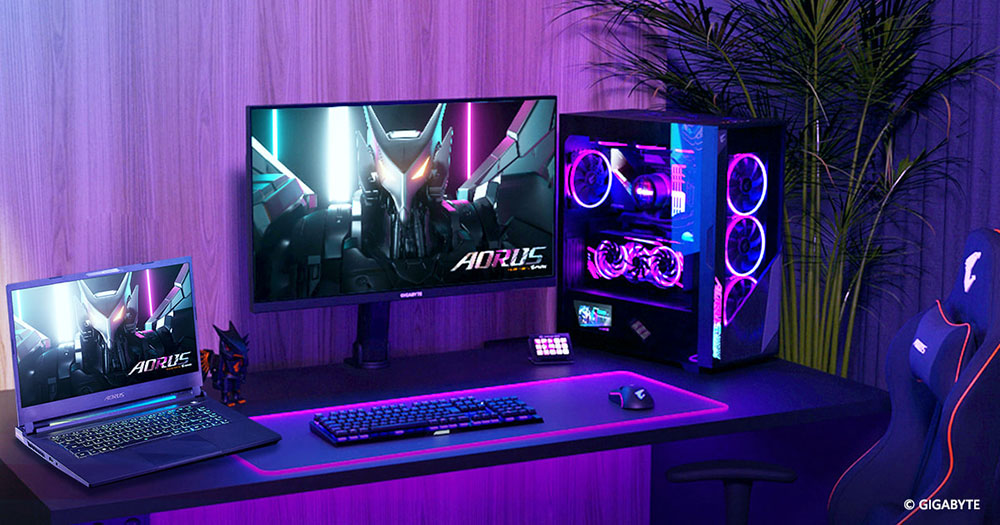
Unless you also need a monitor to improve multitasking efficiency, or use the screen for more than just entertainment, you should be more conservative when purchasing a gaming monitor. If you mainly use it for gaming, it is recommended to consider a 24-inch or 27-inch screen.
Source: KOCPC Chinese