


When we choose a lens, most people will pay attention to factors such as focal length, aperture, price, weight, etc., but few people will consider the zoom of the lens. Zoom lenses are divided into internal zoom and external zoom, each with its own advantages and disadvantages. Let me share with you some of the advantages and disadvantages of internal and external zoom. If you are interested, continue reading!
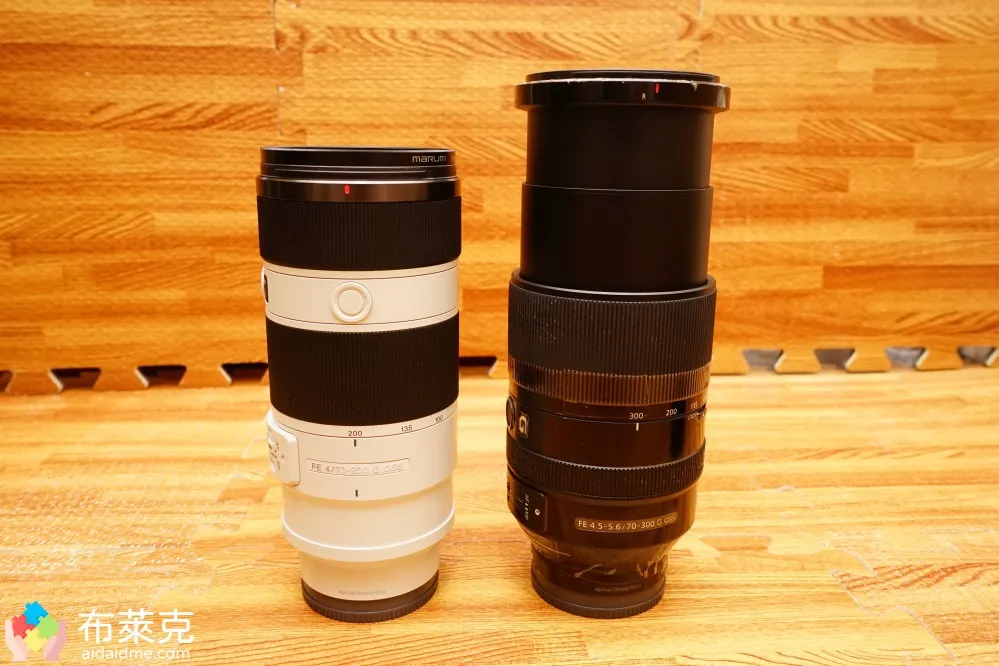
▲ Figure 1: Inner zoom lens and outer zoom lens
If you think the content of the article is helpful to you, thenSubscribe to my contentBar! It’s free! When I publish a new article, it will be pushed to your inbox immediately. This is the easiest and most convenient way to encourage me!
In-lens zoom vs. external zoom
Regarding the difference between internal zoom and external zoom of the lens, the editor will first make a summary and organize it in the following table:
| internal zoom | external zoom | |
| volume | long | short |
| weight | Heavy | light |
| Optical design | more complex | simpler |
| dust | Not easy to get dusty | Easier to get dust |
| Example | Sony FE 70-200 mm f/4 G OSS | Sony FE 70-300mm f/4.5-5.6 G OSS |
▲ Table 1: Internal zoom vs. external zoom/Compiled by the editor
Generally speaking, only telephoto lenses have internal zoom and external zoom, while wide-angle lenses are mainly external zoom lenses.
What is an external zoom lens?
As the focal length changes,External zoom lenses extend or shorten the lens barrel, making the lens longer.。
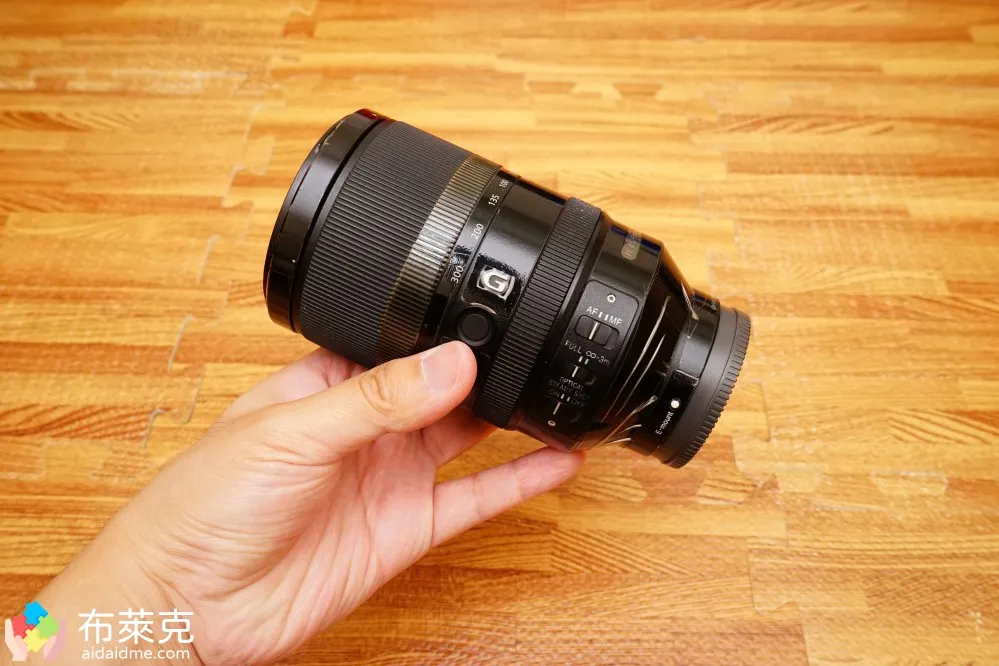
▲ Figure 2: External zoom lens (SEL70300G)
Telephoto lenses like zooms often have very high magnifications. When we turn the zoom ring, the lens will extend very long, so that we can take pictures of wild animals far away in the horizon. After taking the shot, we need to turn the lens a little shorter so that it can be easily stored in the camera backpack.
If you have this type of telephoto lens, you must be familiar with the situation I just described.
For telephoto lenses, the external zoom lens needs to be expanded and retracted frequently, which can easily cause dust to accumulate on the lens barrel. When the lens is put away, dust will be brought inside the lens. In fact, today’s lens manufacturers also take precautions, so you don’t need to worry too much.
However, if it rains on the day of shooting, this will be different! Rain drips on the lens barrel, even if the lens is said to be dustproof and waterproof, don’t be careless! Because the lens manufacturer will say that it is dustproof and waterproof, but it is not recommended to use it in rainy days. The photographer still needs to be careful when using it and pay attention to this matter.
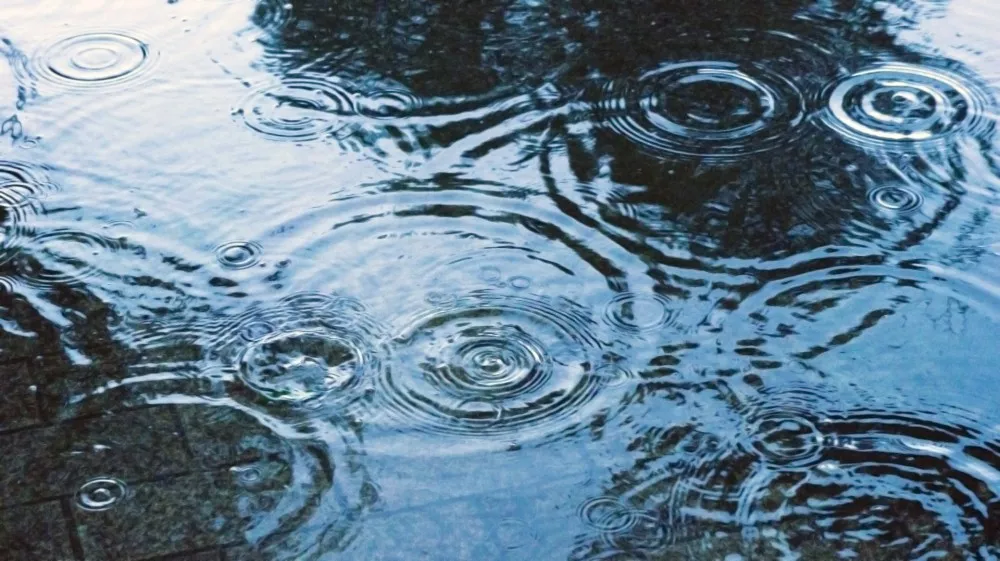
▲ Figure 3: Pay attention to the rainwater flowing into the lens on rainy days/from Photo-ac
The editor will wipe the lens barrel immediately after shooting on rainy days, and then put it into a moisture-proof box. It is more appropriate to keep it as dry as possible. By the way, the editor has written a review of the use of moisture-proof boxes before. If you haven’t read it yet, you can read it in this article.
- Stop being wet! You don’t have this guy in your house! Mainstream brand moisture-proof boxes are recommended to say goodbye to the humid climate
- What should I pay attention to when buying second-hand lenses? Pay attention to a few things before buying to reduce the chance of buying defective products
What is an internal zoom lens?
As the focal length changes,Internal zoom lenses do not change the length of the lens barrel, the length of the lens remains the same。
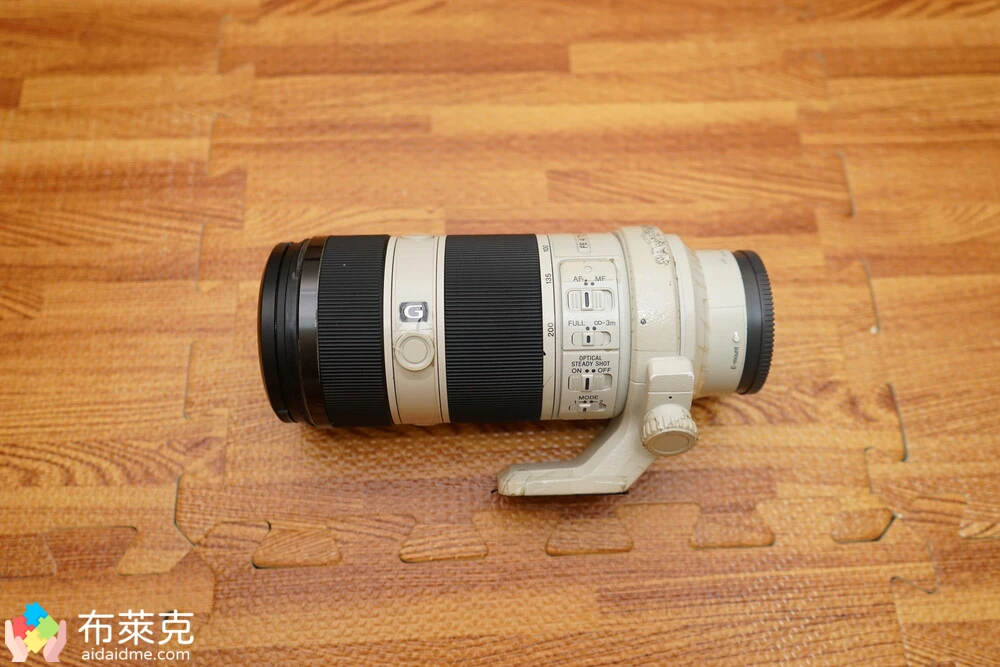
▲ Figure 4: Internal zoom lens (SEL70200G)
An internal zoom lens will not change the length of the lens barrel. The entire zooming action is hidden within the entire lens barrel. This will result in a longer lens and a heavier weight. The heavier the weight, the easier it is to feel sore hands after using it for a whole day, so you need to pay attention to this.
For rainy days, rainwater will hit the outside of the lens and it is more difficult to enter the inside of the lens, so the waterproof effect is better. If you want to know more lens types, you can refer to this article!
External zoom lens with tripod
We all know that tripods are very suitable for shooting time-lapse photography, night scenes, train tracks, fireworks… and other subjects.
I believe that if you are experienced in shooting, you must have experienced that after adjusting the composition, angle, light, and shutter, the picture becomes higher or lower after adjusting the focal length. This change in vertical field of view is most likely caused by the head-down condition caused by the external zoom lens.
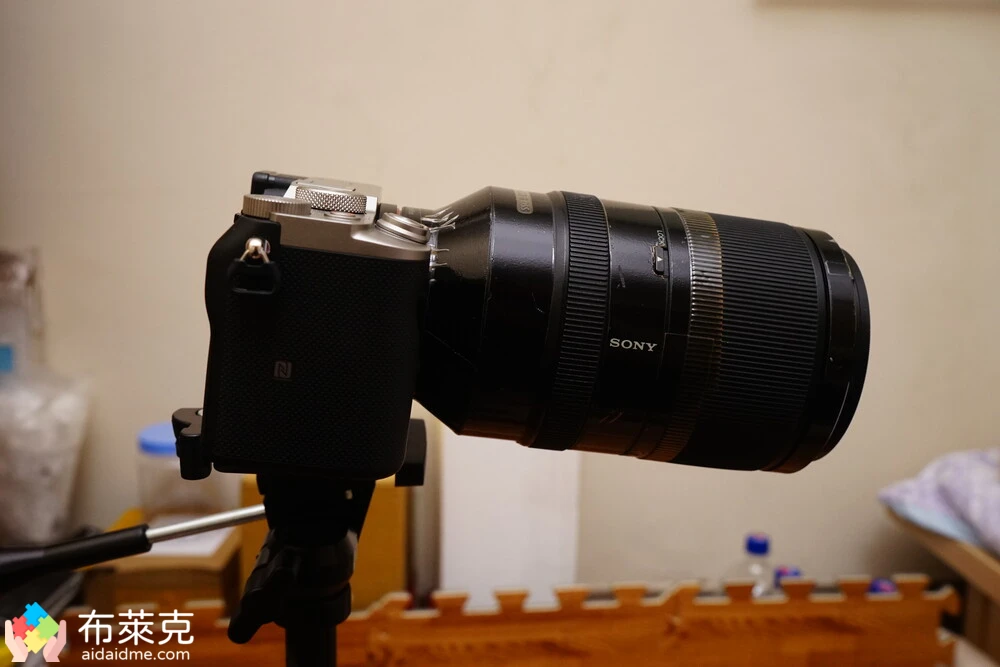
▲ Figure 5: The external zoom lens may hang down when connected to the tripod.
When adjusting the focal length, the center of gravity of the external zoom lens changes, which may change the composition and requires manual adjustment. The internal zoom lens is different. Regardless of whether it is the wide-angle end or the telephoto end, the center of gravity of the lens is almost the same, so there is less of a problem of the lens hanging down.
Telephoto lenses are often paired with a lens holder to prevent the lens from hanging down. For lenses that don’t come with a lens holder, just buy one and use it yourself! This will be much more convenient.
Conclusion
Among the current mirrorless lens groups, there are still quite a lot of external zoom lenses, especially wide-angle and standard lenses. Only telephoto lenses have more choices. In terms of current optical technology, internal zoom lenses are still quite large and heavy, which may not be that easy to modify. Can you accept this kind of internal zoom lens? Feel free to share your views with me.
If you like the above article, welcomeSubscribe to newsletter, and you will receive photography-related teaching articles!
by Engineer Blake
Source: KOCPC Chinese