


“If players buying the game does not mean owning it, then piracy is not theft.” Markéta Gregorová, a member of the Czech European Parliament, said this at the European Parliament plenary debate on May 21, instantly igniting discussion in the gamer community. The core issue of this debate is the European citizens’ initiative “Stop Destroying Videogames / Stop Killing Games”. This initiative has collected more than 1.29 million signatures from EU citizens and was officially submitted to the European Commission in February 2026.
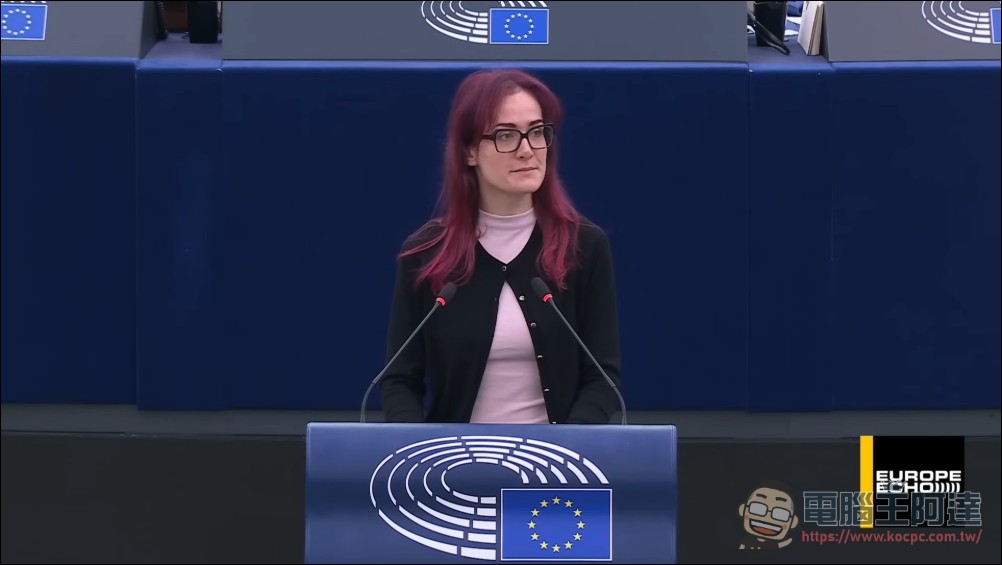
European MP blasts the game industry: “If buying is not the same as owning, then piracy is not theft.”
Gregorová emphasized that her words were not to whitewash piracy, but pointed to the core contradiction of the game industry that has existed for many years: publishers only need to “flip a switch with your finger” to make the products that consumers have paid disappear out of thin air, but the word “purchase” is still used in the store interface, which itself is a kind of deception to consumers.
Let’s start with the server closure incident of “The Crew”: How a game triggered millions of signatures
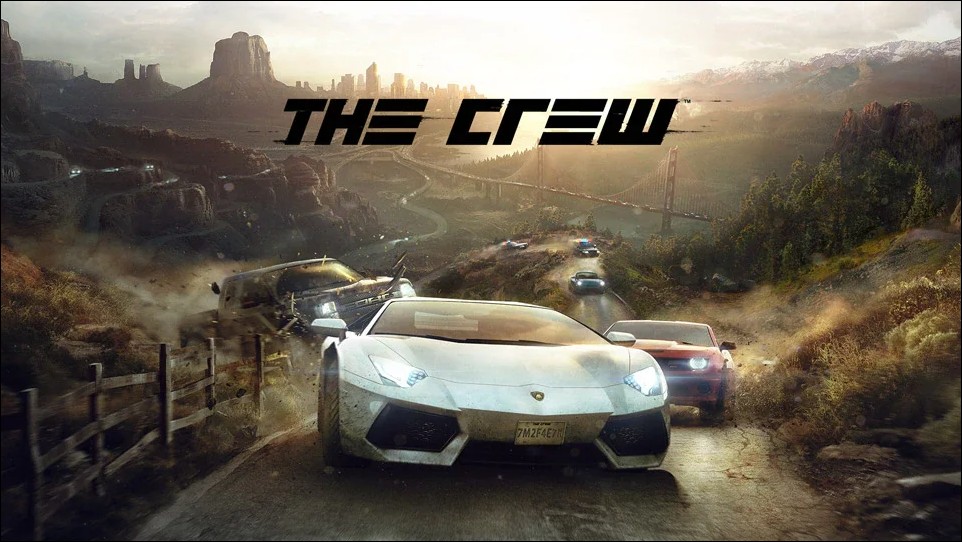
The trigger for the “Stop Killing Games” movement was Ubisoft’s announcement in December 2023 that it would shut down the servers of “The Crew” and remove the game from all digital platforms. Players who had purchased it would no longer be able to access the game. For this open-world racing game released in 2014, what players get after paying for the game is not the ownership of the game, but an “access authorization”. Once Ubisoft unplugs the server, this authorization will be useless.
YouTuber Ross Scott (channel Accursed Farms) is outraged, in 2024Launch of the “Stop Killing the Game” campaign, the core appeal is not to require game companies to maintain online services indefinitely, but to hope that manufacturers will at least retain offline mode, private server support or other methods after stopping operations, so that paid players can continue to experience the games they purchased.
Movement fermented quickly. In June 2024, the initiative was officially registered on the EU Citizen Initiative platform under the name “Stop Destroying Videogames” and exceeded the 1 million signature milestone in July 2025. By the end of August 2025, a total of 1,294,188 verified citizen signatures had been collected and officially submitted to the European Commission on January 26, 2026.
The “Purchase” Scam: A Black Hole for Consumer Rights in the Digital Age
For a long time, game companies have packaged “purchase” as “lifetime ownership” through service agreements, but in fact what players get is only “access rental rights” that can be revoked at any time. This is not just a problem for Ubisoft, but the norm for the entire digital gaming industry. The user terms of major companies such as Microsoft, Sony, and EA clearly state that the company has the right to terminate services at any time, leaving consumers with almost no recourse.
French consumer organization UFC-Que Choisir has filed a lawsuit against Ubisoft on behalf of French players, accusing it of violating consumer rights by shutting down The Crew servers. This is the first concrete legal action taken by the Stop Killing Games movement, and subsequent verdicts will have a profound impact on the entire industry.
Gregorová’s speech in parliament pinpointed this contradiction: when publishers can unilaterally revoke players’ right to “buy”, the word “buy” itself loses its meaning. If the things players spend money to buy can disappear at any time, what is the difference between this and “renting”? What’s the point of consumer protection laws if you can’t actually own what a merchant sells you?
European Parliament Debate: July will reveal the answer to the survival of the game
The European Parliament plenary debate on May 21 was a key milestone as the Stop Killing Games movement entered the legislative process. Lawmakers have fiercely debated whether EU consumer protection rules should cover the rights of players after the game is discontinued. Gregorová’s European Pirate Party officially endorses the initiative, and she is one of its signatories. “As a gamer myself, I signed up to this initiative. When game companies shut down their servers, players should not lose the content they have paid for,” she said.
Under the EU citizen initiative procedure, the European Commission has 6 months to respond after receiving an initiative. The final result is expected to be announced in July 2026, which will determine whether the EU will develop specific legislation on consumer protection for digital games.
Potential impact on the global gaming industry
If the EU finally passes relevant legislation, the impact will not be limited to the European market. The EU’s Digital Markets Act (DMA) and Digital Services Act (DSA) have proven that European regulatory measures often have a global demonstration effect. Once game publishers are required to retain offline mode or private server support in the EU market, it is likely that this requirement will be extended to the global market, just like GDPR drives global privacy protection standards.
For game companies, this means that end-of-life mechanics must be considered during the game design phase, rather than simply unplugging the power when the service ends. In the short term, it will increase game maintenance costs, but in the long term, it may also re-establish consumer confidence in digital purchases and promote the healthy development of the game industry.
Conclusion
The reason why Gregorová’s sentence “If buying does not mean owning, then piracy is not stealing” has caused such a big response is that it expresses the questions in the minds of countless players for many years. From the shutdown of “The Crew” to 1.29 million signatures, from a YouTuber’s one-person protest to a formal debate in the European Parliament, this movement has proven that consumer rights in the digital age are no longer a fringe issue.
In the digital age, the concept of “ownership” is being redefined, and the game industry’s long-standing practice of using loopholes in clauses to circumvent consumer protection has finally been formally discussed in the halls of the European Parliament. Regardless of the outcome in July, the debate has changed the power conversation between the games industry and consumers, making “digital ownership” an issue that regulators around the world can no longer ignore.
Source: KOCPC Chinese