


Previously in the AI field, NVIDIA’s GPUs were the undisputed king due to their high computing power and ecosystem moat, with nearly all major AI systems dependent on GPUs. However, according to a Reuters report, industry leader OpenAI has begun renting Google’s TPU AI chips to support the operations of its flagship product ChatGPT and other AI models. This marks not only OpenAI’s first large-scale adoption of non-NVIDIA chips for inference and training.
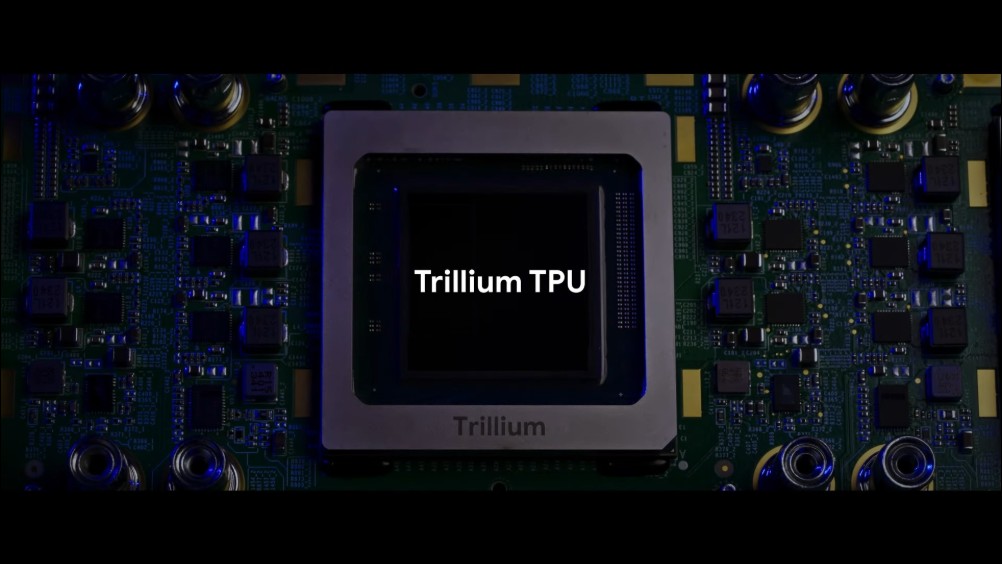
To reduce costs and increase efficiency, OpenAI has started using Google Cloud’s TPU AI cloud services.
OpenAI has long been one of NVIDIA’s largest enterprise customers for graphics processing units (GPUs), which are the core hardware used to train large language models such as GPT-4 and to perform inference computations. Inference refers to the process in which a model, after being trained, makes predictions and decisions when receiving new data, and it is key to the actual deployment of AI applications. However, faced with the ever-growing computational demands of AI models and the high costs of computing, OpenAI is also seeking to diversify its hardware supply sources. According to reports, OpenAI has recently begun collaborating with Google Cloud to rent its tensor processing units (TPUs), thereby reducing its reliance on NVIDIA chips and the data centers of its major investor, Microsoft.
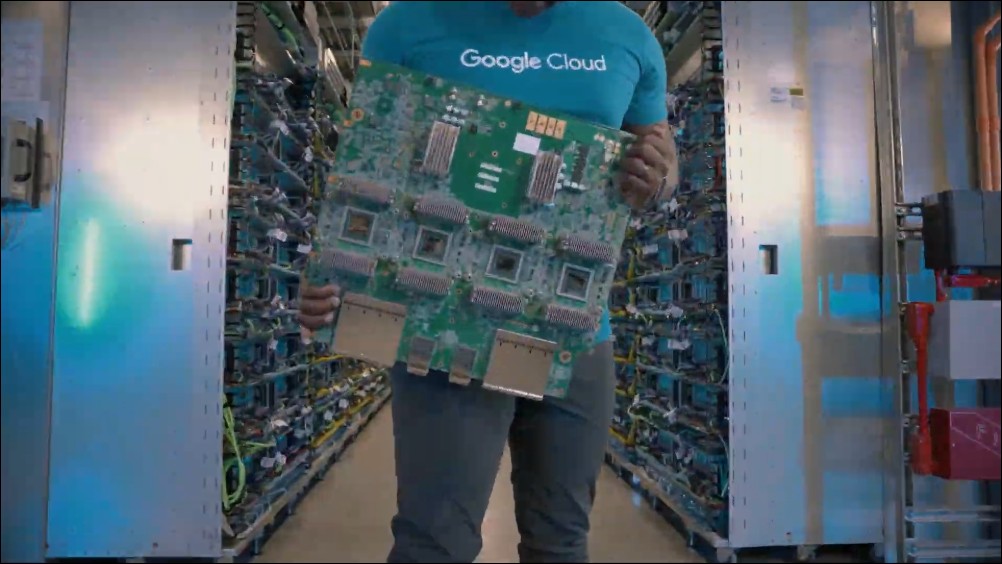
Google’s Tensor Processing Unit (TPU) is now broadly open to external users for the first time.
This collaboration between Google and OpenAI comes as Google actively expands external access to its TPUs.TPU It is an AI accelerator chip independently developed by Google, which for a long time was used only in internal products such as Google Search, YouTube’s recommendation system, and Bard (now known as Gemini). In recent years, however, Google has begun commercializing the TPU and offering cloud rental services to external customers.
This strategy has already attracted tech companies and startups including Apple, Anthropic (founded by former OpenAI members) and Safe Superintelligence as clients. OpenAI’s addition further consolidates Google’s competitive position in the AI cloud infrastructure market. According to reports, this marks the first time OpenAI has “meaningfully” used non-NVIDIA AI chips, and signals that it is gradually reducing its reliance on Microsoft’s Azure cloud platform. Notably, Microsoft is not only one of OpenAI’s largest shareholders, but also its primary cloud service provider.
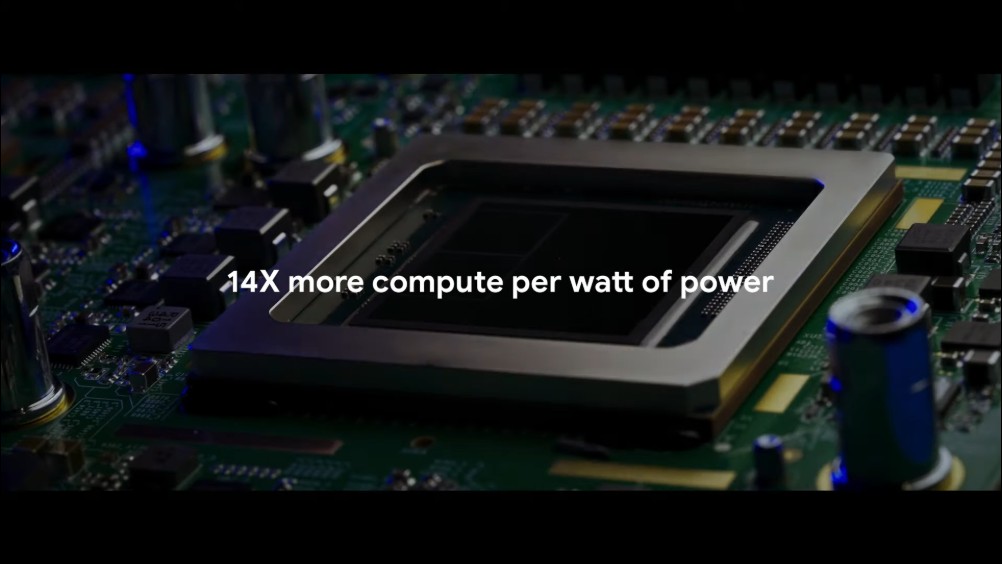
One of the core considerations behind OpenAI’s move is the hope of reducing computing costs during the AI model inference stage through TPUs. As ChatGPT usage surges, open API applications multiply, and enterprise customers adopt models for daily business operations, inference costs have risen rapidly, becoming a major financial burden on OpenAI’s service expansion. In comparison, Google’s TPUs offer higher energy efficiency and cost advantages in certain specific applications, especially in scenarios with large inference workloads and high model stability. However, according to reports, Google has not leased its most advanced TPU technology to OpenAI, indicating that the partnership still has boundaries and has not extended into core proprietary technology.
At their core, Google and OpenAI remain direct competitors in the AI space. OpenAI has led the generative AI boom with GPT-4 and ChatGPT, while Google continues to advance its Gemini models and its integrated AI ecosystem, including enhancements to Google Workspace, Android, and Search. However, this partnership highlights the increasingly close yet delicate interdependence between cloud infrastructure providers and AI service developers. For Google, attracting major AI customers—even competitors—to its cloud is part of a strategy to expand its cloud business and reduce the risk of cloud revenue relying too heavily on its own services.
Notably, against the backdrop of Google Cloud’s revenue continuing to lag behind Amazon AWS and Microsoft Azure, this strategy is nothing less than a way to break the deadlock. Attracting top-tier AI users like OpenAI is not only an endorsement of technical strength, but may also drive more AI startups to adopt Google’s TPU ecosystem, expanding its market penetration.
Challenges facing Microsoft and NVIDIA
This development may serve as a clear warning sign for Microsoft and NVIDIA. Microsoft has strongly supported OpenAI in the past, not only pouring billions of dollars in funding but also integrating its models into Azure and its products, such as the Copilot series. However, as OpenAI demonstrates greater autonomy, its choices regarding computing resources and strategic partners will gradually become more diversified.
For NVIDIA, while it remains the world’s leading AI chip supplier, chip supply shortages, high prices, and the trend of cloud providers developing their own chips are gradually eroding its market monopoly. The industry has begun to expand its use of Google TPUs, which may not yet pose a direct threat to NVIDIA, but it does show that viable alternatives have emerged in the market.
Source: KOCPC Chinese