


In science fiction novels and movies, flying cars and humanoid robot assistants have long been common sights; however, the real world is still some distance away from such a future. Even so, we are not without progress. Sweeping robots have quietly entered many homes and become an important partner in daily cleaning. For families with pets, they are even indispensable. However, like all home appliances, sweeping robots have a lifespan, require regular maintenance, and will eventually be replaced.
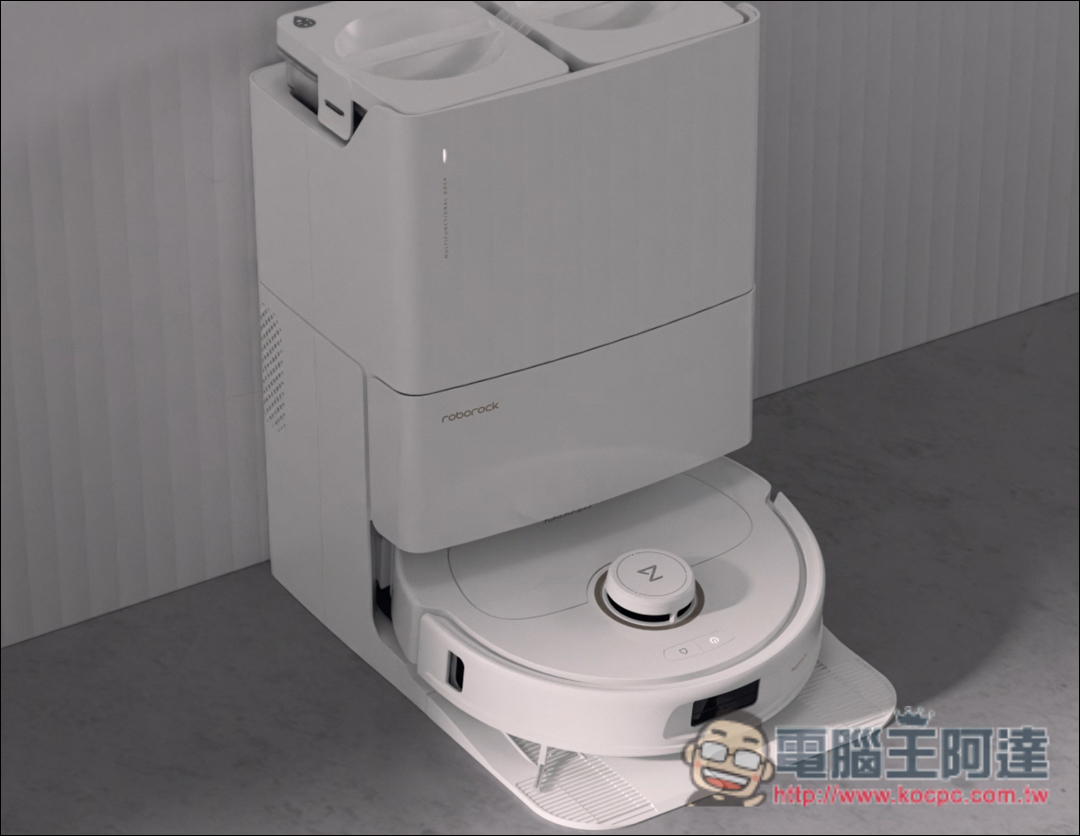
What is the average lifespan of a sweeping robot? How to extend the service life?
Generally speaking, the service life of a sweeping robot is approximately between four and six years. The actual length depends on the brand, workmanship quality, frequency of use and daily maintenance. Over time, you may find that it needs more frequent maintenance: shortened battery life, reduced suction power, worn wheels or brush sets, and slower sensor response are all common signs of aging. Although the durability of different brands does vary, users can still maintain the best condition of the robot for a longer period of time through good maintenance habits.
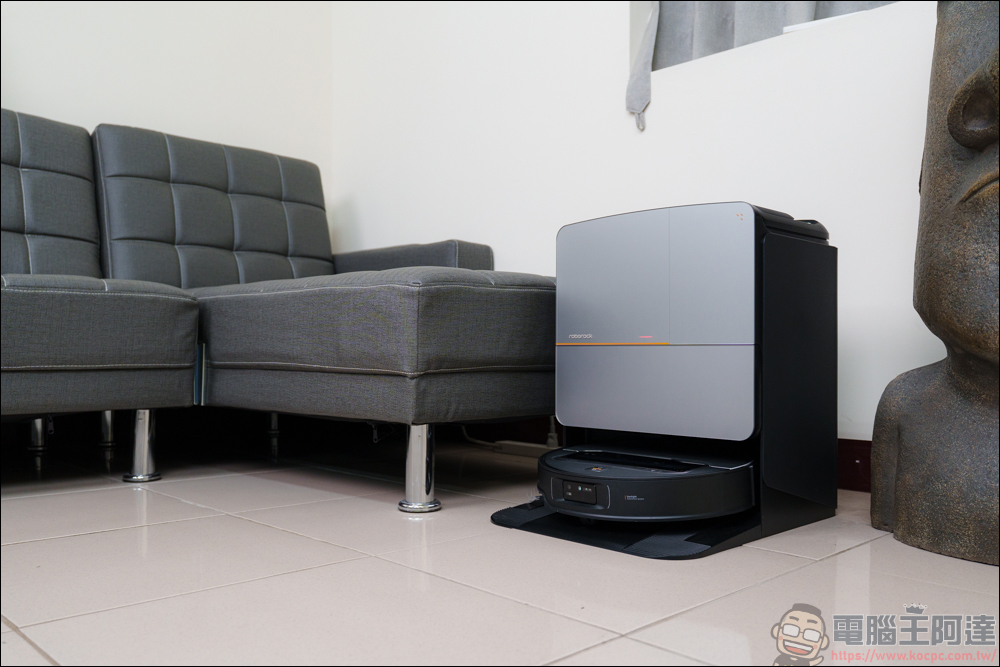
The factors that affect the life of a sweeping robot can be roughly divided into several categories. The first is workmanship quality. High-end brands usually use stronger materials and more accurate sensors, and the wheels, motors and brush heads are also more durable, so they can maintain stable performance over long-term use. The second is the frequency of use. Cleaning once a day and cleaning once a week will cause completely different wear and tear on the parts; brushes, wheels, motors and suction inlets will all accelerate aging due to high-frequency operation. In addition, the home environment itself will also affect the lifespan. For example, a larger house will allow the robot to walk longer distances every day, while a home with pets will more easily let hair get entangled in the brush set and wheel axle, increasing the need for maintenance.
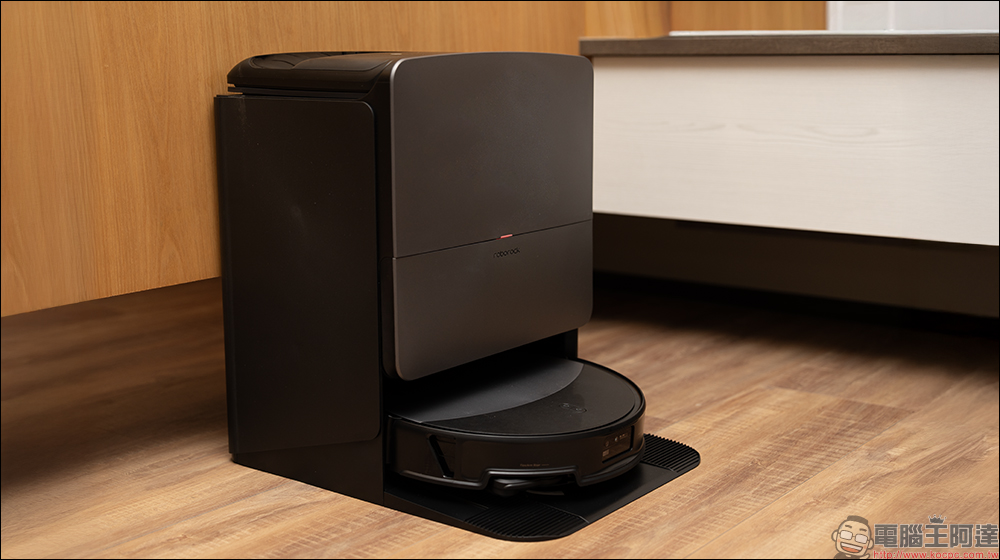
If you want to extend the service life of your sweeping robot, the most effective way is regular maintenance. It is recommended to perform a complete cleaning every few weeks: remove the main brush and side brush and remove tangled hair; check whether there is accumulation of debris in the suction port; clean the filter and replace it if necessary; confirm whether the wheels are not rotating smoothly due to dust jam. Many people will ignore the charging stand, but it also needs maintenance, and the metal contacts should be wiped regularly to avoid dust accumulation that affects charging efficiency. Some consumables such as filters, side brushes, main brushes or mops need to be replaced every few months. It is best to use original or certified accessories to ensure compatibility and durability.
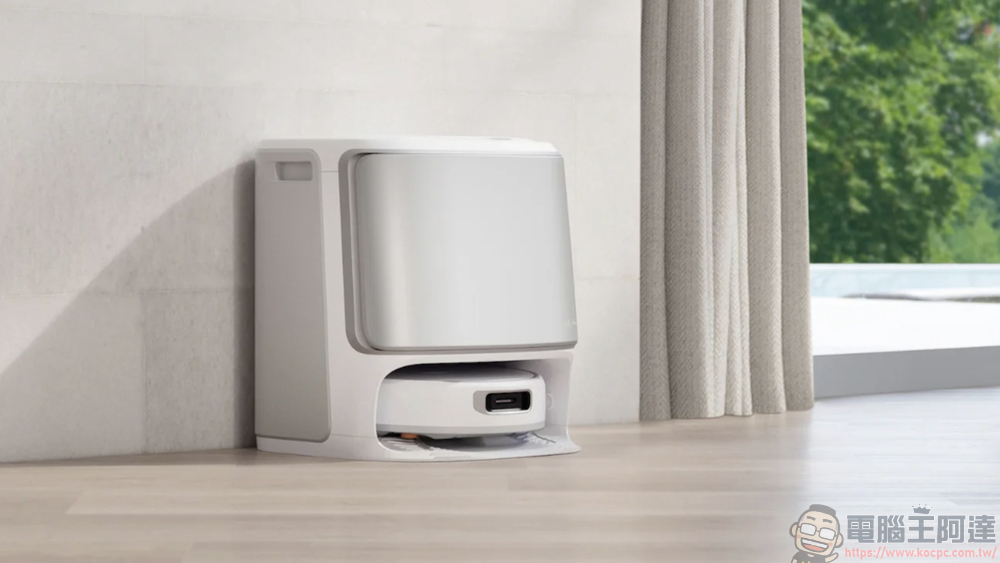
In addition to hardware maintenance, the usage environment and charging habits will also affect the lifespan. It is recommended that the sweeping robot be placed in a cool and dry place for charging and avoid being exposed to sunlight for a long time to avoid overheating of the battery or aging of the casing. Before each use, it is best to ensure that the battery is sufficient and avoid forced operation in a low battery state. Also, don’t forget to check for software updates regularly. Many brands will improve navigation logic, improve performance, fix bugs, and even optimize battery management through firmware updates, so that robots can complete cleaning tasks smarter and more power-saving.
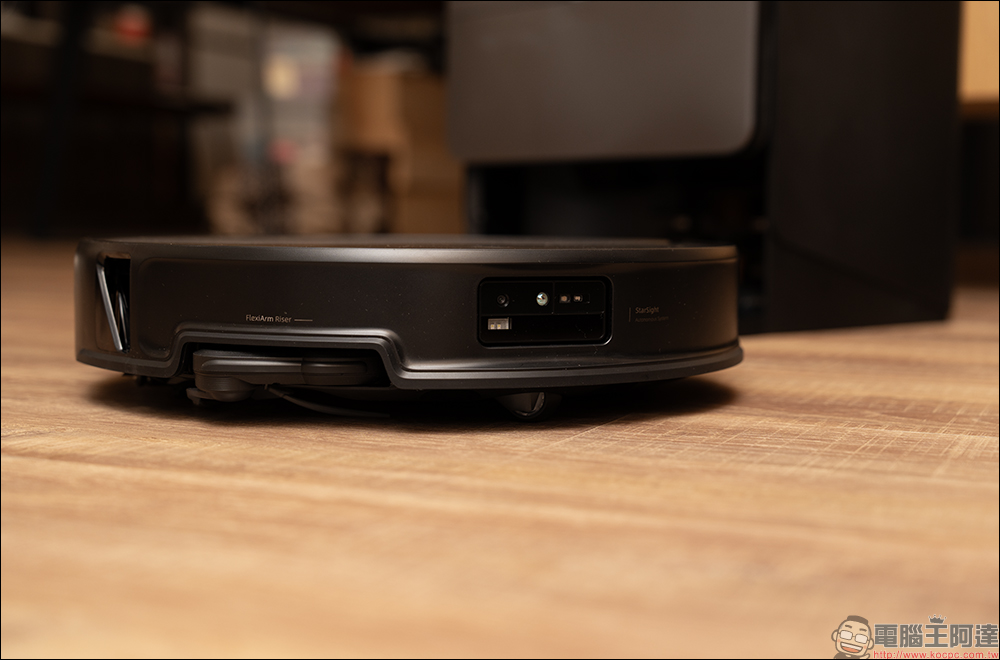
Although we are still some way away from a true “home robot assistant,” technology is often evolving faster than we think. Perhaps in the near future, sweeping robots will no longer be just tools for vacuuming and mopping the floor, but will gradually evolve into all-round assistants that can hold vacuum cleaners, fold clothes, wash dishes, and even open the door for you when guests ring the doorbell. As we step closer to the era of flying cars, the small sweeping robots at home may also be the starting point of that future.
Source: KOCPC Chinese