


Among the Sony E-mount full-frame lenses, the most affordable entry-level telephoto cannon is FE 70-300mm f/4.5-5.6 G OSS This is it. It is a Sony G series lens, and it is top-notch in terms of bokeh, image quality, focus speed, and even design. How does this lens perform? Is it worth buying? Let me test it directly for you. Let’s get to the topic right away!
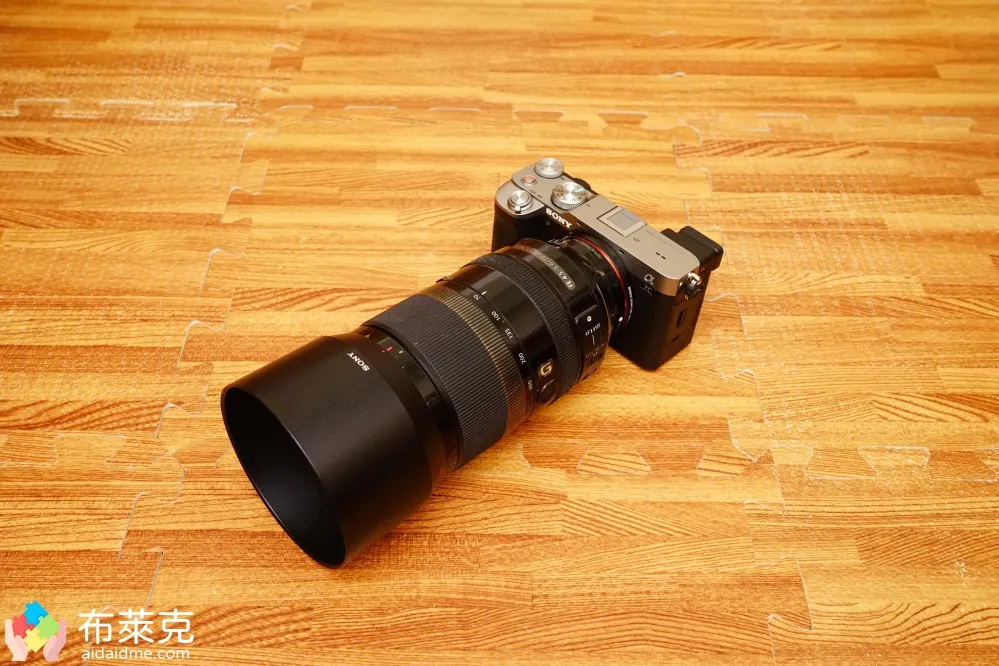
▲ Figure 1: Today’s protagonist is SEL70300G
If you think the content of the article is helpful to you, thenSubscribe to my contentBar! It’s free! When I publish a new article, it will be pushed to your inbox immediately. This is the easiest and most convenient way to encourage me!
Sony FE 70-300mm f/4.5-5.6 G OSS Pros and Cons Analysis
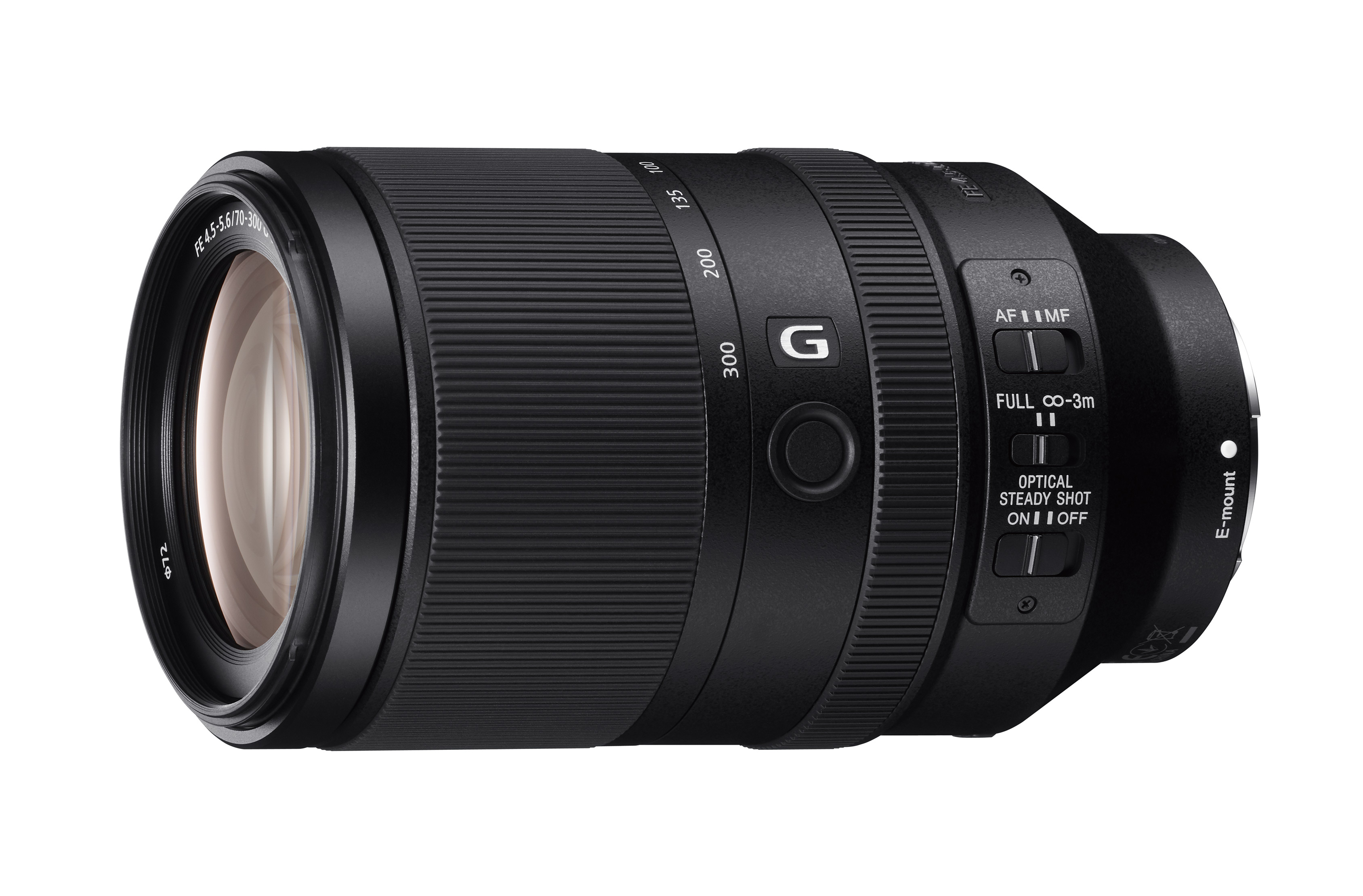
SEL70300G telephoto zoom lens/from Taiwan Sony official website
Price NT$ 35,980
Position similar shots
Sports events, wildlife, wedding photography, travel photography…etc.
- Full frame E-mount lens
- Weight is 854g
- 0.9m shortest focusing distance
- 0.31x maximum magnification
- 72mm lens diameter
- round hood
- Anti-shake
- Dust-proof and drip-proof design
- Using a lens group of 16 elements in 13 groups
- 2016.03.29 Public sale
- Focusing is very quiet
- Good image quality at all focal lengths
- Anti-shake
- Has action buttons
- Cannot use teleconverter
- It is not easy to turn the zoom ring when the lens hood is installed backwards
- weight too heavy
- Aperture value drops quickly
The above advantages and disadvantages are partly based on personal subjective feelings, please consider and refer to them!
Lens appearance and function introduction
The SEL70300G is the same as many Sony lenses. The lens body adopts an all-black design. Although it is quite textured, elegant, and relatively durable, it does not look much different. There is a letter G on the side, indicating that this lens has high resolution and good-looking bokeh. The official price is 35,980 yuan.It’s rare to be able to buy a telephoto lens and a G lens at a relatively cheap price.。
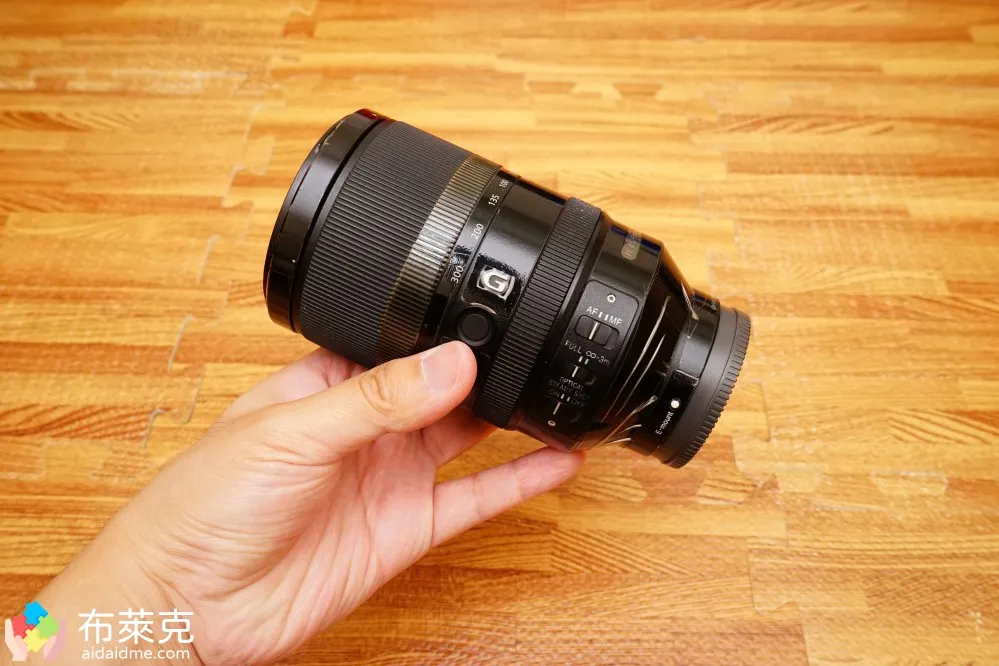
▲ Figure 3: Retaining Sony’s consistent all-black lens body
Without the lens cap, the weight of the lens is 854g, which is already a bit heavy, but after all, there are 16 optical lenses, so it is normal for it to be heavy. After adding the lens hood and Sony A7C, the weight reaches 1432g, which is quite heavy in the hand.
The SEL70300G adopts an external zoom design, which means that the overall length of the lens will become longer when zooming. If the lens hood is installed, the longest length is 31 cm. Even if it is shortened to the shortest, the overall length is 25 cm. For a long gun, this length is very short, which will increase the willingness to carry it out!
| Lens only (without front and rear covers) | Lens + body | Hood + lens + body | |
| Weight (g) | 854g | 1385g | 1432g |
| Length (cm) | Telephoto end: 20.4cm Wide angle end: 14.4cm |
Telephoto end: 26cm Wide angle end: 20cm |
Telephoto end: 31cm Wide angle end: 25cm |
▲ Table 1: Lens weight and length/body is Sony Alpha 7C
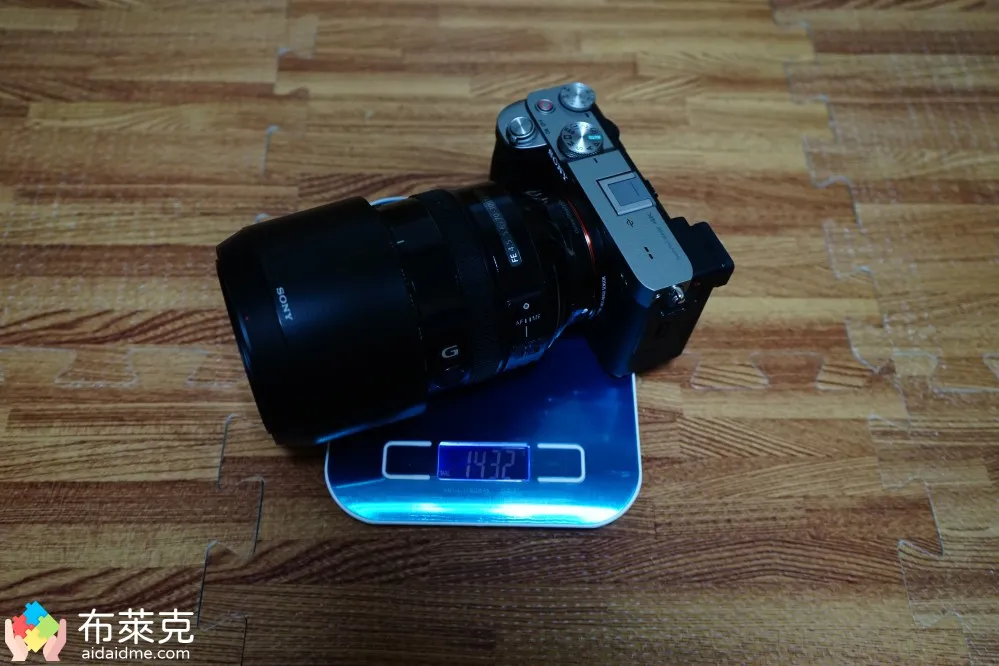
▲ Figure 4: Weight of camera body and SEL70300G lens (including lens hood)
The total length of the lens is 14.4 cm, the lens diameter is 72mm, and the diameter is the same as FE 70-200 mm f/4 G OSS (SEL70200G) consistent.
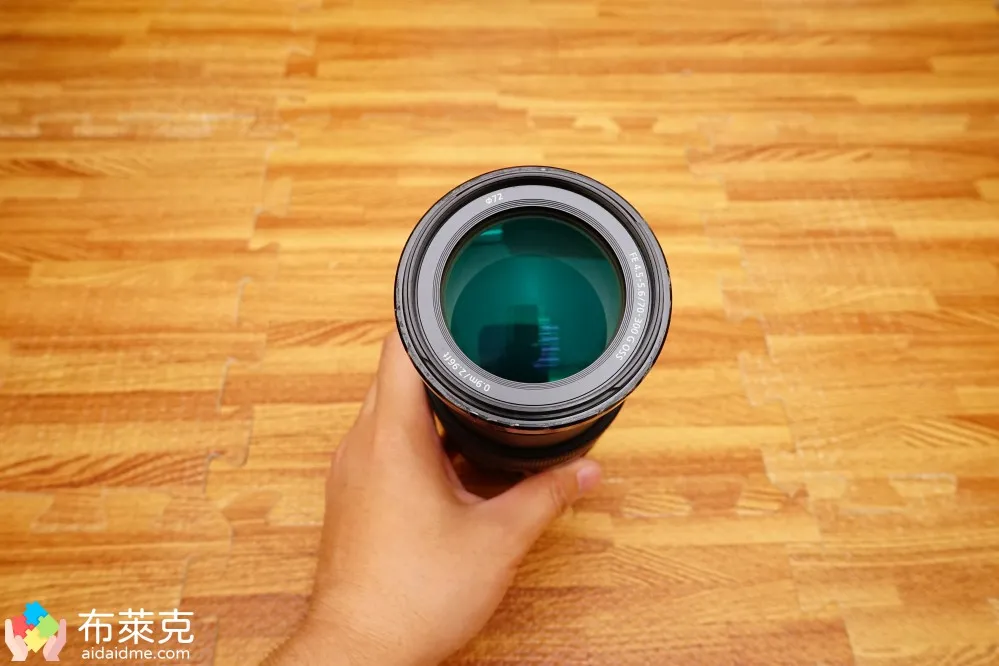
▲ Picture 5: Jade in front of the camera
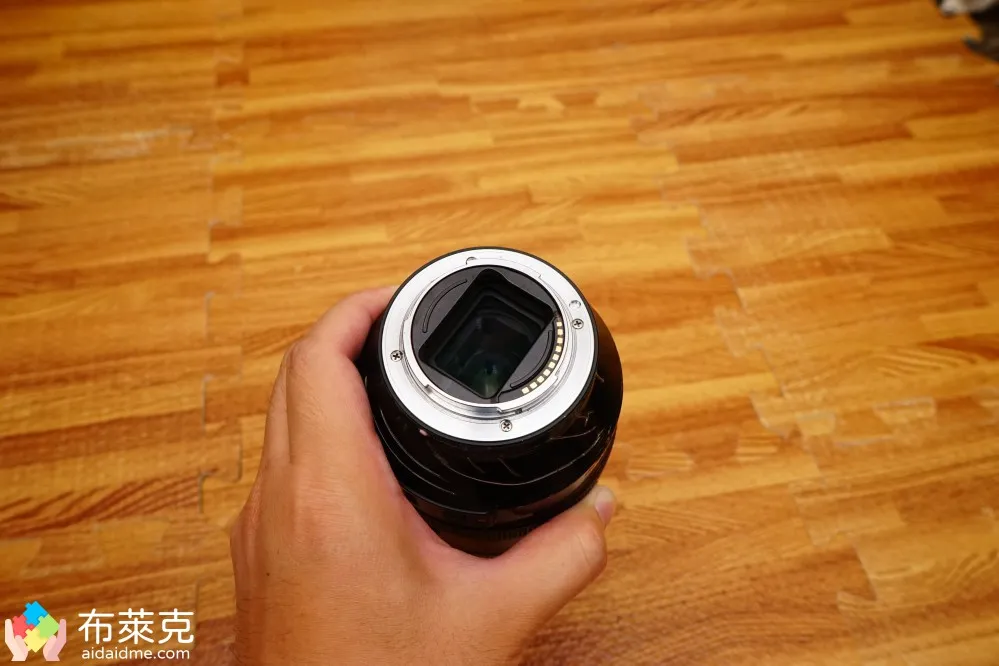
▲ Picture 6: Jade behind the lens
The SEL70300G lens adopts an external zoom design to reduce the size. and FE 70-200 mm f/4 G OSS (SEL70200G) Designed for internal zoom, the overall length will not change no matter how you turn the zoom ring. When the two lenses are turned to their furthest focal length, there is about a 3cm difference in height.
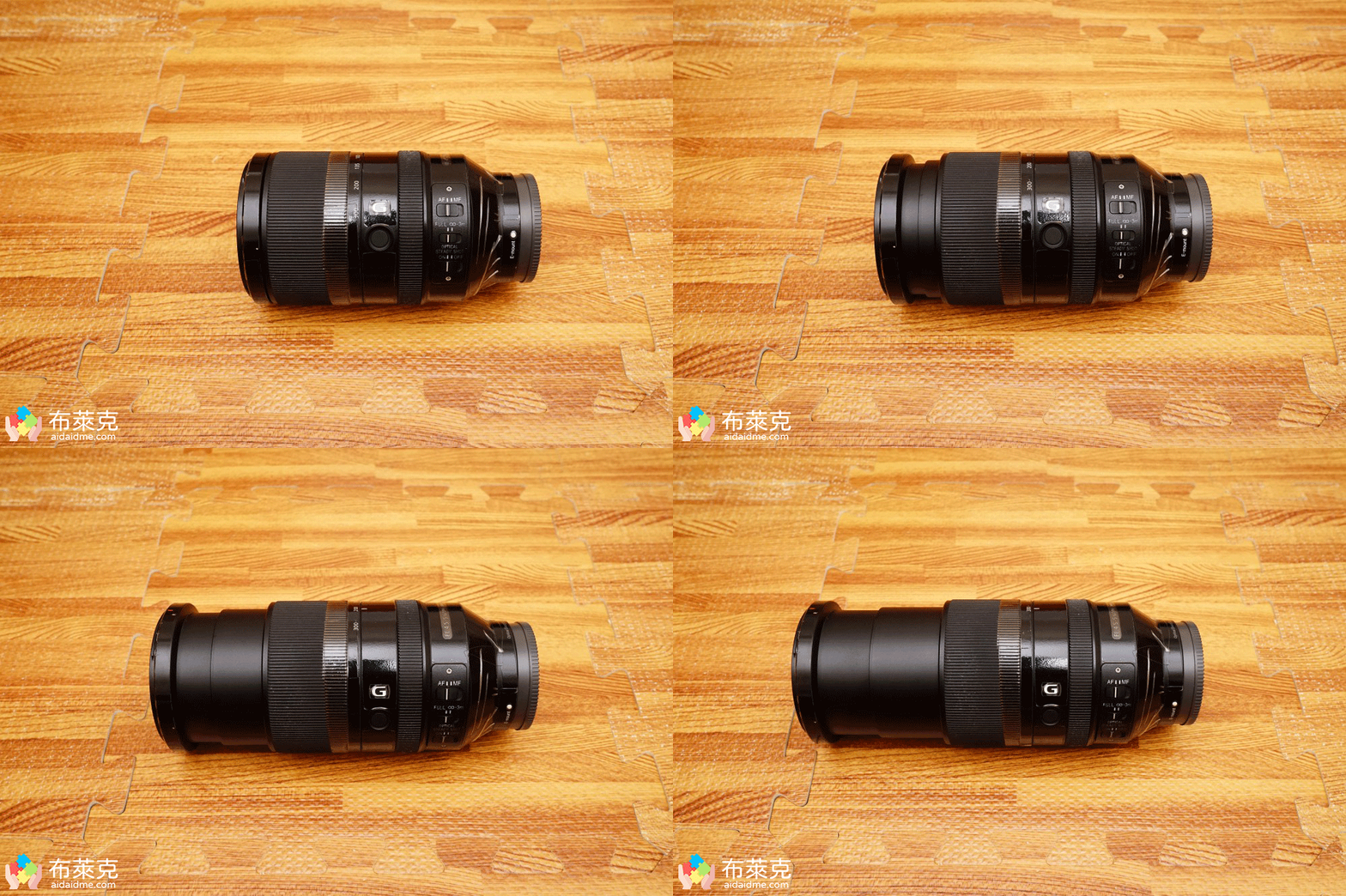
▲ Figure 7: SEL70300G is an external zoom lens
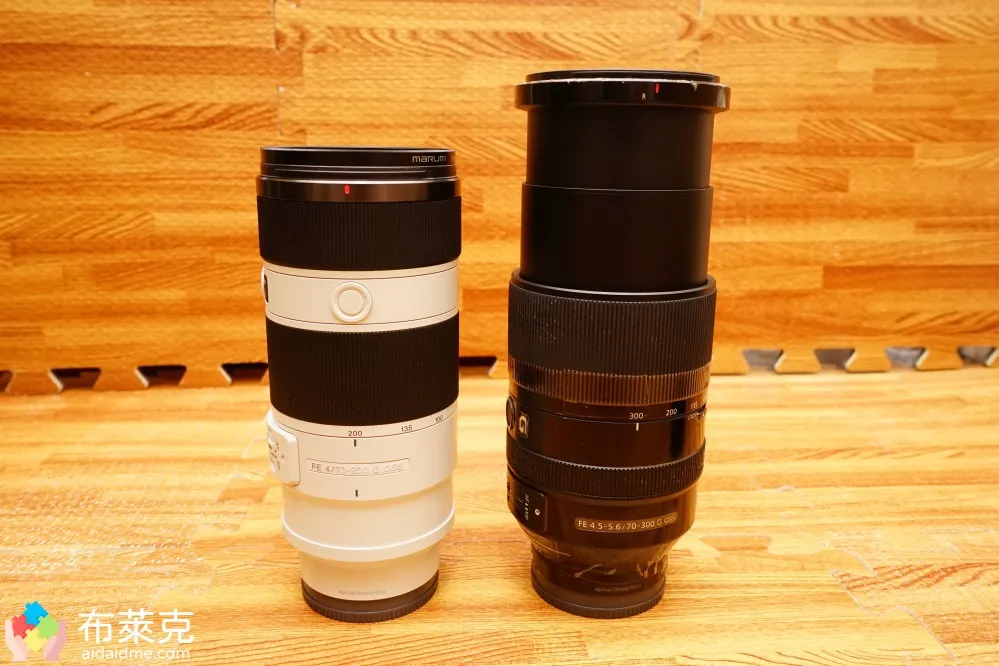
▲ Figure 8: SEL70200G is an internal zoom lens, with a difference of 3 cm
However, there is one thing that bothers the editor. I don’t know why Sony designed the zoom ring close to the front lens.After reinstalling the lens hood, you will find that you can’t see the zoom ring at all., let alone turning it. This will definitely reduce the desire to carry a sunshade when you go out.
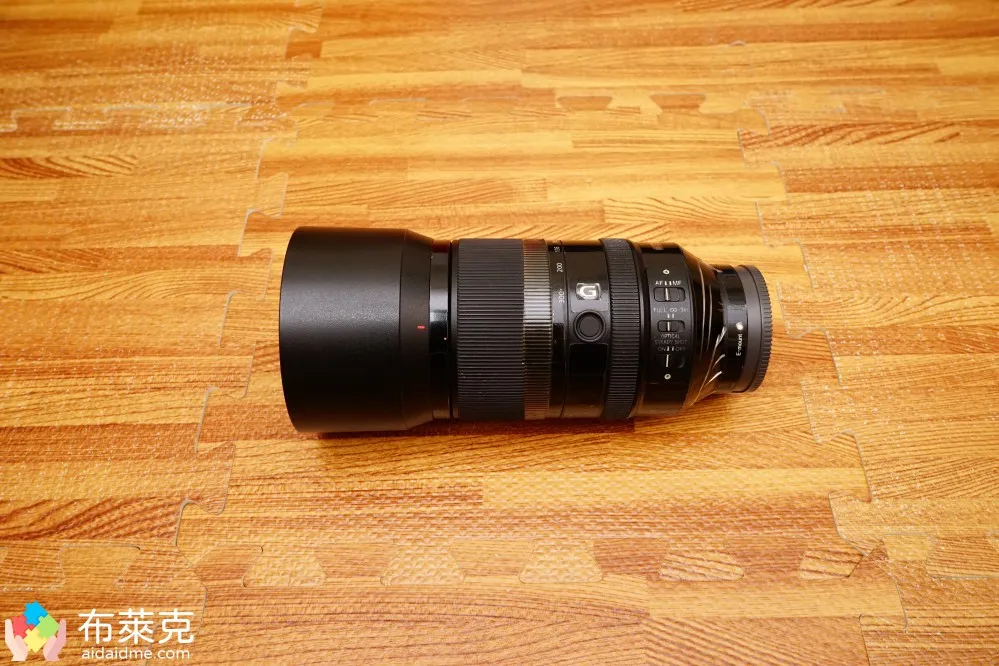
▲ Figure 9: SEL70300G with lens hood installed
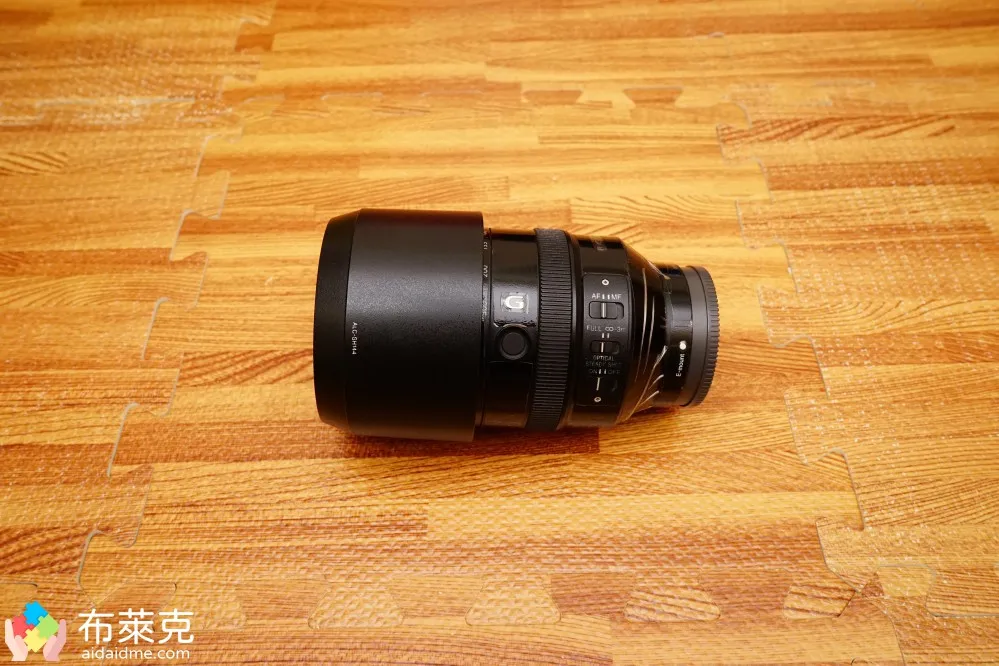
▲ Figure 10: Installing the hood backwards will affect the rotation of the zoom ring
From the lens composition diagram, you can clearly see that there are two lenses in the rear jade part quite close to the bottom, soThis SEL70300G lens cannot be mounted with a teleconverter, neither 1.4X nor 2.0X teleconverters will work!
Lens composition/from Taiwan Sony official website

The lens appearance has several practical functions, which are detailed below:
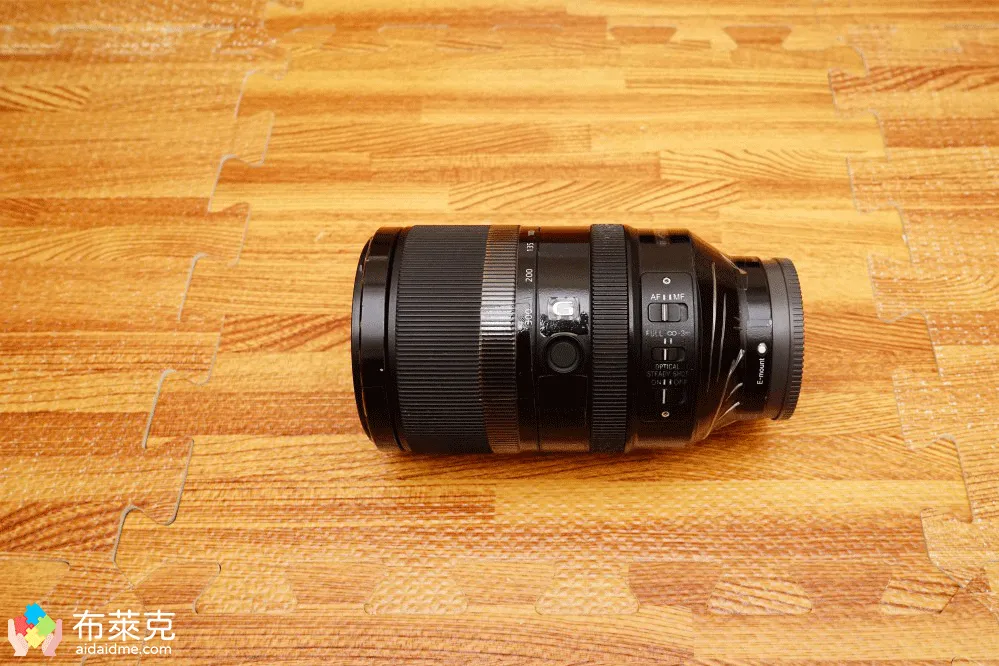
▲ Figure 12: Lens physical operation button
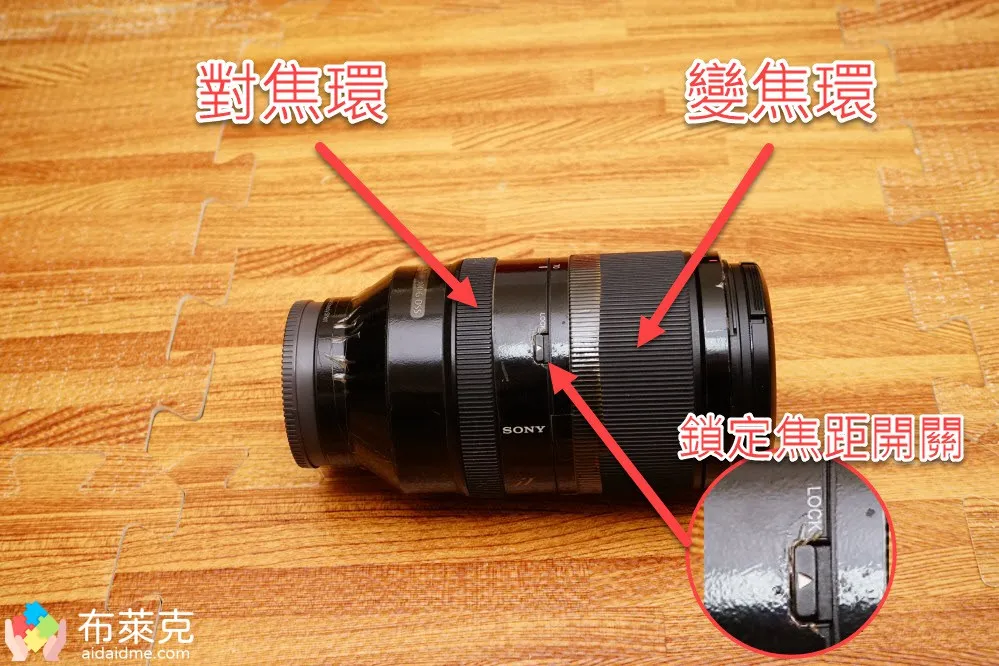
▲ Figure 13: Lock focus switch and focus and zoom ring design
Focus switch
You can adjust automatic or manual focus directly from the lens without having to set it in the camera. When manual focus is started, you can directly turn to the focus ring on the lens, so that you can freely change the focus point.
Focus range limiter
Under normal shooting conditions, you can adjust the lever to the FULL position, which means that the camera will focus from the minimum focusing distance (0.9m) to infinity. If the subject you want to focus on is 3m away, then adjust the lever to the “infinity-3m” position, so that objects less than 3m away will not be in focus, improving focusing efficiency.
Anti-shake switch
Anti-shake function can be quickly turned on or off.
focus lock button
This button can be used to lock the current focus distance by “pressing and holding it”, and the focus distance will not change even in autofocus mode.
Lock focus switch
When it is set to LOCK, the zoom ring will not expand or contract when you turn it, and the current focus distance can be locked. It is very convenient whether used for storage or fixed focus.
Aperture and focal length relationship
Because the SEL70300G is a floating aperture lens, the aperture size changes with focal length. According to the editor’s tests, the maximum and minimum apertures of each focal length are as shown in the figure below.
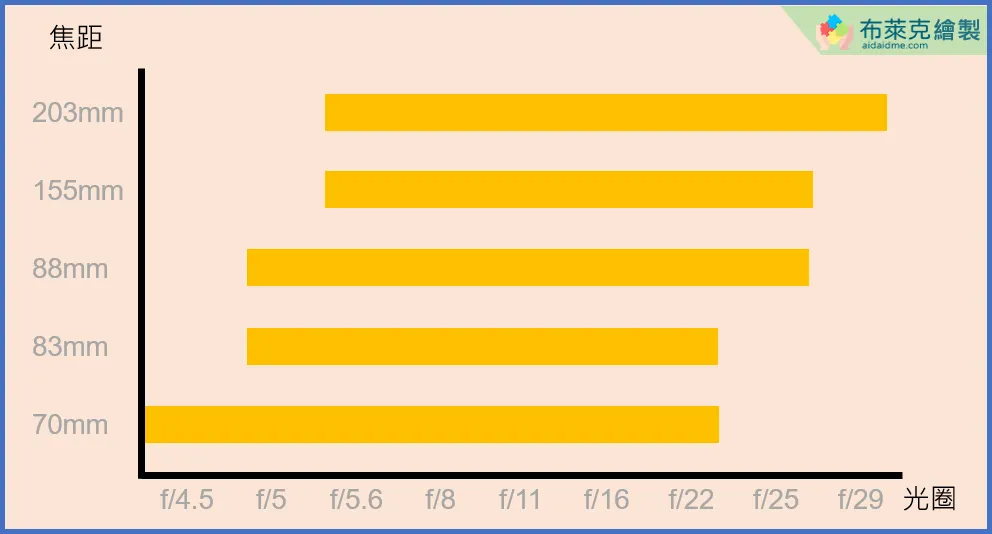
▲ Figure 14: SEL70300G aperture and focal length relationship
When the focal length reaches about 155mm, the maximum aperture is only f/5.6. This means that about half of the focal length (155-300mm) of this lens can only be shot at the maximum aperture of f/5.6. It really drops a bit fast!
Actual test comparison
- 本次使用的機身是 Sony Alpha 7C,統一使用 2,400 萬畫素 X.Fine,風格設定為 Std +0+0+0,不使用動態範圍最佳化 (DRO),不使用任何相片風格檔。
- 多數測試時都有使用三腳架,並用 ISO 100 的感光度獲得乾淨的相片,並啟用鏡頭補償。
▲ Figure 15: Tested using Sony A7C + SEL70300G
Image quality comparison test
畫質就是用來評定一顆鏡頭好壞的重要指標。除了畫面中央的畫質之外,這次也會評論邊角的畫質。
The maximum aperture of this lens is f/4.5, so the aperture is not that big. At the same location, angle of view, and focal length, the editor gradually narrowed the aperture, and then enlarged the entire photo at 1:1 to take a closer look at the image quality. The same composition will be done once at the wide-angle end and once at the telephoto end. Although the lens can be shot at 300 mm, this time the telephoto end is shot at 200mm. You can take a closer look at the image quality.
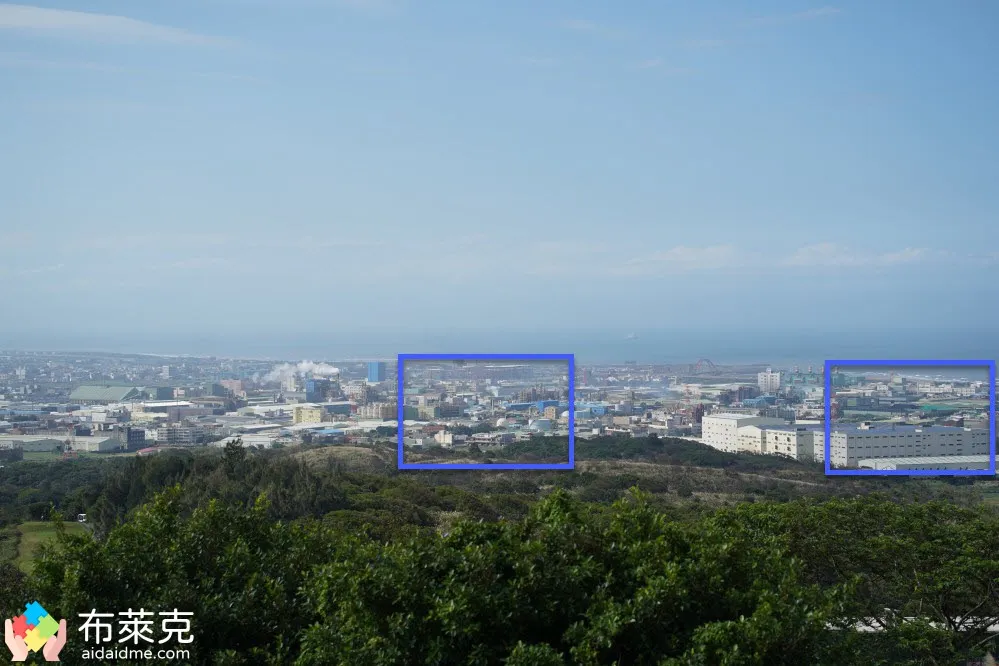
▲ Figure 16: Wide-angle end (70mm) cropped center and corner images
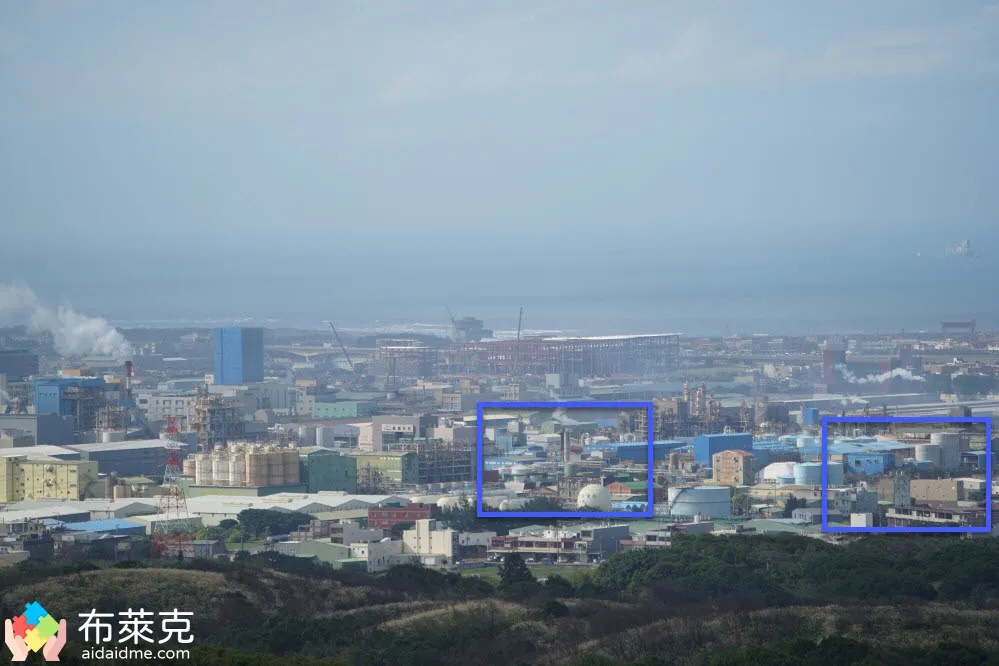
▲ Figure 17: The center and corners of the image are cropped with a focal length of 200mm.
The one on the left is the image quality in the center of the screen, and the one on the right is the image quality in the corners of the screen. If you think the picture below is a bit blurry, you can check out the more detailed version provided by the editor! Since the image file is large, please wait a moment while loading!
Let’s take a closer look at the wide-angle end (70mm) first!
- Wide-angle end (70mm) more detailed image quality comparison
- View link:Go here
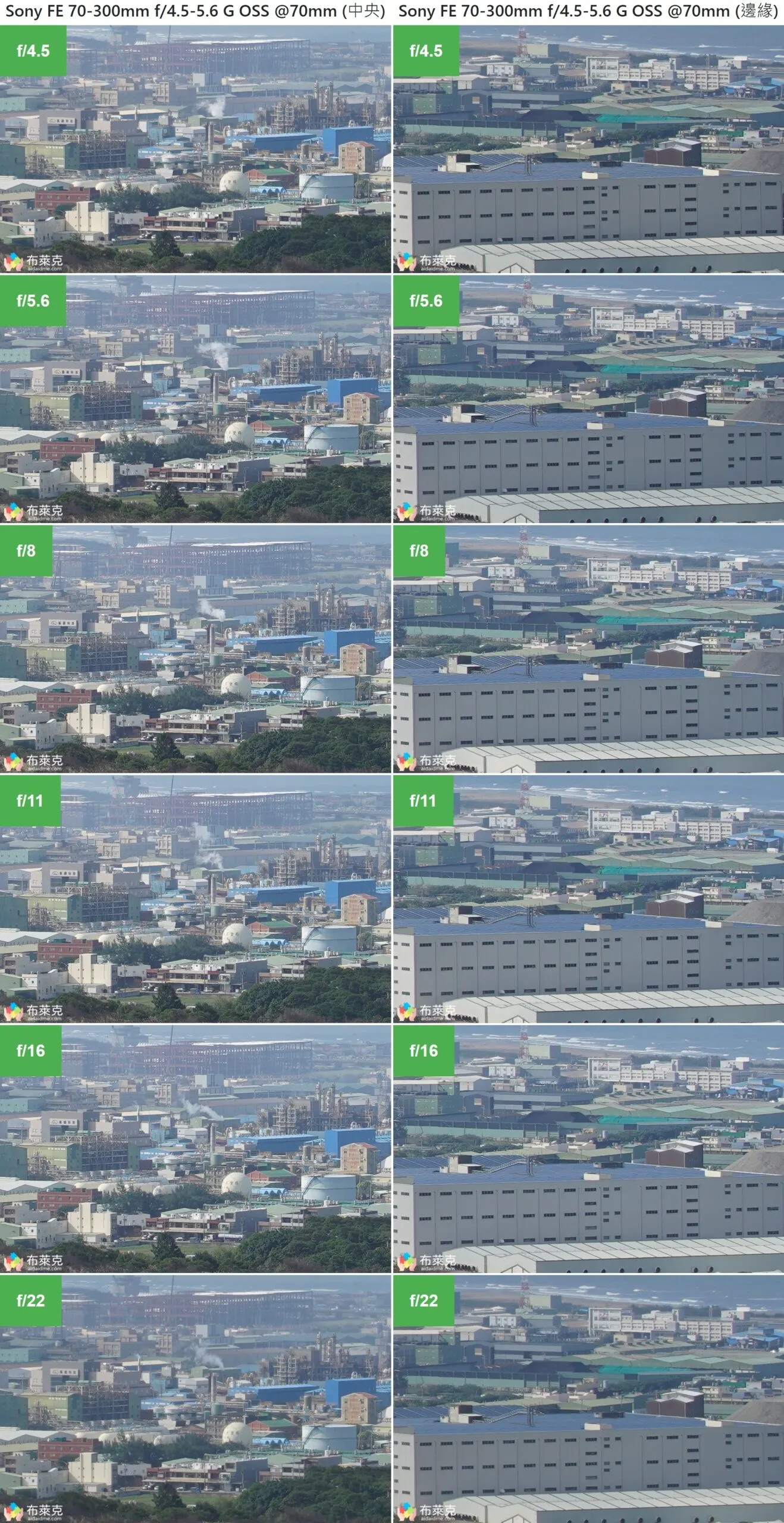
▲ Figure 18: Wide-angle end (70mm) image quality comparison test
The air quality on the day of shooting was not very good, and it did not look very transparent. For example, the buildings on the distant coast were a bit unclear, which affected the judgment to some extent. Generally speaking, the best image quality will be around f/8-f/11, but judging from these photos, the difference itself is not very big. Within the range visible to the naked eye, the editor subjectively believes that f/22 is the worst, and the image quality at other apertures is pretty good.
The difference in image quality is not very obvious from the edge. It is also considered that the aperture f/22 is the worst.
Let’s take a look at the image quality when the focal length is set to 200mm!
- Telephoto end (200mm) more detailed image quality comparison
- View link:Go here
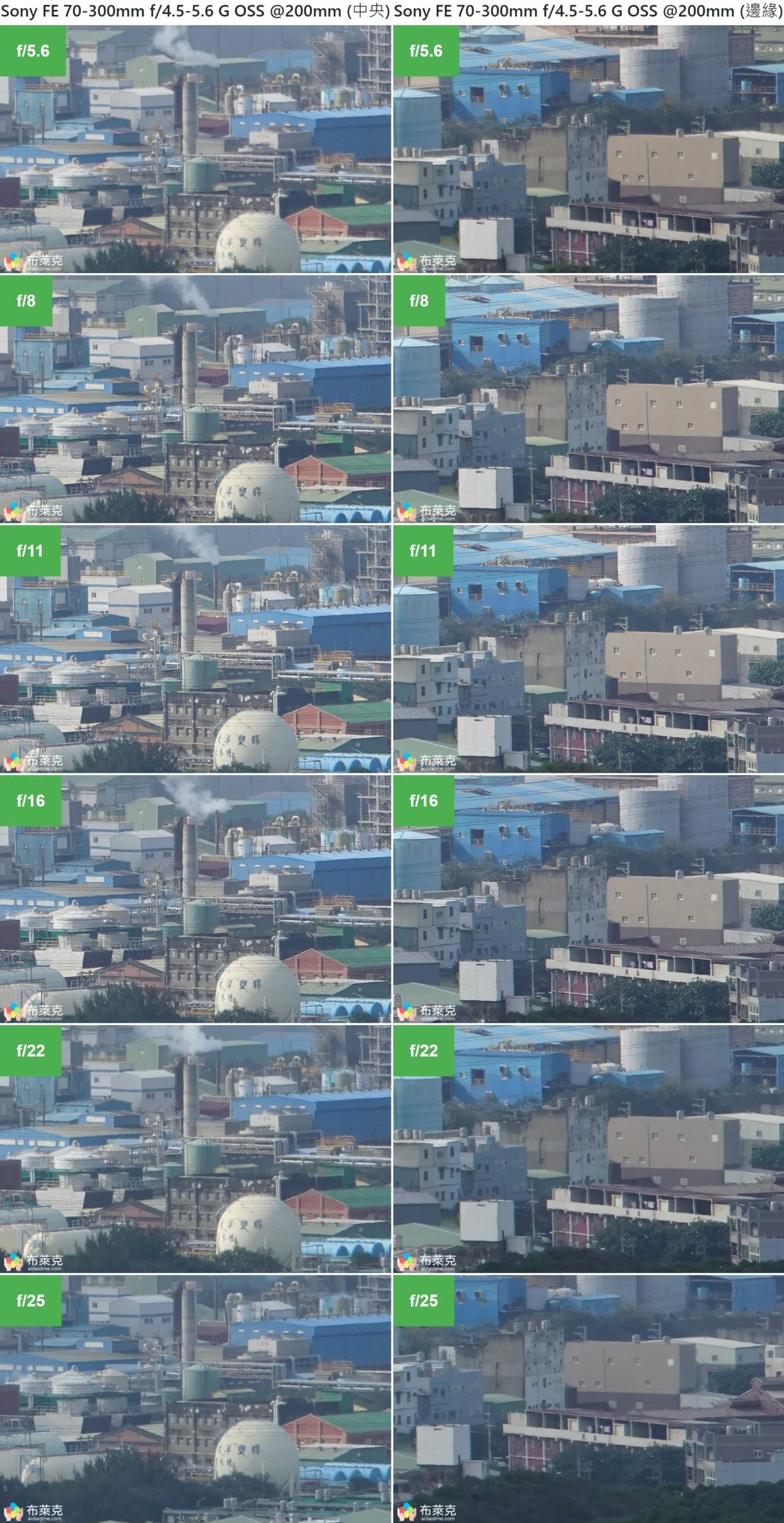
▲ Figure 19: Telephoto end (200mm) image quality comparison test
At 200mm focal length, the maximum aperture is f/5.6 and the minimum aperture is f/25. Let’s start with the image quality in the center. The sewage tank in the picture is the clearest at f/8. You can feel the image quality has deteriorated at f/22, but you have to look carefully to find it. It’s hard to spot without comparing them together.
Next, look at the edge image quality. Also at the aperture f/22, you will find that the blur value has dropped, giving a feeling of fog. The image quality at other apertures is pretty good.
Vignetting test
暗角算是一種拍攝風格,通常攝影師會用來屏除畫面上邊緣的干擾,使相片更有藝術感。不過要拍攝產品照時,畫面邊緣有暗角是挺困擾的事情。
The following picture was taken against a wall. The editor gradually reduced the lens’ aperture from the maximum f/4.5 to f/22.
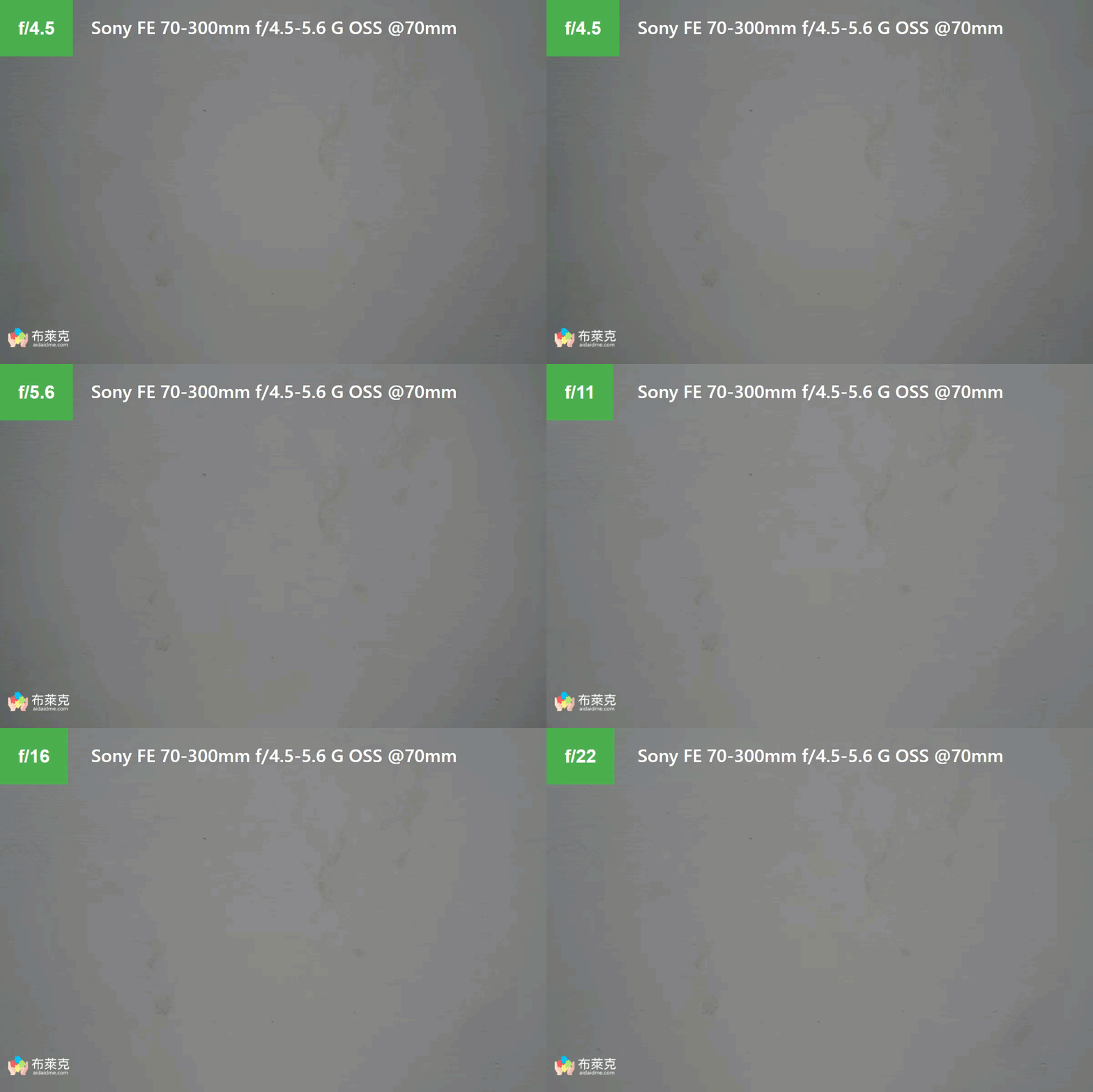
▲ Figure 20: Vignetting test
When the aperture is f/4.5, there is a circle of darkness around the photo. This is a problem caused by vignetting. When the aperture is stopped down to about f/8, the problem of vignetting is greatly improved.
Dispersion test
逆光情況下鏡頭通常會出現色散的狀況,也是衡量鏡頭品質的指標,高階鏡頭都有色散抑制的光學鏡組,也就是常聽到的超低色散 (ED) 鏡片。
This time we also used tree branches to test the problem of dispersion, and also cropped out the image quality at the center and edges for comparison.
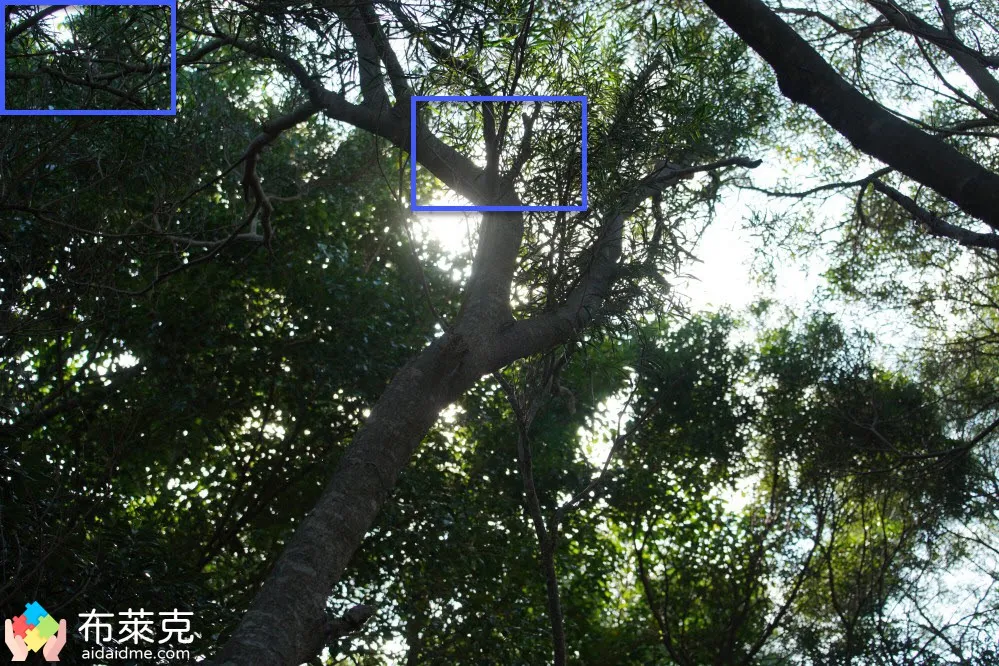
▲ Figure 21: A picture of the center and corners cropped to test the dispersion problem
The one on the left is the image quality in the center of the screen, and the one on the right is the image quality in the corners of the screen. If you think the picture below is a bit blurry, you can check out the more detailed version provided by the editor! Since the image file is large, please wait a moment while loading!
- More detailed image quality comparison
- View link:Go here
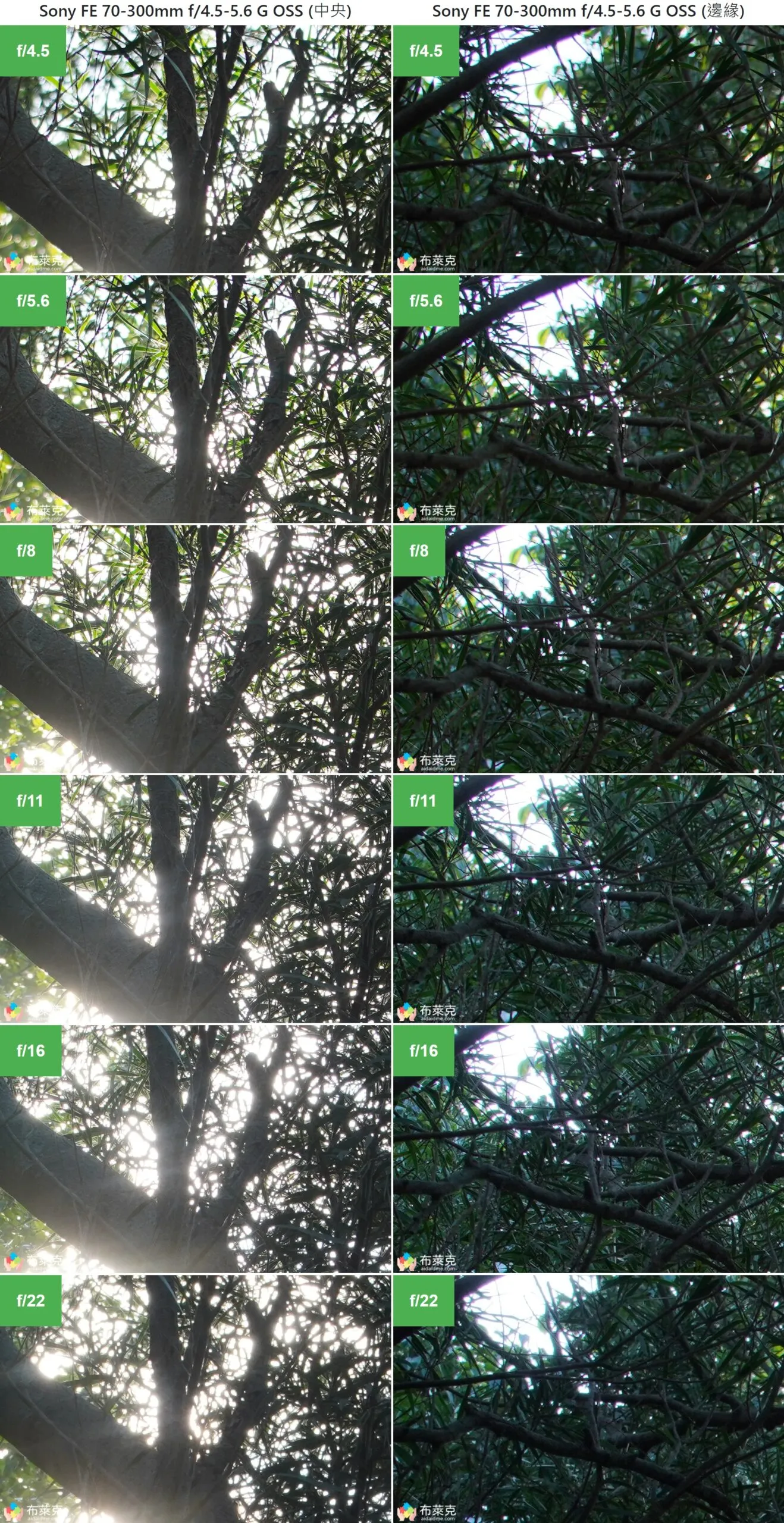
▲ Figure 22: Dispersion test
Although the lens is equipped with two extra-low dispersion (ED) lenses, chromatic dispersion can still be observed. For example, at an aperture of f/4.5, you will see purple edges on the edges of the branches in the frame, which is commonly known as “purple fringing” (as in the upper right corner of the picture).
However, under the same aperture of f/4.5, the editor only found that there was purple fringing in this corner of the edge, and there was no purple fringing in the remaining areas.
If you want to suppress the purple fringing problem, then adjust the aperture a little smaller, probably to f/11. There will be almost no purple fringing problem in the entire photo.
Actual shooting and usage evaluation
The editor originally planned to use this lens to shoot airplanes, but the distance from the airplane was still too far, so the results were not very good. However, paired with the Sony Alpha 7C body, the focusing speed is very good and there is no sound at all.
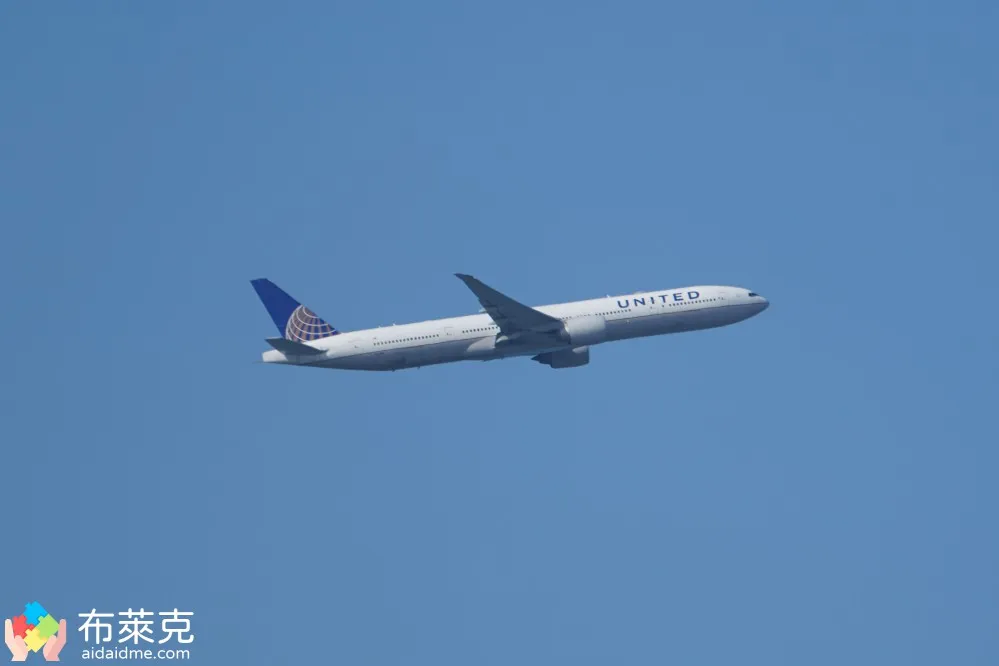
Using a telephoto lens to track the aircraft, aperture f/5.6/shutter 1/1250 sec/ISO 100, straight out of the Sony Alpha 7C body
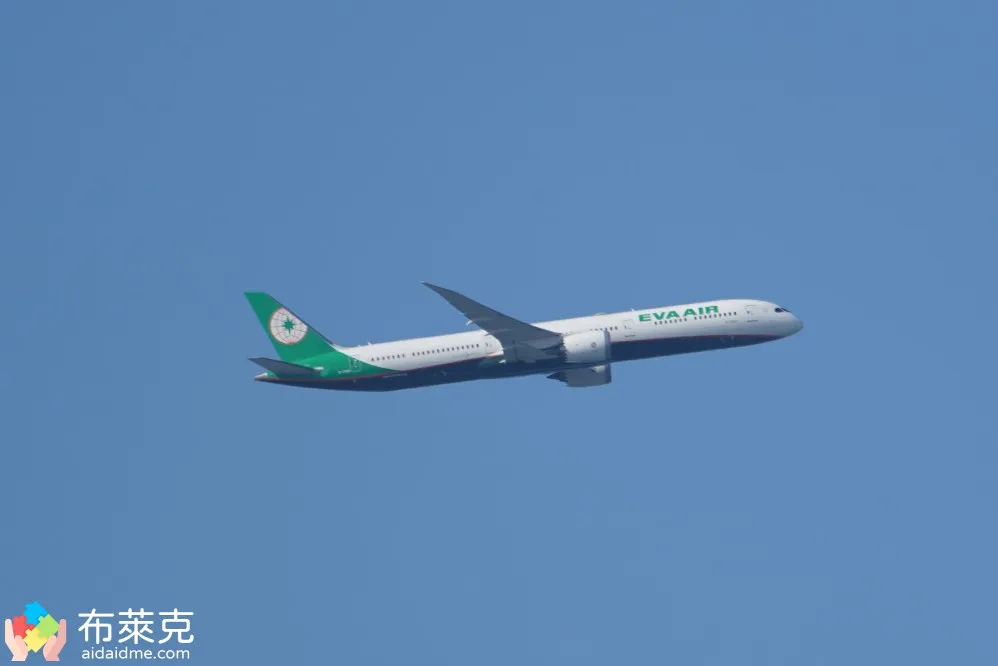
Using a telephoto lens to track the aircraft, aperture f/5.6/shutter 1/1250 sec/ISO 100, straight out of the Sony Alpha 7C body
The maximum aperture is f/4.5, which still creates a shallow depth of field effect.
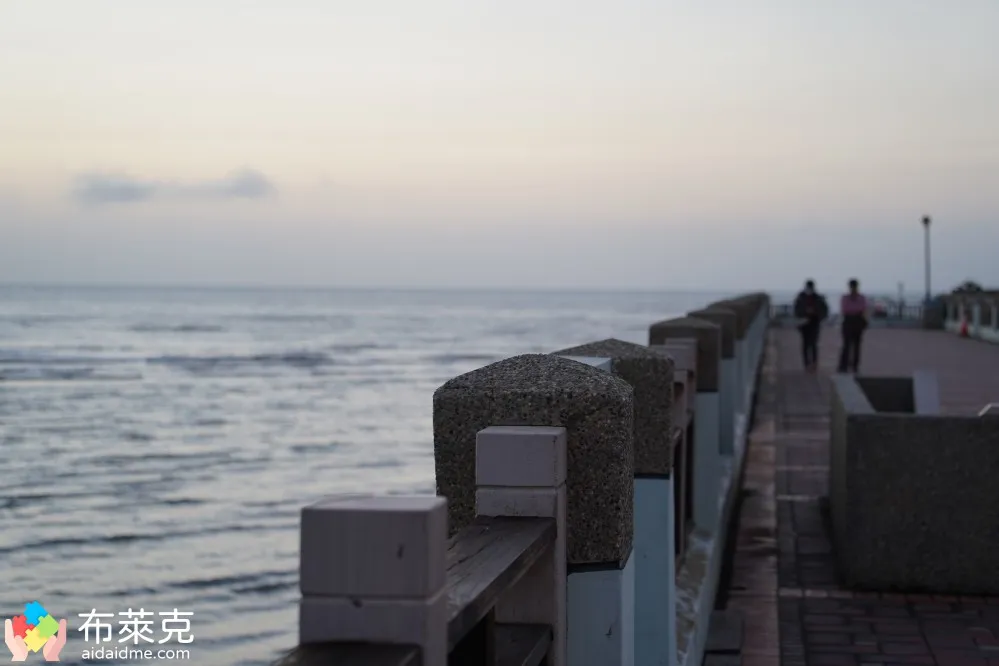
Aperture f/4.5/Shutter 1/80 sec/ISO 500, Sony Alpha 7C body straight
The magnification ratio is 0.31x, which isn’t great, but it’s one of the best lenses in Sony’s affordable lens lineup.
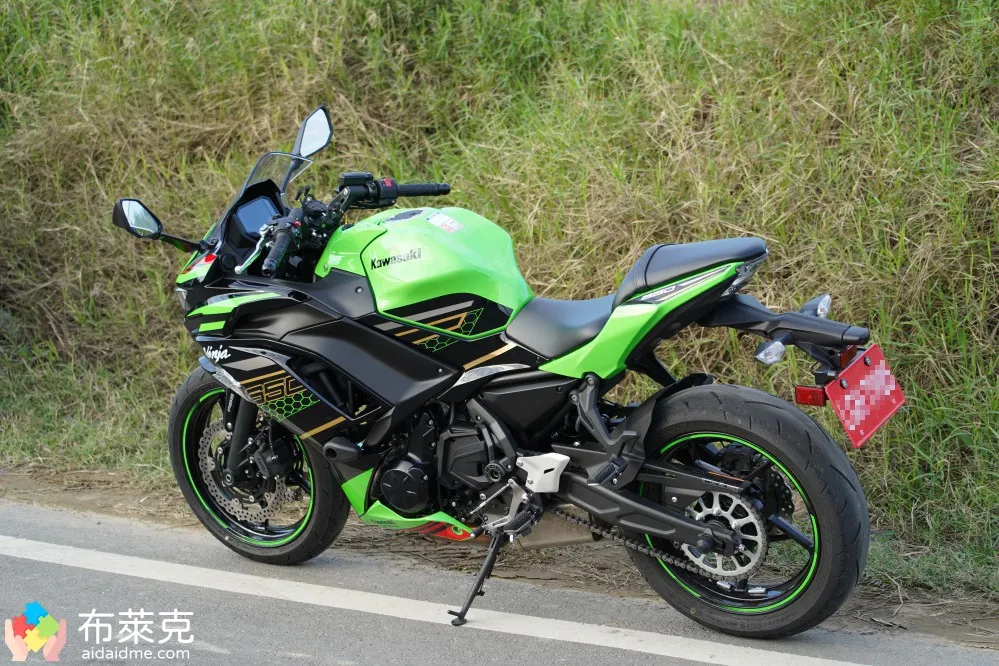
Aperture f/4.5/Shutter 1/100 sec/ISO 100, Sony Alpha 7C body straight
Shooting with a telephoto lens can create the feeling that the subject in the photo is close to each other, making it difficult for the naked eye to distinguish between far and near. This is called a “sense of compression.”
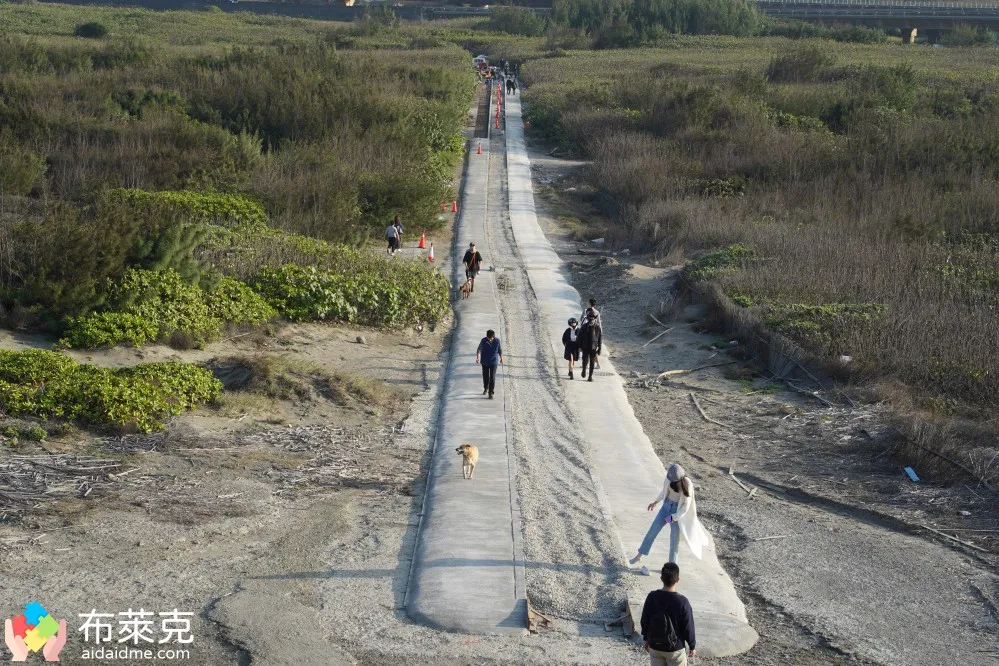
Aperture f/13/Shutter 1/80 sec/ISO 160, Sony Alpha 7C body straight
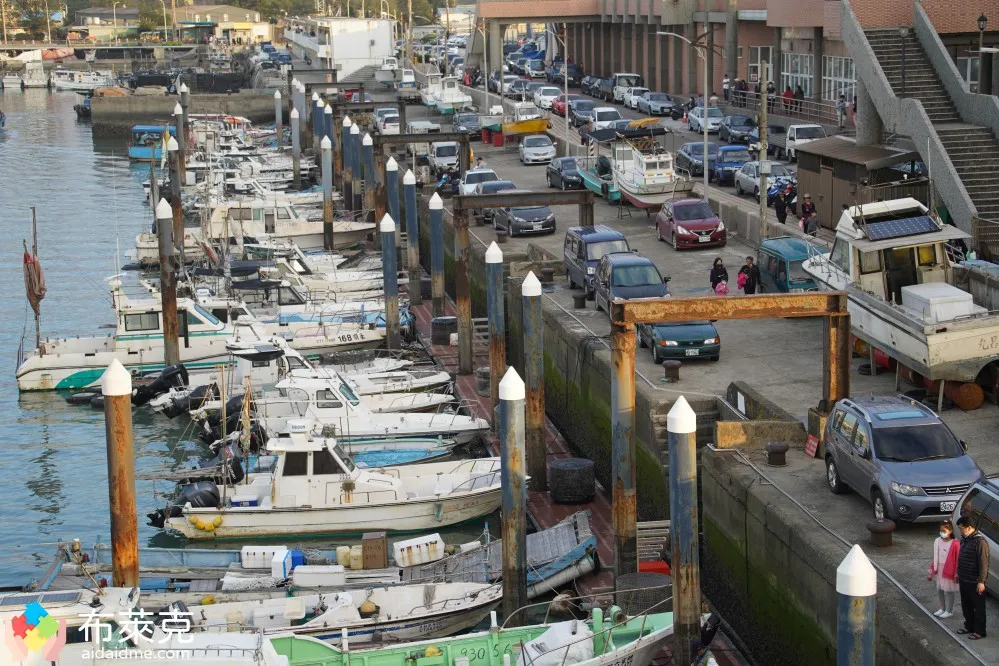
Aperture f/4.5/Shutter 1/100 sec/ISO 100, Sony Alpha 7C body straight
There is an anti-shake design inside the lens. It is quite easy to shoot handheld at night. You just need to adjust the anti-shake lever on the lens. The success rate is probably about 60%.
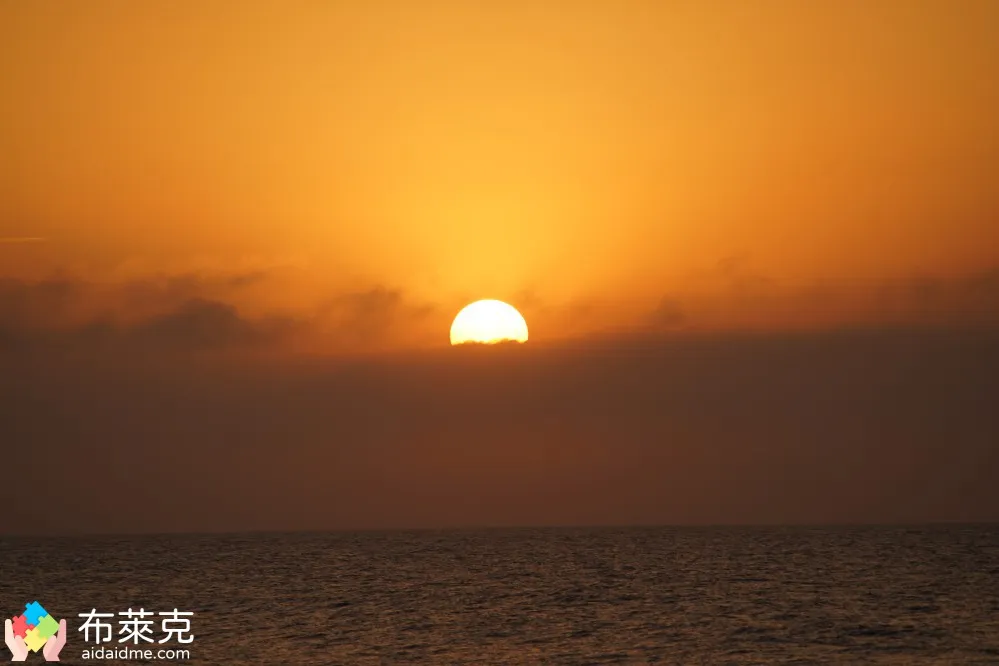
Aperture f/5.6/Shutter 1/800 sec/ISO 100, Sony Alpha 7C body straight
The advantage of a telephoto lens is that it can bring ultra-distant scenery directly to your eyes, and it can be done easily. This is why telephoto lenses are always easy to use for wildlife photography.
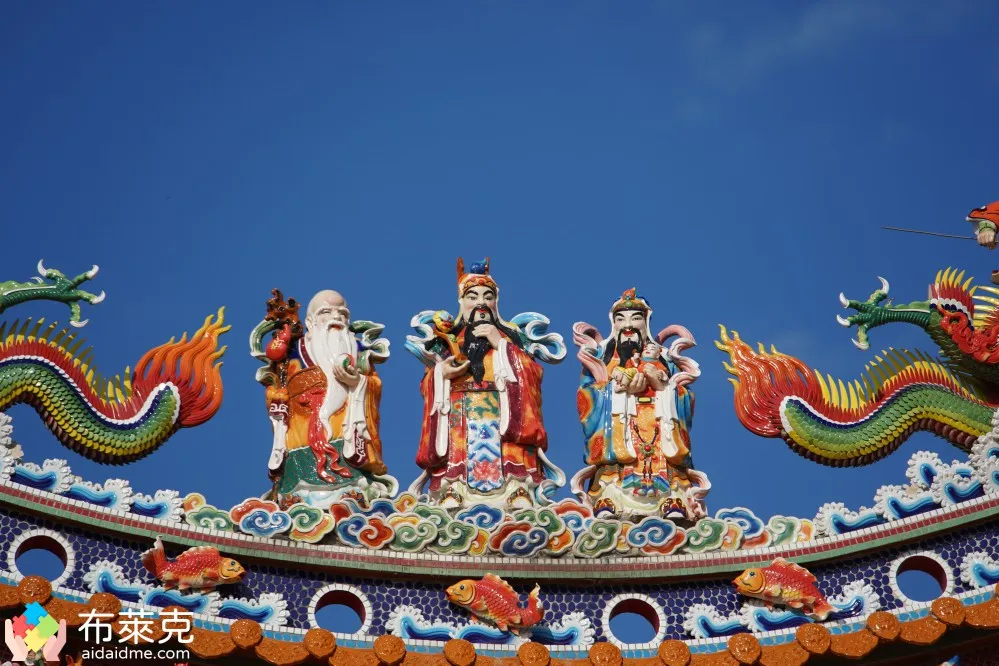
Aperture f/7.1/Shutter 1/800 sec/ISO 100, Sony Alpha 7C body straight
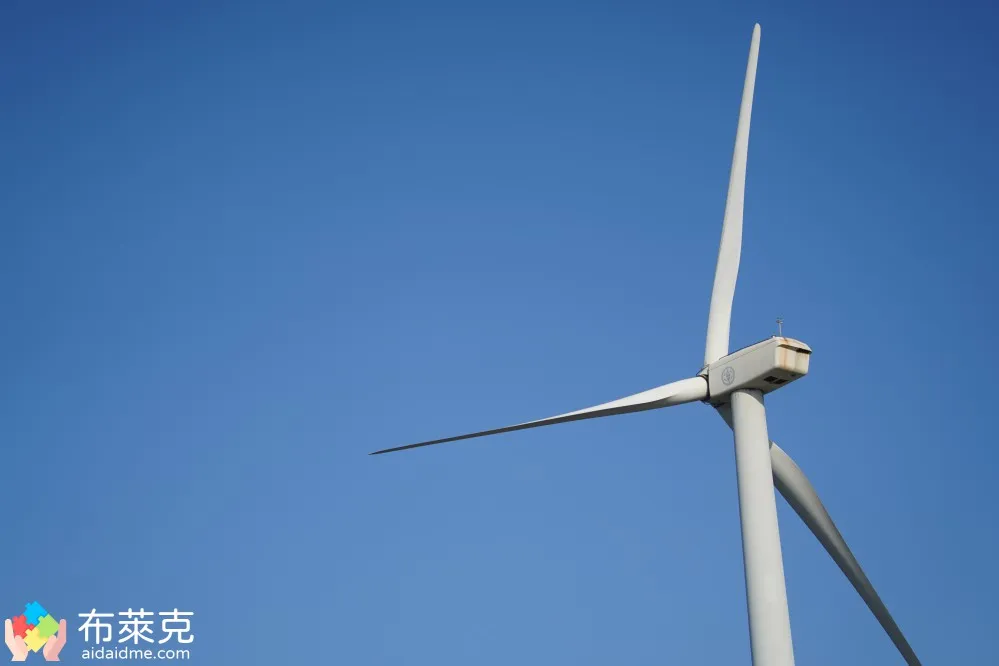
Aperture f/5/Shutter 1/1250 sec/ISO 100, Sony Alpha 7C body straight
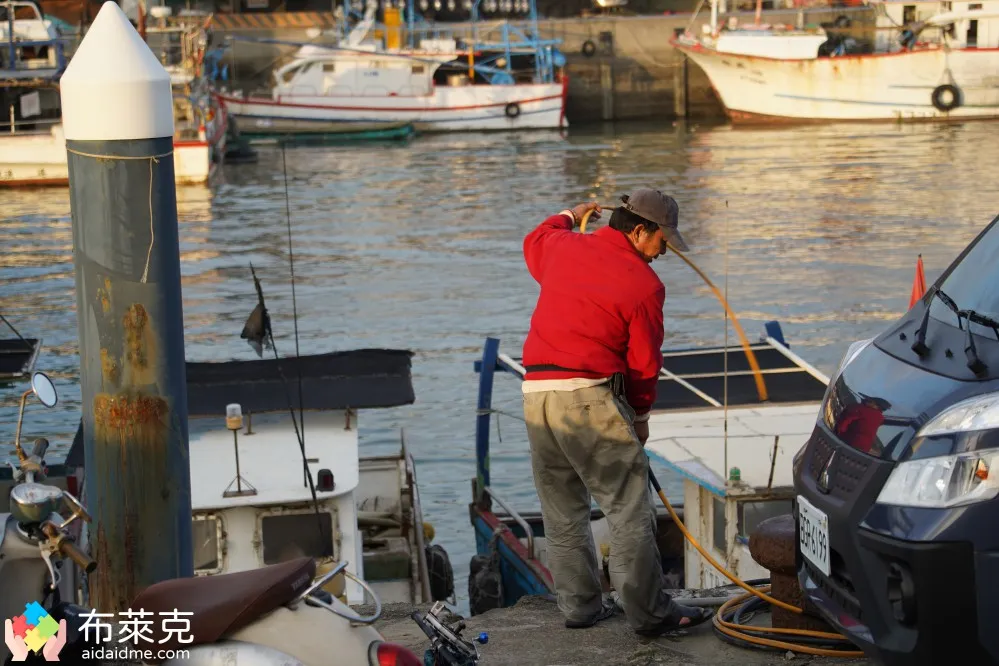
Aperture f/5/Shutter 1/160 sec/ISO 100, Sony Alpha 7C body straight
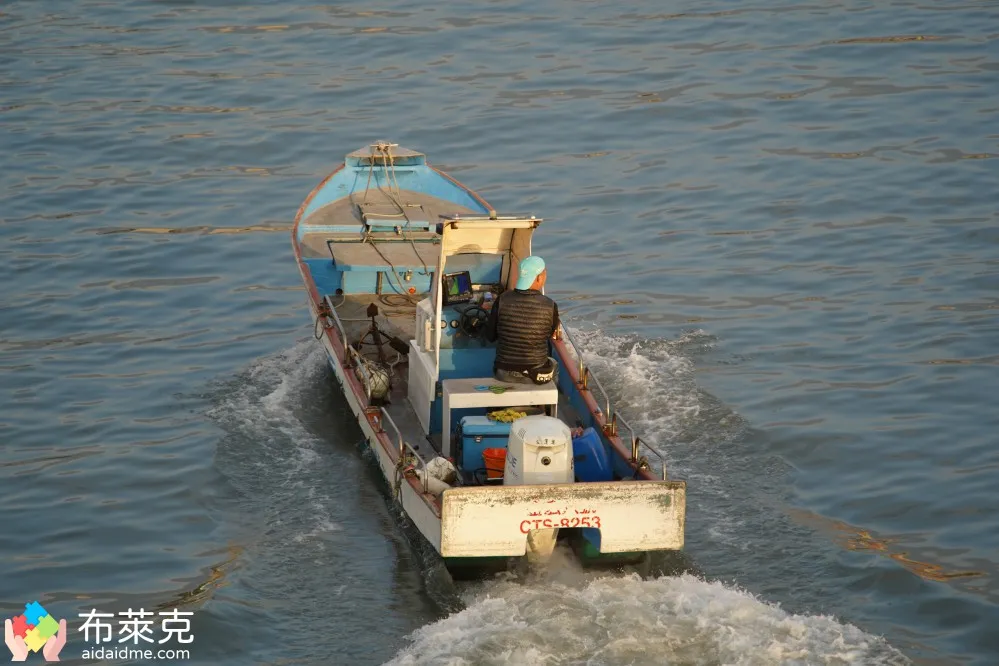
Aperture f/5.6/Shutter 1/320 sec/ISO 250, Sony Alpha 7C body straight
There are 9 aperture blades inside the lens, which means that it can capture 18 starbursts, and they are quite symmetrical. The editor subjectively thinks it is very ornamental.
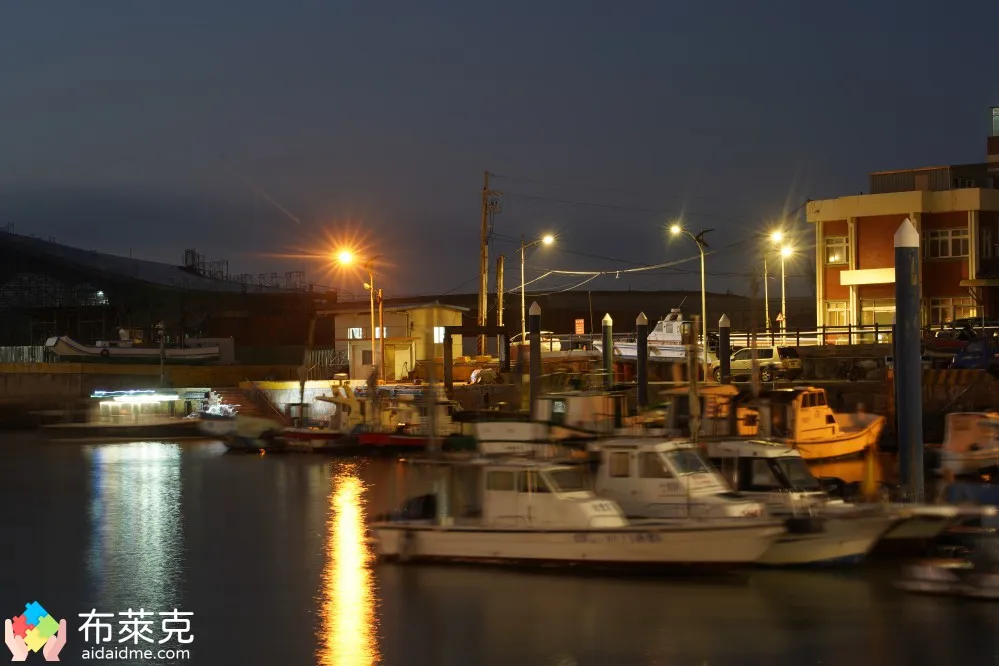
Aperture f/16/Shutter 30 seconds/ISO 100, Sony Alpha 7C body straight
Conclusion
In recent years, Sony has introduced more and more full-frame E-mount lenses for Alpha series cameras. As far as telephoto lenses are concerned, there are quite a few choices. Lenses that can capture focal lengths above 200mm include the following:
-
- FE 24-240 mm f/3.5-6.3 OSS
- FE 70-200 mm f/4 G OSS
- FE 70-200 mm f/2.8 GM OSS
- FE 200-600 mm f/5.6-6.3 G OSS
- FE 100-400mm f/4.5-5.6 GM OSS
- FE 400 mm f/2.8 GM OSS
- FE 600 mm f/4 GM OSS
However, if the price is affordable (about 30,000 yuan), there are really not many lenses to choose from. You can count them on one hand. Regardless of the lens material, appearance material, image quality performance, etc., it can be seen that this SEL70300G performs well.
If you want to carry a telephoto lens that is lightweight and easy to store when you go out, then the only option left is probably the SEL70300G. It is so small that it can be used to shoot wild birds and other subjects, which is really good news for ecological photographers.
If you like the above article, welcomeSubscribe to newsletter, and you will receive photography-related teaching articles!
by Engineer Blake
Source: KOCPC Chinese