


In the decades since the advent of the mouse, the most direct peripheral that has appeared is the “mouse pad”. As the sensing technology of mice is getting better and better, the necessity of mouse pads does not seem to be as strong as in the past. You can still see mouse pads in various stores, shopping malls and other places. So the question is, where did mouse pads come from? Do you need a mouse pad on your desk today?
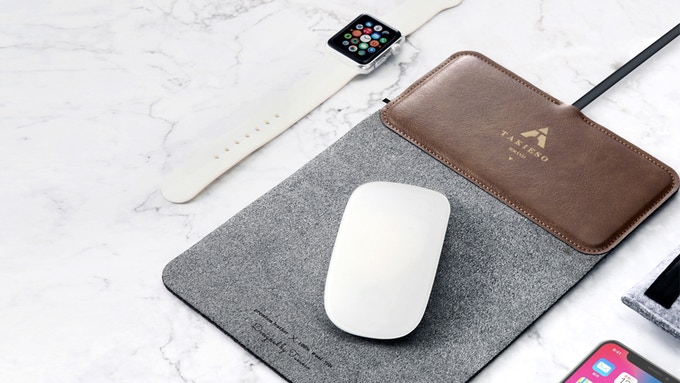
Where did the ubiquitous “mouse pad” come from? Why do you need a mouse pad?
The birth of the mouse pad
The first public appearance of the mouse pad was in 1968, when Dr. Douglas Engelbart used it in a public demonstration of some revolutionary computer hardware and software. Of course, the mouse pad appeared in response to the computer mouse. The first mouse used two rollers to track the user’s movements, and soon evolved into a smoother and more multi-directional trackball (the ball that could be taken out by opening the bottom cover of early mice). This had the disadvantage that the trackball could easily slip and become unable to accurately record your movements. The mouse pad was to increase the friction between the mouse trackball and the desktop, which should be familiar to early computer users.
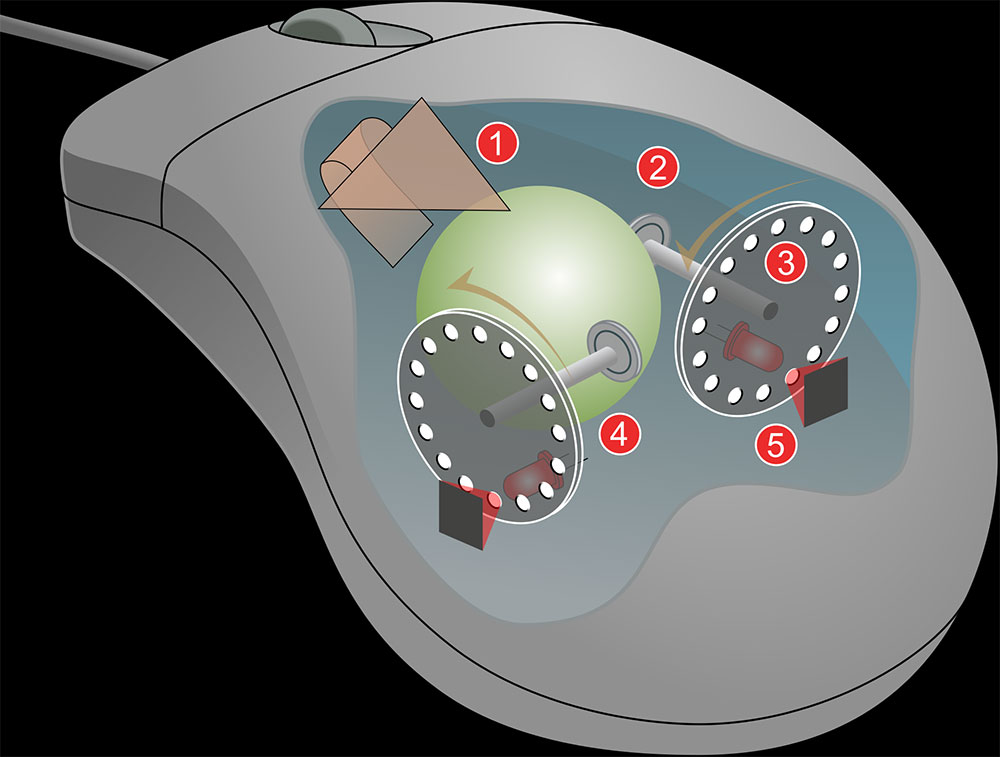
As time passed and technology advanced, trackballs were replaced by LEDs and photodiodes. The earliest optical mice relied on a mouse pad with a special pattern on it to detect movements. Later, it gradually evolved, even without a mouse pad, it would not affect the mouse. Now, any mouse can be easily used on any surface.
Why do I still need a mouse pad now?
Since there is no longer a need to rely on a mouse pad to improve the accuracy of cursor movement, many people will abandon the mouse pad as a peripheral product for convenience. However, there are still many benefits to owning a mouse pad. Generally speaking, a mouse pad can improve the computer usage experience, extend the life of the table and the mouse itself, and more importantly, make your hands more comfortable. It is a win-win choice.
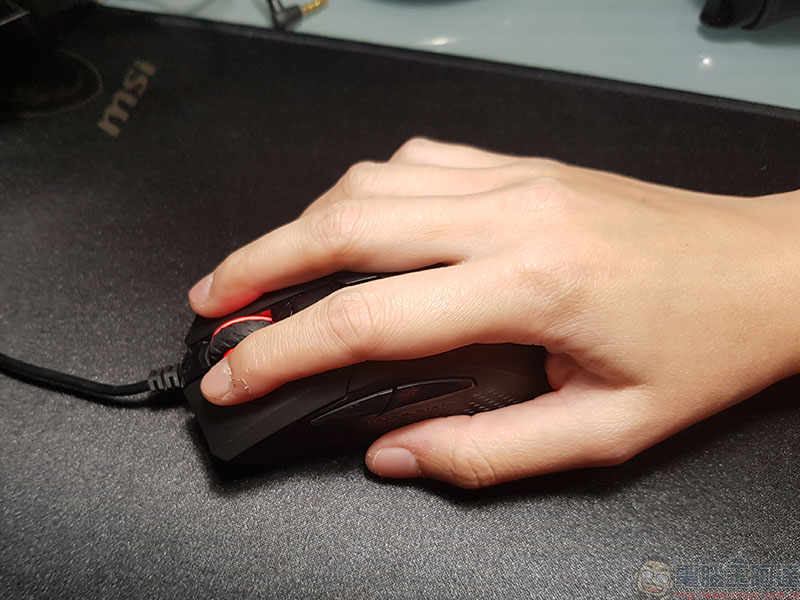
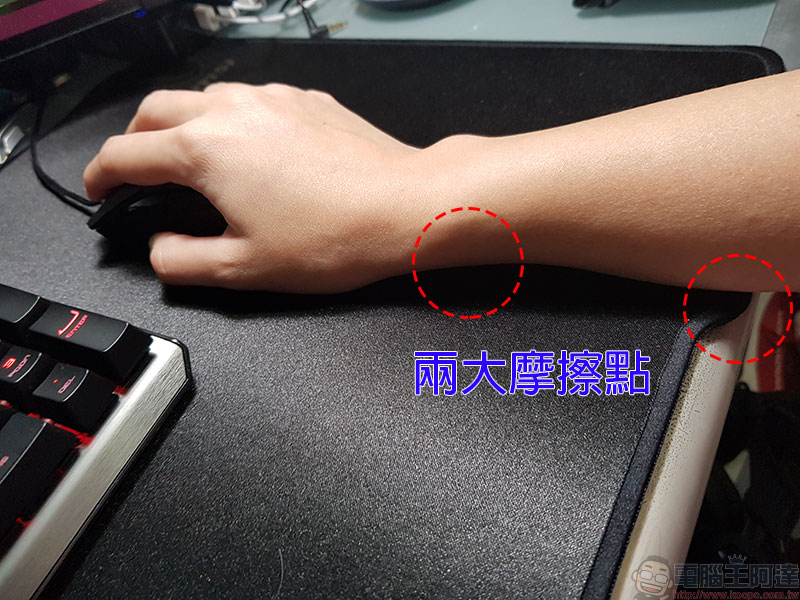
First of all, mouse pads are relatively thin compared to desktops made of various materials. When you rest your palms and wrists on the table, you will feel more comfortable. You don’t need to “head-to-head” with your bones against the hard desktop. Mouse pads not only protect your hands but also protect your desktop. Desktops made of any material will wear out after long-term use, especially wood surfaces. The resulting stains can range from oil and dirt on your hands to permanent scratches. Cleaning or replacing a mouse pad is always easier and more affordable than buying a new table.
Speaking of wear and tear, if you are using an expensive high-end mouse, you need a mouse pad. The foot pads at the bottom of the mouse that help you move smoothly are in direct friction with the desktop for a long time, which can easily cause wear and tear, making the mouse more and more difficult to use. At this time, you have only two solutions: buy replacement foot pads, or buy a new mouse. It is more convenient to put a mouse pad.
Choose a suitable mouse pad for yourself
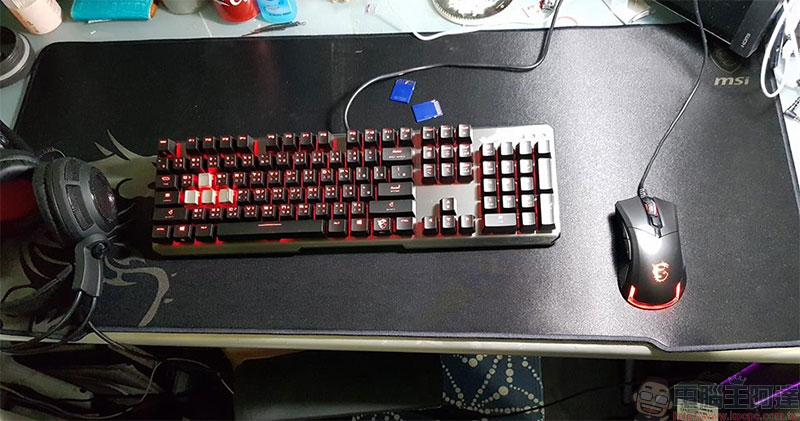
If you haven’t used a mouse pad in a while, you might be pleasantly surprised at how much this little thing has changed. Unless they are being carried out and used, more and more people are choosing to use large mouse table mats instead of traditional round or square mouse pads. This desk pad has all the advantages of a traditional mouse pad, but can also be placed under the keyboard to give you a better touch when typing. More importantly, whether you are a computer game enthusiast or you use it for work, the mouse will not fall out of the mouse pad halfway through use, affecting your best performance at the moment.
Source: KOCPC Chinese