


The development of cameras on smartphones is one of the most noteworthy developments in the history of modern technology. Compared with the mobile phone pens 20 years ago, the photos and videos captured by the current mobile phone lenses are very close to real life. A quick comparison of today’s mid-range smartphone lenses with first-generation iPhone lenses reveals clear improvements in detail, color gamut, and overall image quality, not to mention the impact of high-definition images captured by flagship models.
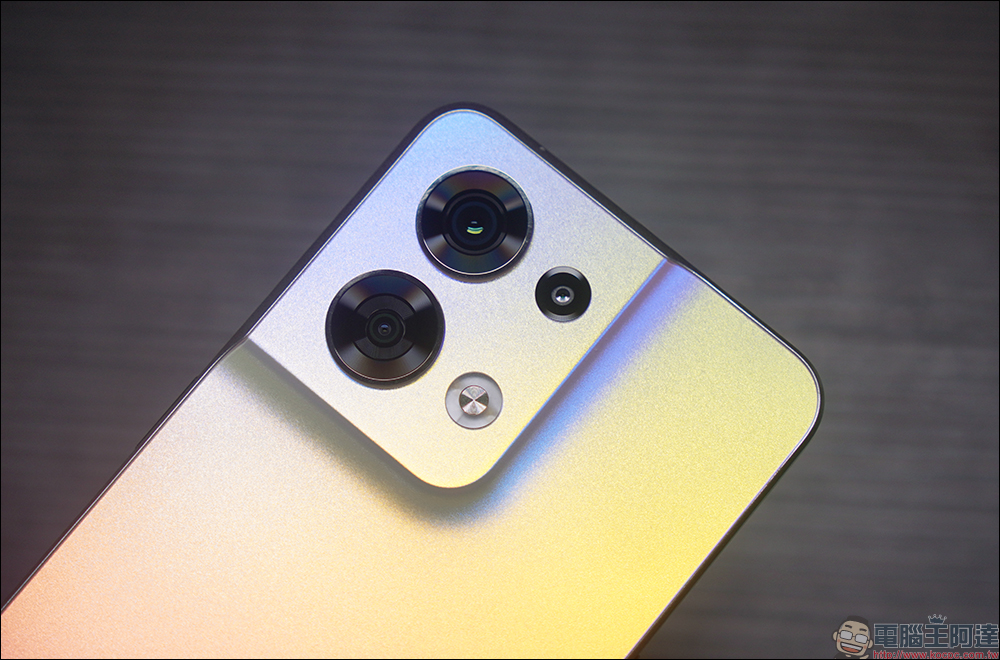
Are mobile phones invincible in taking photos? Stop believing these myths about phone lenses
Also because of the advancement of mobile phone lenses, it is easy for people to have some misunderstandings about the working principles or functions of mobile phone lenses. On the one hand, most smartphone lens specifications are quantified, such as the number of megapixels, sensor size, number of lenses, etc. It seems that simply increasing these values will bring better image quality. Smartphones, on the other hand, come with alluring features like AI processing and astrophotography, blurring the line between quality and practicality. Of course, the quality of photos and videos is greatly affected by the user and environmental conditions. Shooting in a well-lit environment, keeping the lens clean, using grid lines, and shooting in HDR will all help to get the best out of your camera. This time, we will explain a few points that are easily deceived.
Myth 1: More lenses mean better photo quality
In the past few years, the entire mobile phone industry has been moving in the direction of multi-lens. This is not without good reason, as these differences in camera types increase the creative flexibility of smartphone photography. For example, the iPhone 14 Pro has three rear cameras: a 48-megapixel main lens, a 12-megapixel ultra-wide-angle lens, and a 12-megapixel telephoto lens.
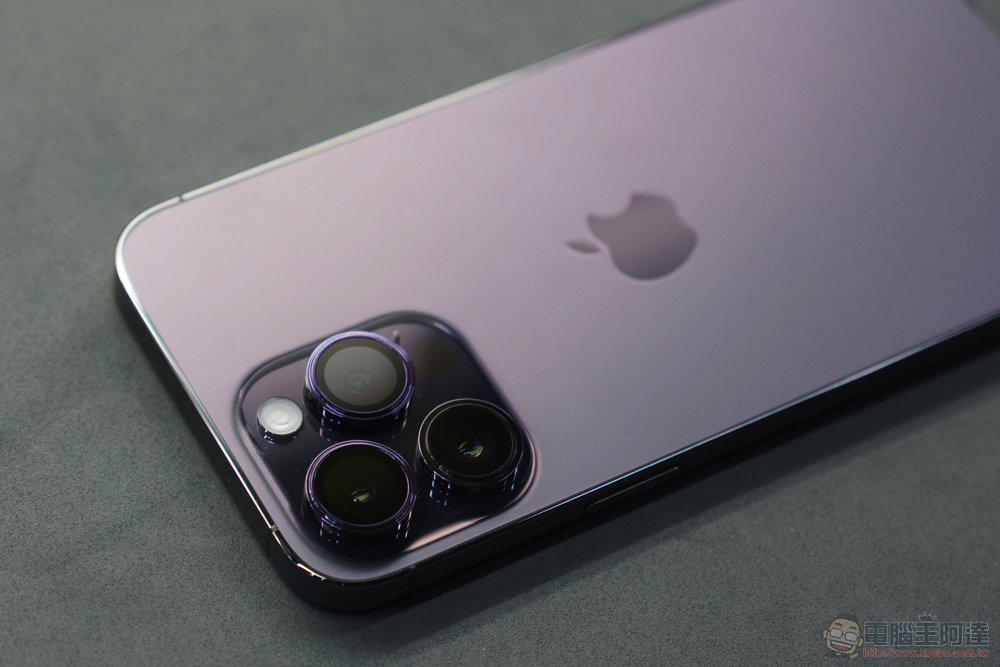
Ultra-wide-angle lenses capture a wider angle of view than the main lens, and telephoto lenses are designed to maintain high quality at longer focal lengths. While it’s difficult to achieve all of these goals with a single camera lens, having multiple cameras on a smartphone won’t immediately improve the experience of taking photos or recording videos. Therefore, we should change our thinking: multiple lenses with different functions can provide more creative space, but it does not mean that the photo quality will get better because there are more lenses.
Myth 2: The higher the pixels of the lens, the better the photo quality.
Most smartphone users want beautiful photos and videos. You know it, I know it, and phone manufacturers know it, so they use this to their advantage to market their products as a revolutionary innovation in smartphone photography. One of the most talked-about things is the lens pixels. Today, mobile phone lenses have increased from less than 5 million pixels to 200 million pixels on some of the latest flagship phones. Simply put, pixels represent the unit area of information in digital images. Megapixels (1 million pixels) are the basic indicator of how much information a camera can accommodate in the lens. Therefore, an increase in camera pixels means that it can save more details in each frame of a photo or video, and it will also increase the size of media files.
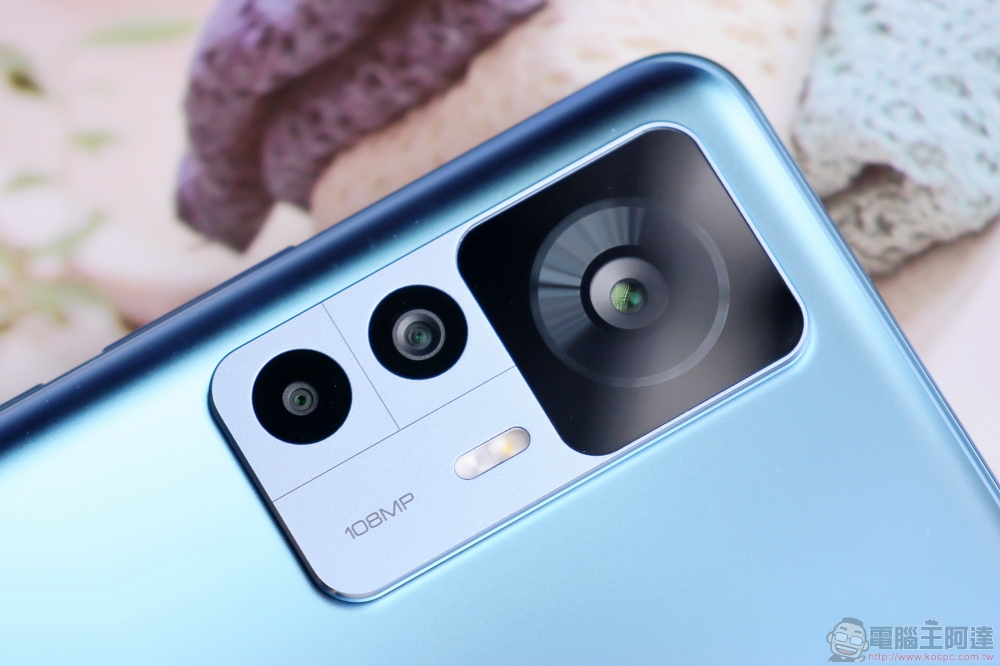
Photos taken with a higher pixel camera will retain more detail and quality when enlarged to the same size than photos taken with a lower pixel camera. But this does not mean that the image quality will be improved accordingly. Lens pixels are different from other functions of the camera lens (such as aperture, sensor size, ISO, etc.). All these interactions will affect the final camera output image. Equally important to today’s high-pixel lenses is a feature called pixel binning, which combines data from multiple adjacent pixels to improve image detail.
Myth 3: The larger the aperture value, the better the image
Smartphone users have different ideas and perceptions of what high-quality photos mean, so it’s worth talking about. Some consumers like photos with high brightness, so they especially like large aperture lenses that can absorb more light; some users want photos with higher contrast, so they don’t pay much attention to the aperture value. Despite these subjective assumptions, it can be said with certainty that smartphone users will consider the lens specifications when deciding whether to buy one.
The size of the aperture on your smartphone lens determines how much light lets in. As the name suggests, it is a structure on the camera lens that controls the passage of light. Its size is measured in “f/”. The smaller the value, the larger the aperture and the more light entering the camera. Therefore, an f/1.8 aperture will let in more light than an f/2.8 aperture, and while there are variable apertures on professional cameras, the aperture of smartphone lenses is fixed most of the time. Obviously, a large aperture lens is more suitable for night photography, but the situation is different when shooting during the day. A large aperture will increase the amount of light entering the lens, and in some cases will cause the picture to be too bright, and the imaging effect will not be as expected. Generally, the image quality and sharpness of a small aperture lens will be improved, but if the aperture is too small, the image quality will deteriorate, which is not enough.
Myth 4: Depth of field requires two lenses
One of the selling points most commonly used to promote mobile phone lenses is the depth of field effect that can highlight the subject and blur the background. To achieve this, the second lens is usually a telephoto lens or a black and white lens. When smartphones use two camera sensors to take pictures at the same time, they will add a blur filter to the background image, and then superimpose the subject on the blurred background to achieve the final depth of field effect. Although there are sometimes inaccuracies due to differences in edge detection algorithms and processing, the results are usually pretty good.
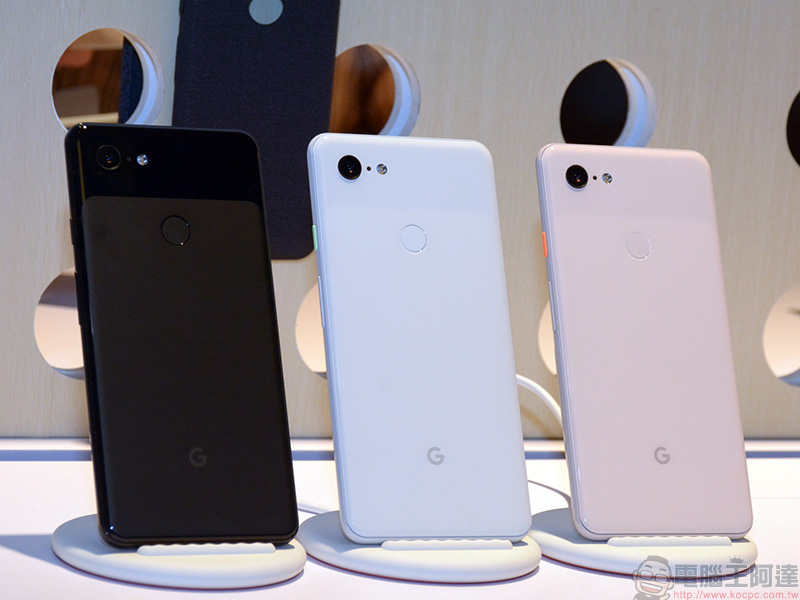
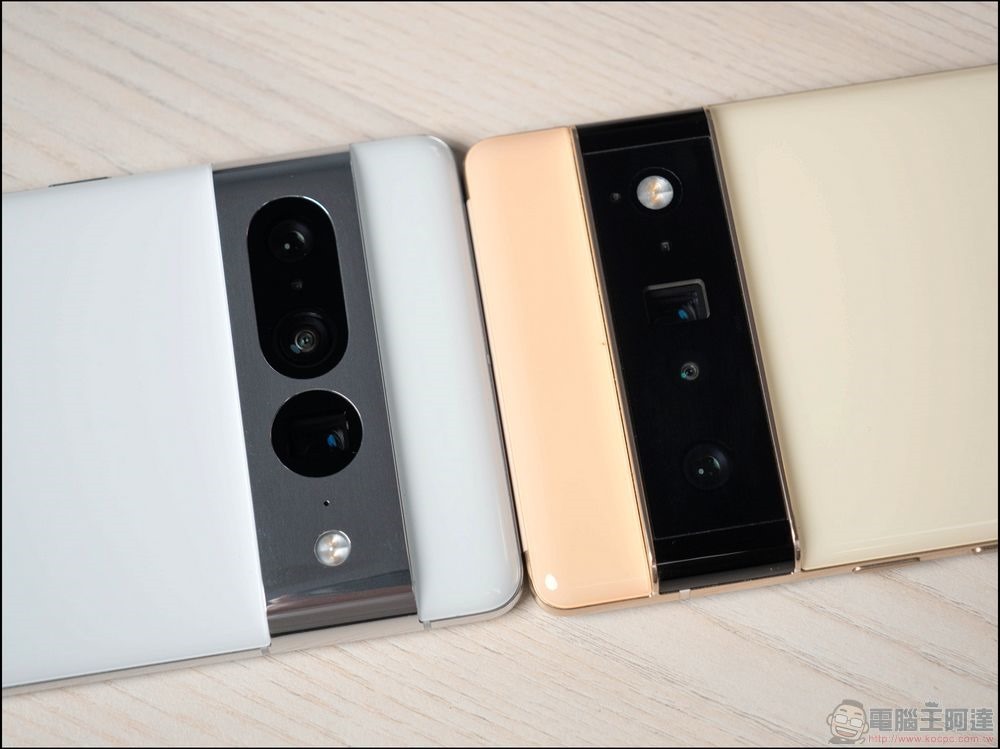
But the depth of field effect doesn’t necessarily require the use of a second lens to create the effect. For example, before Google’s Pixel phones began to adopt multi-lens configurations, their single lenses also gained a good reputation for depth-of-field effects. These flagship phones use algorithms to detect the main focus of a photo and blur the rest of it. Additionally, apps like Bokeh Lens on iOS and AfterFocus on Android offer similar effects when shooting. If you have a single-lens phone with built-in pro mode (or manual mode), you can modify the focus of your photo and blur everything beyond a certain distance. While the possibilities aren’t endless, it’s definitely possible to achieve depth of field without a second lens.
Myth 5: All lenses remain in working condition
If you currently own a phone with multiple lenses, you can try a simple experiment. Open the camera app and while focusing on the object, try to cover each lens one by one. You are likely to find that covering some cameras has no effect on image capture, but covering the main lens will affect the shooting. If your smartphone has a series of camera modes, switching between them and masking the camera lens one by one, depending on the phone, photography algorithm and shooting conditions, your phone may alternate between lenses accordingly, which means that the main lens is not used to take all photos.
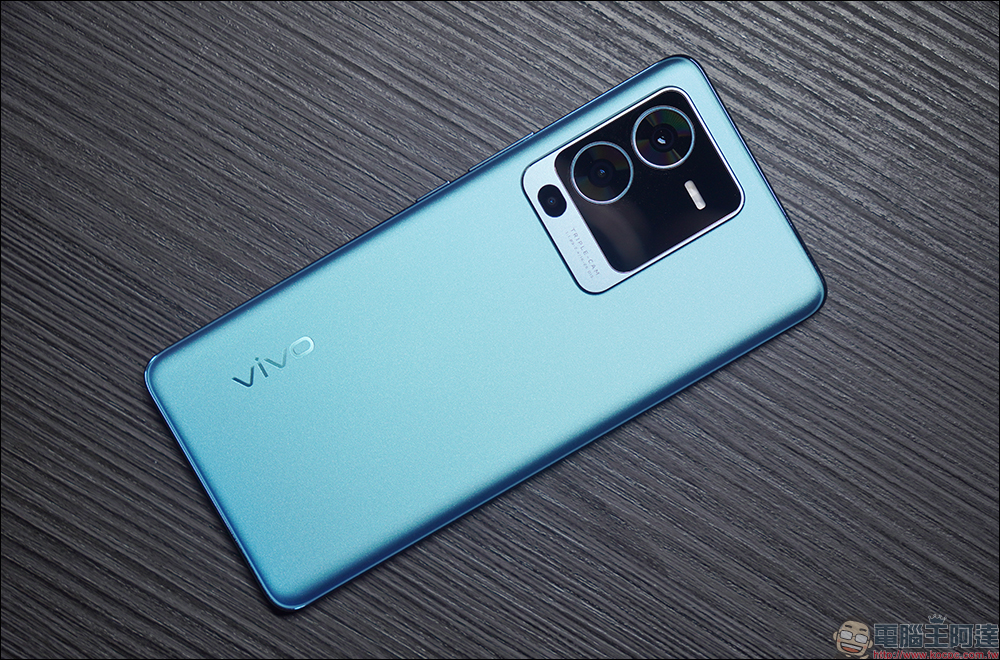
Mobile phone manufacturers have been seeking software and hardware changes to enhance camera functions and image output. Multi-lens configuration is an example. Despite the multi-lens configuration, it is rare for all camera lenses to operate at the same time. Each camera lens has a different purpose and is used to help smartphone users achieve the results they want. Even when multiple lenses are running (such as in depth-of-field mode), other lenses are likely not used. This further illustrates that some mobile phones equipped with more than four lenses do not really need that many lenses. Interestingly, the image quality of each lens of some multi-lens smartphones varies greatly.
Myth 6: Smartphone photography has surpassed professional cameras
Although the photography capabilities of smartphones have been very advanced, and mobile phone manufacturers always promote themselves as surpassing or replacing professional cameras, mobile phone photography still has a long way to go before professional cameras, and this road is not easy to follow. There are many problems that need to be made and overcome.
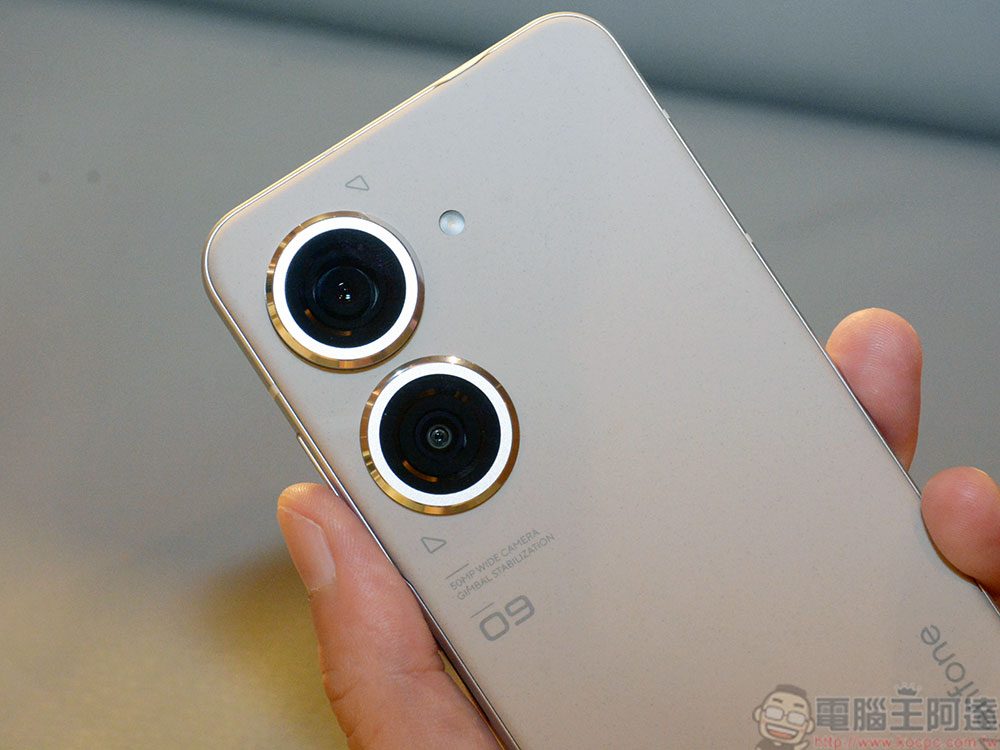
Technically speaking, digital SLR cameras are still more realistic than smartphones because digital SLR cameras are better at capturing color, light, and shadows. In addition, professional cameras can more accurately control various imaging parameters, such as exposure, focus, bokeh, ISO, white balance, etc. Therefore, even at the same resolution, professional cameras can obtain higher-quality images from home or mobile phones.
Source: KOCPC Chinese