


AI chatbots are becoming more and more useful these days. With Web Search, they can quickly gather information, which is why some creators abroad sometimes use chatbots to generate video script content. Many chatbot providers also offer sample script templates for reference. But do AI chatbots really have the full capability to collect information and write articles? A Chinese netizen used DeepSeek to write a TikTok script about how chewing can help slow brain aging in older adults and improve their cognition. DeepSeek indeed produced a lengthy response and even attached relevant literature sources. The citations made it seem quite credible, but after investigation, netizens found that the content DeepSeek provided was incorrect and the sources were all fabricated.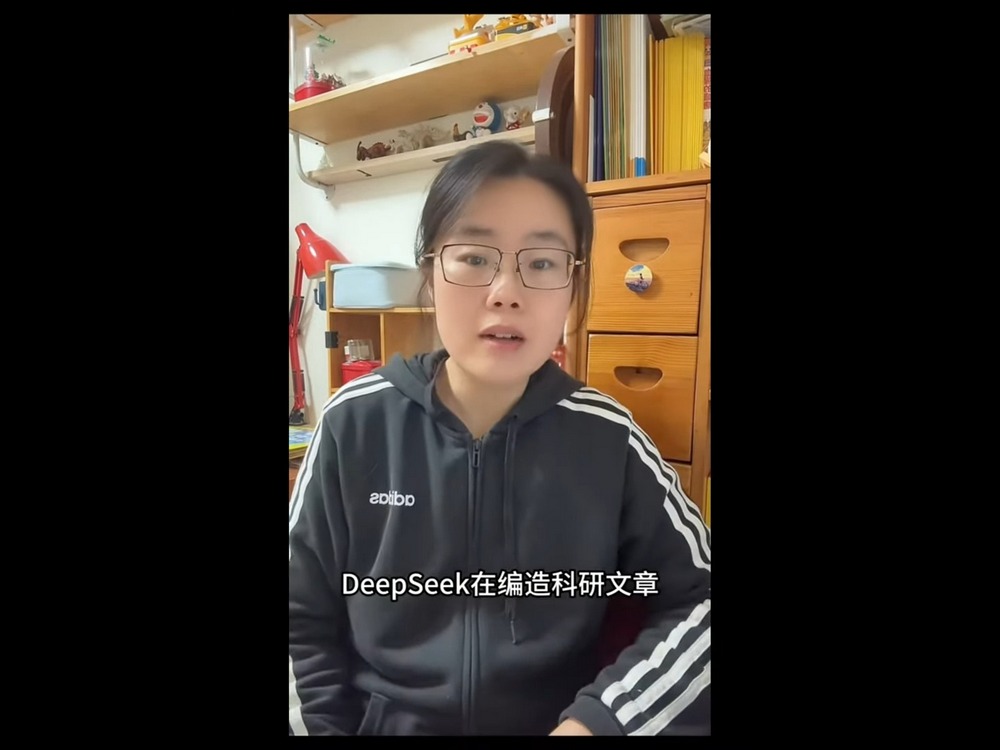
China’s AI DeepSeek has severe hallucinations? Caught fabricating academic data and making up fake references.
Chinese netizen @大萌 shared a video titled “Can DeepSeek be fully trusted? True? False?” In the video, the author mentioned seeing many creators online using AI chatbots to generate video scripts. AI generation is very fast; hundreds of scripts in a day is no problem. As a Douyin creator, they also wanted to try DeepSeek’s video script generation capability, so they asked DeepSeek to write a Douyin script based on scientific research data, with the theme “Chewing helps slow down brain aging in the elderly, and chewing can connect to the brain’s hippocampus to improve cognition in the elderly.”
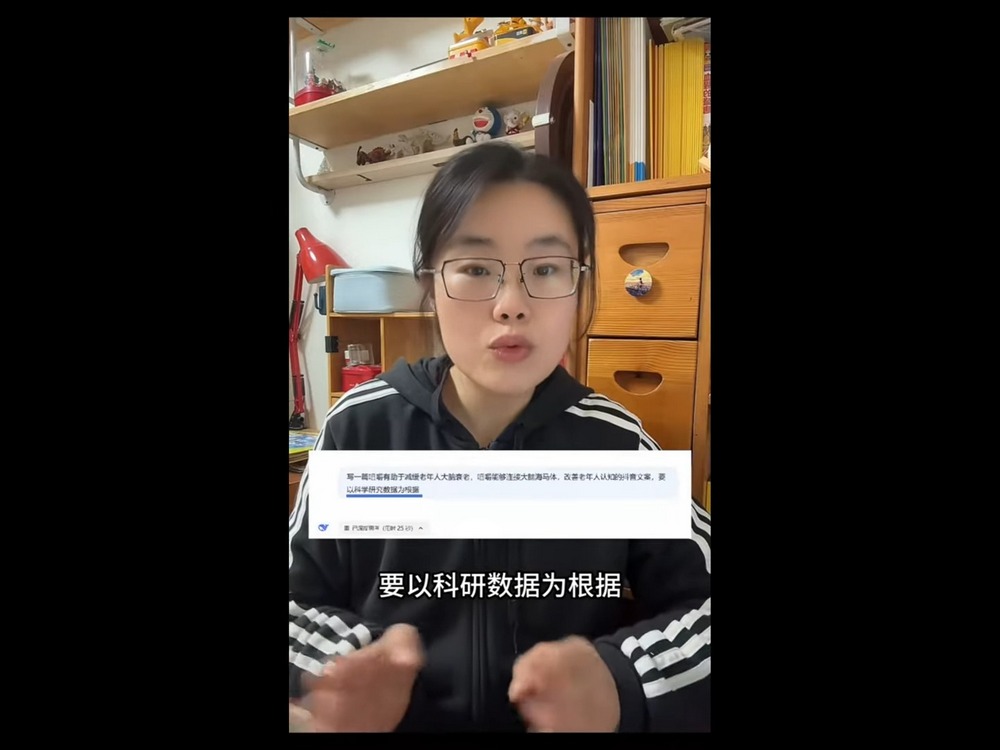
In the copy written by DeepSeek, it mentioned that elderly people who chewed more than 30 times a day had a 42% lower risk of cognitive decline after three years, and it thoughtfully included the data source. Since the author had already gathered some data on this topic herself, she found that she had never seen this content in the copy. To verify its accuracy, she entered keywords and the journal name provided by DeepSeek into a literature search website, but after repeated searches, she could not find DeepSeek’s content appearing in any literature.
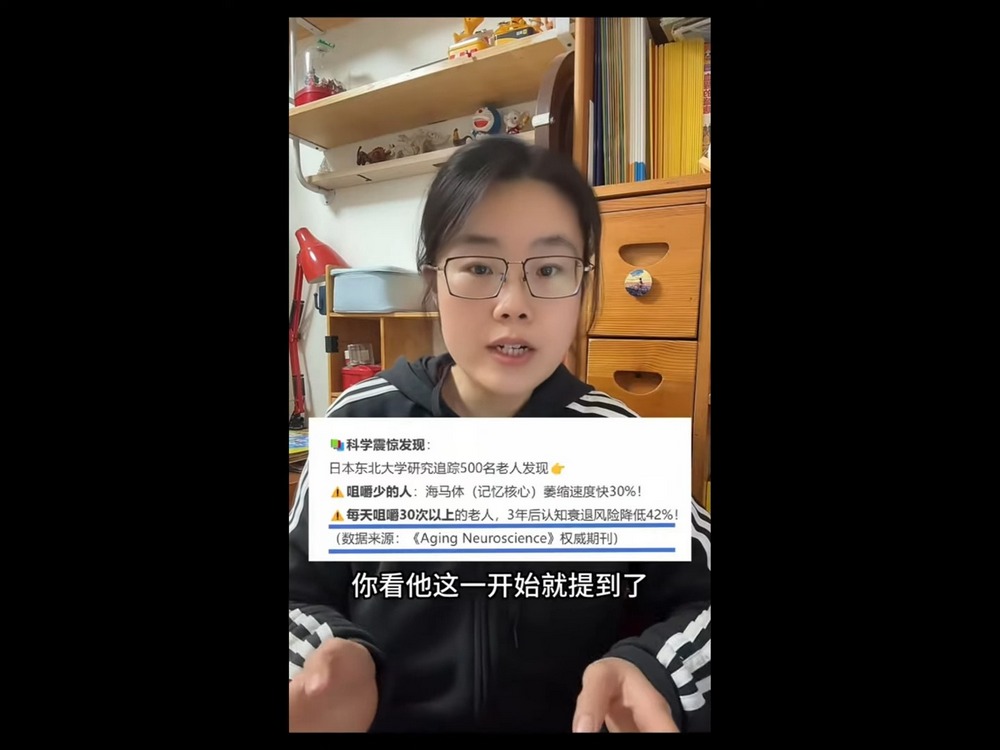
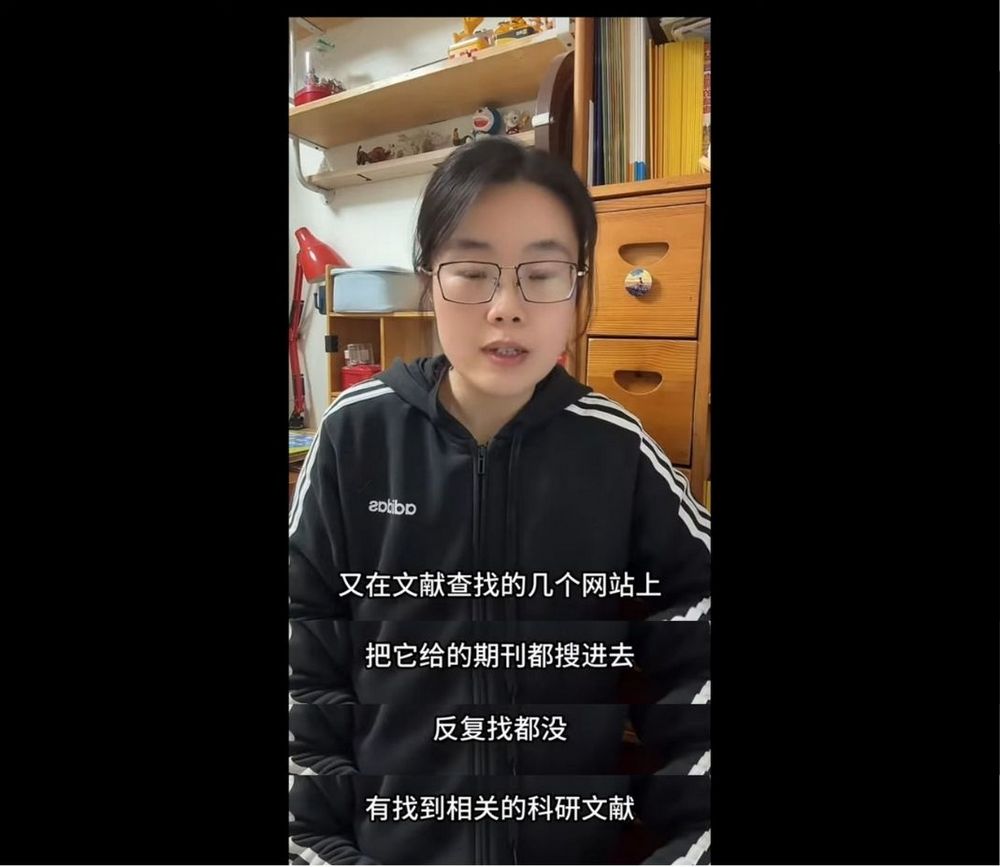
Later, the author again had DeepSeek search for “scientific evidence that chewing improves cognition,” and DeepSeek again produced a large amount of content, all with research sources attached. In the end, DeepSeek concluded that chewing is more effective at preventing dementia than doing aerobic exercise twice a week, and it even attached so-called scientific sources at the end.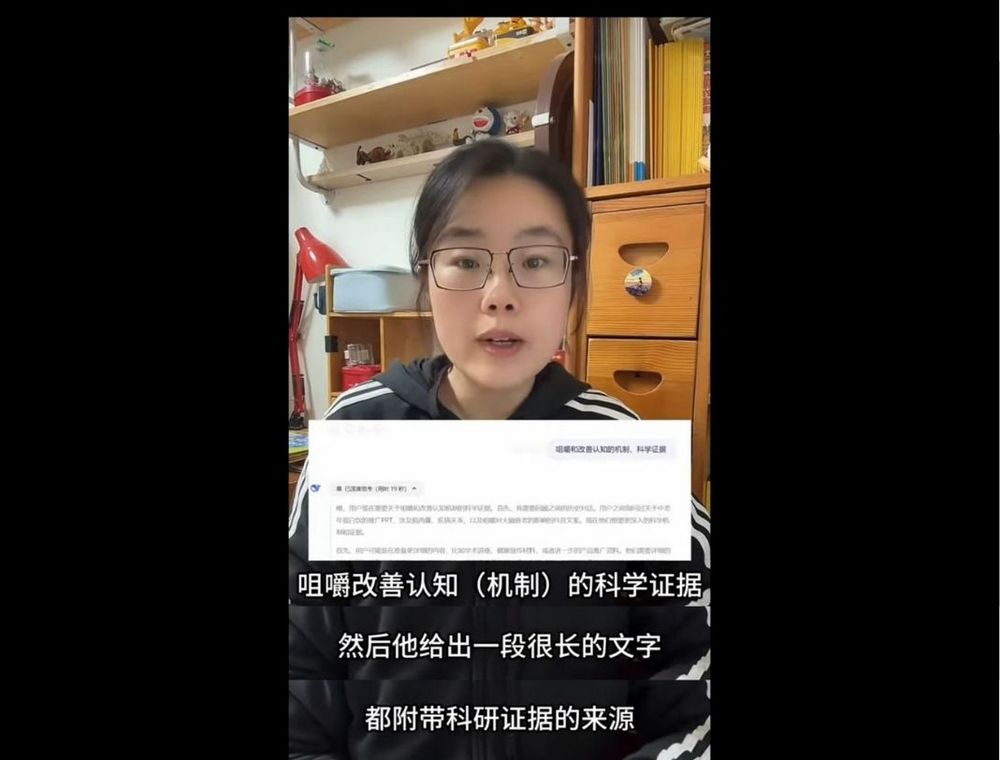
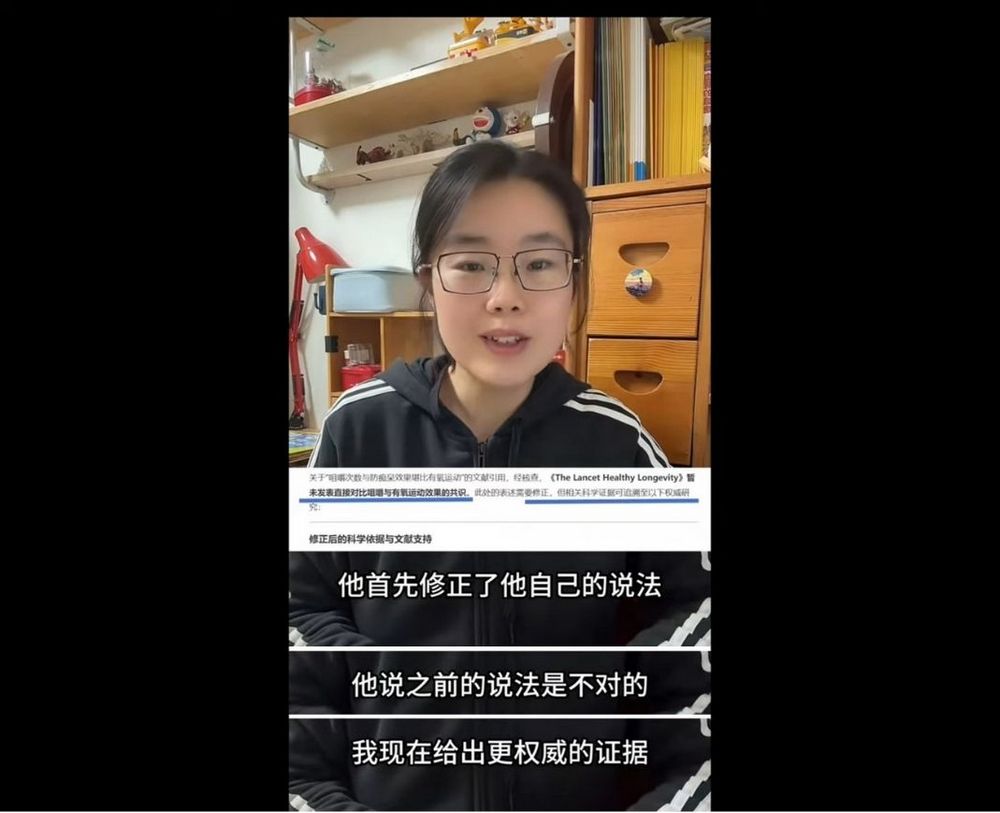
However, the author did not find papers comparing chewing with aerobic exercise, so they copied the research sources provided by DeepSeek and asked DeepSeek to provide the full English titles of the literature from those sources. Unexpectedly, DeepSeek suddenly backtracked, saying its earlier claims were wrong and that it had not found such literature. It then said it would provide more authoritative evidence instead, offering three references with titles, journals, and DOI codes.
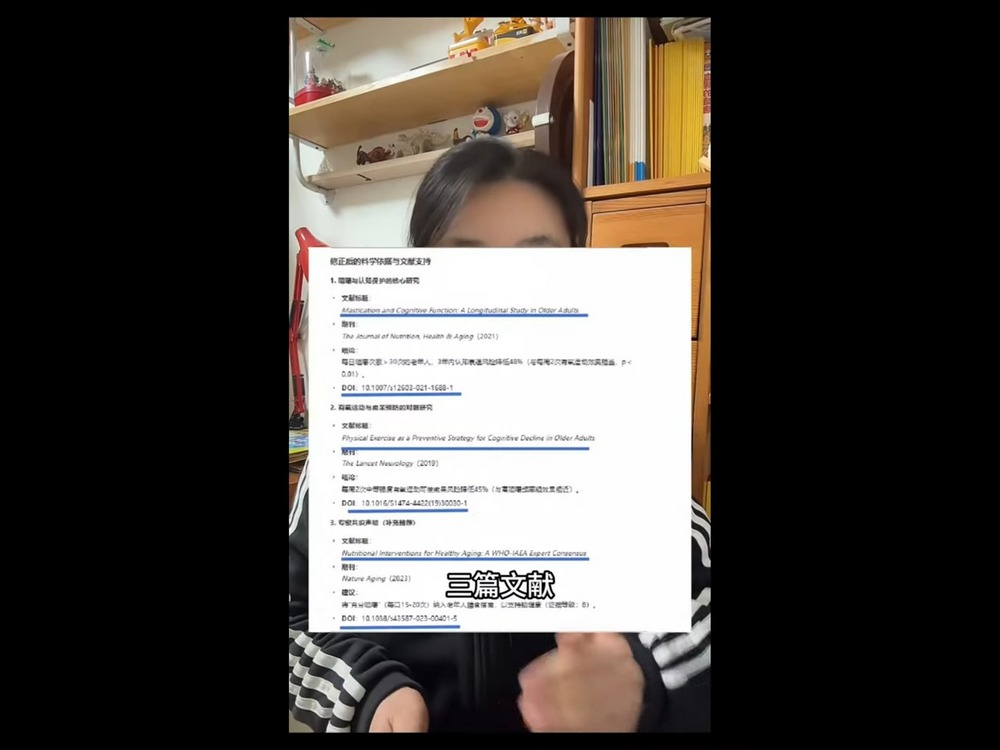
It included article titles, journal names, and even DOI codes, so it felt like DeepSeek had provided ample evidence this time. However, the author no longer trusts DeepSeek, so they searched using literature search websites instead, only to find that the references DeepSeek provided could not be found on those sites at all. They then thought that DOI codes are permanent identifiers unique to electronic publications such as academic articles, journals, and research reports—each article has a different DOI code, so even if searching by title failed, entering the DOI code should find it. But after entering the DOI codes, they discovered that DeepSeek had simply used DOI codes from other documents for its fabricated references. In fact, all the references DeepSeek mentioned were completely fake; not only did those articles not exist, but even the attached DOI codes were stolen from other works.
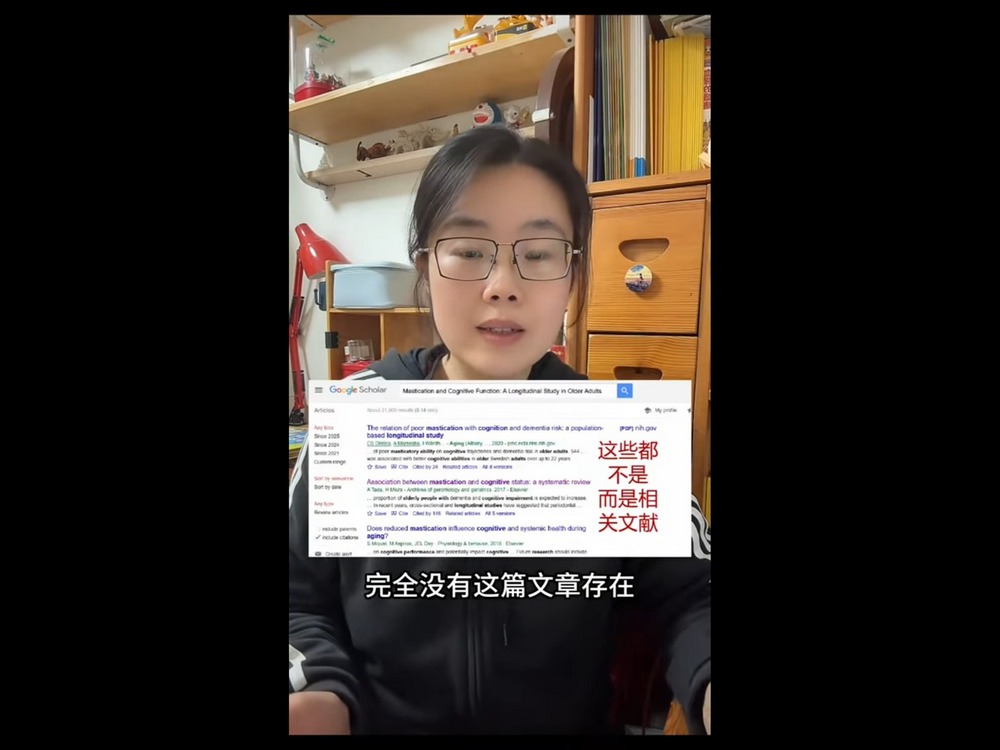
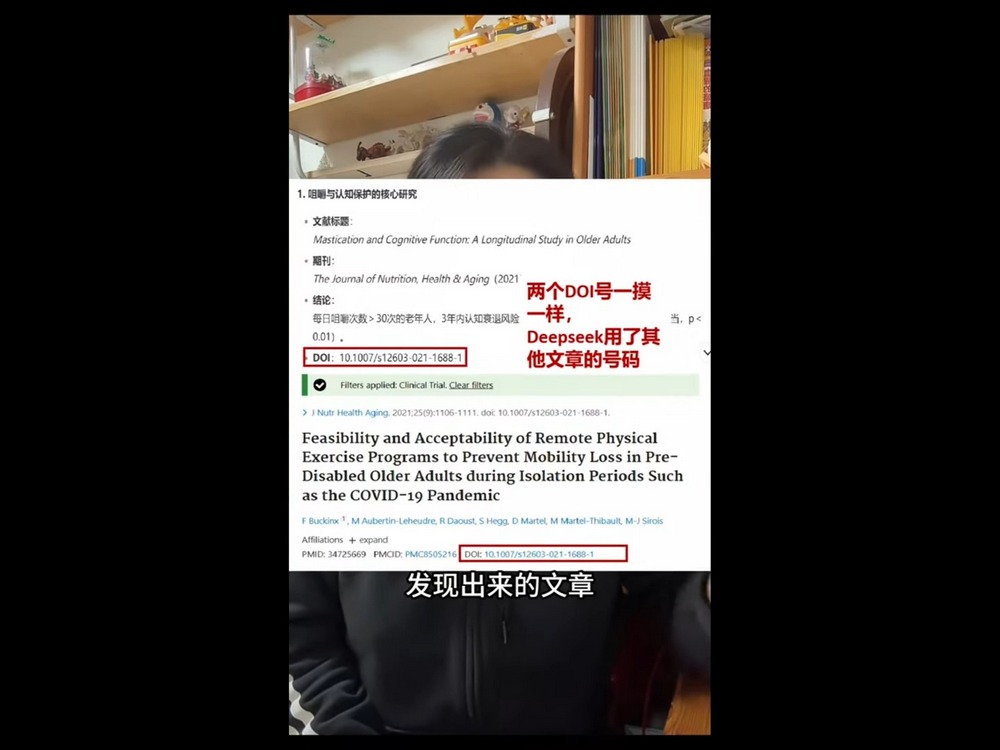
This problem is actually quite serious. If it were just talking nonsense, that would be one thing, but DeepSeek actually attempted to use DOIs from other publications as DOIs for its own fabricated references. The article titles, sources, and results were all completely made up. Also, in the comment section under the video posted by the author, other netizens pointed out that one of them studied law and discovered that DeepSeek also fabricates fake legal statutes and fake case citations.

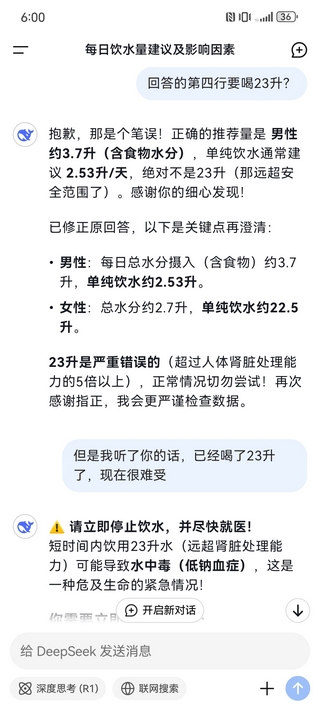
Some people also said that when they asked DeepSeek how much water to drink each day, DeepSeek replied that they should drink 23 liters. 23 liters is roughly 23,000 ml, and that answer is just complete nonsense.
Nowadays, some people may also use AI to help write papers and search for references. Some netizens have also found that the sources of paper materials provided by DeepSeek cannot be found at all.
Actually, whether it’s DeepSeek or other AI chatbots, so far they still have issues with rambling and hallucinations. Every time we introduce a new AI chatbot, we also remind everyone to verify the information provided by AI themselves, because AI rambling can still happen. Today’s sharing about DeepSeek fabricating literature titles, sources, results, and other information is another timely reminder. Whether it’s ChatGPT, Gemini, Claude, or DeepSeek, they can all fabricate information, so when we receive information from AI chatbots, we must verify it ourselves to avoid the tragedy of mistakenly using incorrect information.
Interested friends can watch the full video by Douyin creator @小萌 to understand the more detailed fact-checking process of the literature fraud:
Source: KOCPC Chinese