


Plant photography has always been one of the favorite subjects of many photography enthusiasts. Beautiful and bright flowers make people feel relaxed and feel the preciousness of life. This article will share with you 6 simple and practical techniques that you can use in your own works at any time after learning them. If you are interested, read on!
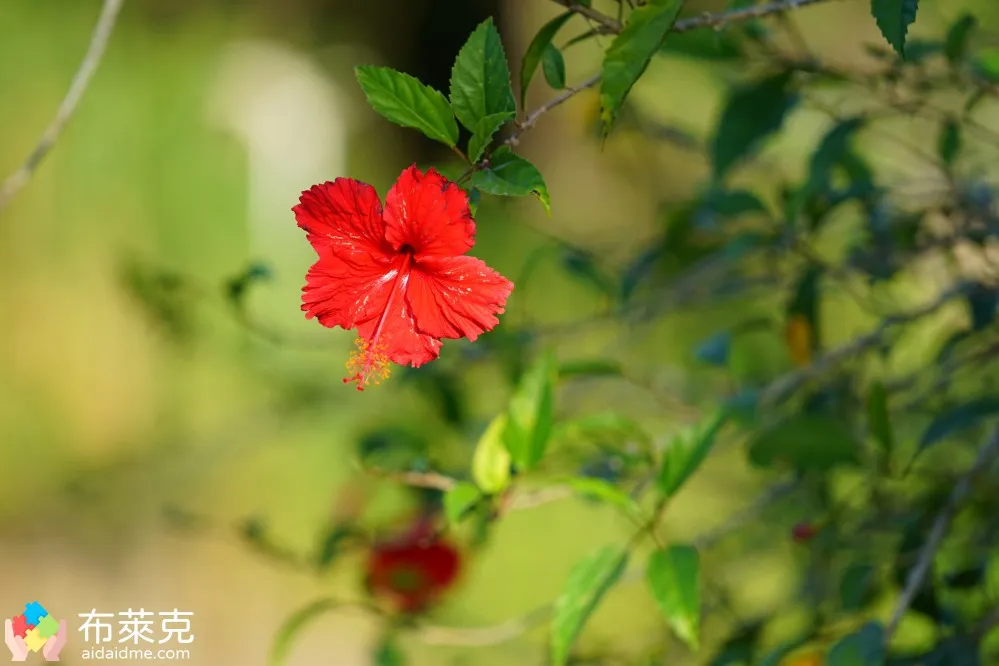
▲ Figure 1: Large aperture makes plant photography more artistic
Camera recommended settings
1. Set the shooting mode to A (Av) mode
Flowers don’t move, so you don’t need a fast shutter speed to take clear photos, so I suggest you use the Aperture Priority A (Av) mode. Unless it’s a very windy day and the flowers are swaying in the wind, a faster shutter speed is needed.
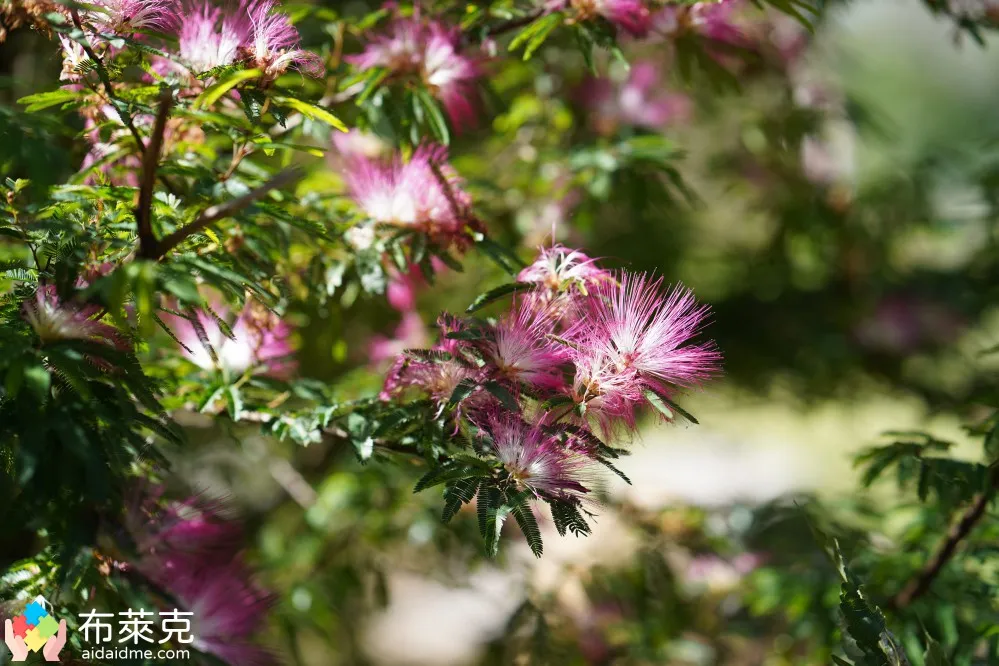
▲ Picture 2: Large aperture highlights flowers
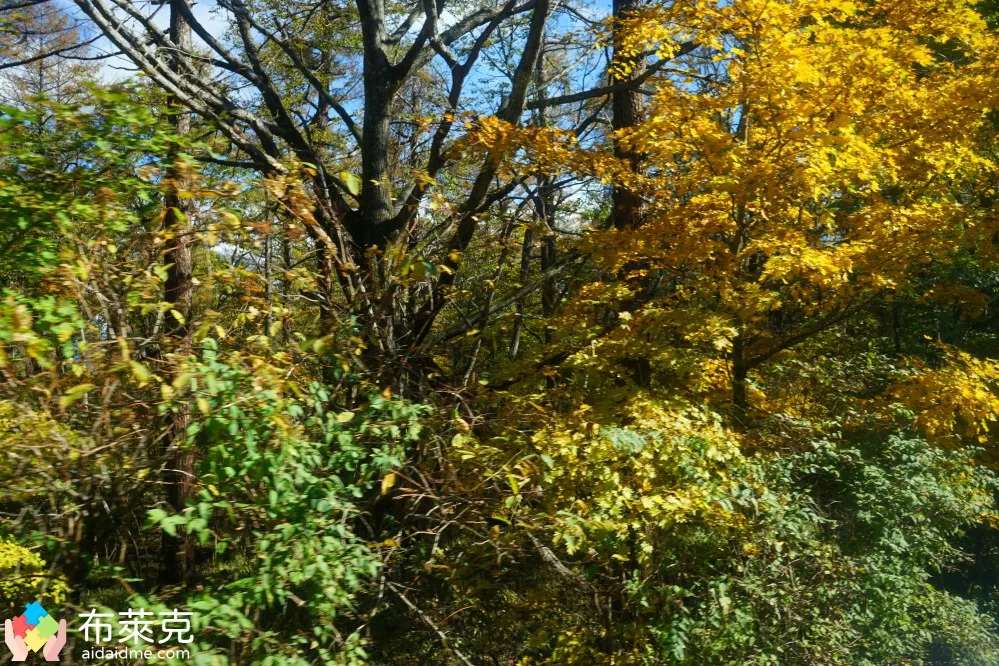
▲ Figure 3: The shutter speed is not fast enough causing image afterimage
set toThe advantage of Aperture Priority A (Av) mode is that the aperture can be adjusted by itself. You can shoot with a wide aperture, which creates a shallow depth of field so the viewer can better understand the key points you want to emphasize.
2. Lower the sensitivity ISO
Generally speaking, when you want to take pictures of flowers, it is during the day when you can see the plants. At that time, there is enough light and you can rely entirely on the sun, so you do not need to have a too high sensitivity. You should try to lower it as much as possible.
Lowering the sensitivity will reduce noise and make the plants look more beautiful!
3. The focal length of the lens is appropriate
The lens is one of the factors that affects the composition. In most cases, just prepare a standard lens, such as a 24-70mm lens. If you want to take pictures of the sea of flowers, use 24mm. If you want to take pictures of the leaves of flowers, use about 50mm.
You may have heard the saying “You need a macro lens to take pictures of flowers”, so you are researching which one is better to buy. In fact, the magnification of macro lenses is quite high, which means that objects of 1:1 size can be displayed on the camera. The main purpose is to take pictures of the veins on leaves clearly.
If you just want to go to a flower expo or something on a whim, then I don’t think you need to consider these special lenses. I don’t think anyone will do this! XD
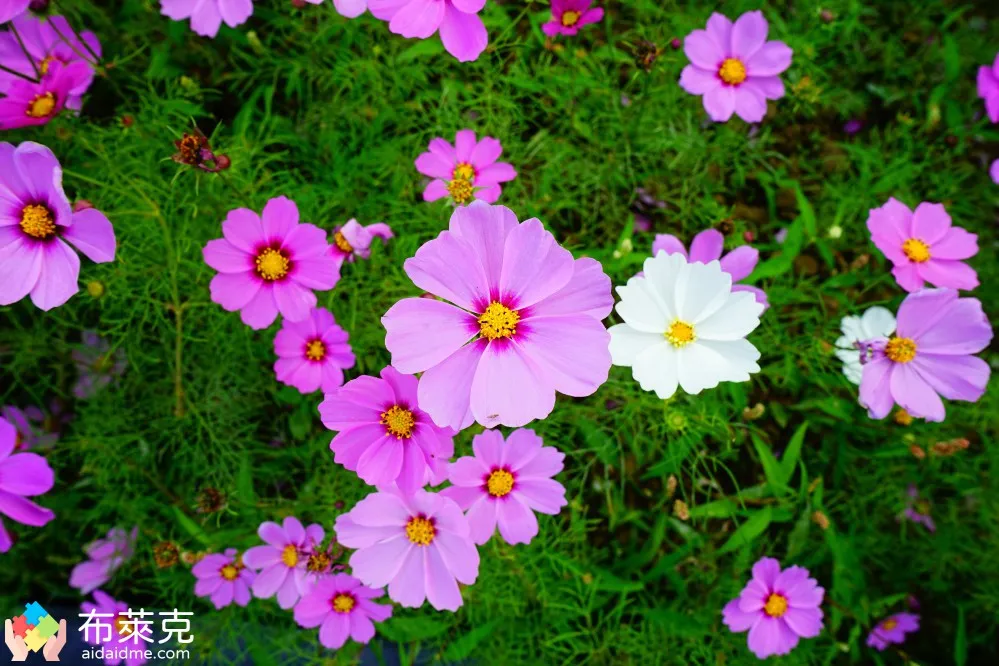
▲ Figure 4: You can also use a standard zoom lens to take close-up shots
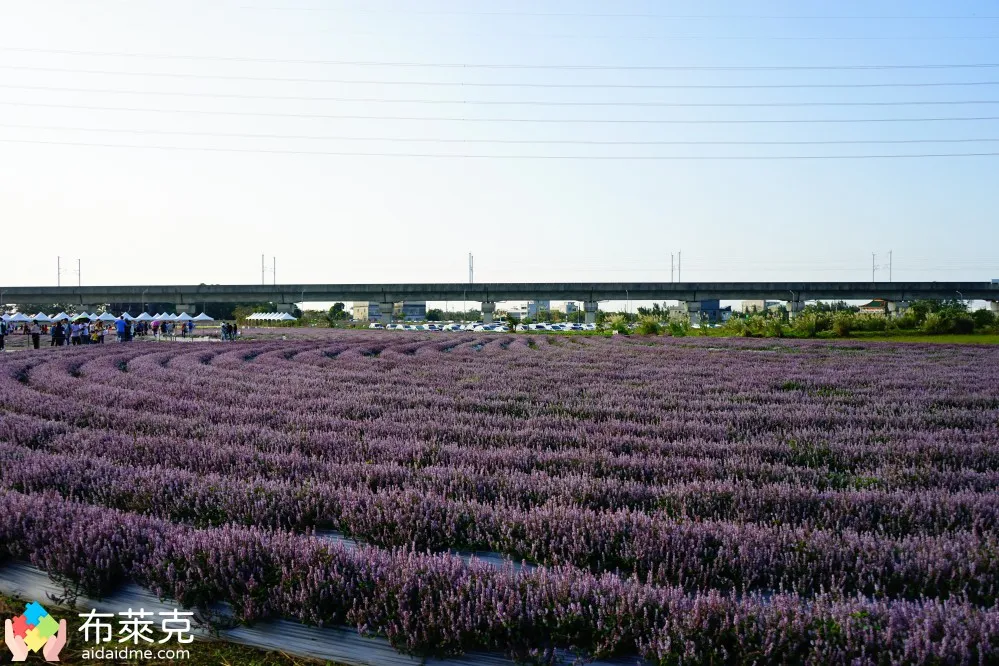
▲ Picture 5: It’s no problem to take pictures of vast scenery
4. Pay attention to the minimum focusing distance
The editor knows that you will definitely want to take closer photos of plants, but each lens has a minimum focusing distance.When the distance between the camera and the plants is shorter than the minimum focusing distance, the camera will not be able to focus properly, and blurry plants will be captured.。
But you know what? closest focusing distanceNot reallyIt is calculated from the front edge of the lens, but from the sensor of the camera body. No matter which brand of camera it is, you should be able to find the “Φ” symbol, which is the location of the sensor.
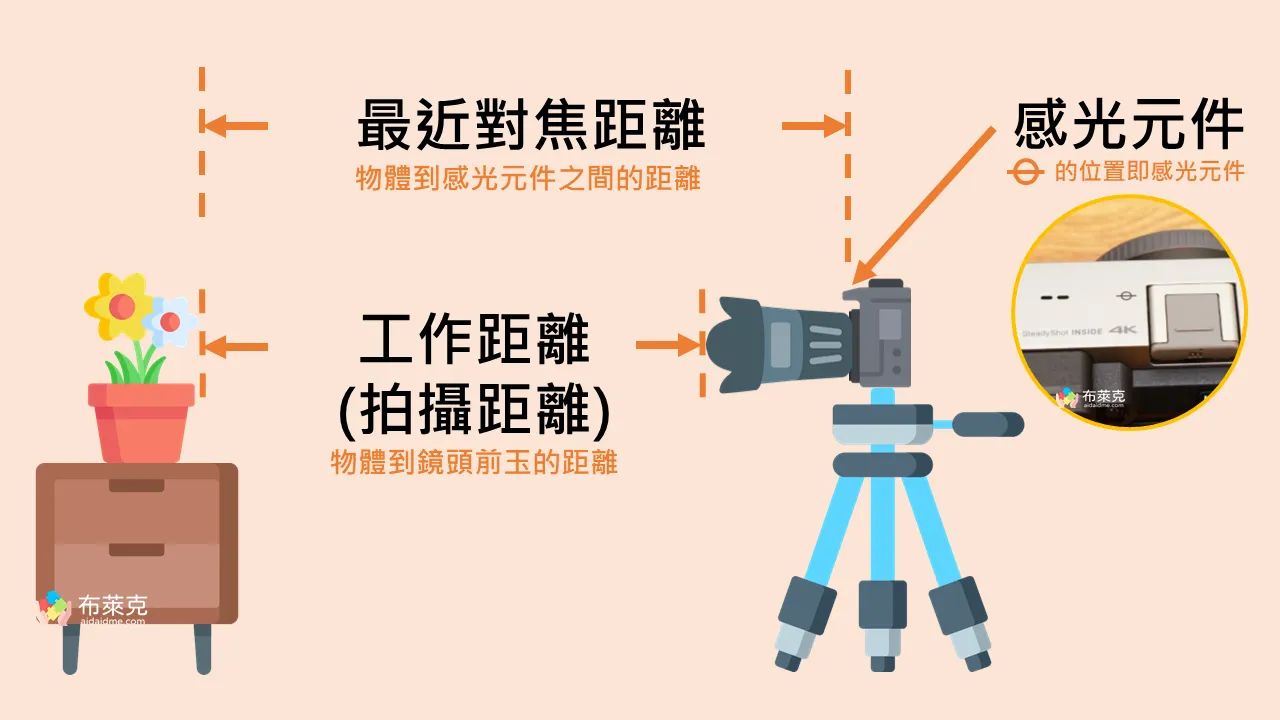
▲ Figure 6: The difference between the minimum focusing distance and the working distance
The above are the recommended settings when photographing flowers. Here are a few techniques for photographing flowers. If you haven’t mastered them yet, you can learn them quickly!
Tip 1: Use a wide aperture to shoot
When there are many flowers in front of you, you can switch the camera to a wide aperture, and then focus on the plants that you think look good. A wide aperture creates a shallow depth of field, so the subject of the flower is more distinct and undisturbed by the surrounding environment. This is also a flower photography technique I use very often.
However, if the aperture is too large, the depth of field will be too shallow. The stamens of the same plant may still be in focus, but the surrounding leaves will be out of focus. This will take a few attempts, but fortunately the plants are stationary, so you have a lot of time to try different apertures. If you don’t feel good, just find a suitable angle and composition.
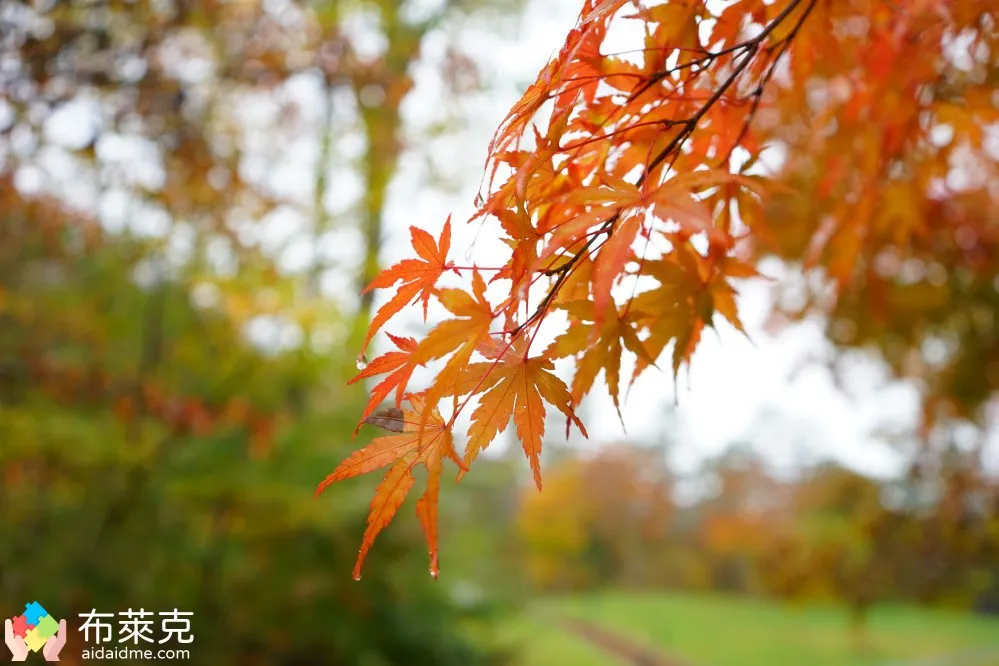
▲ Figure 7: Close-up shooting with a large aperture can blur the background and highlight the subject.
I have seen some plant photography taken early in the morning.The purpose is to take pictures of morning dewdrops. The way the water droplets remain on the edge of the leaf is very beautiful. It would be better to take a close-up or macro lens, but unfortunately I can’t find a similar photo to post.(Maybe it’s because I can’t get up in the morning)
The most important concept when learning photography is not to be greedy. Don’t try to include all the scenery you see in front of you in the photo. You must be able to discard some of the surrounding scenery. This can be easily done with a wide aperture.
If you don’t need to take a close-up shot, you can change it to a side shot, so that the plants in the foreground and background will be blurred, and only the plants in the middle will be in focus, allowing the audience to focus on that range.
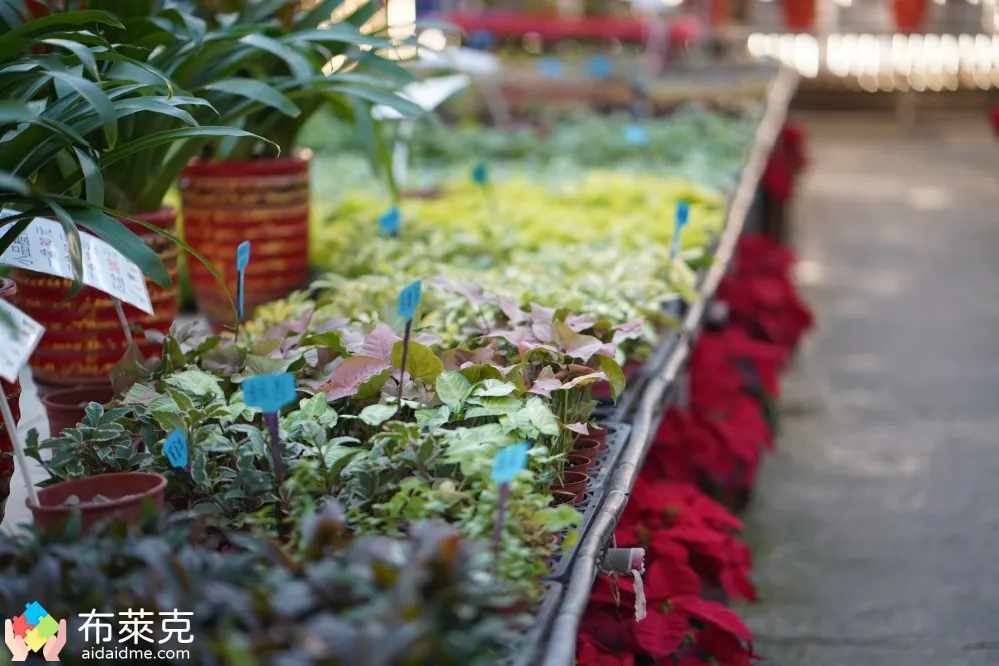
▲ Figure 8: The large aperture makes the front and rear backgrounds hazy, highlighting the plants in the middle of the picture
Tip 2: Use quantity and beauty to create a sense of beauty
In addition to shooting with a wide aperture, you can also use the wide-angle end of the zoom lens to shoot the entire sea of flowers. For example, at flower expos that are common in spring, there are a lot of plants. At this time, narrowing the aperture and deepening the depth of field will take good photos of the entire sea of flowers.
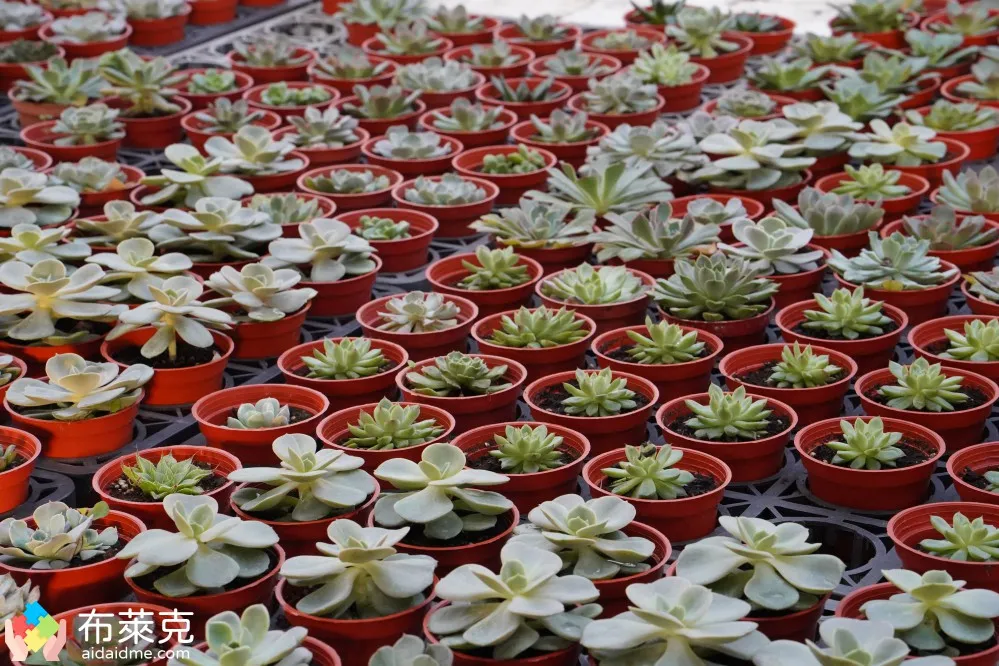
▲ Figure 9: Narrow the aperture to deepen the depth of field and shoot farther
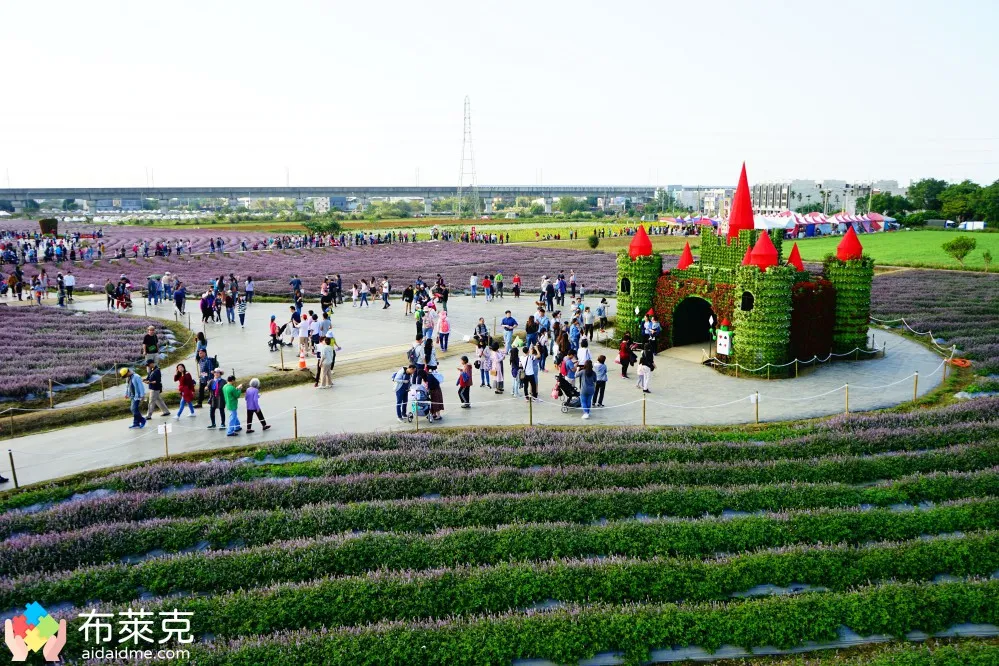
▲ Picture 10: The entire sea of flowers creates a sense of beauty
This is the same as the “repetitive composition” of photo composition techniques, which uses a large number of similar items to appear repeatedly in the picture to emphasize that the subject is not single and make the picture more visible. I have shared some commonly used photography composition ideas before. If you are interested, the links are below.
Tip 3: Make good use of the power of sunlight
When sunlight hits the plant, there will be shadows, which will make the leaves more three-dimensional, and the color of the leaves will be more vivid and saturated. For example, the strawberry leaves in the picture below are quite green, and the overall picture is just right.
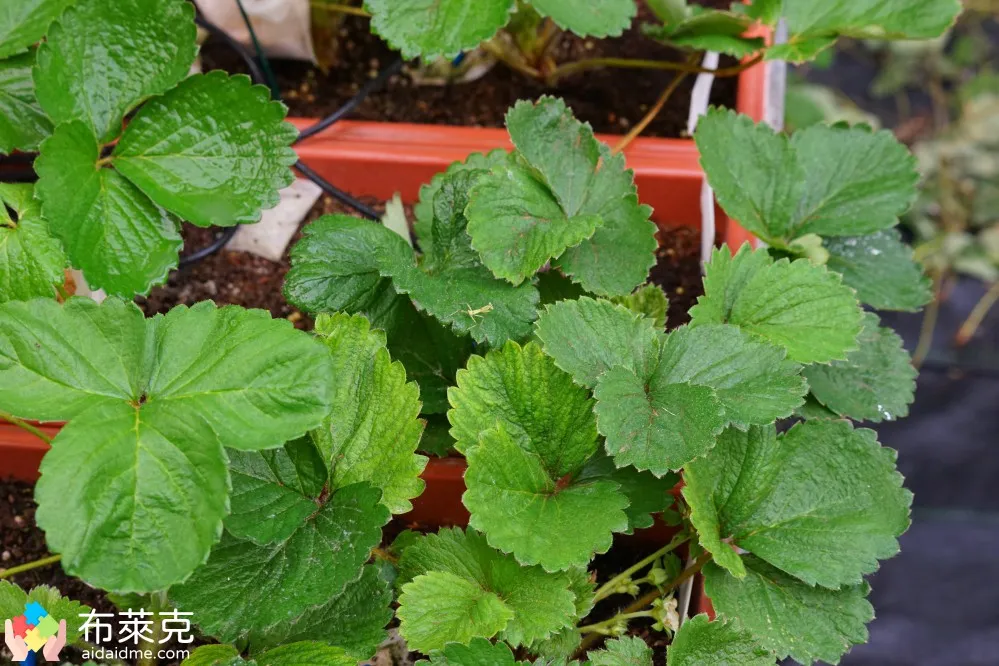
▲ Figure 11: The sunshine makes the leaves more colorful
If you take the photo with backlight, you can see the silhouette of the plants. Although you can’t see the color clearly, you can only see the clear outline. The contrast between light and dark creates a contrast that makes the photo more attractive. This is also another way of presenting photos, each with its own characteristics.
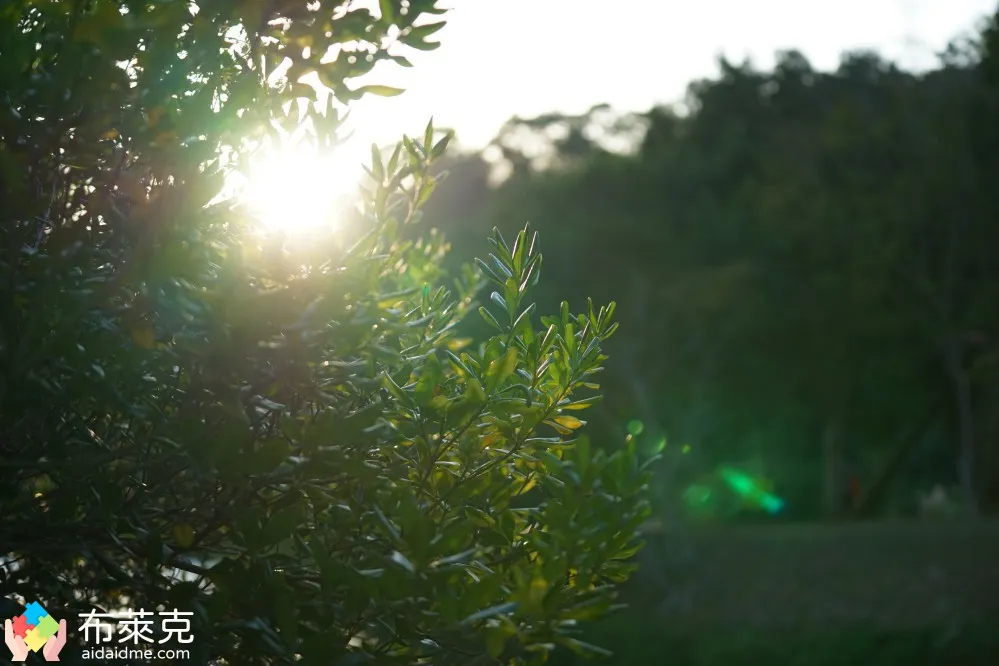
▲ Figure 12: Plant silhouettes formed by backlighting
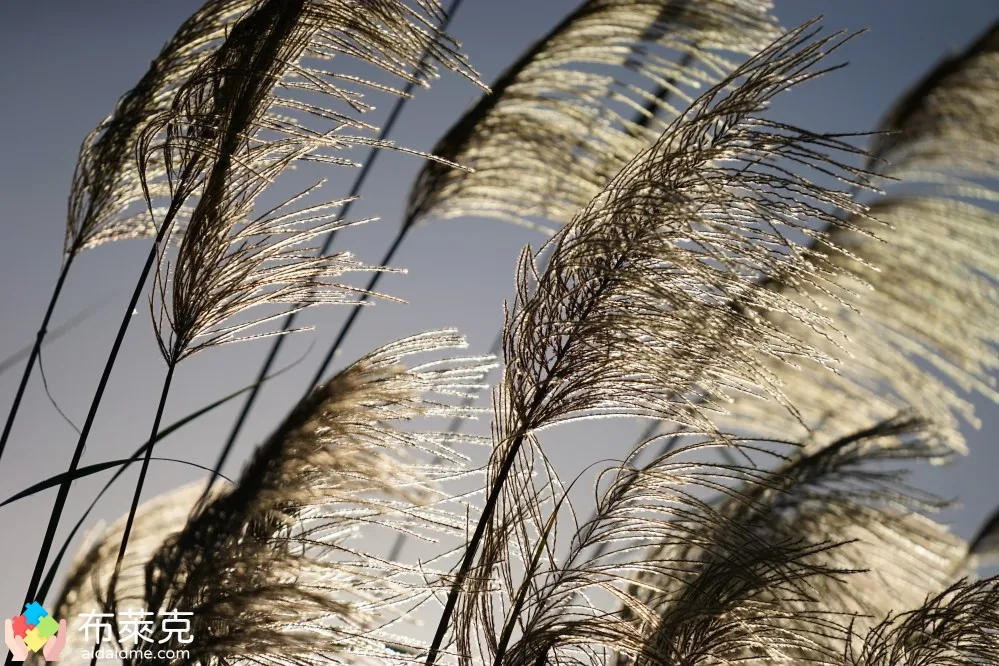
▲ Figure 13: Distinctive light and dark contrast
Tip 4: Please match it with a good-looking background
Plants themselves are a beautiful subject no matter how you shoot them. When paired with a “meaningful” background, you can increase the atmosphere and let the background highlight the subject, giving people the feeling of being immersed in the scene. But be careful! It is best not to make the background too cluttered, otherwise it will affect the overall harmony!
For example, the photo below was taken in Karuizawa, JapanHoshino Resorts BEB5In the photo taken, the modern aesthetic architecture is paired with the golden and beautiful maple leaves, which is very impressive at first glance.
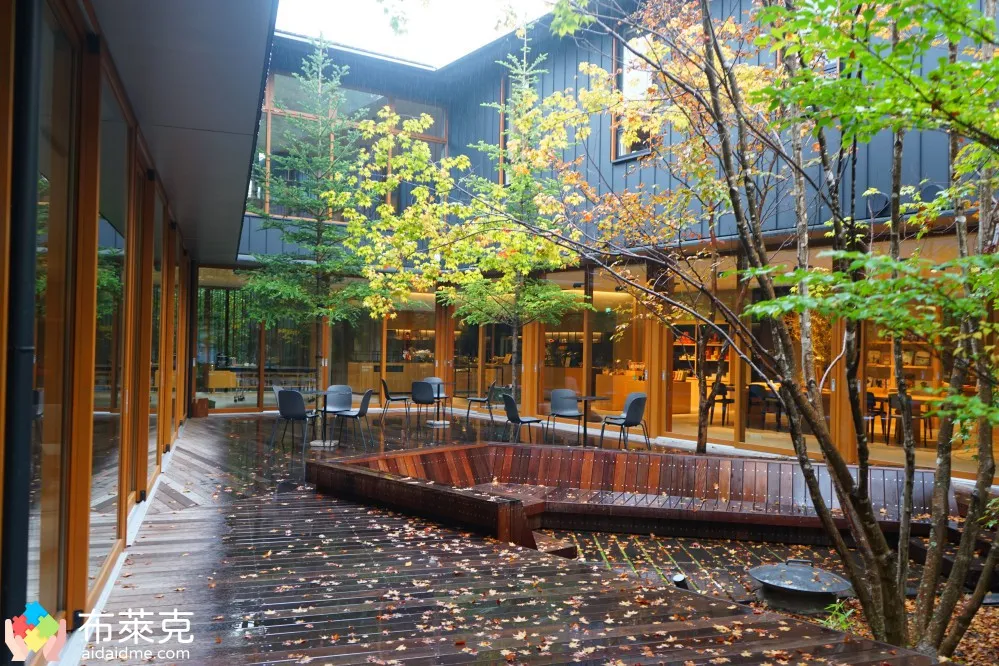
▲ Figure 14: The aesthetic architecture and golden maple leaves are harmonious together.
Another photo was taken at the wooden building next to the Plateau Church. The maple leaves and antique buildings make it feel like walking into a paradise.
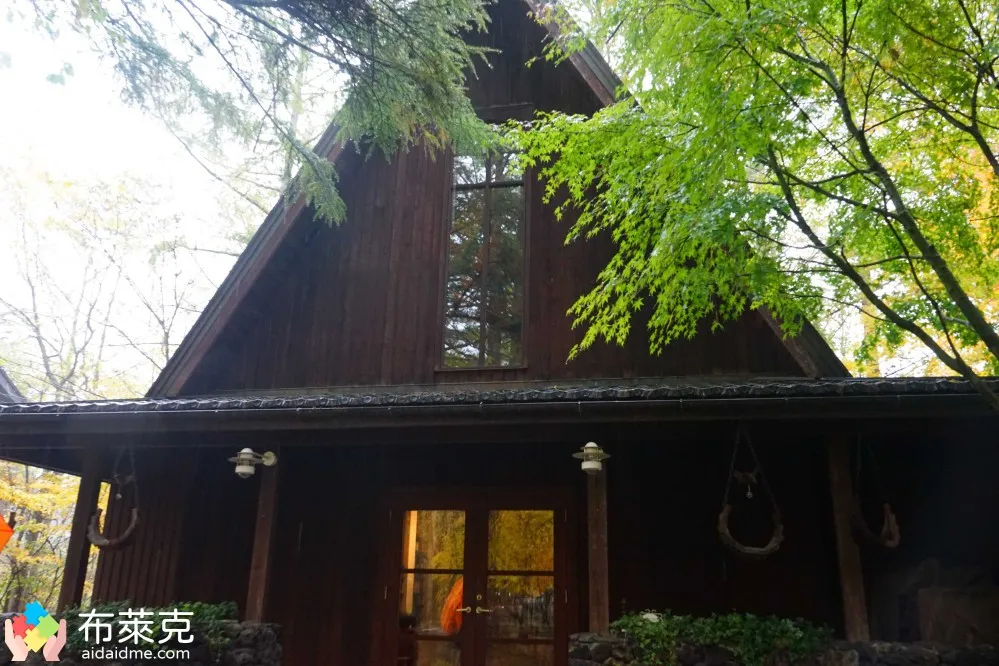
▲ Figure 15: The wooden building with a steeple shape is very artistic.
Tip 5: Use colorful colors to attract attention
Colorful colors are always eye-catching. For example, Huahai likes to plant plants of different colors in the same area. If you look around, you will see colorful colors, which is quite pleasing.
The picture below shows maple leaves in different colors such as red, green, yellow, etc., which makes people feel particularly good when looking at them. They are definitely more beautiful and pleasing to the eye than maple leaves of a single color.
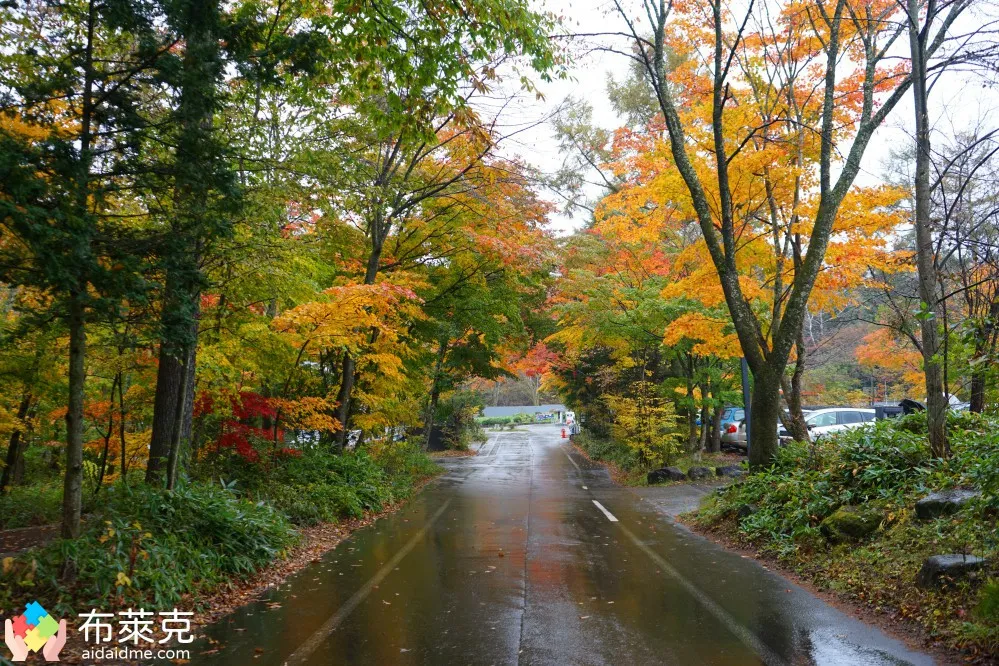
▲ Picture 16: The pleasing maple leaves
If you feel that the color is not prominent enough, you can consider the following two methods:
1. Use a polarizer
The principle of polarizer is to block interfering light and achieve“Increase saturation”and“Reduce reflection”effect. You can see the difference by looking at the effects of the two pictures below. If you are using a mobile phone to read the article, please temporarily increase the brightness of the screen! You will clearly feel the difference.
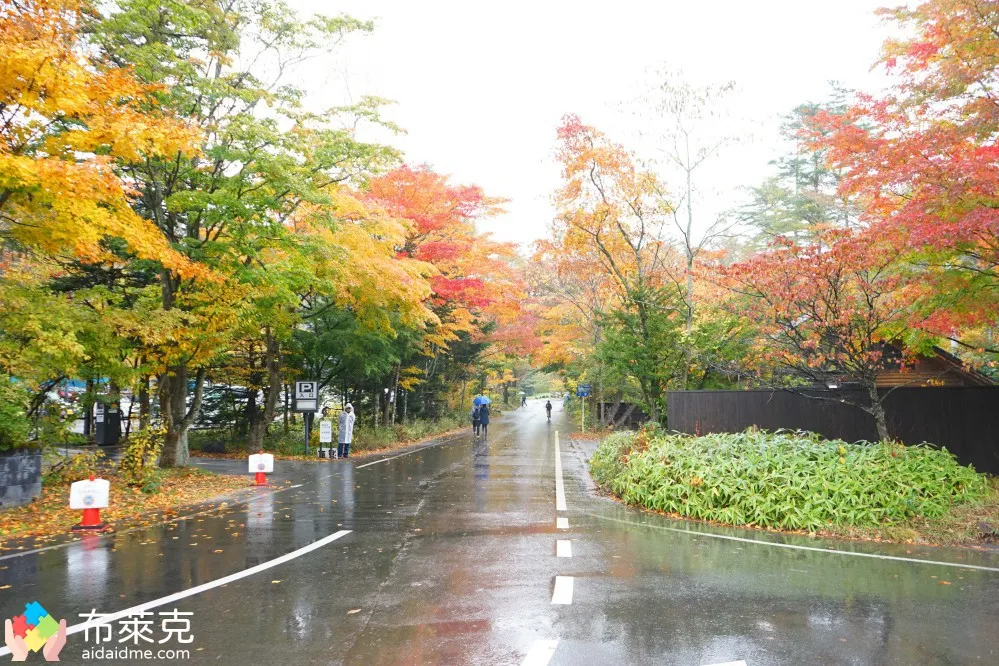
▲ Figure 17: No polarizer was used, some areas were overexposed
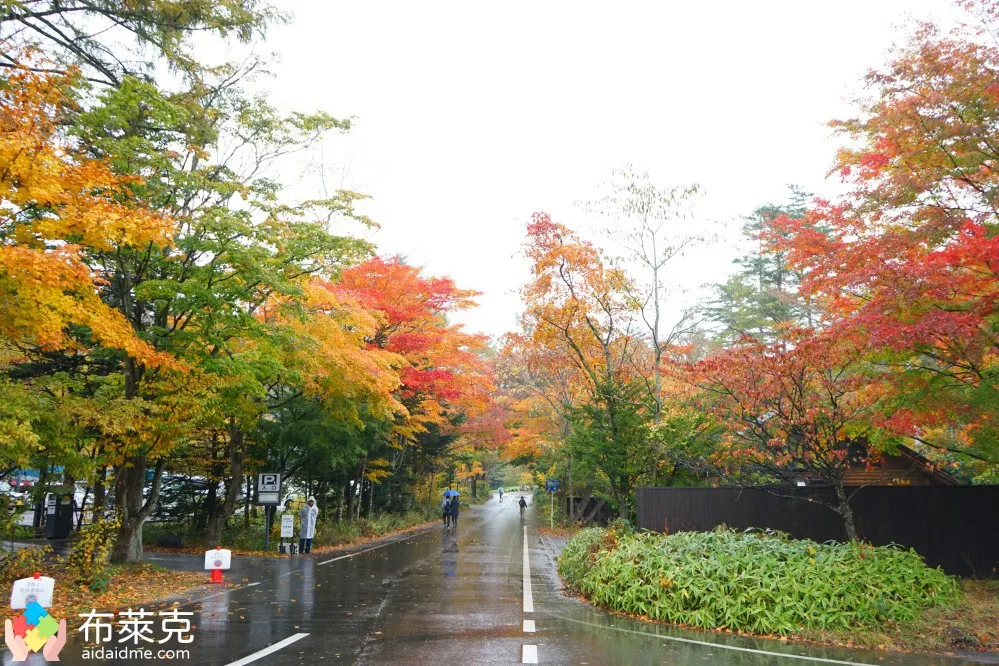
▲ Figure 18: Using a polarizer, the maple leaves in the picture become redder
Want to know more about how to use polarizers? Then you should read this article!
2. Make good use of complementary colors
Opposite any color on the hue wheel is its complementary color. Complementary colors can create contrast, such as:
■ blue with ■ orange color
■ red with ■ green
■ yellow with ■ Purple

▲ Figure 19: Hue circle/from Wikipedia
If the colors on the flowers happen to be complementary colors, it will be more vivid and make it clearer to the audience who the main character is.
▲ Figure 20: Use complementary colors to highlight the subject
Tip 6: Make characters more distinct in the frame
Photos are for people to see, and people should be added to the scene on appropriate occasions. In addition to adding variety, they can be more fascinating. For example, in the picture below, I happened to encounter a newly married couple heading to the hotel, surrounded by maple leaves that had just bloomed. The picture was so beautiful that I clicked the shutter.
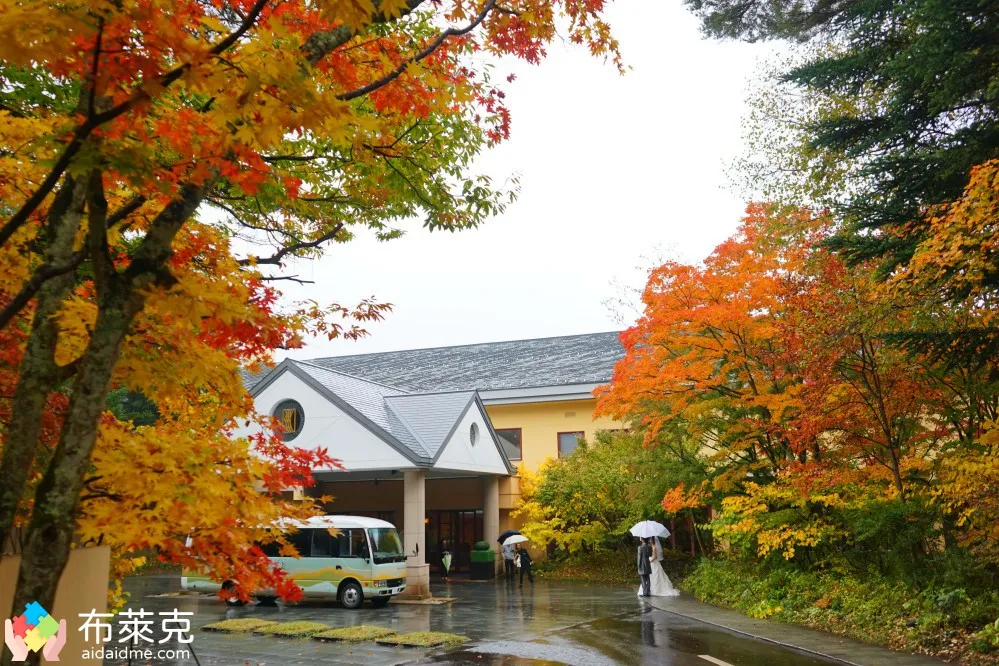
▲ Figure 21: Increased changes when characters enter the mirror
Many online beauties or online handsome guys will use this method to let the characters enter the sea of flowers and then smile brightly. Of course, you can also deliberately not look at the camera, which also has a different flavor! You might as well give it a try! Be careful not to step on the flowers!
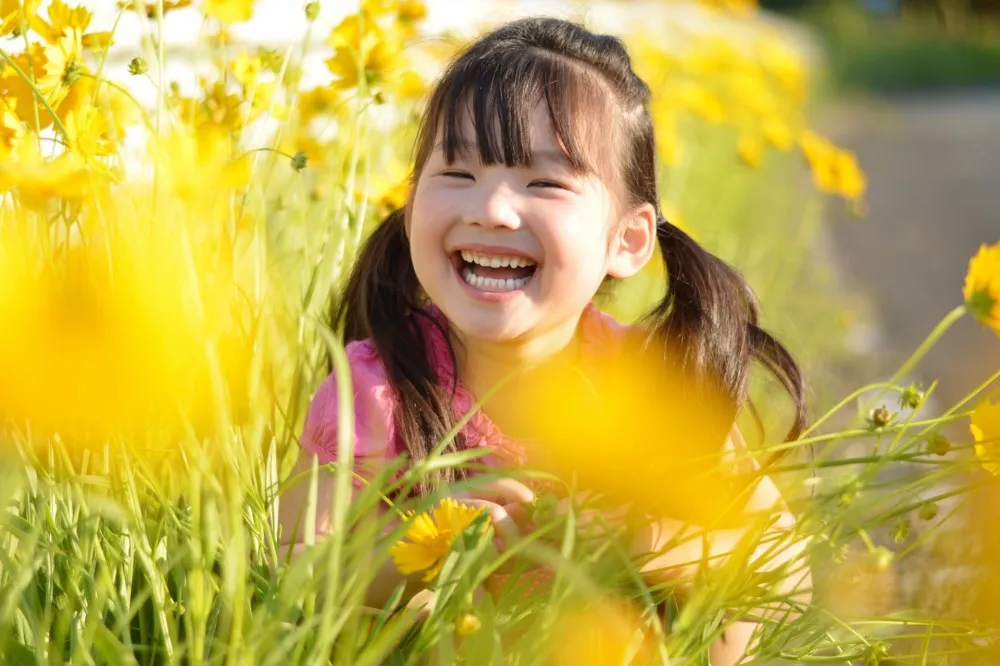
▲ Figure 22: Little girl in a sea of flowers/from Photo-ac
Conclusion
Plant photography is a very common photography subject. Remember these 6 practical flower or plant photography tips, I believe it will help you one day in the future. It is already spring when I write this article, which is when many flowers start to bloom. Therefore, I am taking this time to share it with you for your reference.
One more reminder, on this photography journey, the most important thing is to discard some unimportant scenery, so as not to affect the performance of the protagonist. I hope this sharing can inspire you who like photography, and you can try it out next time you encounter the flower season!
If you like the above article, welcomeSubscribe to newsletter, and you will receive photography-related teaching articles!
by Engineer Blake
Source: KOCPC Chinese