


Do you have children at home? If so, you will definitely find it difficult to take pictures of them, and they will often take blurry photos. After all, they have no idea what the adults are doing and will not cooperate with you at all. What can you do at this time? This article will share with you 6 tips for photographing children, so that you can properly record their growing moments.
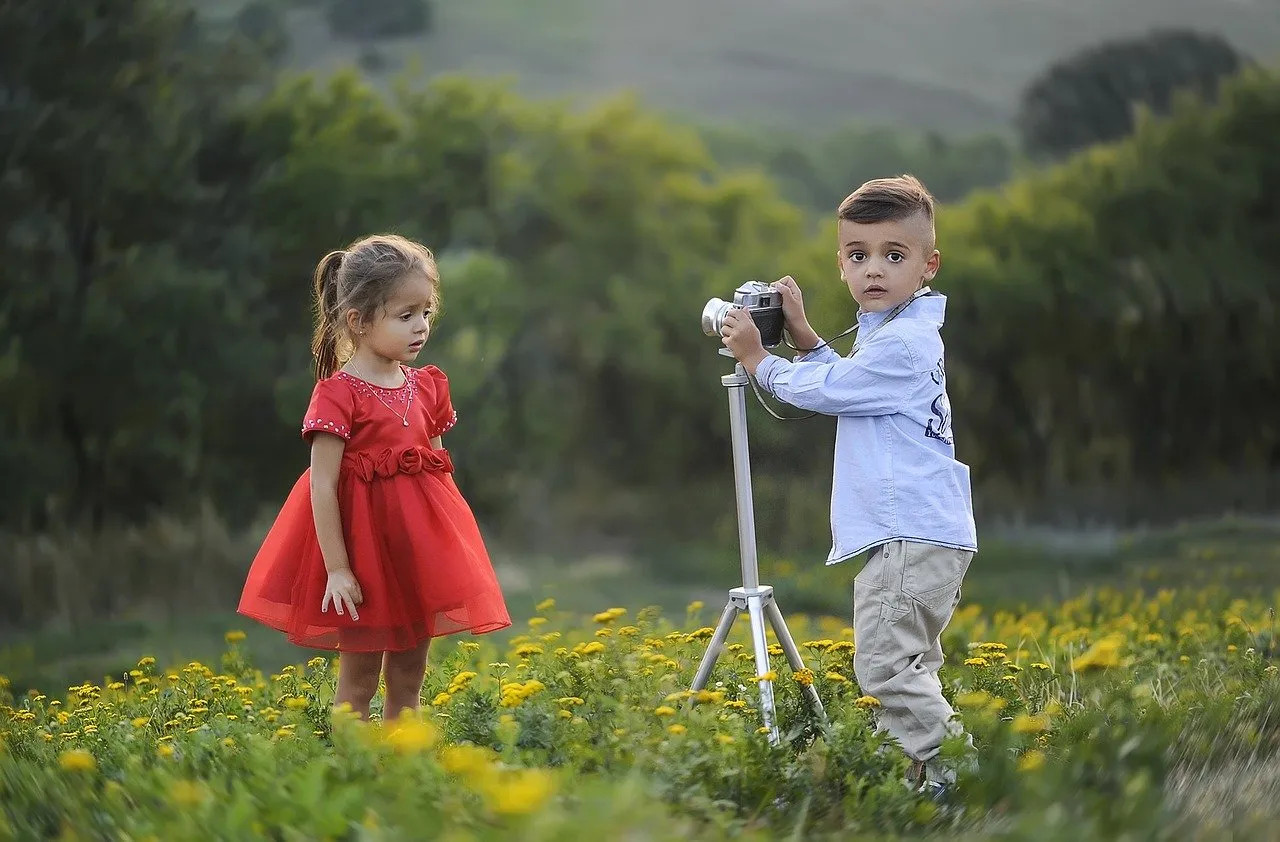
▲ Figure 1: How to master children’s photography skills? /From Pixabay
Camera recommended settings
Shooting mode set to S (Tv) mode
We all know that children are lively and active. Of course, it is important to be able to control the shutter speed at this time, so it is recommended to adjust to S (Tv) mode.
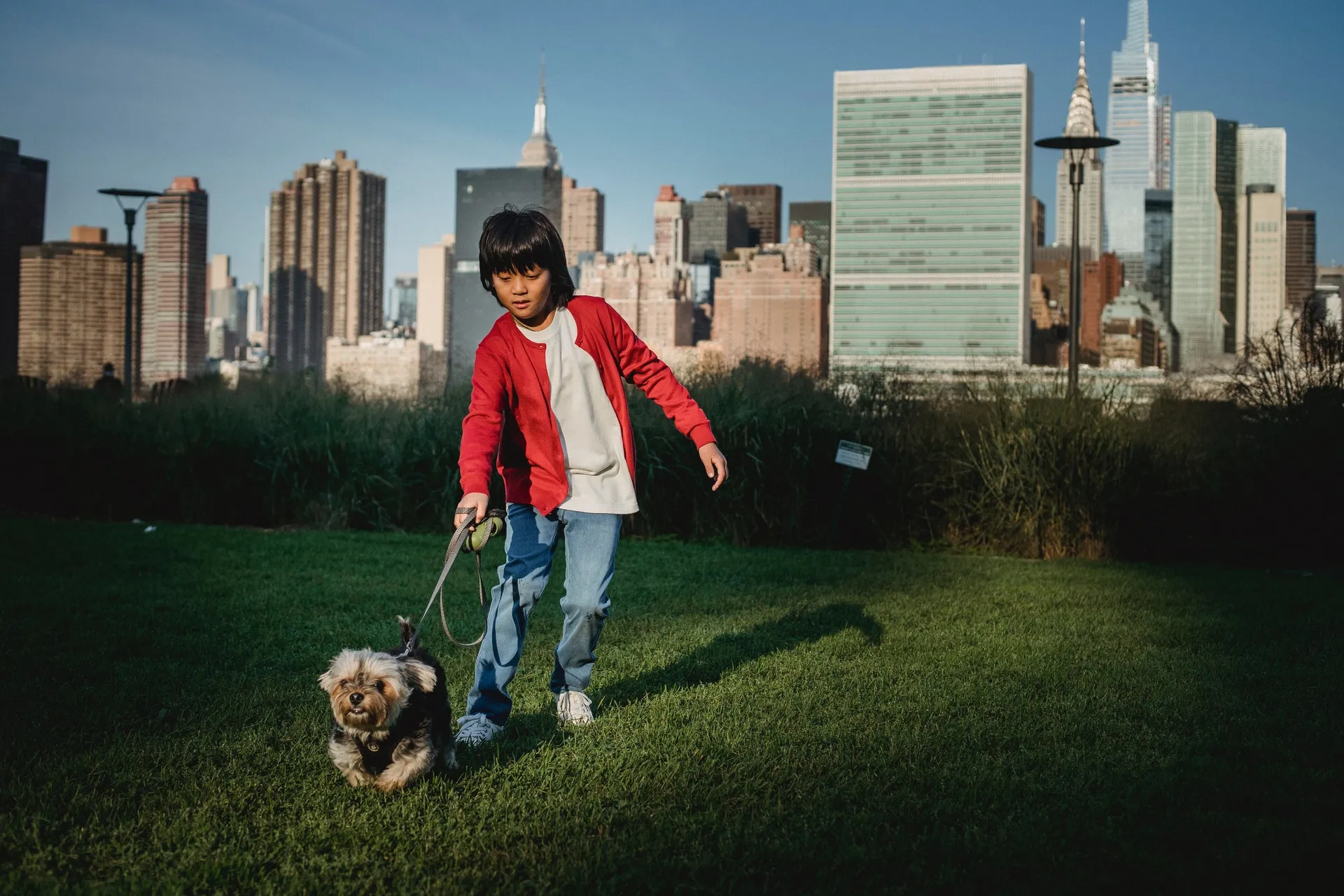
▲ Picture 2: Children walking the dog/from Pexels
By the way, if you want to know how to use the four PASM shooting modes built into the camera, I suggest you refer to this article. The editor will teach you how to use it in detail.
Shutter speed 2 stops higher than safety shutter
Now that you can control the shutter speed, what is the best shutter speed you should set? The editor suggests that the safety shutter should be used as the benchmark.
What is a safety shutter? This is a shutter speed term used only in photography circles. Simply put, it means that the shutter speed should be set at 1/焦距 seconds to maintain a clear picture. But there are exceptions to this! When the focal length is less than 50mm, the shutter speed is still the lowest 1/50 Just seconds.
| Full frame focal length | APS-C focal length | Safety shutter (seconds) | Shutter speed for taking pictures of children (seconds) |
| 16mm | 11mm | 1/50 | 1/200 |
| 24mm | 16mm | 1/50 | 1/200 |
| 50mm | 33mm | 1/50 | 1/200 |
| 80mm | 53mm | 1/80 | 1/300 |
| 100mm | 67mm | 1/100 | 1/400 |
▲ Table 1: Recommended values for full frame (APS-C) focal length and shutter speed
The above recommended shutter speed for photographing children is 2 stops faster than the safe shutter speed. If your camera or lens is anti-shake, or you are confident that you can hold it steady, the shutter speed can be slower.
Increase the sensitivity a little ISO
As the shutter speed becomes faster, less light will enter, so you can increase the sensitivity ISO a little to improve the overall brightness of the picture. For example, if the shutter speed is increased by 2 stops, the sensitivity ISO should be increased by 2 stops, so that the exposure will be correct and not too bright or too dark!
If you are outdoors, as long as there is sufficient light, it is better to lower the sensitivity ISO as much as possible to reduce noise. If you don’t know how to judge the brightness and darkness in the camera, you can judge it from the exposure indicator (also called a light meter) in the camera. To obtain the most normal brightness and darkness, try to keep the scale in the image below at 0.
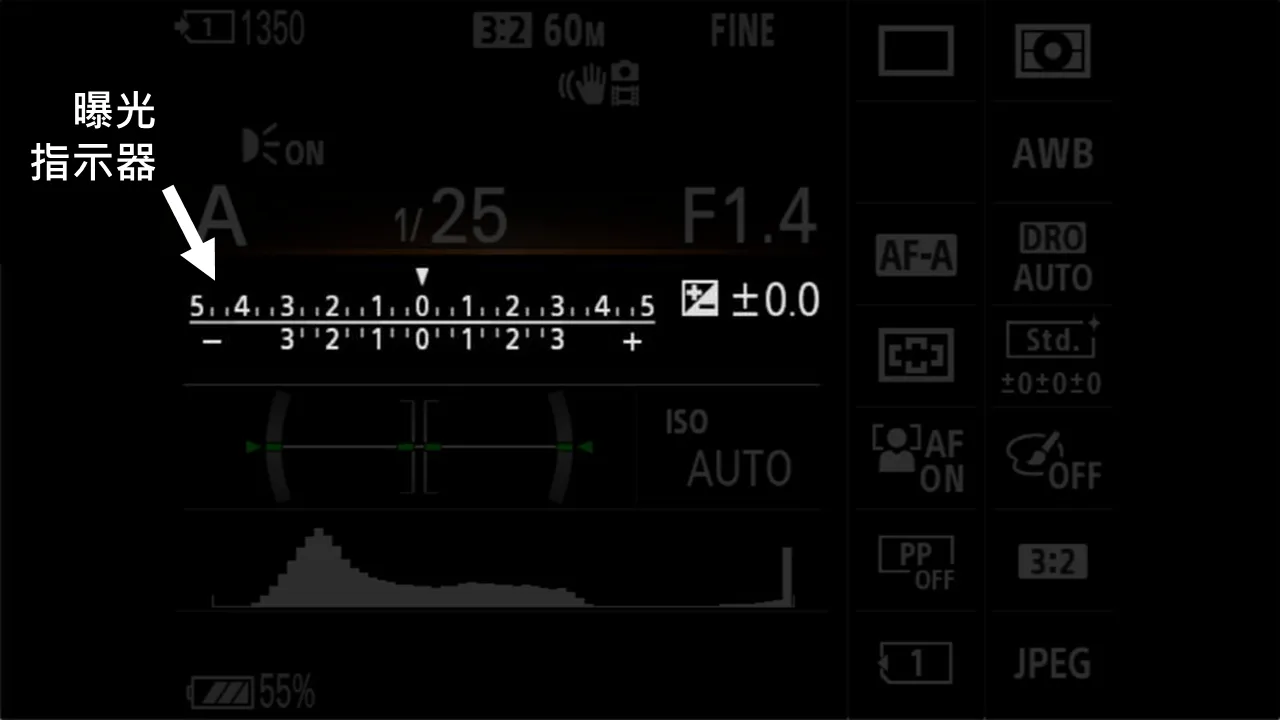
▲ Figure 3: Exposure indicator (light meter) on the camera/from Have Camera Will Travel
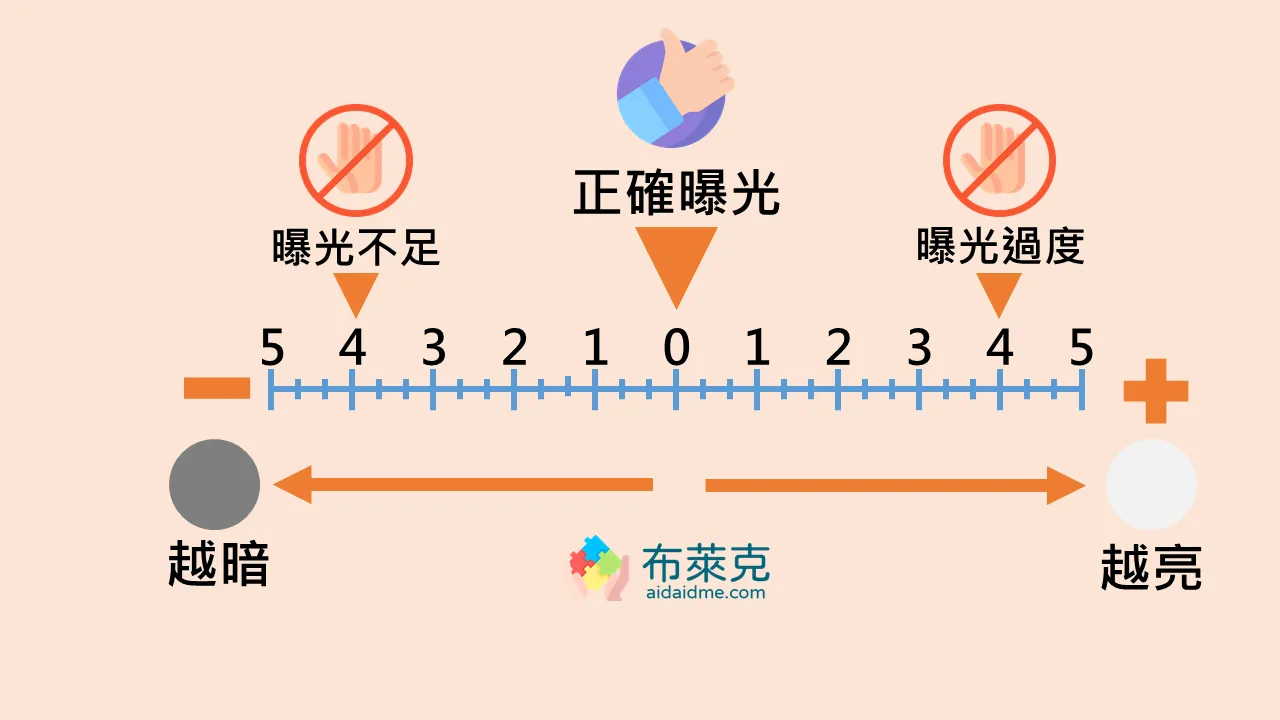
▲ Figure 4: How to interpret the exposure indicator
Focus mode is set to continuous focus
For many friends, they will use the camera’s default “Single Focus (AF-S)” mode to take photos. But this time I want to take pictures of children. They may move around the moment you press the shutter. Using single focus (AF-S) mode may result in blurry moments.
In order to ensure that you have a higher chance of not taking blurry photos, the editor recommends that you adjust to continuous focus (AF-C), so that children can accurately capture natural moments when they are playing, playing in the water, running around, or even crying. Of course, when a child cries, it’s more important to comfort him as soon as possible! XD
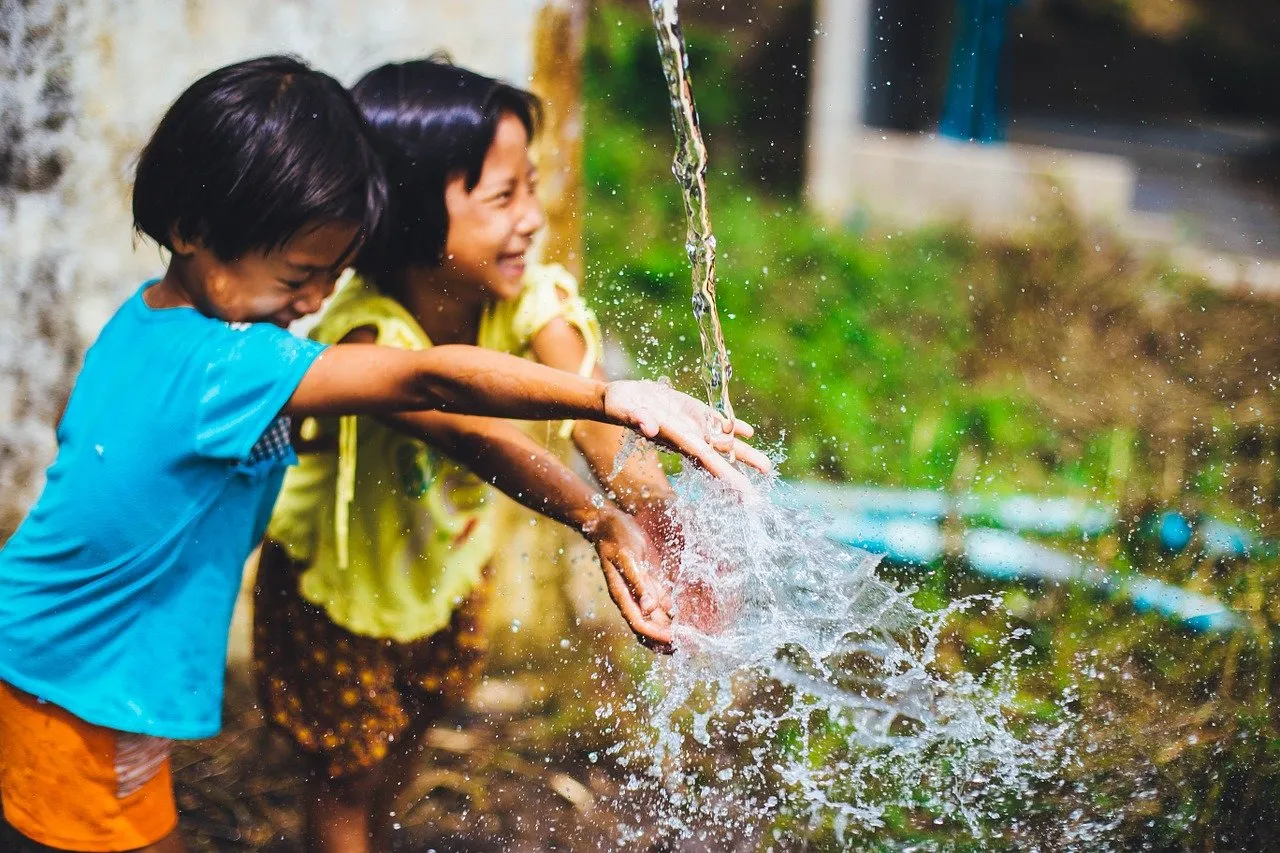
▲ Picture 5: The moment when children happily play in the water/from Pixabay
However, if your child stands there obediently and doesn’t move, it doesn’t matter if you forget to change to continuous focus (AF-C). After all, this is a static scene.
The above are the parameters that should be set before photographing energetic children. The following will introduce to you the common methods of photographing children, which are also steps that novice parents can learn! Hurry up and record their warm childhood!
The first trick: Close-up shots have a tension effect
Taking close-up shots of children is a good way to capture their expressions at the clearest possible level. If your child happens to be laughing very happily, making funny faces, or crying, it will usually have a good tension effect.
However, this only applies to situations where the child will not move around, such as if your child is lying on the bed, on a parent’s shoulder, or sitting in a chair. When he’s lively and active, he easily steals the show.

▲ Picture 6: The child is lying in bed in a daze/from Photo-ac

▲ Picture 7: The child is lying on the shoulders of his parents and smiling happily/from Photo-ac
Tip 2: Playful moments create wonderful moments
It is natural for children to be active. If you have free time on weekends, take them out to play. This will consume their energy as much as possible and make it easier for them to sleep at night! XD
When children are playing, try to take some fun photos. Some wonderful moments may be lifelong memories. When children grow up, you can also show them the hilarious deeds they have done in the past.
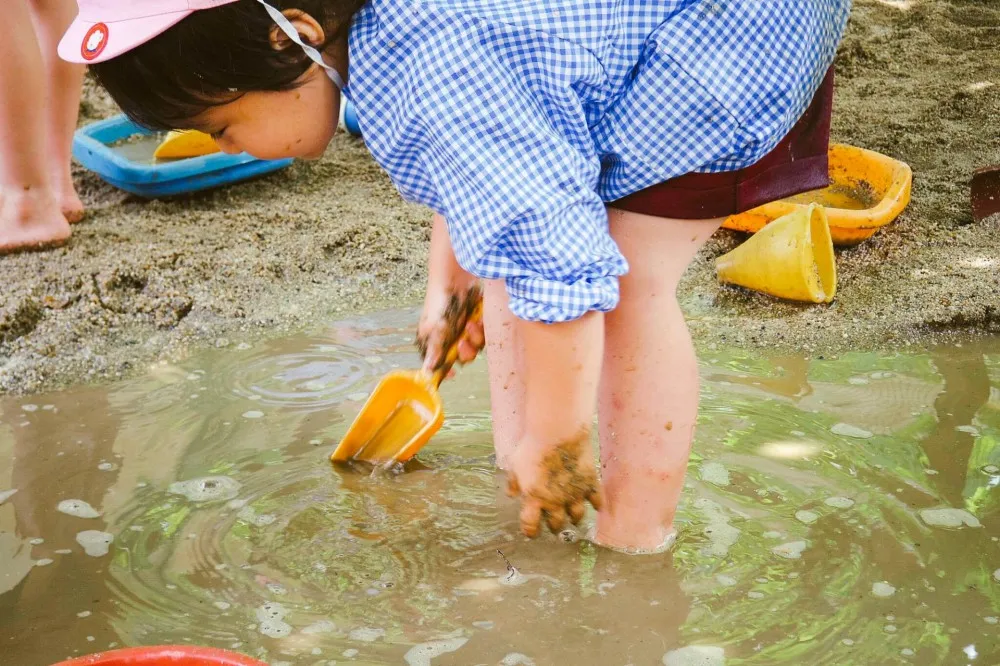
▲ Figure 8: Children playing in the mud puddle/from Photo-ac
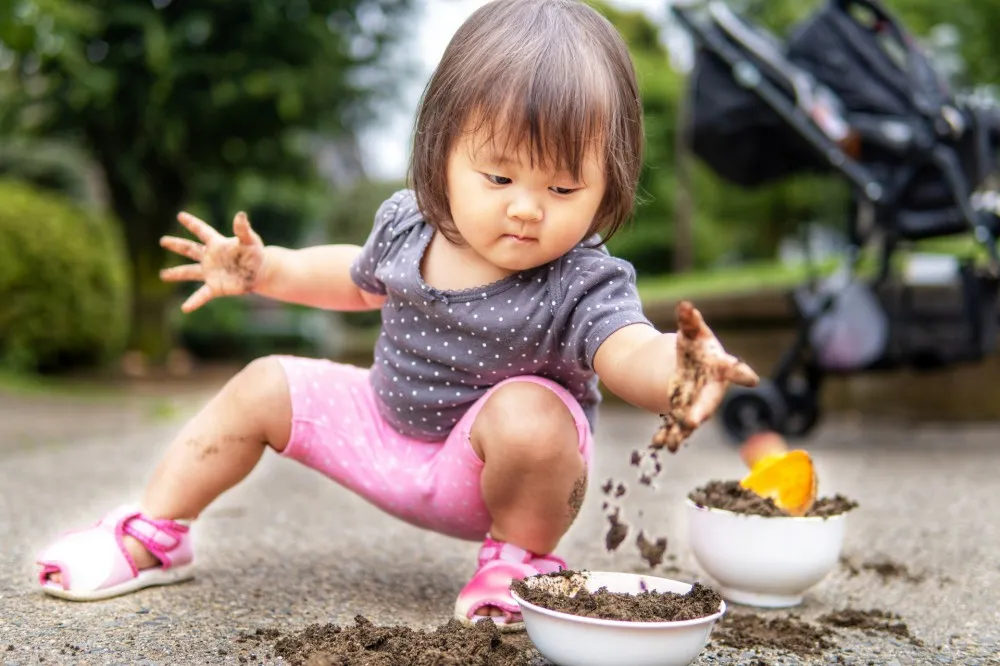
▲ Figure 9: Use sand to make a drinking game / from Photo-ac
I have mentioned the concept of safety shutter before. The editor feels that a fast enough shutter speed can indeed freeze the happy moments of children, but since it is for play, it should be able to maintain a bit of “dynamic”. You don’t need to set the shutter speed too deliberately, and then follow the movement of the child and shoot along with it.
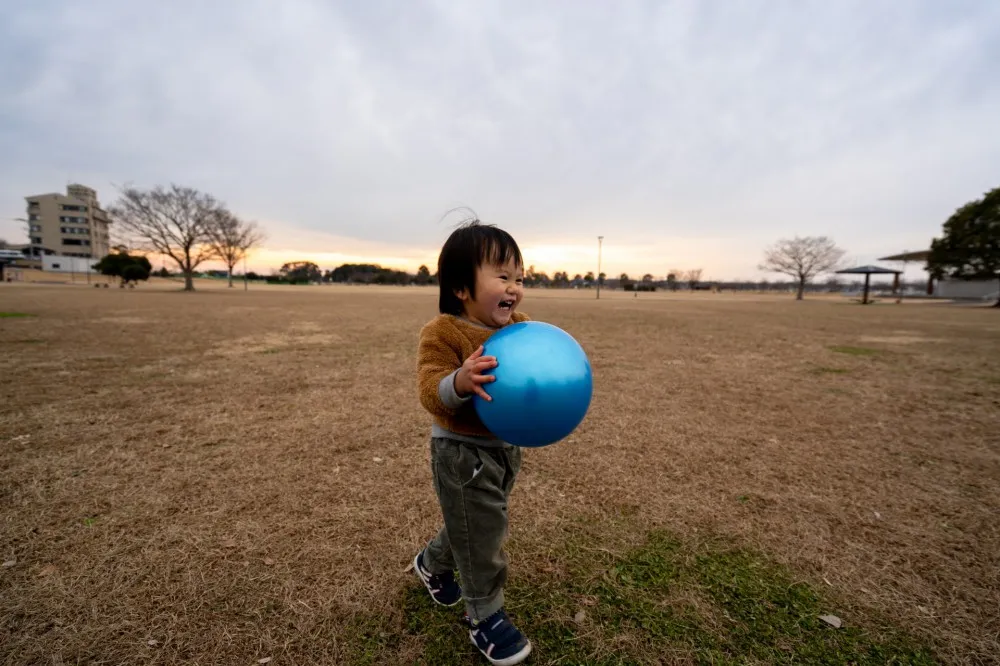
▲ Picture 10: Boys happily playing ball in the park/From Photo-ac

▲ Figure 11: The moment of playing on the slide/from Photo-ac
Tip 3: Please lower your posture to record your expression
The posture mentioned here is not a matter of attitude, but that the adult’s body should be kept as low as possible.
When parents take pictures of children, they often take pictures from an adult’s perspective. However, children are very short and it is easy to see their faces clearly when taking pictures from a high angle, making it more difficult to immerse themselves in the atmosphere at that time.
When photographing children, the angle of view should be lowered, almost to the child’s height, so that the child’s facial expressions can be photographed more completely, and a more sincere side can be recorded.

▲ Figure 12: A boy’s happy complete computer/from Photo-ac
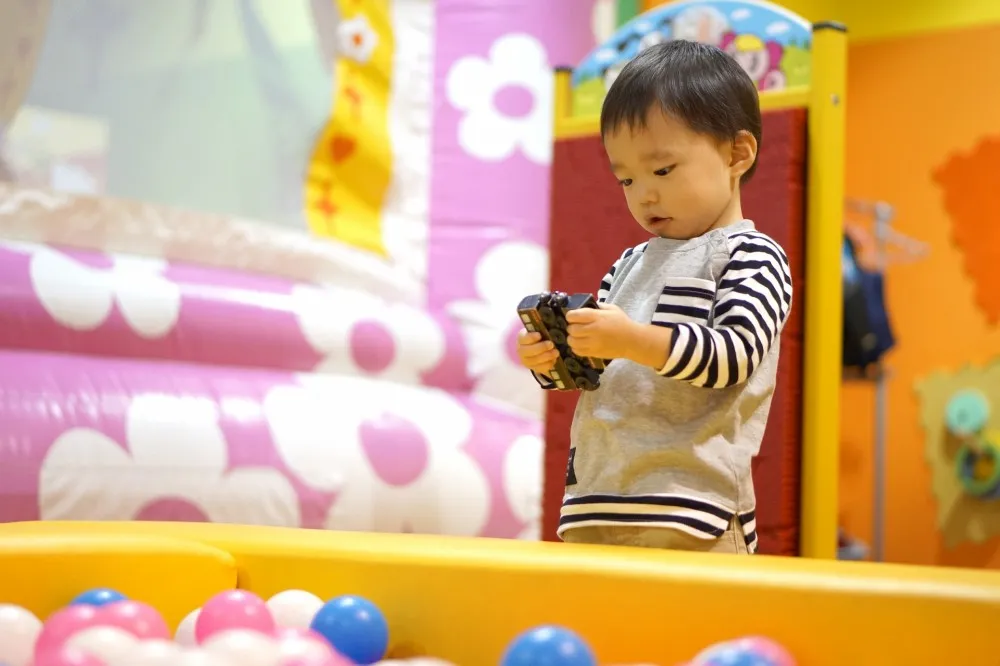
▲ Figure 13: Children playing in the ball pool/from Photo-ac
Tip 4: Please don’t force children to do poses
Sometimes adults always want their children to take a photo with the landmark there when they arrive at the scenic spot, and ask them to stand still and say “YA” to the camera. It is difficult for children to cooperate with the performance, and they may make some unnatural or embarrassing smiles.
Try not to limit the postures your children can make, and allow them to express themselves freely. This will give them the most natural and innocent smile.
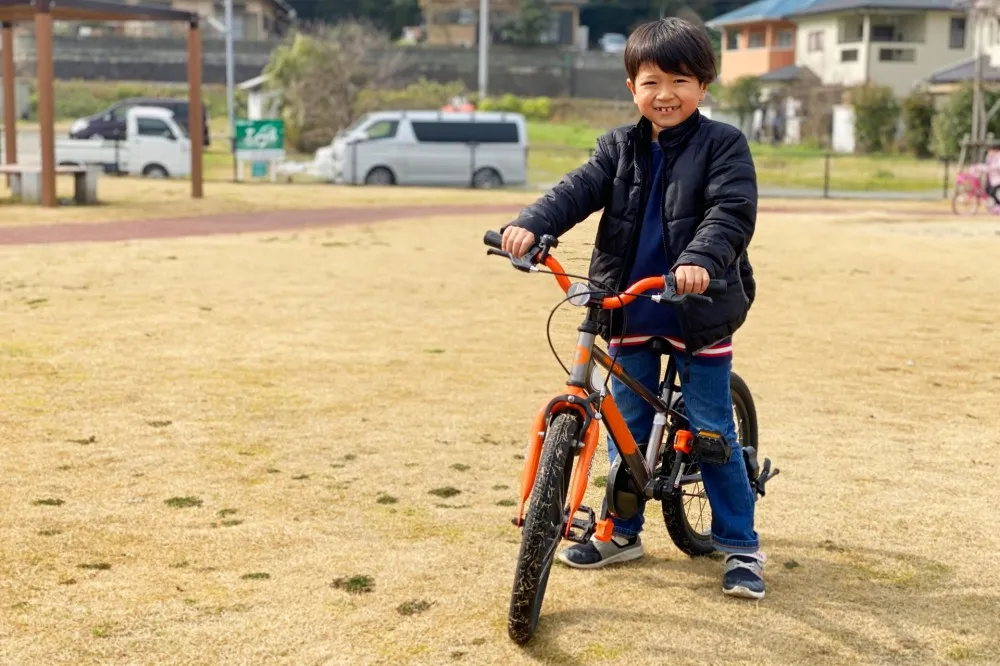
▲ Figure 14: Boy riding a bicycle/from Photo-ac
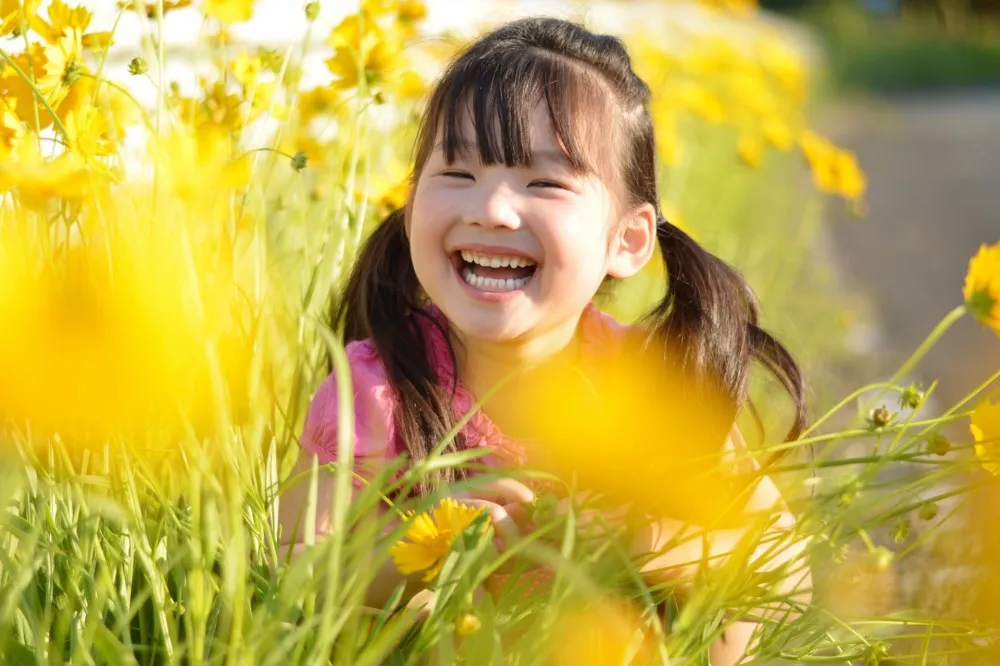
▲ Figure 15: Smiling girl/from Photo-ac
The fifth tip: Parent-child interaction increases warmth and emotion
In none of the techniques mentioned above, adults are involved in the scene; the protagonist is always just a child. In fact, if you want to take more warm and warm photos, you should put the interaction between adults and children in the picture.
However, in most cases, children are relatively close to their mothers, and at this time, their fathers can only stand by with envy and jealousy. Now the father’s task has come, which is to record the interaction between the child and the mother from the side, although it is still a jealous process. XD

▲ Figure 16: Parents and children study together/from Photo-ac
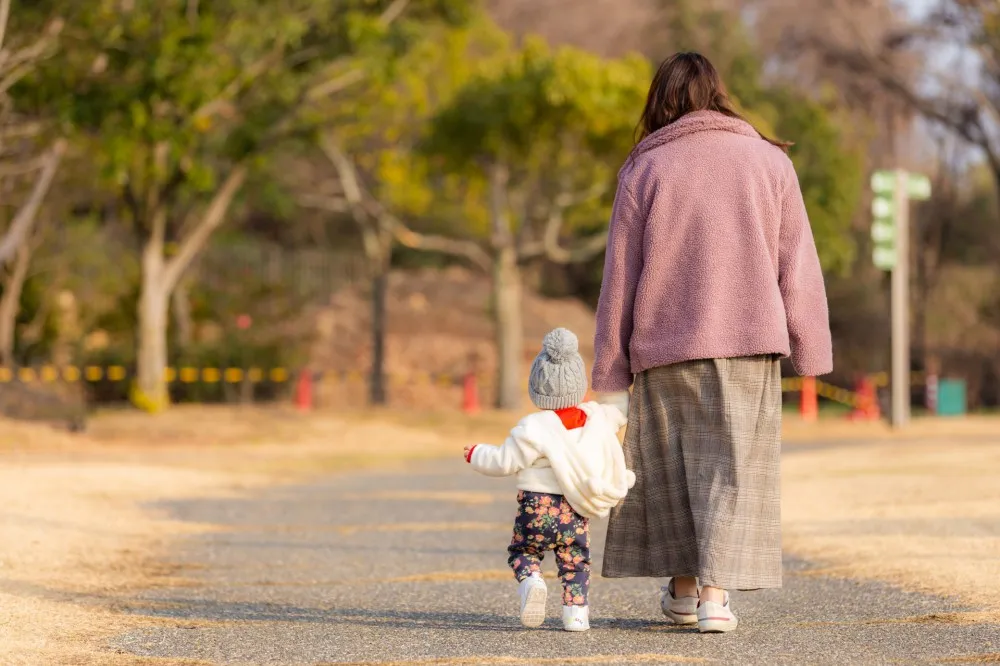
▲ Figure 17: Parents and children walking in the park/From Photo-ac
Tip 6: Taking video recordings also works
The previous techniques teach you how to take situational still images in your daily life. If you feel that the above techniques are difficult to master, you can also consider recording your child’s childhood through video.
Today’s cameras are generally good, with excellent and smooth picture quality, extremely fast focusing speed, and are even good at shooting slow motion. They are really different from previous eras!

▲ Figure 18: Video recording of a child’s growth/from Photo-ac
Conclusion
The techniques shared in this article are not very novel. Many of them don’t require spending a lot of time composing the picture. You just need to take the current picture at an appropriate angle and distance. Use a camera to record every important moment of your children and their growth process. When children grow up, looking through the past photos can help them feel the love given by their parents!
While compiling this article, I saw the innocent and unpretentious moments of children, which reminded me of many past events from my childhood. If photography technology had been as advanced as it is now, we would have been able to capture many interesting images, which would be interesting to look back on when we grow up.
If you like the above article, welcomeSubscribe to newsletter, and you will receive photography-related teaching articles!
by Engineer Blake
Source: KOCPC Chinese