


Meta has announced that, following the Meta Ray-Ban smart glasses, it will launch a new AI smart glasses, the Aria Gen 2. Meta says the Aria Gen 2 will unlock new possibilities in research fields such as machine perception, artificial intelligence, and robotics. Unlike the Ray-Ban Meta glasses, the Aria Gen 2 is primarily for Meta’s Project Aria research initiative, aiming to collect environmental data through the device and help Meta develop AR and AI-related technologies, laying the groundwork for future AR glasses. As a result, the Aria Gen 2 Meta is introducing this time features many upgrades compared with the previous version, such as longer battery life and better sensors.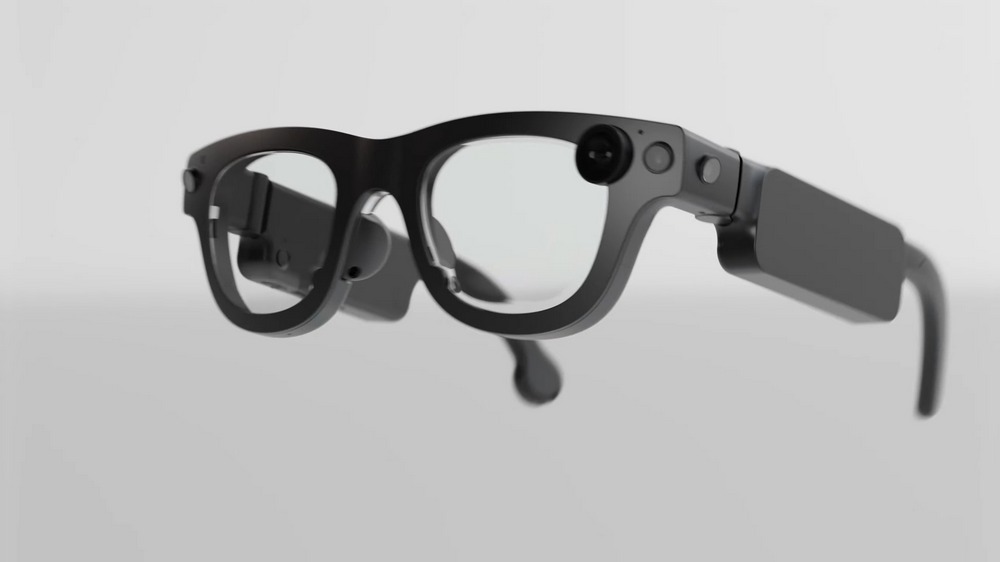
Meta launches Aria Gen 2 smart glasses! Boosting AR and AI research
Meta recently announced the launch of its next-generation AI smart glasses, “Aria Gen 2.” The purpose of Aria Gen 2 is somewhat different from the smart glasses Meta previously collaborated on with Ray-Ban. Aria Gen 2 is primarily used for Project Aria research, serving as smart glasses that Meta has developed for the advancement of future AR eyewear.
What is Project Aria? Project Aria is a program launched by Meta starting in 2020, mainly focused on research into augmented reality (AR) and artificial intelligence (AI) technologies based on the user’s perspective. It collects users’ multimodal data to improve machines’ understanding of the environment, thereby advancing current AR and AI technologies. Meta also provides Aria glasses and software development kits for researchers to conduct their studies.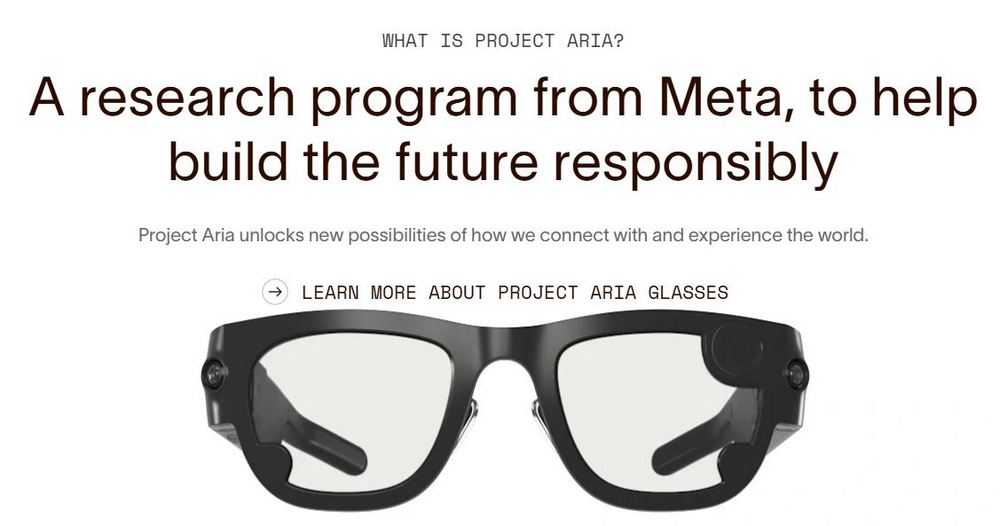
The Aria Gen 2 smart glasses are being launched to further enhance hardware performance. Meta states that Aria Gen 2 features multiple advancements not found in other devices today, adding a new range of capabilities to the Aria platform. Compared to Aria Gen 1, the Aria Gen 2 has upgraded its sensor suite, including RGB cameras, 6DOF SLAM cameras, eye-tracking cameras, spatial microphones, IMU, barometer, magnetometer, and Global Navigation Satellite System (GNSS).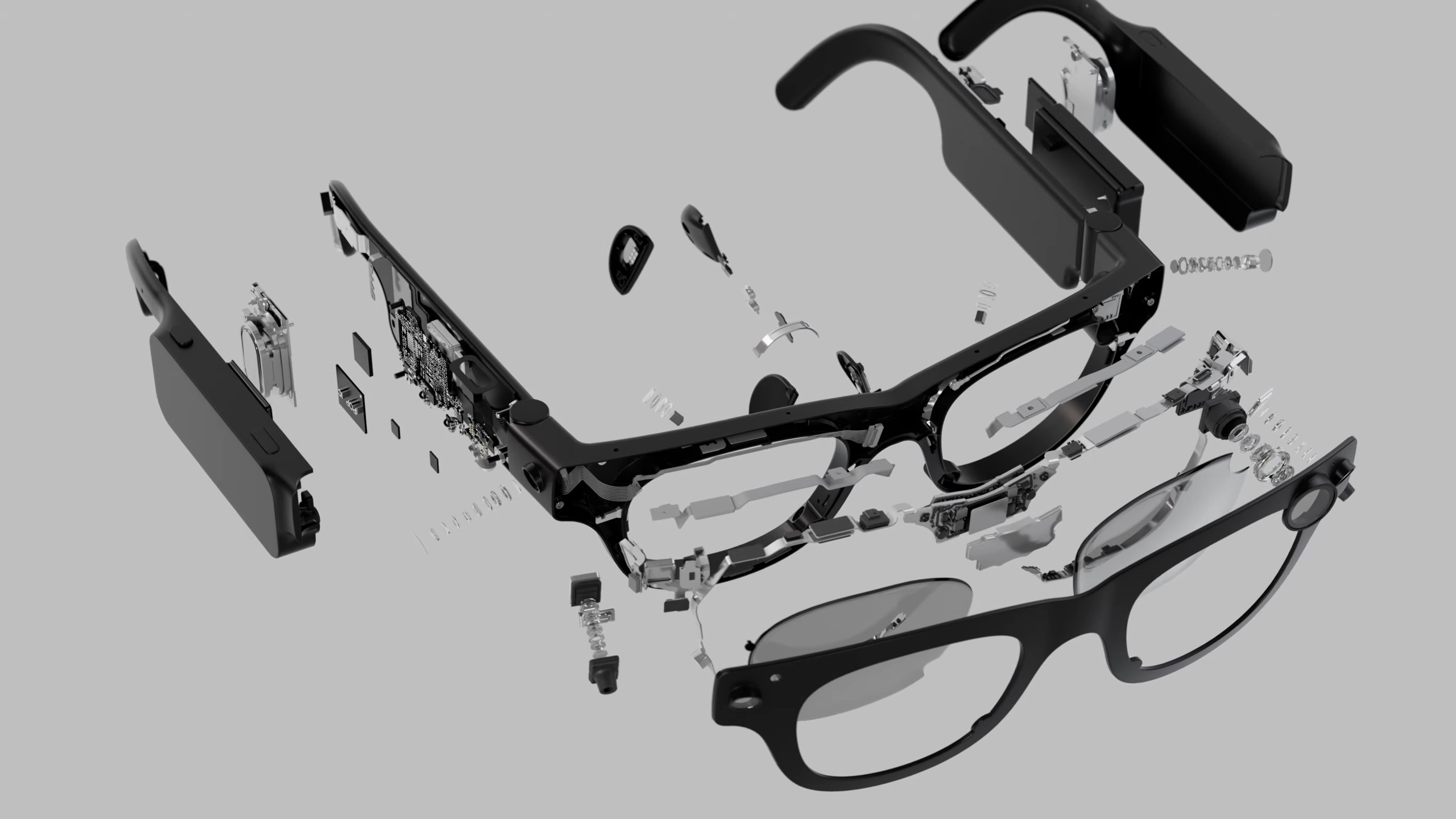
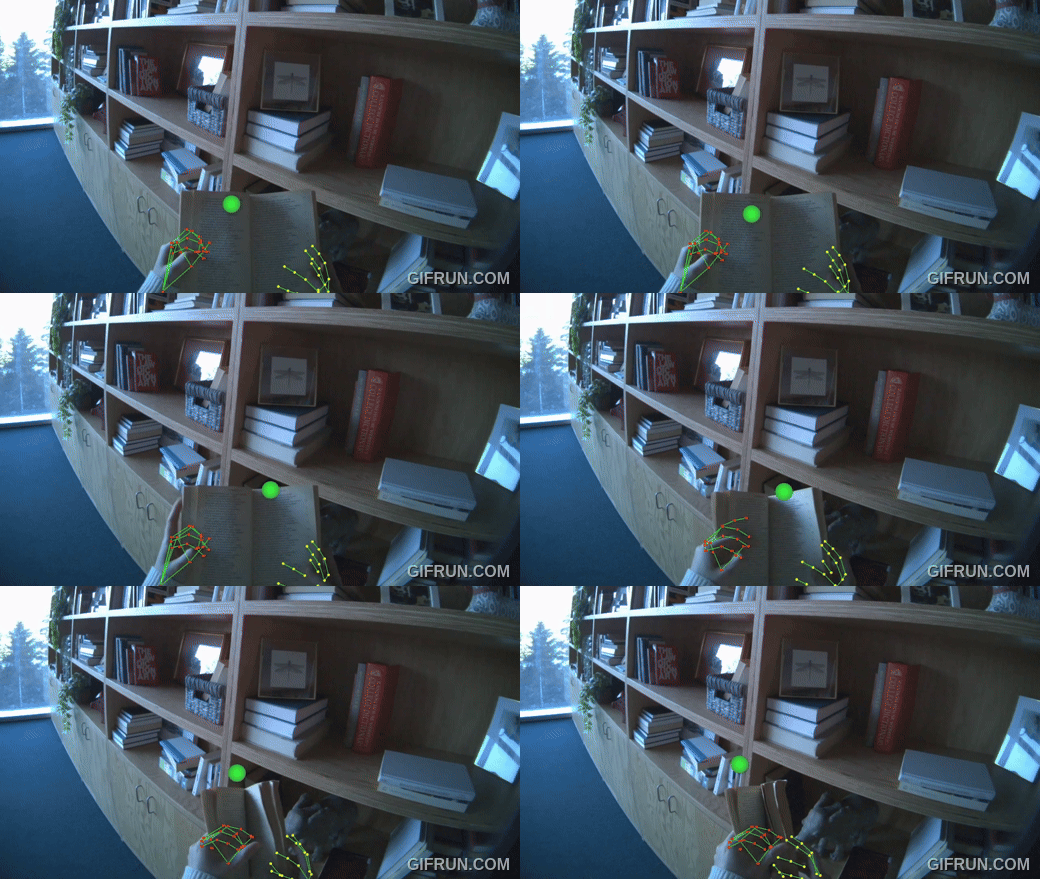
Additionally, the Aria Gen 2 embeds two innovative sensors in the glasses’ nose pads: a PPG sensor for measuring heart rate and a contact microphone for distinguishing the wearer’s voice from the voices of passersby.

Aria Gen 2 is powered by Meta’s custom chip, enabling simultaneous localization and mapping (SLAM), eye tracking, hand tracking, and voice recognition. The Aria Gen 2 weighs about 75 grams, is foldable, and offers 6–8 hours of usage time. 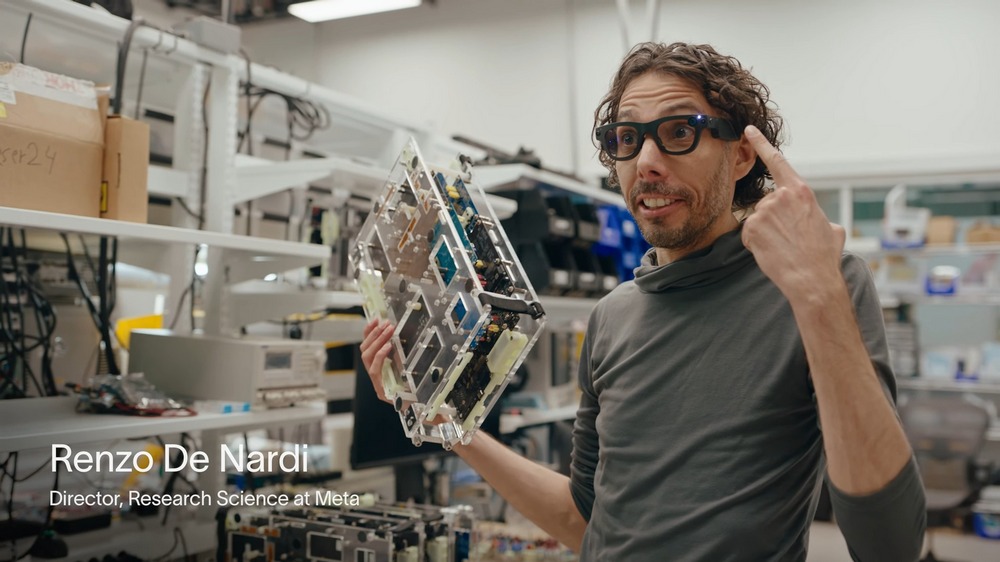
Meta says that since the launch of Project Aria, it has provided cutting-edge research hardware, open-source datasets, models, and tools, enabling researchers worldwide to advance the state of the art in machine perception and AI. BMW, for example, is using it to explore how to integrate augmented and virtual reality systems into smart vehicles. Recently, Aria Gen 2 has also been used in developing indoor navigation and accessibility solutions for blind or visually impaired people. Those interested can watch the video below to learn about the practical applications of Aria Gen 2:
Source: KOCPC Chinese