


(Not surprisingly, early September) is about to enter the Android 11 era. In the past two days, Google has also summarized the various report cards of Android 10 at the beginning of the “no dessert era”. Regarding their most troublesome problem of fragmentation, it seems that the practices that Google has been following for several years are gradually showing results, and it is confirmed that it will continue to work on this basis to further improve the long-standing low user upgrade rate. Continue reading Android 10 has 28% more upgrades than the previous version, and fragmentation is still Google’s biggest issue.
▲Image source: Google
Android 10 is upgraded 28% faster than the previous version, and fragmentation is still Google’s biggest issue
The update rate for old Android users to upgrade to the new system has always been a pain for Google – especially compared to Apple’s report card (92% of iPhones have been upgraded to iOS 13…). Although Apple’s devices are all made in-house and use the same chips, the upgrade process is relatively simple and very complex, which makes it feel like cheating. However, it is still an indisputable fact that the degree of fragmentation of Android is too exaggerated.
Therefore, Google has introduced Project Treble since the Android Oreo era to further separate the system and brand to address fragmentation. Android Pie has added GSI to allow test appcompat to be actually tested on hardware and other measures, and has also cooperated with OEMs to launch a third-party developer preview program. The above two stages have increased the acceptance rate of the new system by 2.5 times and 1.5 times.
As for the recent Android 10, a practice born from the Project Mainline project is that Google allows some components of the system to be upgraded through Google Play like apps; Google Play will also undergo major updates including push notifications and Google Play Protect. In the latest update, Google successfully updated 285 million Android devices to correct security vulnerabilities more quickly and greatly enhance the efficiency of updates.
▲Image source: Google
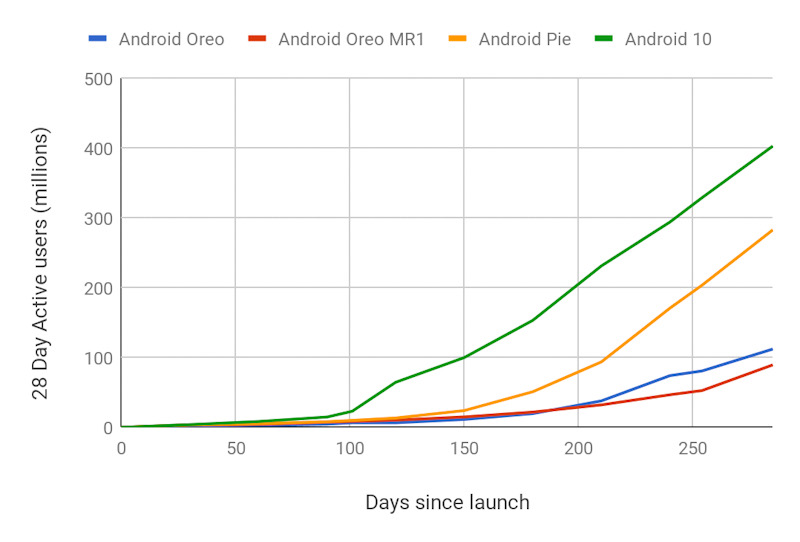
With the sum of these factors, Google also announced the latest report card of Android 10 in terms of upgrade rate. Compared with the previous systems, it only took 5 months to reach the 100 million device installation figure, which is 28% faster than Android Pie (spread). It can also be seen from the chart that the installation rate has increased significantly since the release of the new version of the Android system.
From a user’s perspective, one would actually think that the reason upgrades will be faster is because third-party mobile phone brands have fewer and fewer traces of system customization. Unexpectedly, behind such results, there are so many interesting technologies hidden in it. Friends who want to know more about the secrets can click on the source Google official website to learn more.
Pictures/sources cited in this article
Further reading:
The new Nest smart speaker to replace the standard Google Home appears in the trailer
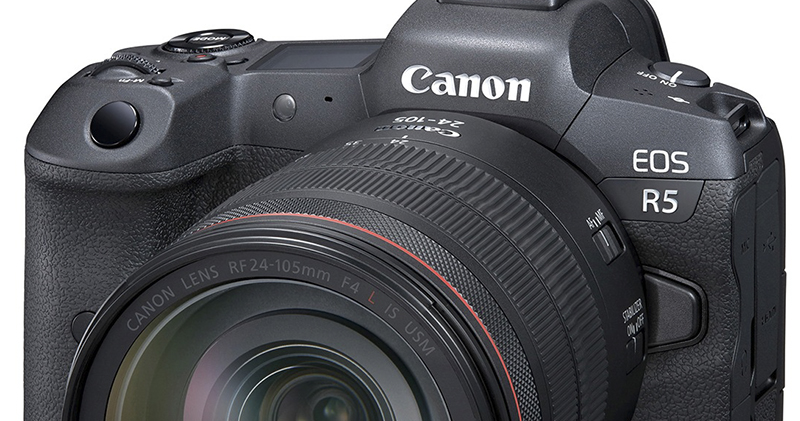
Canon EOS R5 and EOS R6 are officially launched: in short, they are full of toothpaste
Source: KOCPC Chinese