


With the full maturation of generative AI, speech recognition, and sensing technologies, wearable devices are undergoing a profound paradigm shift. HTC recently announced that it has officially partnered with the Institute for Information Industry (III) to launch the “VIVE Eagle AI Glasses Developer Call for Proposals.” The initiative invites developers, creators, enterprises, and research teams to submit proposals based on
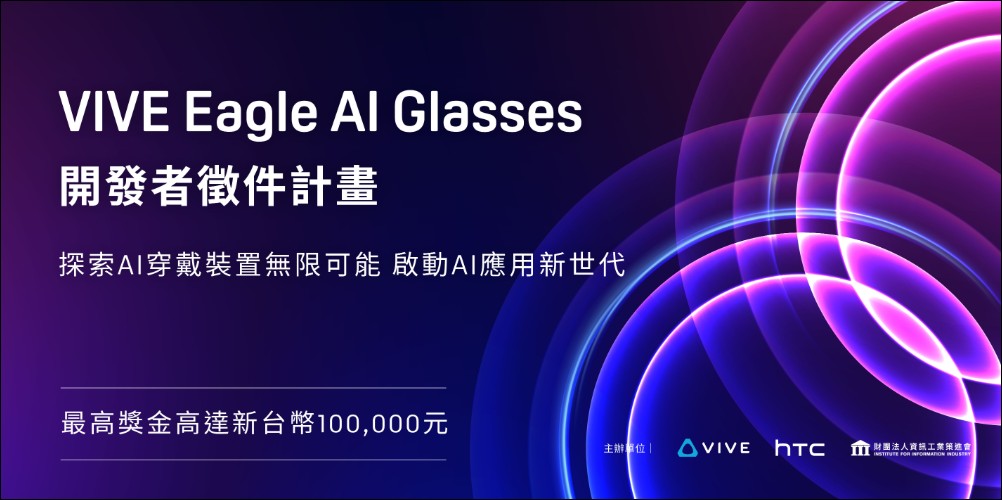
HTC Partners with the Institute for Information Industry to Launch the VIVE Eagle AI Glasses Developer Program
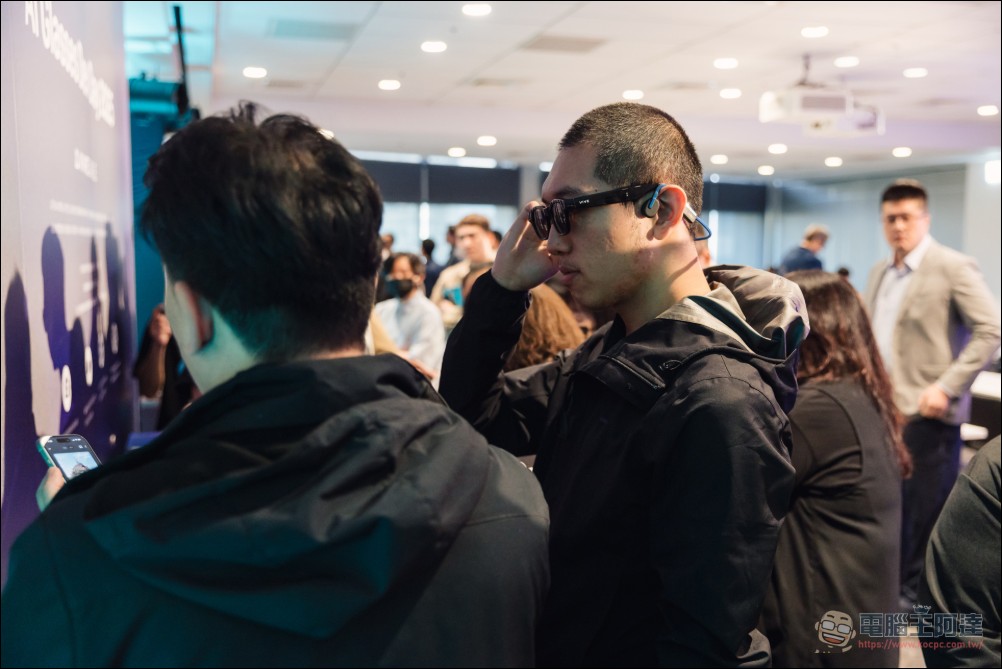
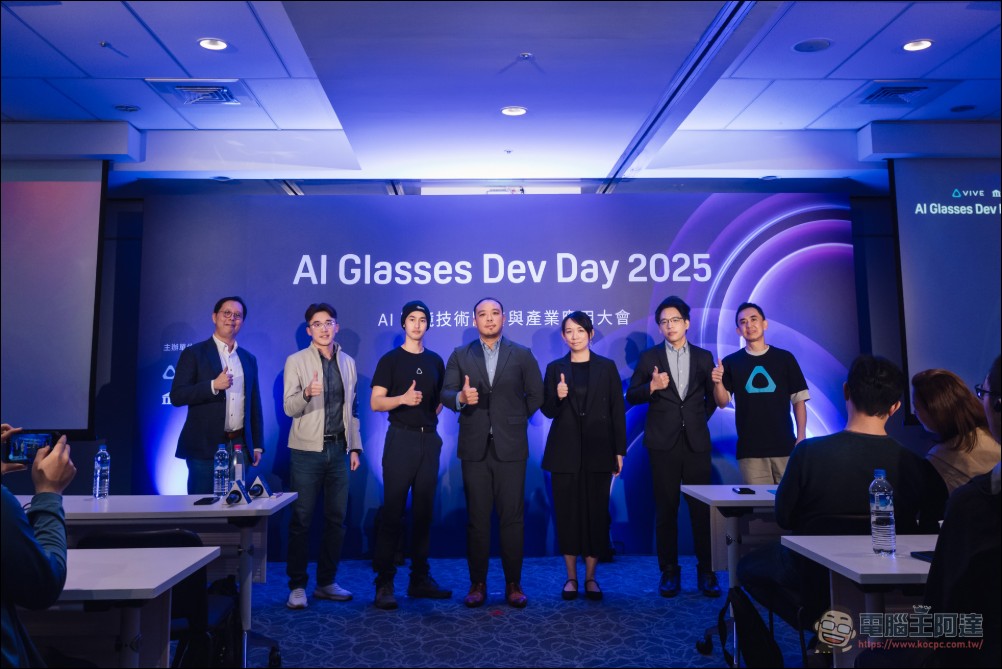
At the recent “2025 AI Glasses Dev Day: Technology Development and Industry Applications Conference,” HTC and the Institute for Information Industry (III) jointly showcased their ambitions for AI wearables. According to Huang Zhaoying, Senior Vice President of HTC, the core objective of the initiative is to build an “open application ecosystem.” This means that HTC is no longer merely a hardware manufacturer but is striving to become a platform provider in the era of AI smart glasses.
“We aim to facilitate the transformation of original applications from concept to implementation, enabling innovative ideas to be put into practice in real-world scenarios,” Huang Zhaoying emphasized. He added that the program will strengthen long-term collaboration with industry partners, help developers enhance their technical integration capabilities, and jointly expand market opportunities.
Why AI Glasses? The Irreplaceable Value of First-Person View and Hands-Free Operation
During the conference, Ye Shen, HTC’s Global Head of Product, noted that AI smart glasses are evolving from a single wearable device into a “next-generation human-machine interface.” Compared to smartphones, AI glasses offer three core competitive advantages:
-
First-Person View: The device allows the user to see the same world.
-
Scene Recognition: Instantly understand the context of the environment.
-
Hands-free operation: To provide information to support work or activities.
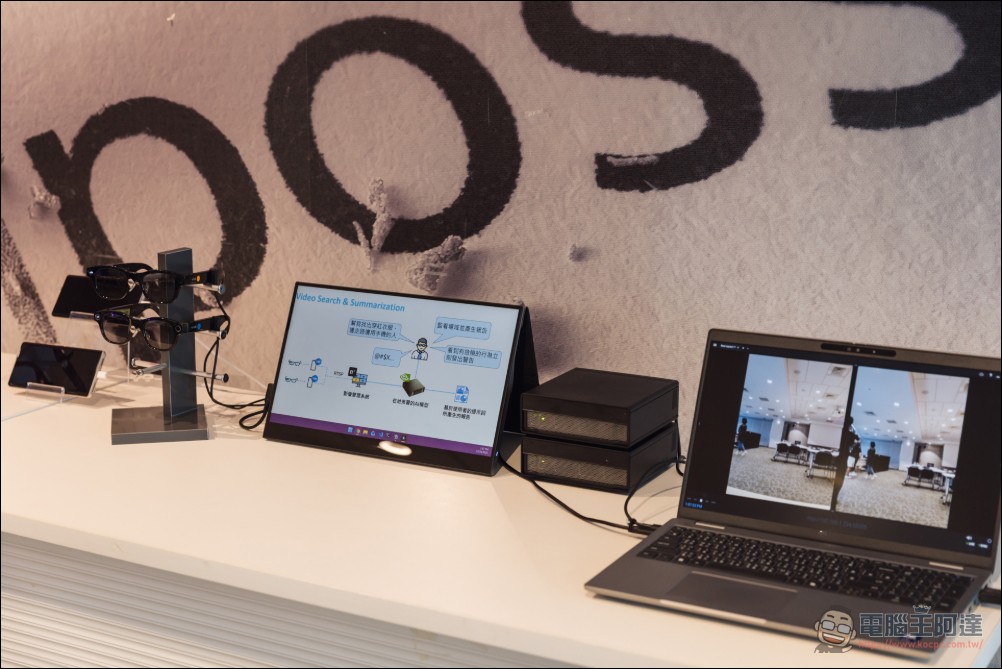
These features make AI glasses more efficient than mobile devices in professional settings that require real-time information feedback, situational judgment, and process assistance. In particular, when combined with “video search and summarization” technology, these glasses are no longer merely recording devices, but rather intelligent assistants capable of understanding “what is happening in the video.”
Core Technology: VIVE Eagle SDK and a Developer-Friendly Environment
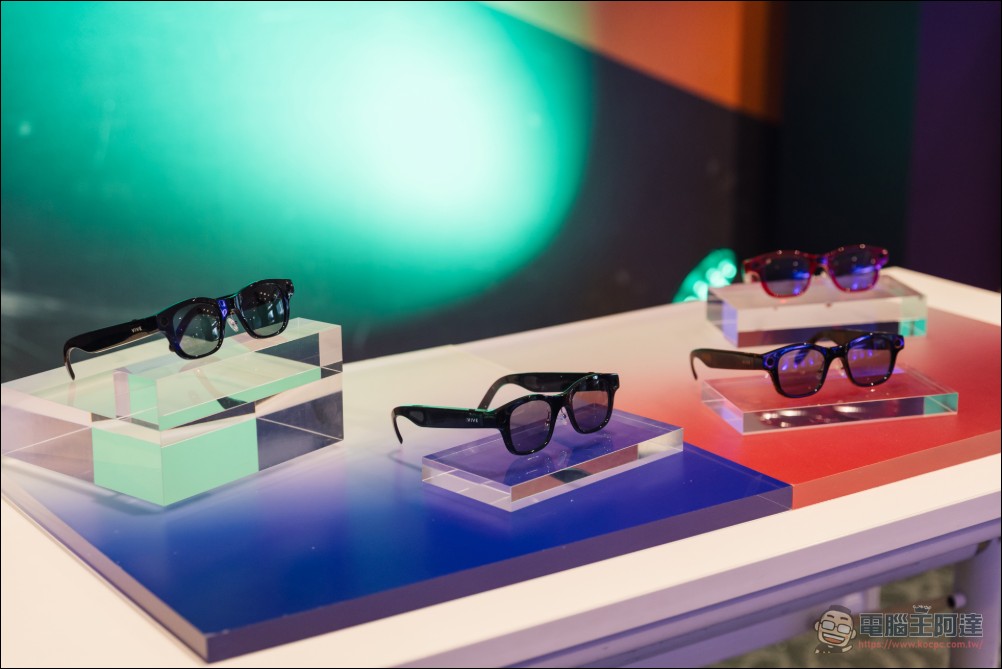
To lower the barrier to entry for developers, HTC’s software R&D team has revealed VIVE Eagle SDK The design details focus on “minimalism” and “seamless transitions”:
-
Intuitive API Design: Supports fast connections, two-way speech conversion (STT/TTS), real-time video streaming, and audio capture.
-
Extensions to Existing Applications: The software team stated that developers can extend their existing mobile apps to the AI smart glasses platform without having to refactor them.
-
Digital Simulator: For development teams that have not yet obtained physical devices, HTC provides a smart glasses simulator that allows developers to conduct testing in a virtual environment, significantly shortening the Proof of Concept (POC) timeline.
Industry Trends: Global Shipments Projected to Reach 35 Million Units by 2030
According to an analysis by the Industrial Intelligence Research Institute (MIC) of the Institute for Information Industry, based on data from Omdia, Meta, and Google, the growth curve for AI smart glasses is extremely steep. The study predicts that global shipments of AI smart glasses will reach 5.1 million units in 2025, and by 2030, this figure is expected to surge to approximately 35 million units。
A MIC survey shows that domestic consumers have expressed a high level of interest in AI glasses; even though the products are still in the market education phase, more than half of the respondents have expressed a positive attitude toward “display-less AI glasses.” This reflects the market’s growing acceptance of lighter devices that return to the core functionality of AI voice assistance.
Compliance and Cybersecurity: Putting the Basic Law on Artificial Intelligence into Practice
For enterprise applications, HTC emphasizes that “data security” and “management transparency” are key to commercialization. With the implementation of Taiwan’s “Basic Law on Artificial Intelligence,” companies must comply with privacy protection and fairness regulations when adopting AI.
The HTC VIVE Glasses Enterprise Solutions team stated that, through the existing commercial management platform, enterprises can deploy multiple devices in compliance with regulations. This is crucial for use cases involving sensitive on-site data—such as frontline operations and remote collaboration—ensuring that technological innovation does not come at the expense of information security.
Call for Submissions Details: From Proposal to a 100,000 Prize
The “VIVE Eagle AI Glasses Developer Call for Submissions” is a hands-on program, and the process is divided into three phases:
-
Primary: After the written proposals are reviewed, selected teams will receive VIVE Eagle AI smart glasses as development devices.
-
Select multiple options: Enter the POC (Proof of Concept) implementation phase and gain media exposure.
-
Final Round: Those whose final completed works are listed and perform exceptionally well will be awarded 100,000 New Taiwan Dollars Bonus.
The evaluation will focus on “practical feasibility” and “value in real-world applications.” HTC aims to attract a diverse range of participants—including developers, businesses, and research teams—to jointly explore the commercial potential of AI glasses across various industries.
Source: KOCPC Chinese