


If you’ve ever wondered why Microsoft insisted on naming its new generation of AI PCs “Copilot+ PC,” you’re not the only one confused. In fact, this brand, once so highly anticipated by Microsoft, now seems to be quietly fading from the market. Microsoft and Qualcomm have both recently admitted that computers from their own products and partners are gradually reducing their use of the “Copilot+ PC” label.
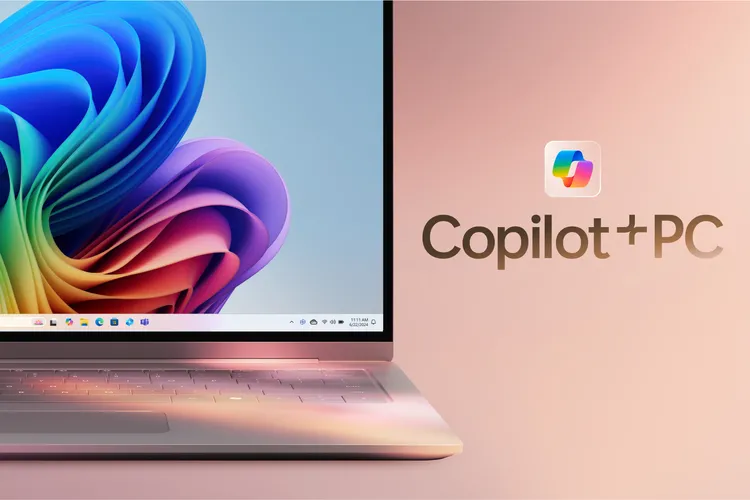
Microsoft and PC makers are gradually abandoning the Copilot+ PC label.
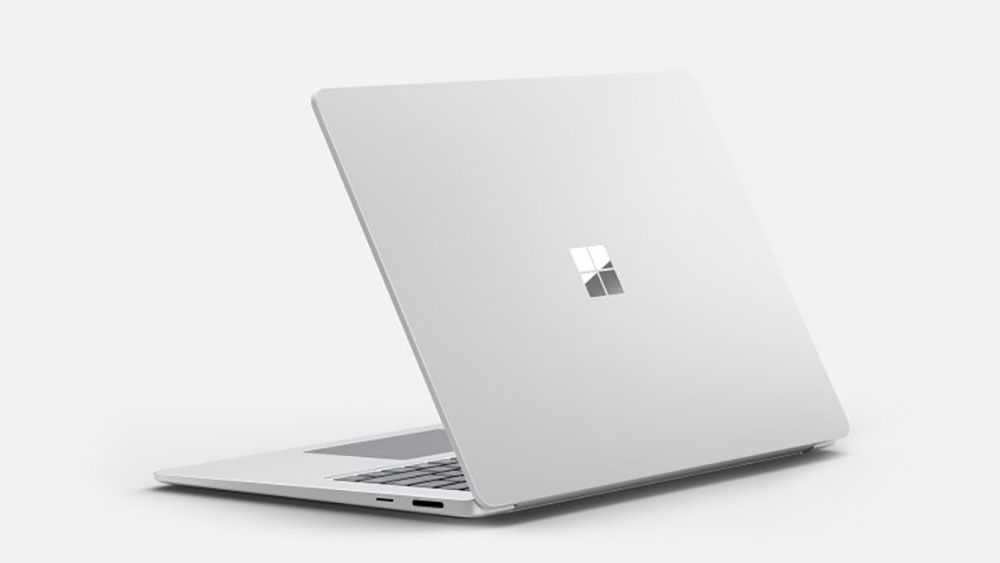
Microsoft Surface business vice president Brett Ostrum recently accepted Windows Central interviewHe said at the time that although the latest Surface devices fully meet the hardware standards for Copilot+ PC, the company no longer deliberately positions them under that name. He also emphasized that Microsoft continues to invest in local AI computing technology, meaning running AI functions directly on-device rather than relying entirely on cloud services.
Qualcomm Senior Vice President of Computing Kedar Kondap also noted that the original purpose of Copilot+ PC was to establish unified standards and performance thresholds for AI PCs. Now, as the market gradually matures, manufacturers can provide similar AI experiences, so it may not be necessary to prove a product’s capabilities through the name “Copilot+.”
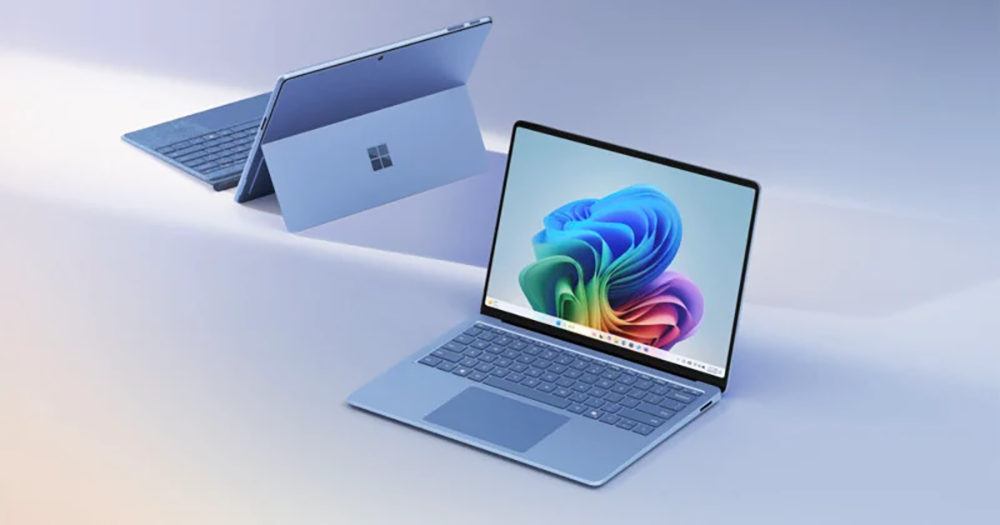
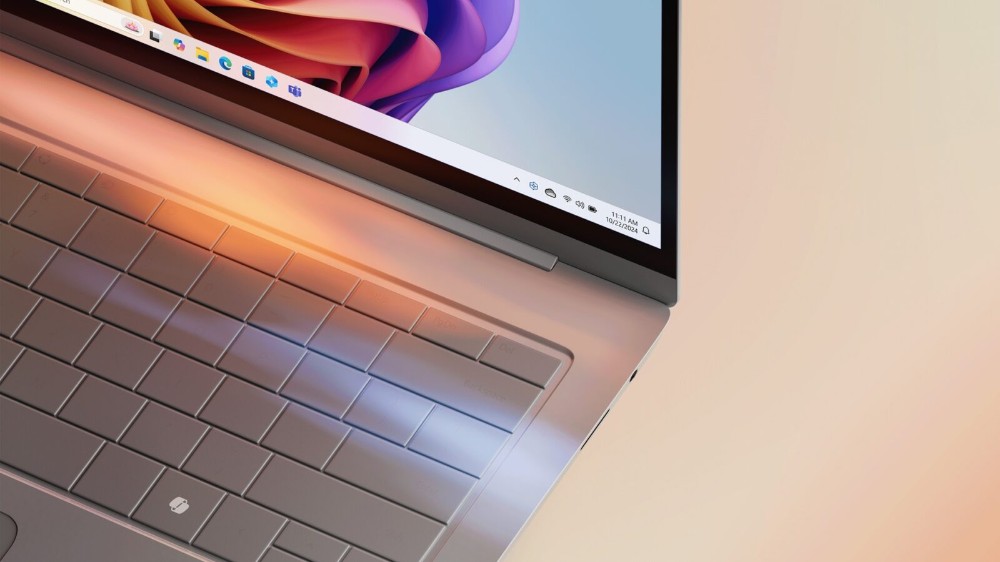
Looking back at 2024, Microsoft officially launched the Copilot+ PC program, hoping to promote its Copilot AI service and drive growth in the Windows PC market. At the time, Microsoft stipulated that only devices equipped with a neural processing unit (NPU) capable of 40 TOPS or more, at least 16GB of memory, and 256GB of storage could obtain Copilot+ PC certification. Many models even featured a dedicated Copilot key on the keyboard, aiming to strengthen the market recognition of AI PCs.
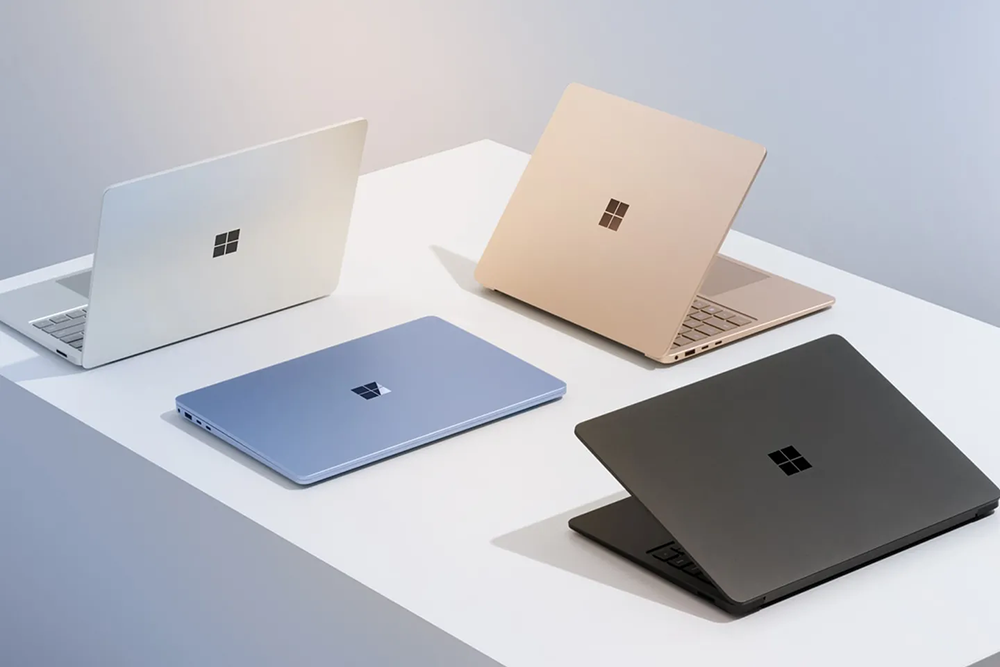
However, after more than a year, the buzz around this brand gradually faded. Although some manufacturers such as HP and Lenovo still retain the Copilot+ PC name, more and more brands have chosen to downplay or even completely drop the related labeling. The recently launched RTX Spark PC is a typical example: although its hardware performance is far above the specifications required by Copilot+ PC, it does not use that label as a main selling point.
Why exactly has the market begun to move away from the name Copilot+ PC? Microsoft and Qualcomm have not given a clear answer, but based on industry development trends, the reasons may be quite complex.
First, the hardware threshold no longer offers a significant advantage. When Copilot+ PCs first launched, not many devices met the standard, so they had a certain market differentiation effect. But with rapid advances in processor technology, many mid- to low-end and even entry-level laptops can now easily meet the same specification requirements. As AI features gradually become standard, Copilot+ naturally loses its original rarity and appeal.
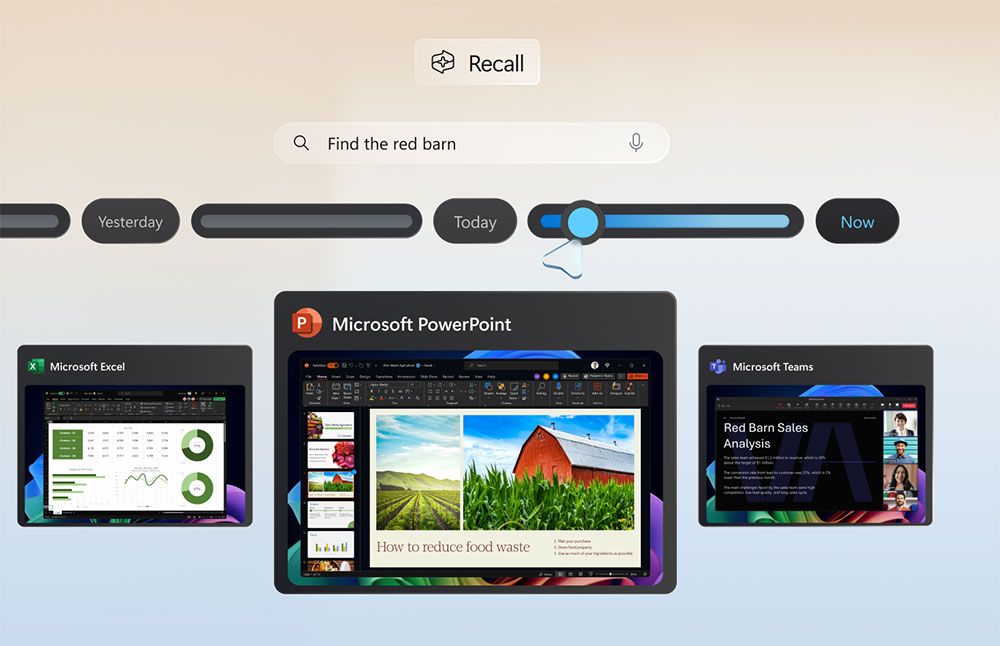
Secondly, the market reception of Copilot itself has always been controversial. The Windows Recall feature that Microsoft heavily promoted sparked privacy and cybersecurity concerns because it involved screen activity logging and data access, forcing the company to delay its launch. In addition, many users criticized Microsoft for integrating Copilot into Windows too aggressively; the constant appearance of AI features and prompts ended up alienating some users, ultimately forcing Microsoft to adjust its promotion strategy.
More importantly, attitudes toward artificial intelligence across the overall market are shifting. Although the tech industry continues to invest heavily in AI development, consumer demand for AI features has not grown as quickly as the industry expected. Some studies even indicate that AI has not become a decisive factor in driving personal computer sales. In addition, there are various societal concerns about artificial intelligence, including data center energy consumption, environmental impact, job losses, and technology misuse.
Against this backdrop, “Copilot+ PC” is no longer seen as a strong marketing hook; it may even create resistance among some consumers. As a result, for many PC manufacturers, rather than emphasizing the AI label, it is better to focus directly on advantages that consumers can more easily understand, such as performance, battery life, and user experience. Based on current trends, Copilot+ PC may not disappear entirely, but its importance as a standalone brand is clearly no longer as highly regarded as it was when it first launched.
Source: KOCPC Chinese