


Bluetooth technology has been around for decades and has long become an indispensable part of modern life. From headphones, keyboards, and mice to smartwatches, game controllers, and various IoT devices, we use Bluetooth connections almost every day. Its greatest advantages are low power consumption and convenience, allowing wireless devices to operate stably for long periods while reducing energy consumption. However, even though Bluetooth technology is quite mature, many misconceptions still circulate, and some myths persist to this day, causing many people to have unnecessary concerns about Bluetooth. The following common misconceptions may be things you once firmly believed.
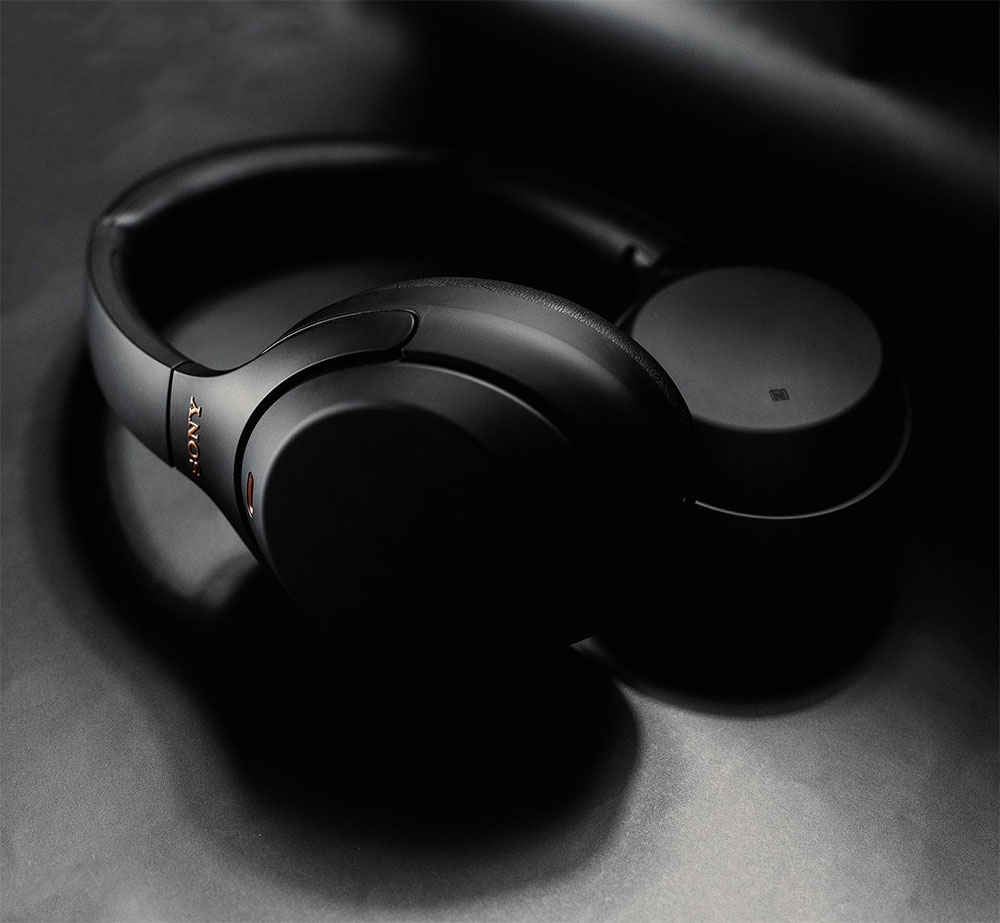
5 Common Bluetooth Myths: These Beliefs You’ve Always Held May Not Actually Be Correct
Myth 1: Turning on Bluetooth significantly drains battery.
When many people run into phone battery drain issues, the first recommendation is often to turn off Bluetooth. However, for modern smartphones, this approach actually helps very little, because Bluetooth is in standby most of the time rather than continuously transmitting data. When the device is not connected or only exchanges a small amount of data, its power consumption is quite low. Actual test results also show that even after playing audio via Bluetooth for several consecutive hours, the difference in battery consumption compared with turning Bluetooth off is often less than a few percentage points.
Of course, there will still be differences between phones, depending on factors such as wireless chip design, system optimization, and Bluetooth scanning frequency, but overall, Bluetooth has long since ceased to be the main killer of smartphone battery life.
Myth 2: All Bluetooth devices have the same transmission range.
Many people believe that the effective range of Bluetooth devices is only about 10 meters, and that once beyond this range, they definitely cannot be used. In fact, this is only the standard performance of some Bluetooth devices. The transmission distance of Bluetooth mainly depends on the device class and version. According to different power specifications, Bluetooth devices can be divided into three categories: Class 1, Class 2, and Class 3. Among them, the theoretical transmission distance of Class 1 can reach more than 100 meters, while the distance of Class 3 is even less than 1 meter.
The reason most consumer products make people mistakenly think Bluetooth can only transmit about 10 meters is that they commonly use the Class 2 specification. In addition, Bluetooth 5.0 and later versions added more long-range transmission technologies, so actual performance has greatly surpassed earlier versions. However, walls, furniture, metal objects, and interference from other wireless signals can still affect the final transmission performance.
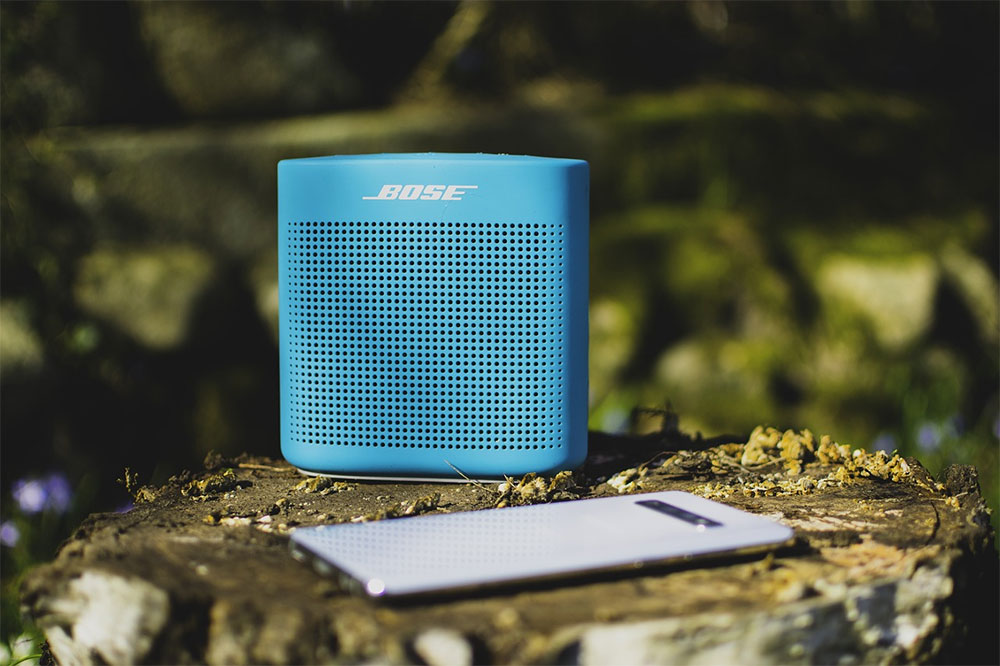
Myth 3: Bluetooth and Wi-Fi cannot be used at the same time
This may be one of the most common and most confusing misconceptions. If Bluetooth and Wi-Fi couldn’t coexist, products such as wireless headphones, game controllers, and smartwatches would hardly work properly. After all, modern phones and computers usually access the internet via Wi-Fi while also connecting to multiple Bluetooth devices.
Indeed, both Bluetooth and Wi-Fi may use the 2.4GHz band, so early devices occasionally experienced signal interference. However, as technology has advanced, Bluetooth has incorporated Adaptive Frequency Hopping (AFH), which can actively avoid congested channels, while modern routers also make extensive use of the 5GHz and 6GHz bands, further reducing the likelihood of interference. In other words, Bluetooth and Wi-Fi can not only be used at the same time, but have long since become a standard operating mode for modern wireless devices.
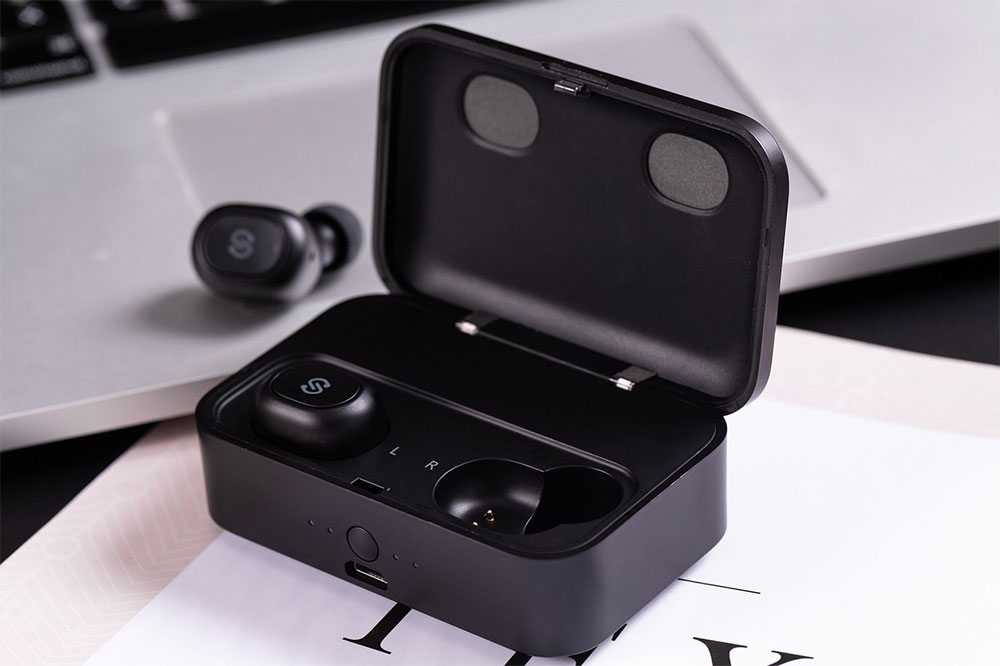
Myth 4: Bluetooth is harmful to health and can even cause cancer.
For years, discussions about Bluetooth radiation have continued unabated, and some people even believe that long-term use of Bluetooth headphones may increase the risk of cancer. In fact, Bluetooth does emit radio waves, but it is “non-ionizing radiation,” with energy far lower than the high-energy radiation that can damage human cells. Existing research and investigations by international health organizations have so far found no direct causal relationship between Bluetooth devices and cancer. More importantly, Bluetooth headphones typically transmit at much lower power than smartphones, so their electromagnetic wave intensity is relatively lower.
Compared with radiation concerns, users should be more mindful of their hearing health. Prolonged headphone use and setting the volume too high can both cause permanent hearing damage. Following the “60/60 rule”—keeping the volume at or below 60% and limiting each use to no more than 60 minutes—is a more effective way to protect your ears.
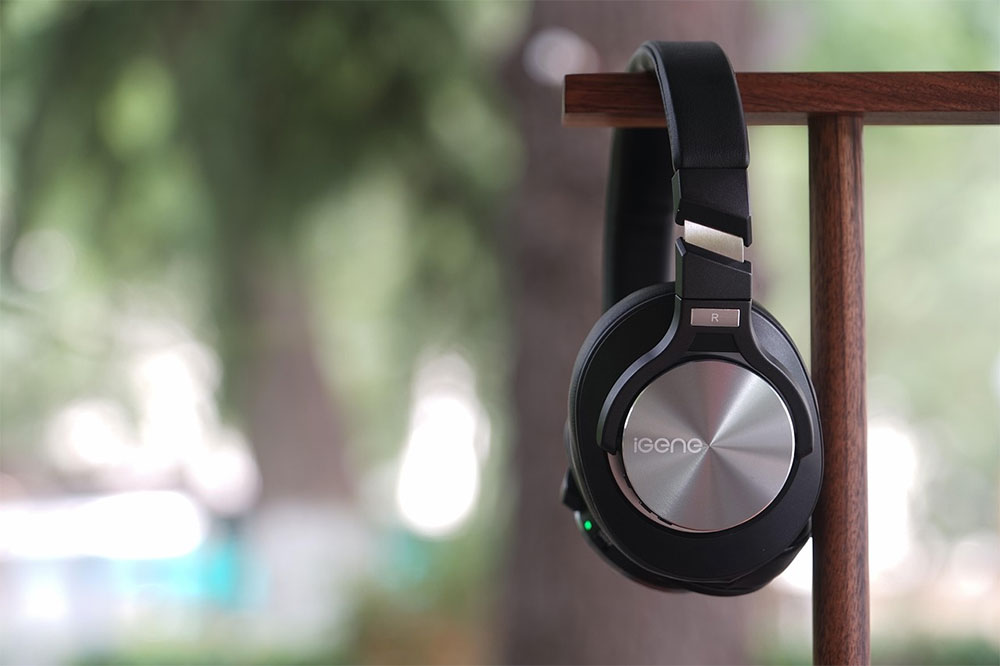
Myth Five: Bluetooth Is Absolutely Secure and Cannot Be Hacked
Many people think Bluetooth is only a short-range connection technology, so there is no cybersecurity risk. But in reality, any technology with wireless communication capabilities can become a target of attack. In the past, there have been various attack methods targeting Bluetooth devices, such as Bluejacking, Bluesnarfing, and Bluebugging. Attackers may obtain device information through system vulnerabilities, and under certain circumstances even monitor device activity.
However, modern Bluetooth standards have significantly improved security. Especially after Bluetooth 5.0, they not only use stronger encryption but also continuously patch known vulnerabilities through firmware updates. For ordinary users, the most important security measures include regularly updating devices, avoiding overly old Bluetooth products, and turning off “discoverable” mode in public places. As long as you develop these habits, most risks can be effectively reduced.

Bluetooth is convenient, but it’s also worth understanding how it works.
Bluetooth technology has indeed made life more convenient, but it is not entirely without things to watch out for. In addition to cybersecurity and privacy issues, in recent years some devices even continue broadcasting location information via Bluetooth Low Energy after being turned off, in order to support lost-device finding features. From a security perspective, this kind of design helps increase the chances of recovering a device; however, for users who value privacy, it may also raise additional concerns.
Therefore, instead of being swayed by various rumors, it is better to truly understand how Bluetooth technology works. Once you know what it can and cannot do, you can enjoy the convenience of a wireless life with greater peace of mind.
Source: KOCPC Chinese