


For years, Apple has closely watched Samsung and other Android brands’ developments in the foldable phone space, especially their progress in improving screen creases and durability. As a result, the market has long held high expectations for the rumored first foldable iPhone, the iPhone Duo. The most closely watched question is whether an obvious crease will still appear in the center of its 7.6-inch inward-folding screen. Based on early hands-on impressions and media reports, Apple appears to have successfully hidden the crease to a degree that is quite difficult to notice, and company executives recently disclosed some of the behind-the-scenes technology.
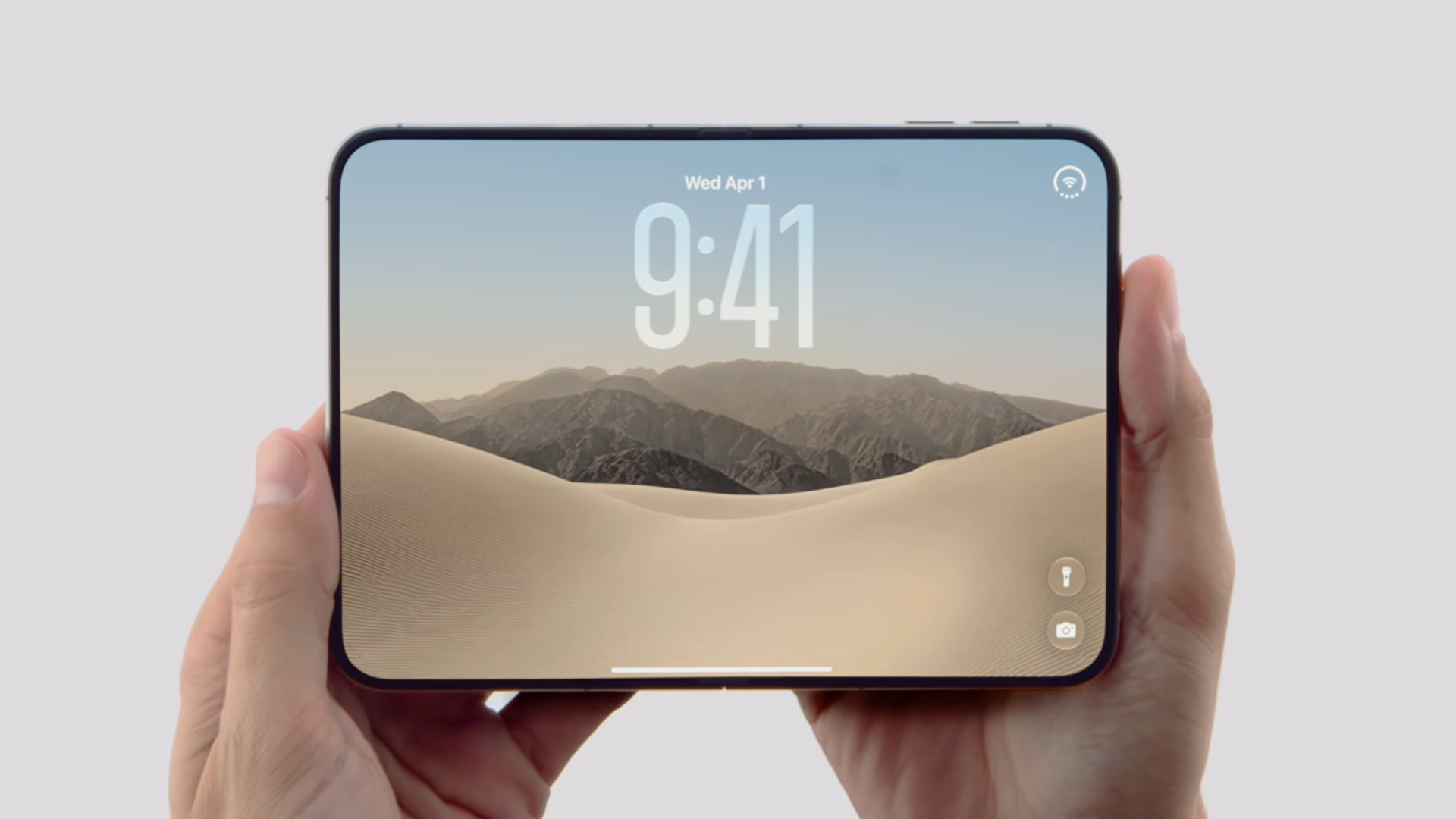
Apple explains how to minimize the crease on iPhone Duo.
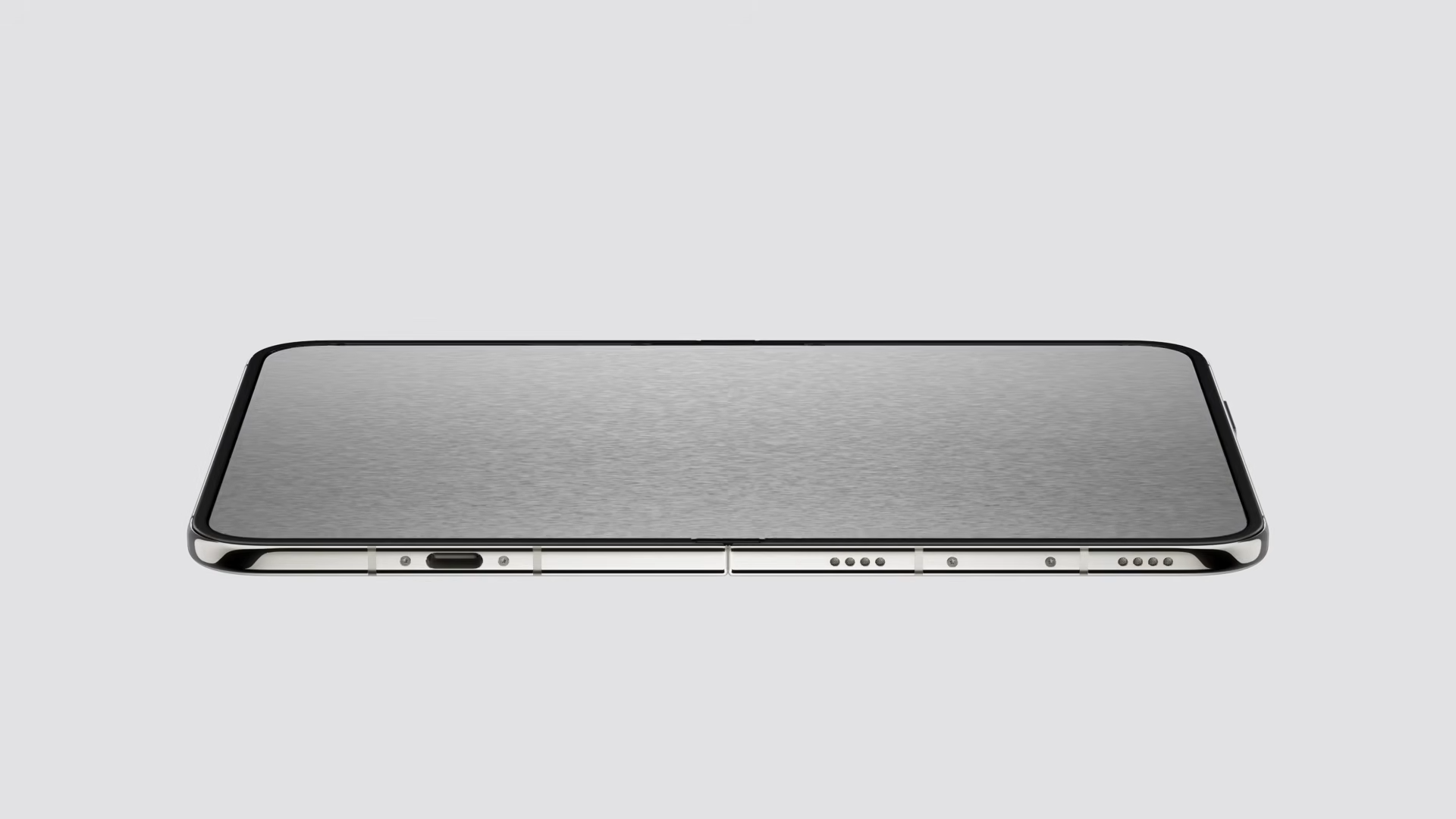
Apple Vice President of Hardware Engineering Tom Marieb, in an interview with foreign media TechRadar In an interview, he said that the matte Nano-texture surface treatment used on the iPhone Duo is a key factor in reducing the visibility of the crease. He pointed out that because glossy screens have higher reflectivity, even very subtle surface variations are more easily noticed by the human eye; by contrast, matte materials can effectively reduce reflections, thereby reducing visual sensitivity to imperfections.
Marieb further explained that Apple chose a matte design not only to improve the current viewing experience, but also to address changes that may appear on the screen after long-term use. After a foldable phone is opened and closed repeatedly, the panel structure around the hinge will inevitably undergo slight changes, and a matte surface can keep those changes from becoming too conspicuous. He even confidently told the public: “Please keep testing our results.”
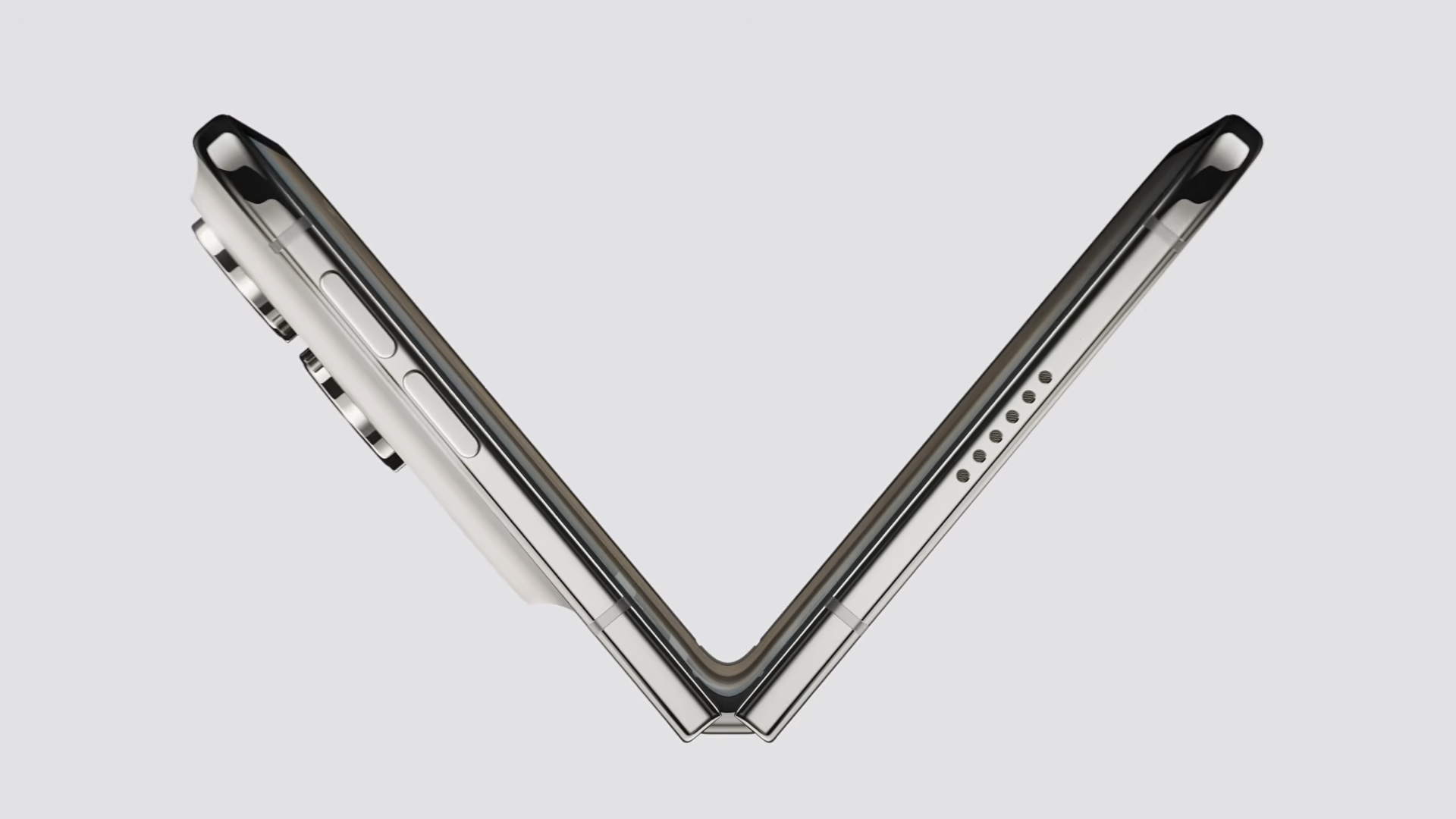
Besides the screen itself, Apple has also invested substantial R&D resources in hinge design. According to Marieb, the team specifically tuned the hinge’s torque curve so that the device maintains a firm and consistent feel whether it is fully unfolded, fully closed, or half-open. This means users will not experience any looseness or instability when operating it at different angles, improving overall quality and reliability.
In fact, one long-standing challenge for foldable phones is that the crease tends to become more pronounced with increased use; after months or even years of daily use, many existing products typically show a mark in the center of the screen that is more visible than when first purchased. Apple has apparently considered this issue in advance this time, hoping to mitigate the phenomenon of the crease’s visual effect worsening over time through a combination of a nano-texture coating and structural design.
However, this strategy is not without cost. Although a matte screen can reduce reflections and the visibility of creases, it may also affect display quality. Generally speaking, glossy OLED panels are more likely to deliver a vivid and clear visual experience in terms of contrast, color saturation, and image sharpness. Even though Apple’s nano-texture technology is quite mature, it is still difficult to completely eliminate the inherent differences between matte and glossy materials.

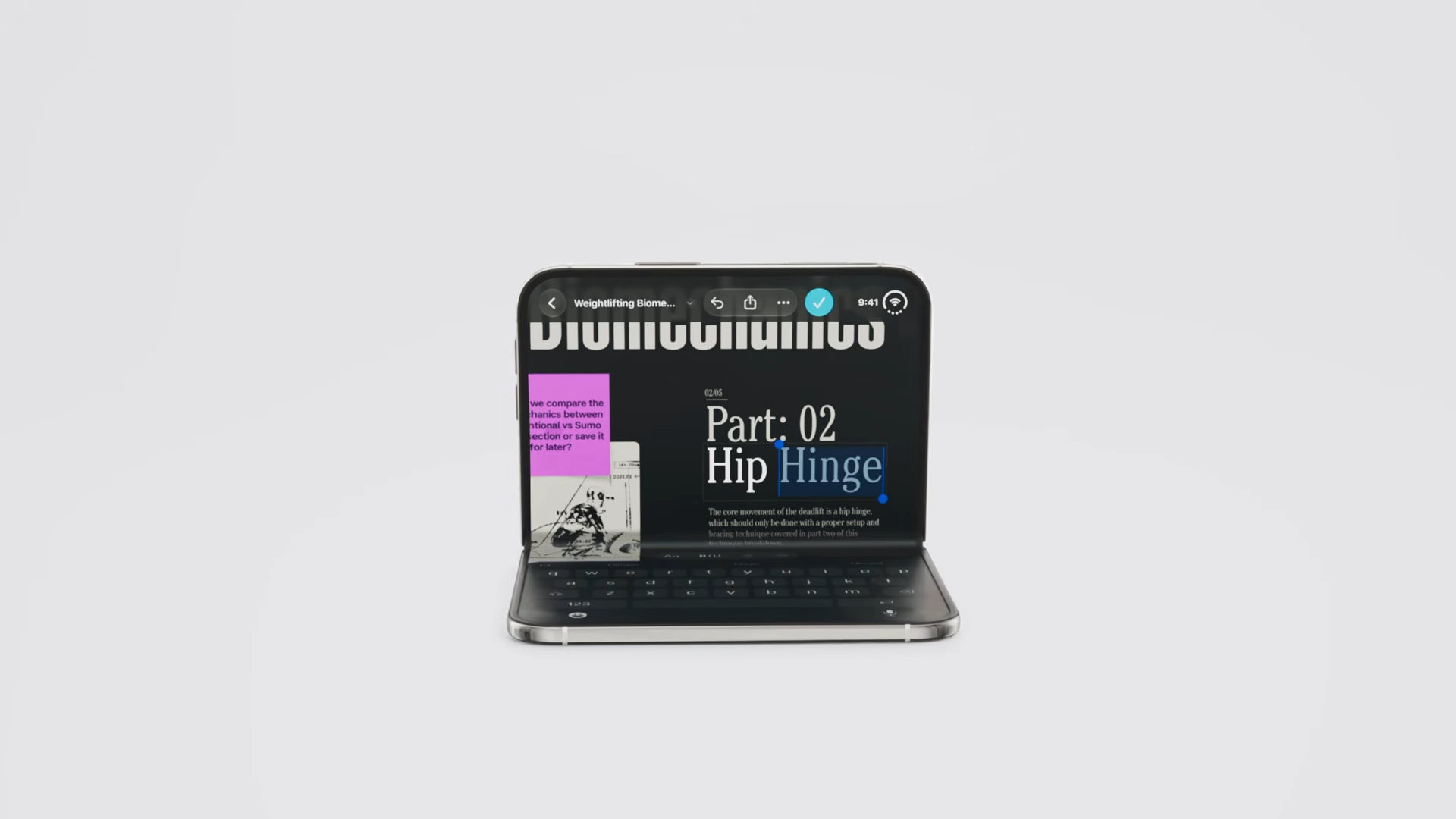
This trade-off is especially important for book-style foldable phones, because the large inner screen is the biggest draw of such products. The iPhone Duo has a 7.6-inch inner display, designed to provide more expansive space, whether watching videos, reading e-books, browsing photos, playing games, or multitasking, delivering a more immersive experience than ordinary phones. Therefore, whether display quality is affected naturally becomes a key concern for consumers.
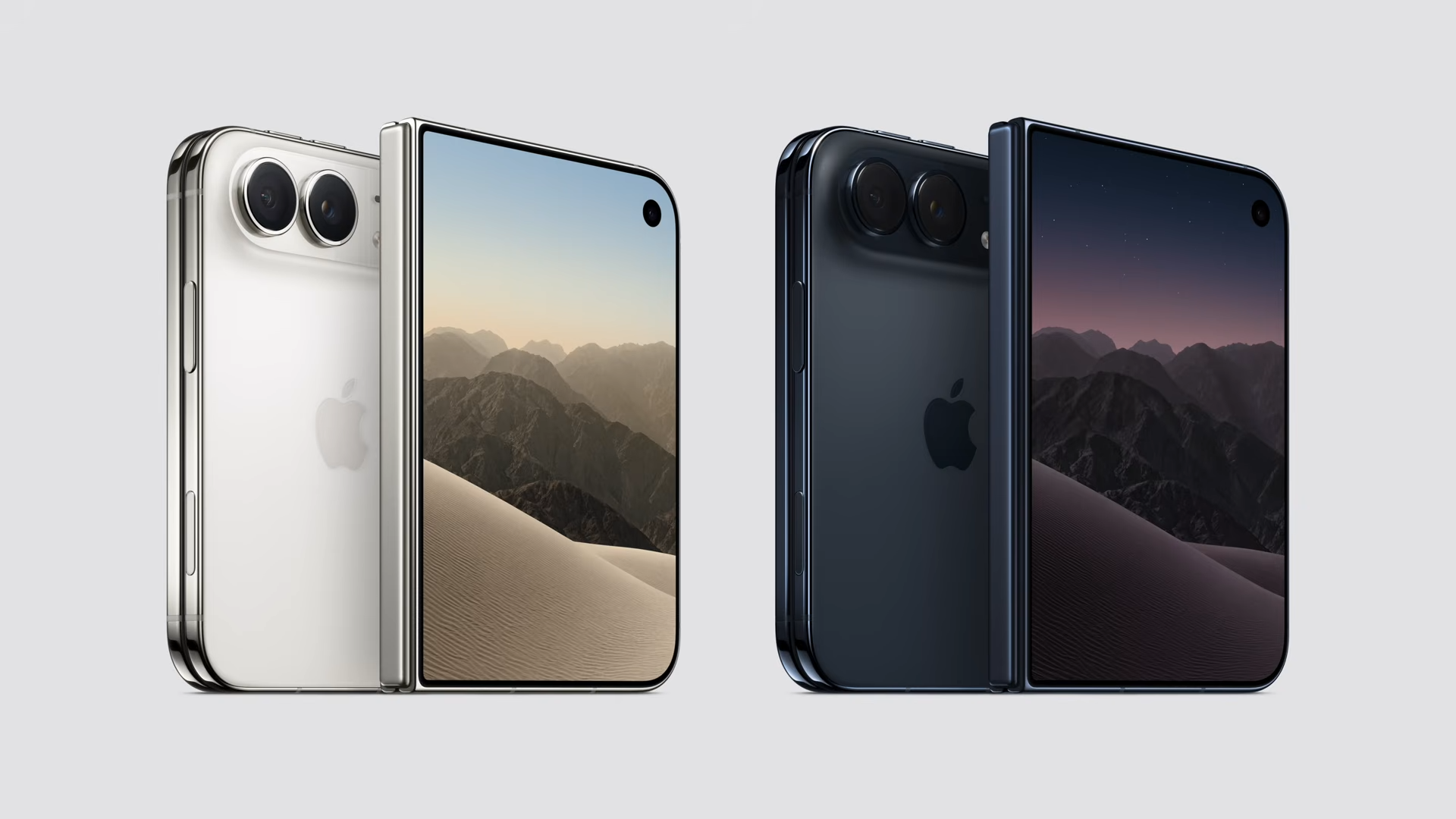
By contrast, Samsung still uses a more traditional glossy OLED panel design on the Galaxy Z Fold series and focuses on improving the panel structure and the folding technology itself. Apple has chosen a different route, hoping to improve the overall look by reducing reflections and making the crease less visible. Whether this design is worth sacrificing some visual performance still remains to be verified through actual testing.
As the iPhone Duo is about to officially launch, in-depth reviews from major media outlets will also begin to roll out. By then, consumers will have a clearer understanding of the trade-offs Apple has made between screen appearance and crease control, and whether this technology is enough to redefine the foldable phone experience.
Source: KOCPC Chinese