


On September 8, Meta officially unveiled its personal AI agent “Muse.” Unlike typical chatbots, this product emphasizes “helping you complete tasks” rather than just answering questions. Muse is powered by Muse Spark, the latest model developed by Meta Superintelligence Labs (MSL), and can execute multi-step tasks for users on a dedicated cloud virtual computer, such as sending emails, booking flights, filling out forms, and even shopping on their behalf. It is currently available in the US on iOS, Android, and the web version at muse.ai.
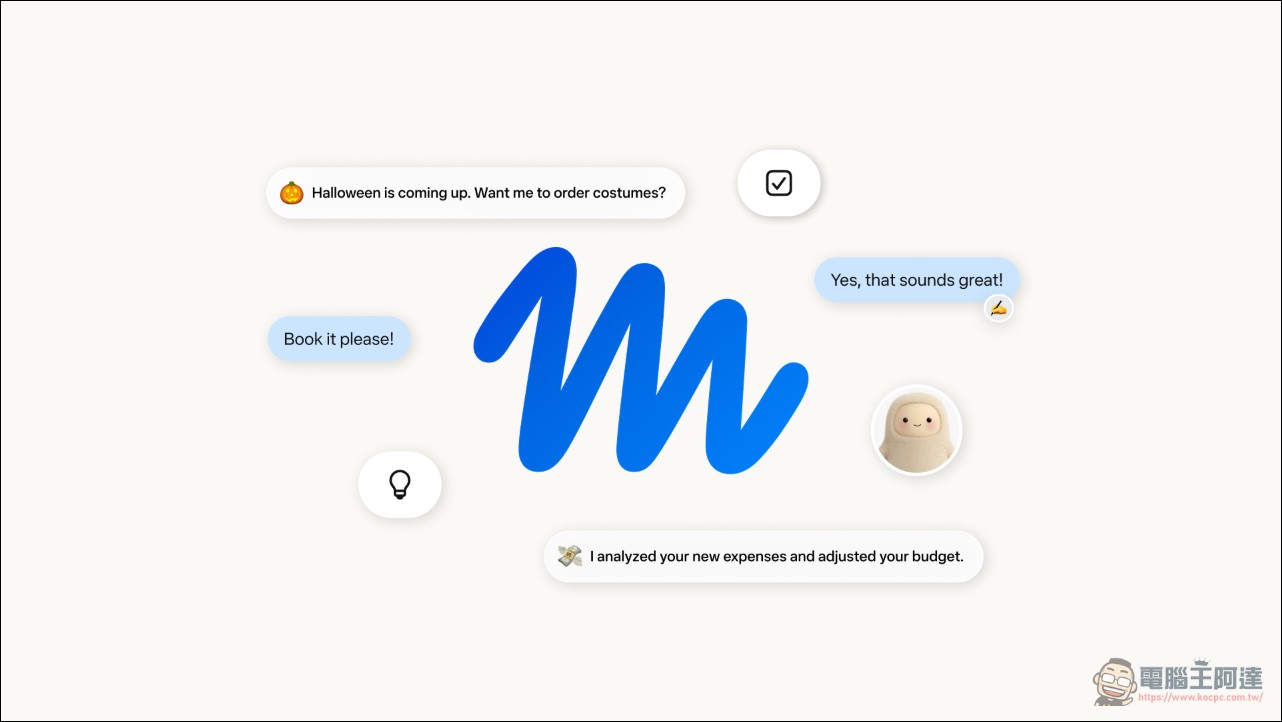
What is Muse: From Chatting to Getting Things Done
Meta positions Muse as “the world’s first personalized AI Agent that anyone can pick up instantly.” Unlike chatbots such as ChatGPT, Muse is designed with the philosophy of “built for billions of people around the world from day one,” with no learning curve and no technical background required. Users simply state what they need as if sending a message, and Muse will get to work.
Muse can handle a wide range of tasks. On a daily basis, it can send emails, book trips, fill out forms, and even negotiate prices on your behalf. For longer-term goals, such as fitness plans or selling a car, Muse helps create personalized plans, coordinates time and resources, and moves progress forward autonomously. Even when users close the app, Muse continues to work, and it only proactively reports back when it needs to obtain consent.
Muse also has cross-platform memory capabilities. It can turn recipe Reels a user saved on Instagram into a shopping list, plan a dinner party menu, and remember friends’ dietary restrictions before sending out invitations. This ability to make “proactive suggestions” comes from Muse’s continuous learning of user preferences.
Muse Spark Model and Technical Architecture
At the core of Muse is Muse Spark, the first model launched by MSL, natively supporting multimodal reasoning, tool use, and multi-agent coordination. Muse Spark has iterated from its initial 1.0 version to 1.3, now supporting a million-token context window and optimized specifically for long-horizon agentic work. External developers can also access Muse Spark through Meta’s API, priced at $1.25 per million input tokens and $4.25 per million output tokens (approximately NT$40 and NT$138).
Muse Secure Virtual Machine: Your Dedicated Cloud Computer
Muse’s most distinctive technical design lies in the “Muse Secure Virtual Machine.” Each user has a dedicated cloud-based virtual computer that is completely isolated from other users. Meta emphasized in its official press release that this is an “industry-first” privacy and security protection mechanism, featuring the following characteristics:
- Independent isolation:Muse runs on a dedicated standalone computer in the cloud that other intelligent agents cannot access.
- Sentinel Gatekeeping MechanismOn the same machine, there is a separate, independently running Sentinel Agent that is fully isolated from Muse at the system level. Any action taken by Muse must be approved by Sentinel before it can connect to the internet.
- Secure credential storageMuse cannot see the user’s passwords and payment methods; all credentials are stored in a secure storage space, which Muse can use but cannot read.
- Operation Confirmation and AuditBefore executing key operations such as sending emails or making purchases, Muse will first confirm with the user and provide a complete audit log.
- Autonomous permission controlUsers can decide for themselves which apps Muse connects to and how much access to grant—easily adjustable or disconnectable at any time.
Meta also stated that Muse will not share users’ conversation content or data in virtual machines with advertising systems, and users can also choose not to have their interactions used for training Meta’s AI models. Later this year, Meta will also launch the “Muse Confidential VM,” at which point the entire virtual machine will be encrypted with keys held solely by the user, so that even Meta cannot access it.
Payment integration and business model
Muse integrates the Link payment system built by Stripe, becoming the first AI Agent to offer Link purchase protection. Eligible purchases are covered for damage or loss of goods, price-drop compensation, fee-free returns, and a return guarantee. Link’s wallet designed for Agents generates one-time virtual card numbers, so real card information is never exposed. Shop Pay and 1Password integrations will also be launching soon.
On pricing, Muse adopts a freemium model. Most features are free to use, but as usage increases, a subscription becomes necessary. The two paid tiers are Power ($20 per month, approximately NT$650) and Maximum ($100 per month, approximately NT$3,250). Meta is also exploring an e-commerce revenue-sharing model. Wang said: “We believe the business model could be very attractive for this product, because it can actually help people find the products they want and complete purchases.”
The Dawn of the AI Agent Era
The launch of Muse reflects the AI industry’s shift from conversational chat to agentic task execution. Products such as Google’s Gemini Spark and Anthropic’s Claude Cowork are exploring similar agent capabilities, but most remain aimed at developers or advanced users. Meta’s strategic difference is its direct focus on “billions of people,” with zero learning curve as the selling point.
Currently, Muse is only available in the United States, supporting iOS, Android, and the web version at muse.ai. It can also be used in WhatsApp, and will soon arrive on Meta’s AI smart glasses. Meta says the WhatsApp version’s core conversation features are the same as the main app, but it won’t include extras like the feed and inspiration recommendations.
Zuckerberg sees Muse as a key engine for Meta’s next wave of revenue growth. Given that Meta’s revenue structure still relies heavily on digital advertising, whether subscriptions for personal agents and e-commerce revenue sharing can truly bear fruit will depend on whether consumers are willing to entrust more personal information to a company whose privacy track record has been heavily questioned in the past.