


Nintendo’s crackdown on Switch emulators continues to escalate. According to foreign media reports, the company recently submitted a massive takedown request to GitHub, resulting in the removal of over 400 code repositories related to Nintendo Switch emulators in just one day. This move once again demonstrates Nintendo’s hardline stance against piracy and the emulator ecosystem, while also reflecting its long-standing determination to protect intellectual property.
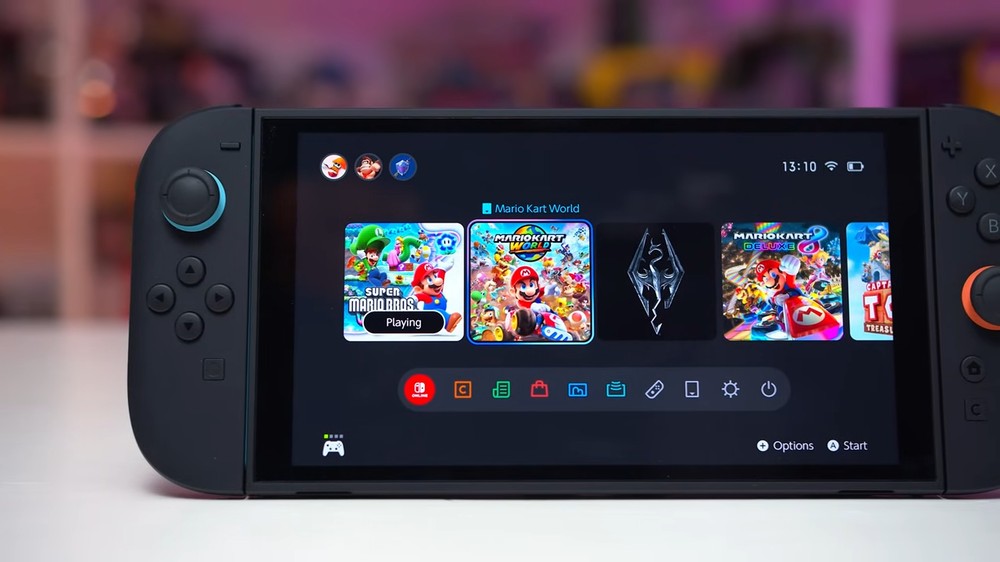
Nintendo strikes hard again, taking down over 400 Switch emulator-related repositories in a single day.
According to TorrentFreak It was pointed out that this cleanup operation had an extremely wide reach, including many projects related to well-known Switch emulators. The most prominent among them was Suyu, a fork derived from the now-defunct Yuzu emulator, and many of its associated libraries were taken down during this action. Additionally, several open-source projects such as MonoNX and Skyline were also included on the removal list, making the overall impact on the developer community quite substantial.
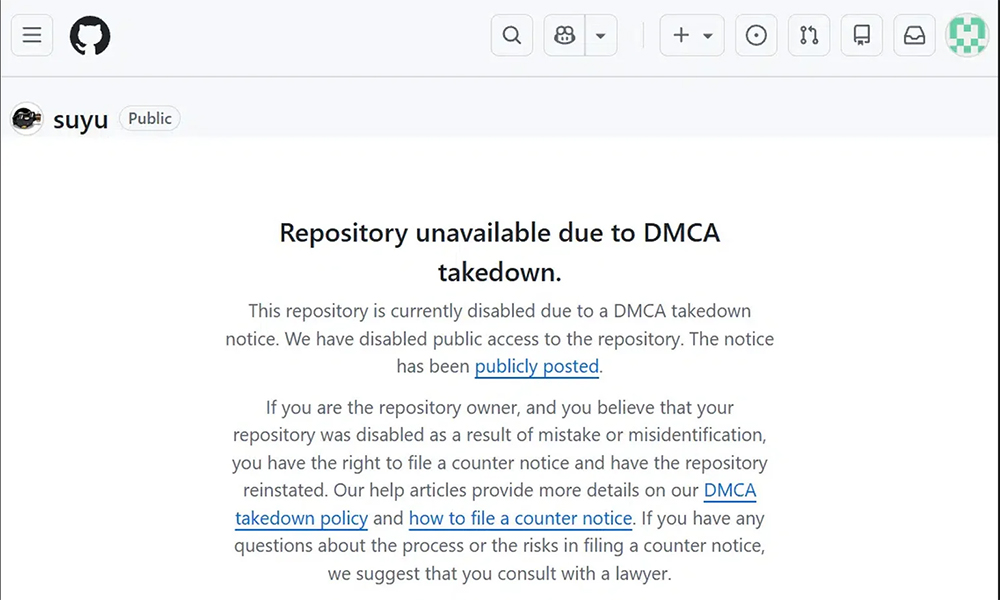
In fact, this is not the first time Nintendo has taken such action. Since successfully forcing the Yuzu team to shut down through legal channels in 2024, Nintendo has kept a close watch on the development of related derivative projects. Whenever a new emulator fork or alternative emerges, the company requests platform removal of the relevant content through copyright complaints or legal proceedings. As a result, emulator projects on GitHub often follow a recurring cycle of “one disappears, another pops up,” like an endless game of whack-a-mole in the digital world.
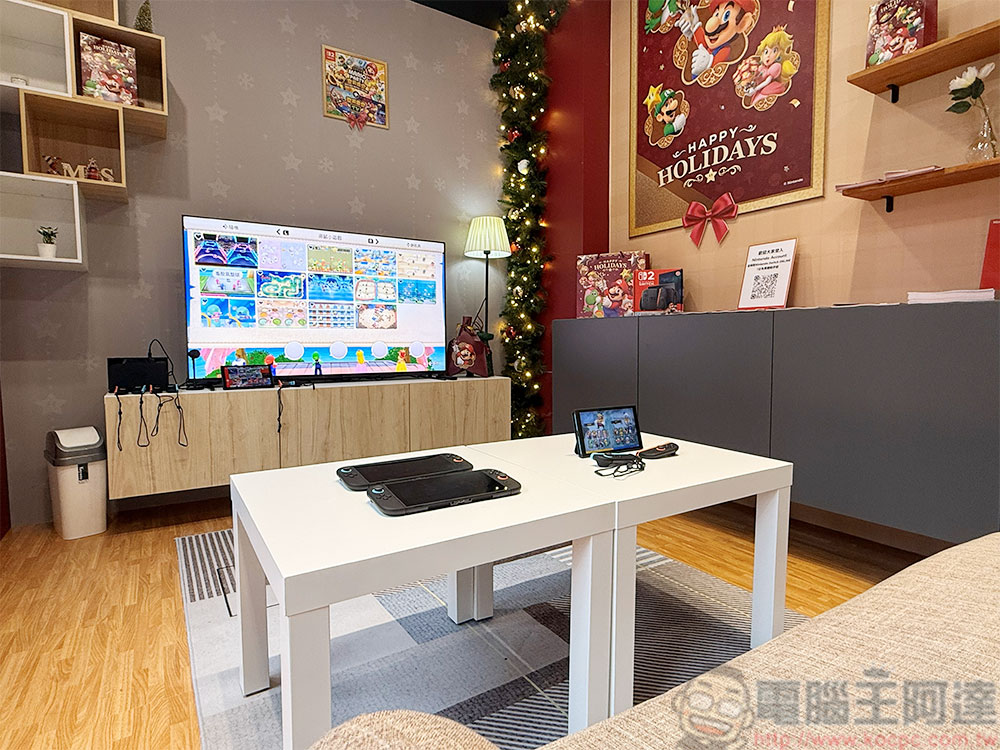
Nintendo’s stance on emulators has always been quite clear. In its publicly stated anti-piracy policy, the company does not specifically distinguish between so-called “legitimate emulation uses” and emulators used to run pirated games. Nintendo believes that any tool that could assist users in obtaining, running, or distributing unauthorized game content may pose a threat to its intellectual property rights. As a result, in addition to illegal game copies themselves, related circumvention technologies, cracking tools, and emulator software have all become targets of its enforcement efforts.
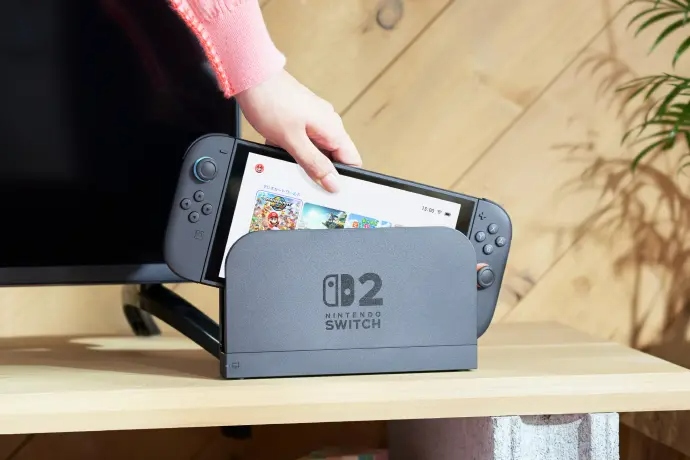
From Nintendo’s perspective, if a codebase contains technology capable of bypassing the Switch console’s security mechanisms, circumventing protective measures, or running unauthorized game content, there is ample reason to take legal action. As such, this large-scale takedown is not an isolated case but rather the latest step in its long-term rights enforcement strategy. For Nintendo, rather than waiting until the piracy problem escalates before addressing it, it is better to intervene early while the relevant technology is still in the stage of dissemination.
It is worth noting that taking down over 400 code repositories at once is an uncommon scale, and it also shows that Nintendo is trying to prevent the emulator community from regrouping and developing. Although the open-source world has always had a strong capacity for replication and rebuilding, related projects may still reappear in the future under new names and in different forms, but Nintendo has clearly prepared for a long-term response. As emulator developers continue to seek new room to survive, and Nintendo keeps blocking them through legal and platform mechanisms, the battle between the two sides is likely to continue for a considerable period of time.
Source: KOCPC Chinese