


As of 2026, USB-C has almost become the common language of consumer electronics. From laptops and tablets to phones, a single cable is all you need for charging and data transfer. Even Apple, which held onto Lightning for years, has fully switched to USB-C following mandatory EU regulations. This “one cable for everything” convenience has become a basic expectation for modern users.
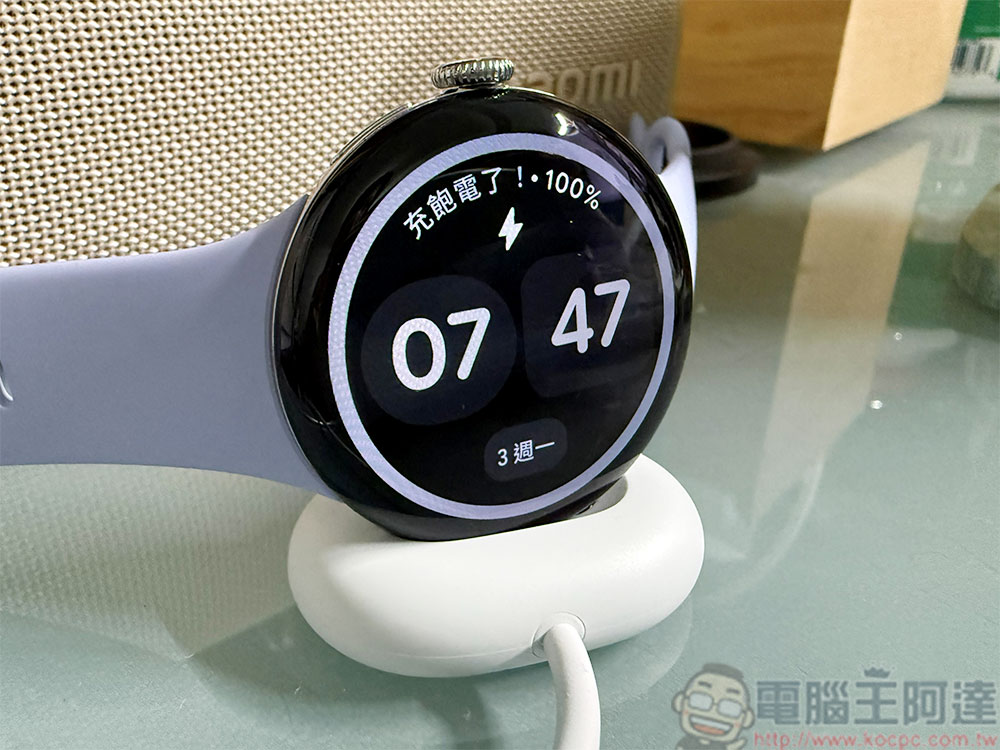
Why don’t current smartwatches use USB-C for charging?
However, when you turn your attention to smartwatches, the situation is completely different. These wearable devices rarely use USB-C; most brands rely on proprietary charging methods, and some even use different chargers across different models, with no regard for compatibility whatsoever. The result is that the smartwatch charging experience is chaotic and unfriendly—once you lose the original charger, you’re often left with no choice but to buy a replacement of the same brand and model.
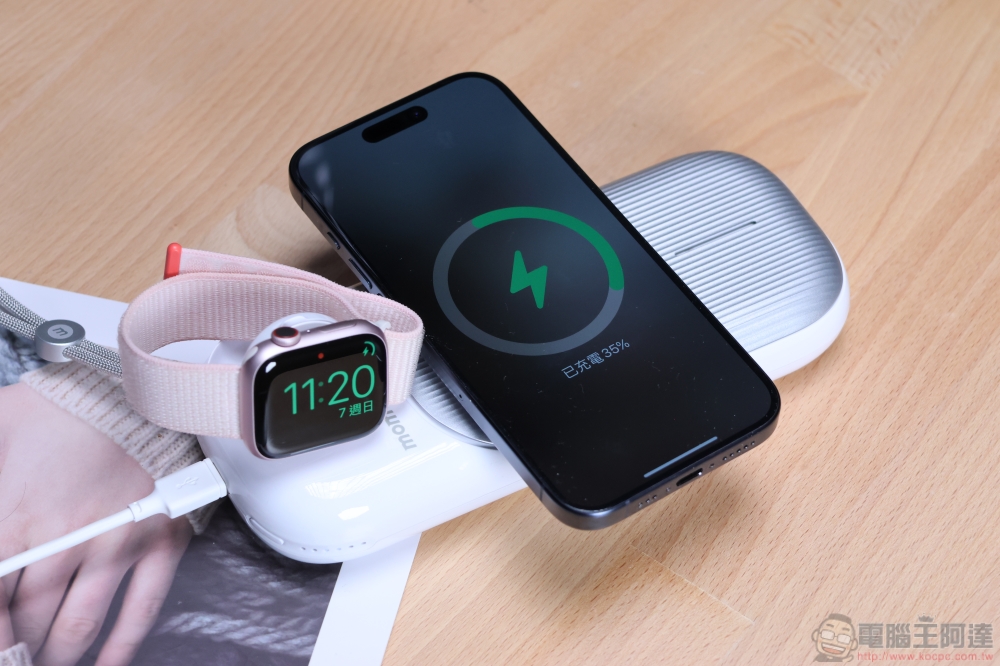
At first glance, this seems to run counter to the overall trend in the tech industry. After all, USB-C has matured and become widespread, with major brands like Apple, Google, and Samsung fully adopting it across other product lines—yet they’ve stopped short when it comes to smartwatches. So why exactly have smartwatches been so slow to adopt USB-C?
The answer is actually quite straightforward: waterproofing.
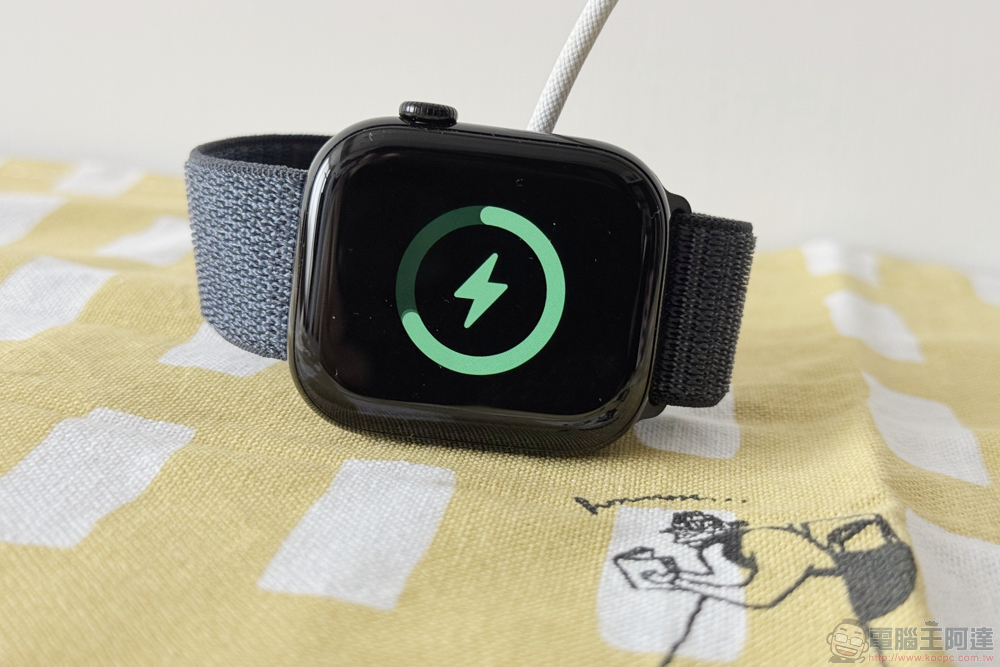
Smartwatches and phones are used in very different situations. A phone might occasionally get rained on, but a smartwatch stays in prolonged contact with the skin, exposed to sweat, dust, rain, and all kinds of outdoor environments. More importantly, smartwatches are often used to track water activities such as swimming, water skiing, and snorkeling—situations that demand far greater water resistance than typical electronic devices. While USB‑C is convenient, maintaining a high water-resistance rating in a compact watch case is no easy feat, and the port itself becomes a vulnerable point where moisture can seep in.
Therefore, even flagship smartwatches have to adopt alternative charging solutions, such as proprietary designs like magnetic charging docks and spring pin contacts. Although these options are not as universal as USB-C, they make it easier to achieve high water resistance and durability.
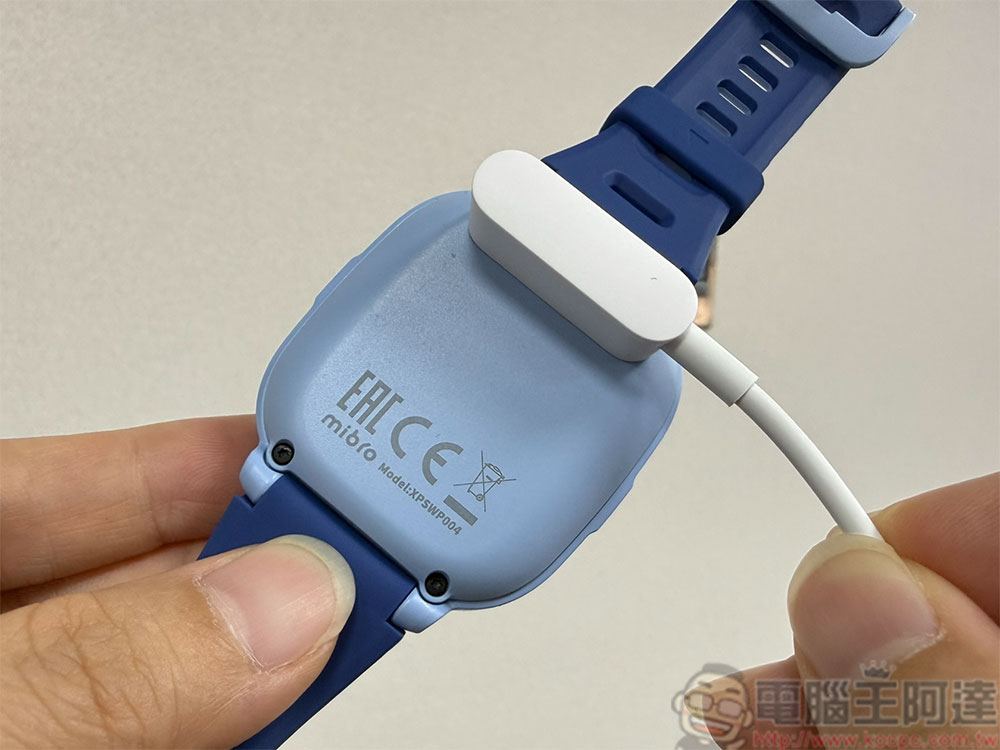
However, some brands in the market are still trying to break through this limitation and have started releasing smartwatches equipped with USB-C, though most of them come from smaller, niche manufacturers. For example, Indian brand boAt’s Storm Call 4, launched in May 2026, and the higher-tier Ultima Vogue 2 both feature USB-C charging ports. Another example is the Colmi P80, which also has a USB-C interface and claims an IP67 protection rating. Colmi states that they added a rubber sealing ring around the USB-C port to block water and dust from entering the watch case, which may be the key to combining USB-C with water resistance. Interestingly, the boAt Storm Call 4 claims an IP68 rating despite having no visible sealing structure. As for AliExpress, there are also plenty of USB-C smartwatches available, but most come from even more obscure brands, and whether their protection capabilities are as reliable as claimed remains to be verified.
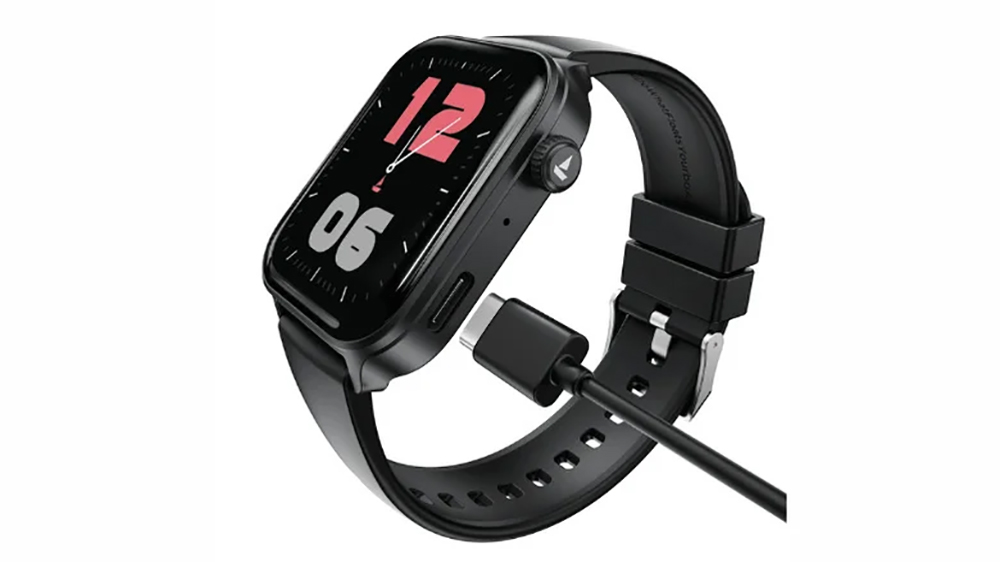
That said, these products at least prove one thing: smartwatches aren’t completely incapable of adopting USB-C—mainstream brands just haven’t yet found the optimal solution that balances water resistance, durability, and design consistency. The current USB-C standard wasn’t designed for extreme waterproof environments, and smartwatches must achieve high ingress protection in extremely tight spaces, making proprietary charging solutions still the safer choice. But as USB-C has become a global universal standard, consumer expectations for “one cable to charge everything” will only grow stronger. Perhaps in the future, mainstream smartwatch brands will begin exploring new designs that allow USB-C and high water resistance to coexist—after all, convenience and universality are ultimately values that tech products cannot afford to overlook.
Source: KOCPC Chinese