


In early 2025, DeepSeek, a Chinese AI startup, sparked a global sensation with its open-source LLM model “DeepSeek-R1,” which even caused a crash in AI stocks at the time. The model achieved remarkable performance at an extremely low cost and was hailed as a disruptive Chinese AI “dark horse” on the world stage. However, its successor, “DeepSeek-R2,” has faced repeated delays in release. According to reports from the Financial Times and multiple foreign media outlets, the primary reason for the delay is rumored to be a policy requirement from the Chinese government mandating that the company replace its original NVIDIA hardware with Huawei’s in-house Ascend AI chips as the model training platform, which has complicated development of the new model.
The Hope of China’s AI Village: DeepSeek-R1
DeepSeek’s open-source release of DeepSeek-R1 in January 2025 quickly captured the attention of developers worldwide. The model’s biggest highlight is its perfect balance between cost and performance. According to available data, its training cost is only about 3% of OpenAI’s similar reasoning model “o1.” Moreover, since the model weights are publicly available, anyone can recreate it if they wish. And thanks to its open-source nature, any user can run it on servers or locally, greatly lowering the barriers to usage and deployment.
Training Switched from NVIDIA to Huawei: DeepSeek R2 Development Hindered
However, just as the global market was anticipating R2 to deliver another outstanding performance, DeepSeek has found itself mired in dual pressures from technology and policy. Earlier rumors indicated that the new model DeepSeek-R2 was scheduled for release in May 2025, but as of mid-August it still had not been launched, and even the original V3 had only undergone a minor update.
據The Financial Times, citing sources familiar with the matter, reportedThe primary reason for the delay lies in official Chinese intervention in DeepSeek’s choice of approach for model training. Following the success of R1, Chinese authorities became more determined to push forward the policy of domesticating AI infrastructure, requiring DeepSeek to abandon its original model training approach using NVIDIA GPUs and CUDA, and instead adopt Huawei’s Ascend AI chips and its accompanying software platform CANN (Compute Architecture for Neural Networks). Under policy pressure, DeepSeek accepted this requirement and began training R2 using Ascend hardware.
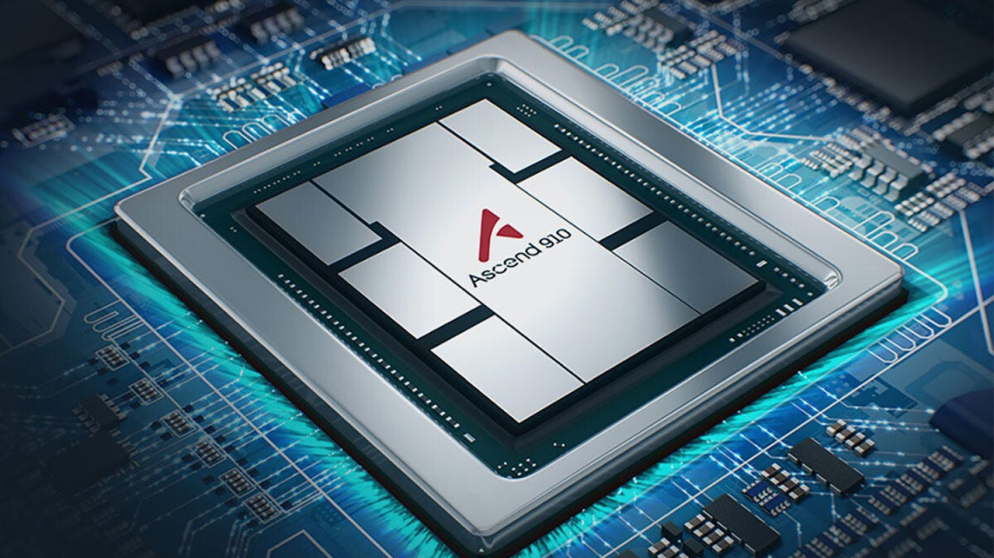
According to reports, DeepSeek immediately encountered numerous technical bottlenecks after switching to the Ascend platform, including unstable performance, inter-chip communication latency, and limitations in the CANN software framework, which prevented model training from proceeding smoothly. Although Huawei promptly dispatched an engineering team to DeepSeek’s data center to troubleshoot the issues, the overall training process was never successfully completed.
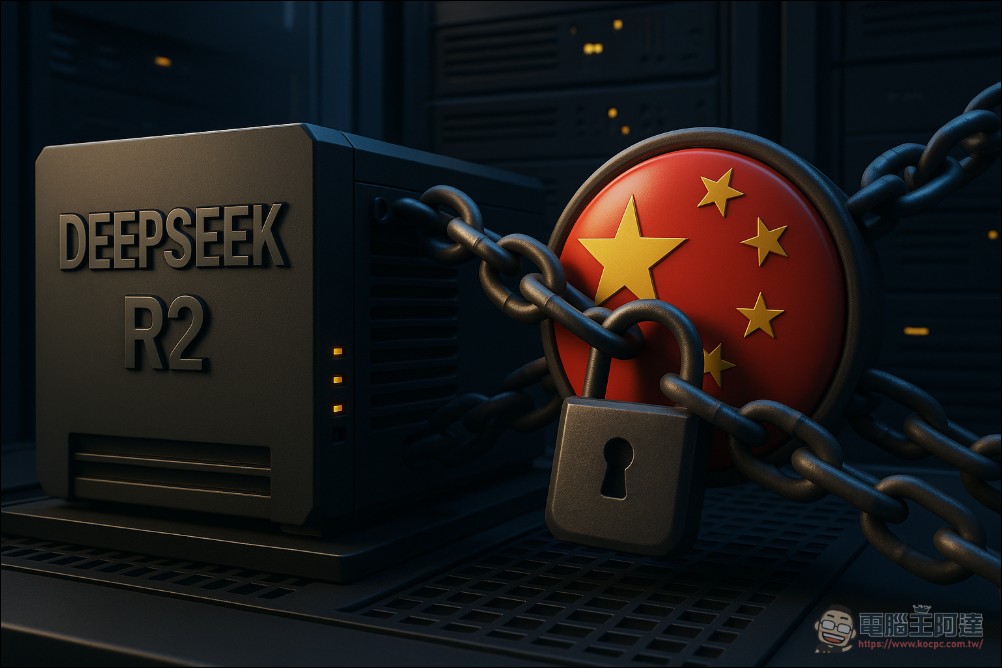
An internal source bluntly stated, “It never succeeded even once from start to finish,” a remark that undoubtedly reveals the profound impact the platform migration has had on DeepSeek.
DeepSeek’s solution: training relies on NVIDIA, inference uses Huawei.
According to 《Tom’s Hardware》Reports indicate that after months of technical experimentation and setbacks, DeepSeek ultimately adopted a “hybrid approach” as a compromise: returning to NVIDIA chips for the training phase while continuing to use Huawei Ascend GPUs for inference. Although DeepSeek has shifted back to the NVIDIA platform for training, actual deployment must still account for the shortage of high-end NVIDIA GPU chips within China. Due to export restrictions and unstable market supply, obtaining NVIDIA chips in China has become increasingly difficult, meaning DeepSeek will still have to rely on Huawei hardware when using the R2 model in the future. This reality has forced DeepSeek to ensure that the R2 model can run inference smoothly on the Huawei Ascend platform during design, even though that platform is not well-suited for training large language models.
In response, Tom’s Hardware commented: “From a commercial deployment perspective, ensuring the new model can run on Huawei hardware is a necessary and pragmatic choice.”
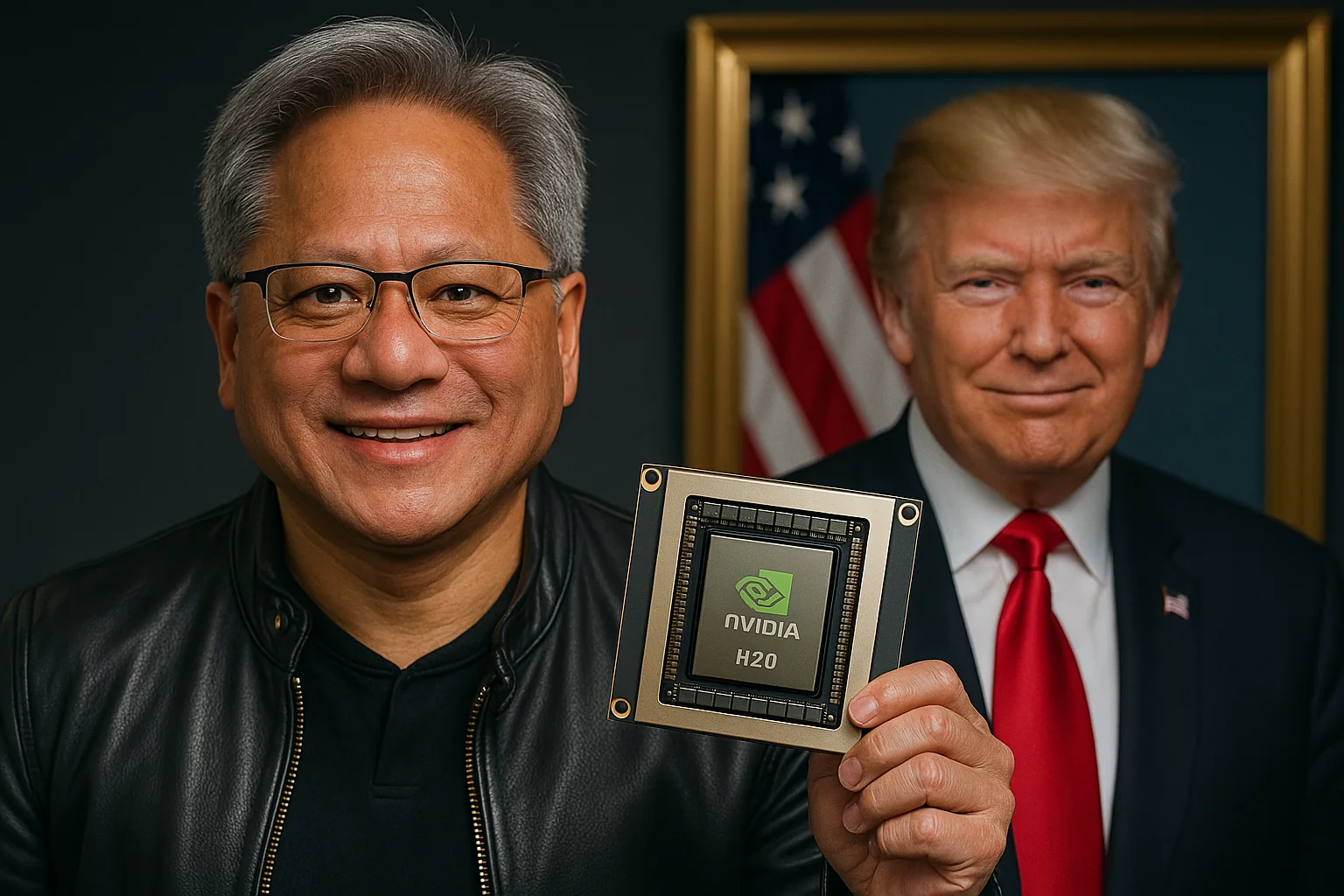
DeepSeek’s predicament is not just a single technical issue, but a microcosm of what China’s AI industry faces in pursuing technological self-reliance. From developing chips and building software platforms to perfecting the ecosystem, the Chinese government is trying to create a complete AI supply chain that isn’t constrained by external technology. However, the delay of DeepSeek-R2 also shows that “ideals are rich, but reality is lean” — there remains a huge gap between China’s current AI hardware capabilities and the ecosystem NVIDIA has built. Especially in the high-end GPU space, NVIDIA still leads globally in training performance, developer ecosystem, and CUDA tools. Although Huawei’s Ascend chips have been gradually applied in areas like model inference, speech recognition, and image recognition, there is still a gap in stability and performance compared to NVIDIA when it comes to training large language models (LLMs). Jensen should be able to rest easy for now.
Source: KOCPC Chinese