


Since the launch of the Sony A7 series in 2013, Sony has continuously launched new E-mount full-frame lenses, among which the popular constant aperture lens has attracted the most attention. The lens I want to share today is the last lens of Sony’s zoom lens Vario-Tessar® T* FE 16-35 mm F4 ZA OSS (SEL1635Z), how does this lens perform? Let’s get to the topic now!
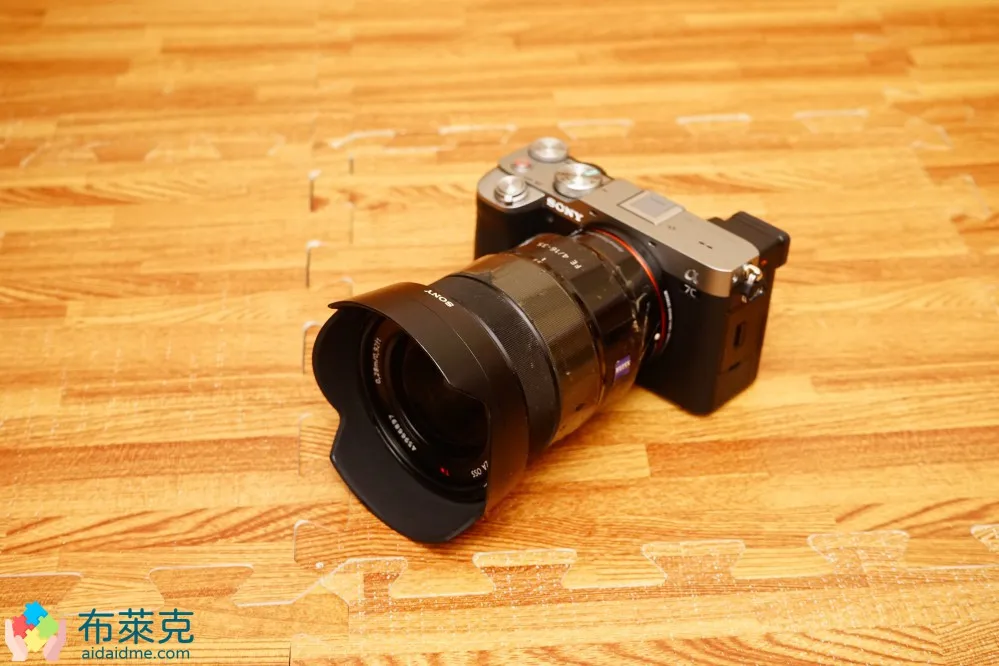
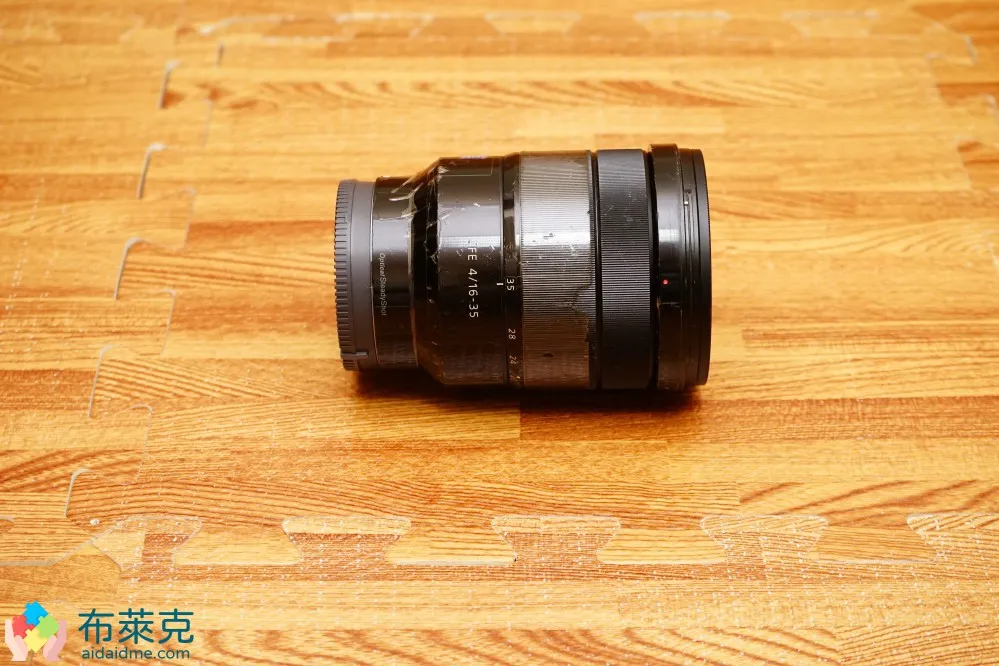
▲ Figure 1: Today’s protagonist is SEL1635Z
If you think the content of the article is helpful to you, thenSubscribe to my contentBar! It’s free! When I publish a new article, it will be pushed to your inbox immediately. This is the easiest and most convenient way to encourage me!
Vario-Tessar® T* FE 16-35 mm F4 ZA OSS Advantages and Disadvantages Analysis
Vario-Tessar® T* FE 16-35 mm F4 ZA OSS is a full-frame lens with a constant aperture of f/4 throughout the entire focal length, which is also commonly known as a small three-dimensional wide-angle lens. The editor has compiled the advantages and disadvantages of the lens as follows for your reference!
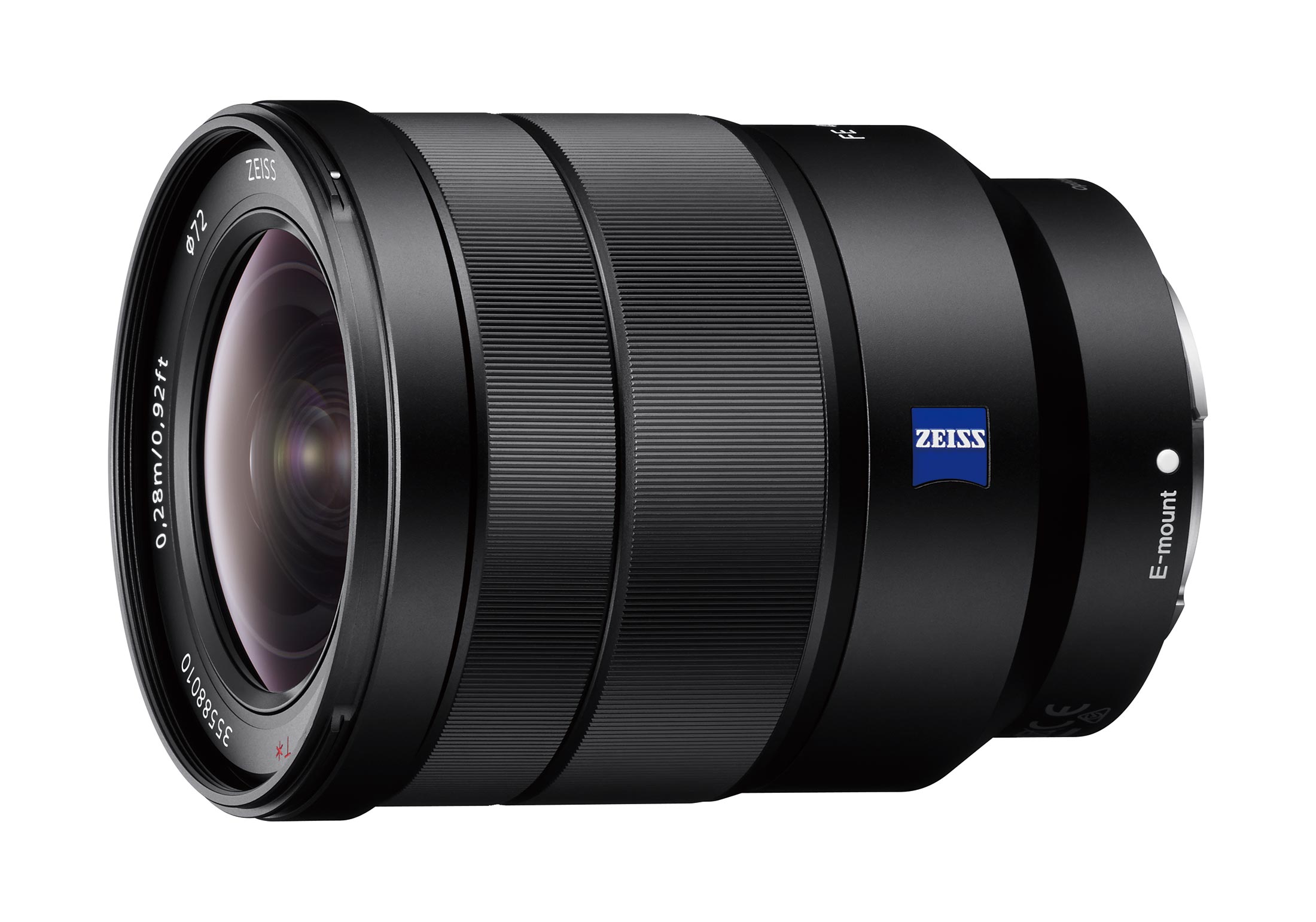
SEL1635Z wide-angle zoom lens/from Taiwan Sony official website
Price NT$ 36,980
Position similar shots
Scenery photography, historical monuments, group photos of people…etc.
- Full frame E-mount lens
- Constant aperture f/4 throughout the focal range
- Weight is 518g
- 0.28 m minimum focusing distance
- 0.19x maximum magnification
- 72mm lens diameter
- T* anti-reflective coating significantly reduces glare
- Anti-shake
- Dust-proof and drip-proof design
- Using a lens group of 12 elements in 10 groups
- flower hood
- 2014.09.15 Public sale
- Cheap price (1/2x GM lens)
- Super wide field of view
- light weight
- Large aperture and shallow depth of field
- Sharp picture quality
- Anti-shake
- Metal lens body is easy to scratch
- There is vignetting at the wide-angle end
- Poor magnification
- Starburst effect is not good
The above advantages and disadvantages are partly based on personal subjective feelings, please consider and refer to them!
Lens appearance and function introduction
SEL1635Z adopts a metal lens body, which can reflect the metallic luster when illuminated by light, which is quite textured. However, after long-term use, this kind of material seems to be easily scratched. For example, the paint on the one on my hand has obviously peeled off. Both the focus ring and the zoom ring have a finely serrated design, making it easy to hold them firmly by turning them with your fingers.
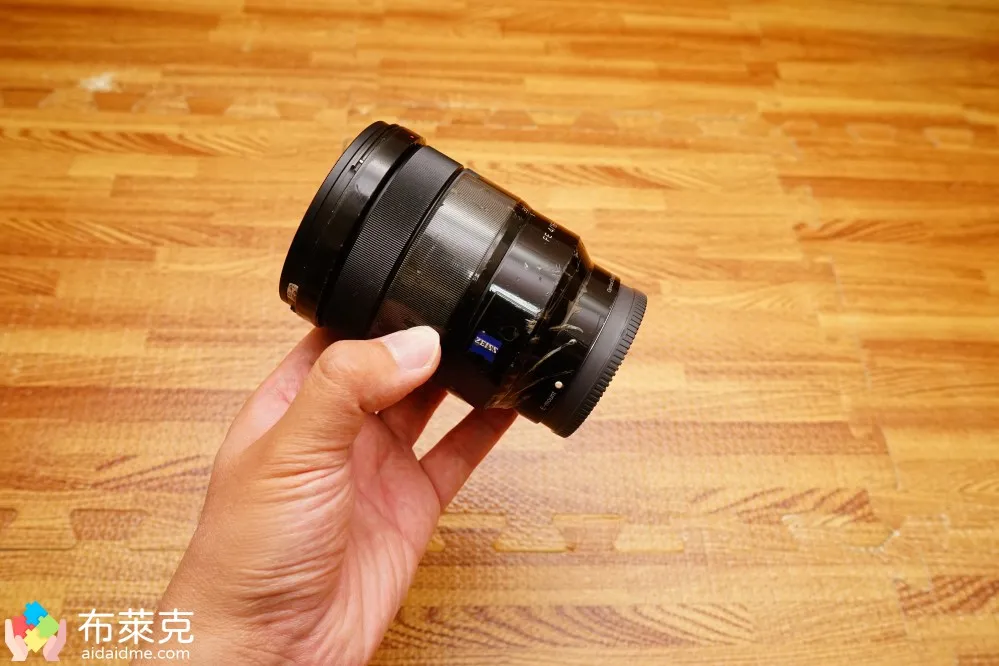
▲ Figure 3: The lens is made of metal and may become worn after long-term use.
The jade behind the lens is a metal design, and you can see the words “Made in Thailand”.
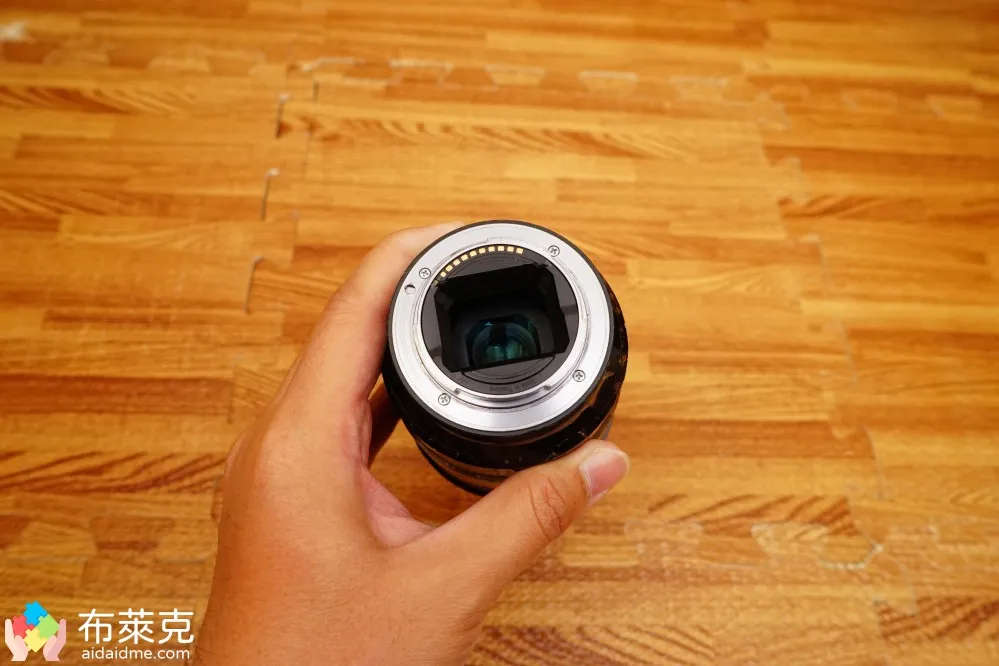
▲ Picture 4: Jade behind the lens
When purchasing the lens, an exclusive lens hood will be included, model number ALC-SH134. It adopts a design of half metal and plastic, that is, there are some metal materials in the lower half circle, which is quite special. The inner ring is only matte treated and has no flannel design. This can be regarded as having advantages and disadvantages. If the inner ring is designed with flannel, it can reduce reflected light, but the disadvantage is that cotton wool will get stuck!
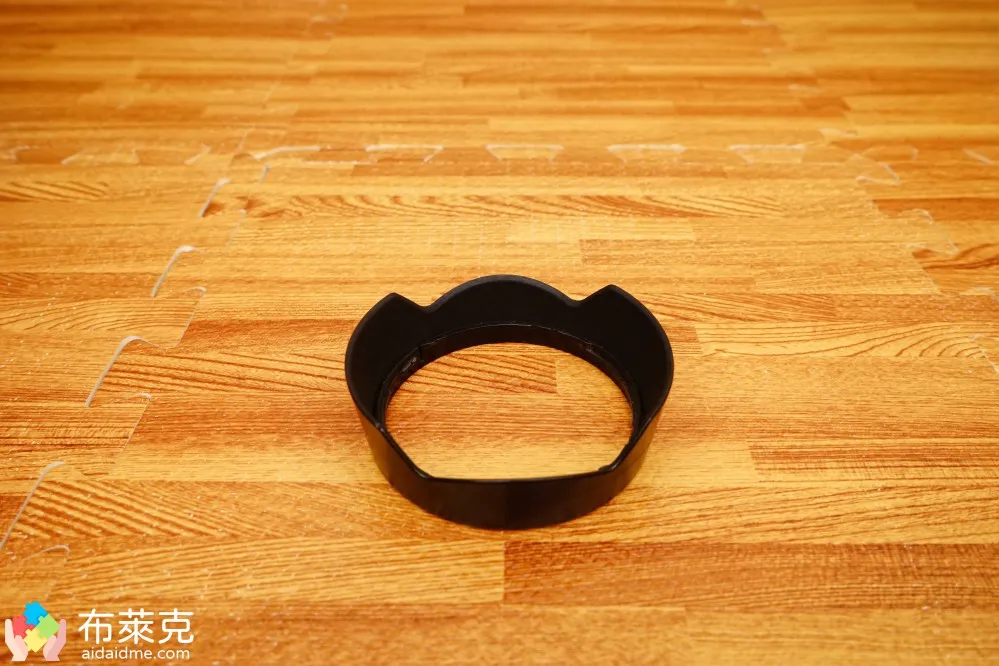
▲ Figure 5: Flower-shaped hood
The lens weighs 518g without the lens cap. Even after adding the lens hood and Sony A7C, the weight reaches 1061g. It is not light in the hand, but it is not top-heavy either.
| Lens only (without front and rear covers) | Lens + body | Hood + lens + body | |
| Weight (g) | 518g | 1031g | 1061g |
| Length (cm) | Telephoto end: 9.9cm Wide angle end: 11.4cm |
Telephoto end: 15.5cm Wide angle end: 17cm |
Telephoto end: 17cm Wide angle end: 18.5cm |
▲ Table 1: Lens weight and length/body is Sony Alpha 7C
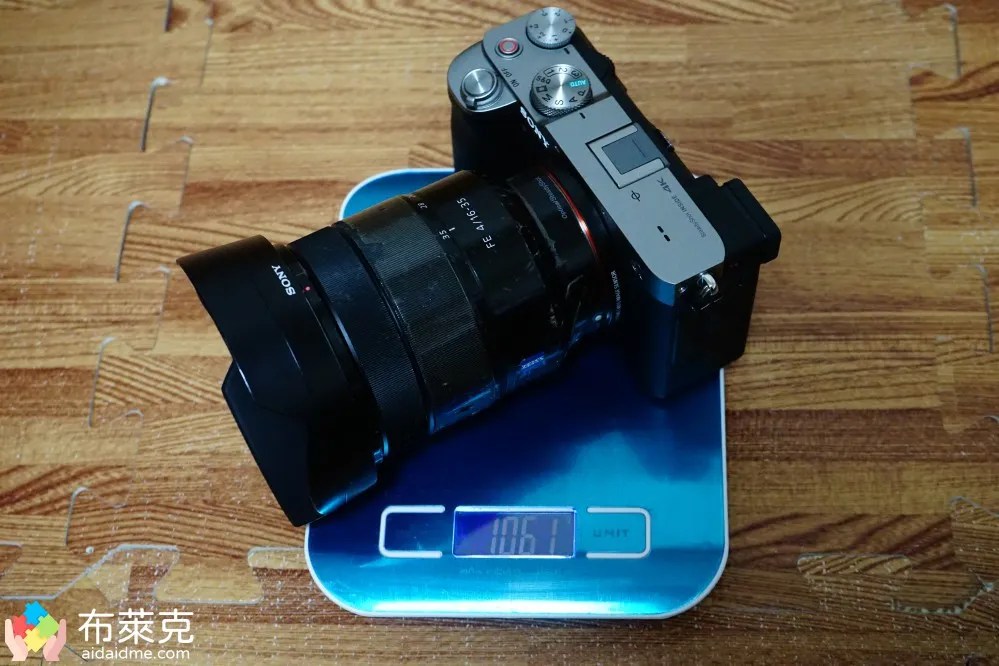
▲ Figure 6: Weight of camera body and SEL1635Z lens (including lens hood)
The lens has a beautiful blue Zeiss logo on its exterior, and you can also see the zoom ring and focus ring. (nonsense), other than that there are no physical buttons.
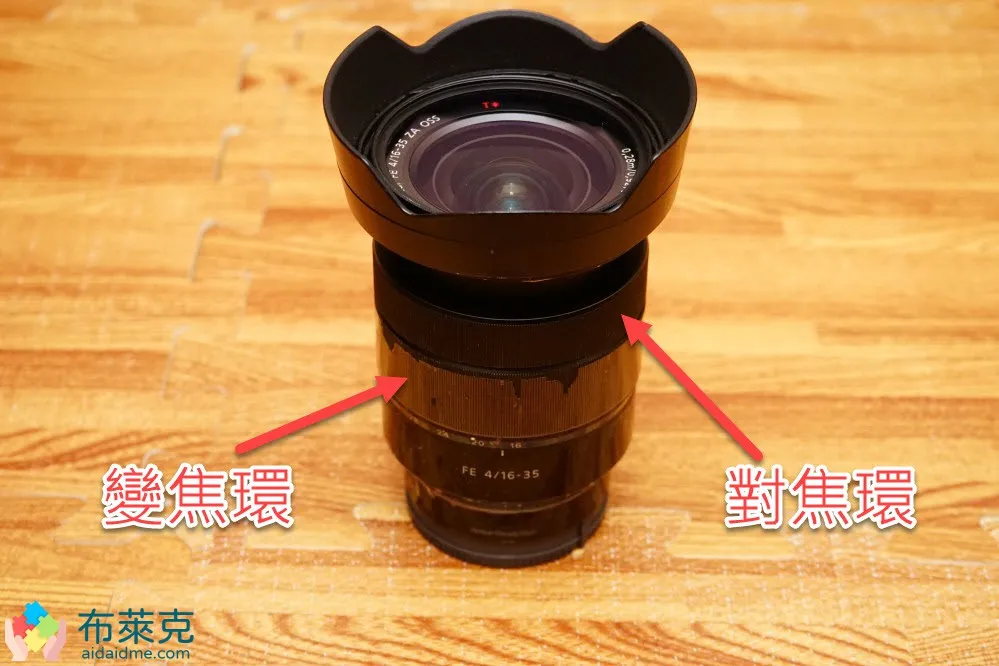
▲ Figure 7: The lens only has the zoom ring and focus ring
The lens adopts an external zoom design when zooming. The length is the shortest at the telephoto end (35mm), and the lens barrel extends out at the wide-angle end (16mm).
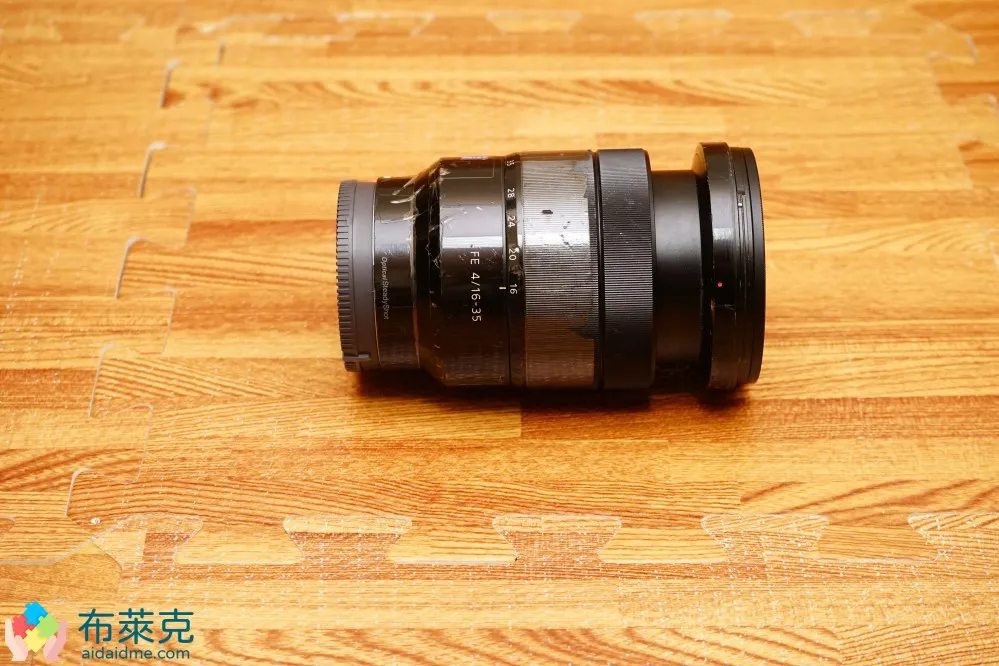
▲ Figure 8: At the wide-angle end (16mm), the lens barrel will extend
▲ Figure 9: The telephoto end (35mm) has the shortest lens barrel
After talking about the appearance of the lens, let’s introduce the inside of the lens.
The SEL1635Z has an internal lens design of 12 elements in 10 groups, with 5 aspherical lenses, one of which is an advanced aspherical lens (AA), which can improve the lens image distortion and reduce sharpness. 3 extra-low dispersion (ED) lenses reduce the problem of chromatic dispersion. The surface of the lens is coated with Zeiss’ exclusive technology T* coating, which can reduce light reflection.
Lens composition/from Taiwan Sony official website

The maximum aperture is f/4, which some people may think is not wide enough, but it depends on your usage habits to determine whether this is a shortcoming. Such as travel, recording life, recording children’s growth, photographing food…etc., these themes are very common.Excellent photo quality at wide open aperture (f/4), so don’t worry too much. You can see the actual test reference below.
All small ternary lenses with Sony E mount have lens anti-shake (OSS) design. The built-in OSS of SEL1635Z can compensate for the shutter speed of four levels. It’s better than nothing, don’t you think?
Actual test comparison
- 本次使用的機身是 Sony Alpha 7C,統一使用 2,400 萬畫素 X.Fine,風格設定為 Std +0+0+0,不使用動態範圍最佳化 (DRO),不使用任何相片風格檔。
- 多數測試時都有使用三腳架,並用 ISO 100 的感光度獲得乾淨的相片,並啟用鏡頭補償。
▲ Figure 11: Tested using Sony A7C + SEL1635Z
Image quality comparison test
畫質就是用來評定一顆鏡頭好壞的重要指標。除了畫面中央的畫質之外,這次也會評論邊角的畫質。
This picture was taken at the Daping Red Bridge in Longtan. This bridge was built in 1923 and looks very historical in appearance. In order to test the image quality, the editor set up a tripod at the same place, angle, and time to ensure consistent composition.
The editor gradually narrowed the aperture of the lens from the maximum f/4 to f/22 and took the following comparison picture, enlarging it to 1:1 size to take out the center and corners of the picture. The same composition will be done once at the wide-angle end (16mm) and the telephoto end (35mm). You can take a closer look at the image quality.
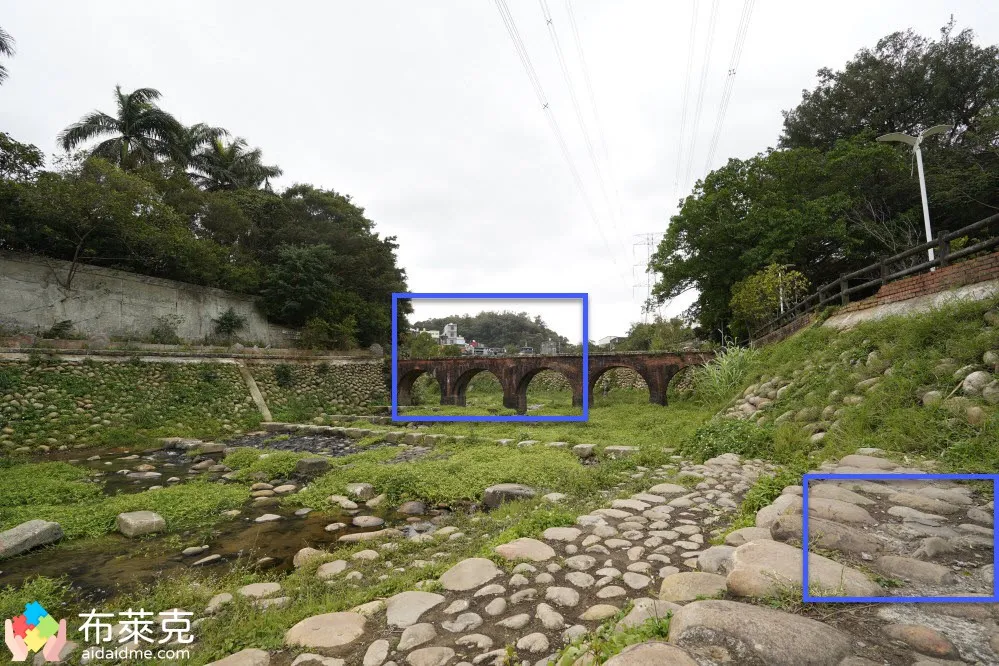
▲ Figure 12: Wide-angle end (16mm) cropped center and corner images
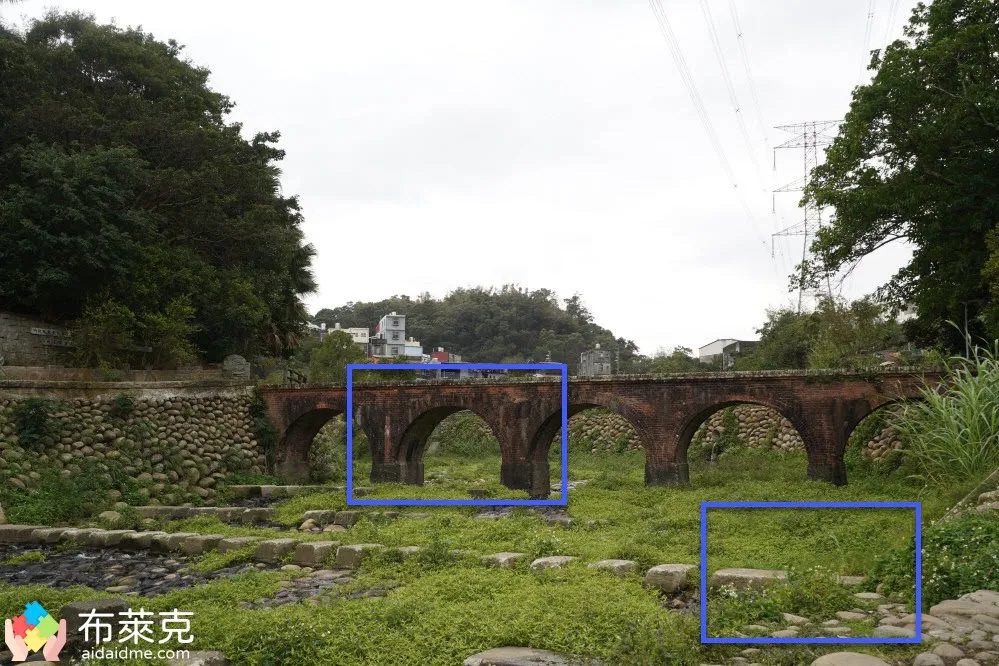
▲ Figure 13: Telephoto end (35mm) cropped center and corner images
The one on the left is the image quality in the center of the screen, and the one on the right is the image quality in the corners of the screen. If you think the picture below is a bit blurry, you can check out the more detailed version provided by the editor! Since the image file is large, please wait a moment while loading!
Let’s take a closer look at the wide-angle end (16mm) first!
- Wide-angle end (16mm) more detailed image quality comparison
- View link:Go here
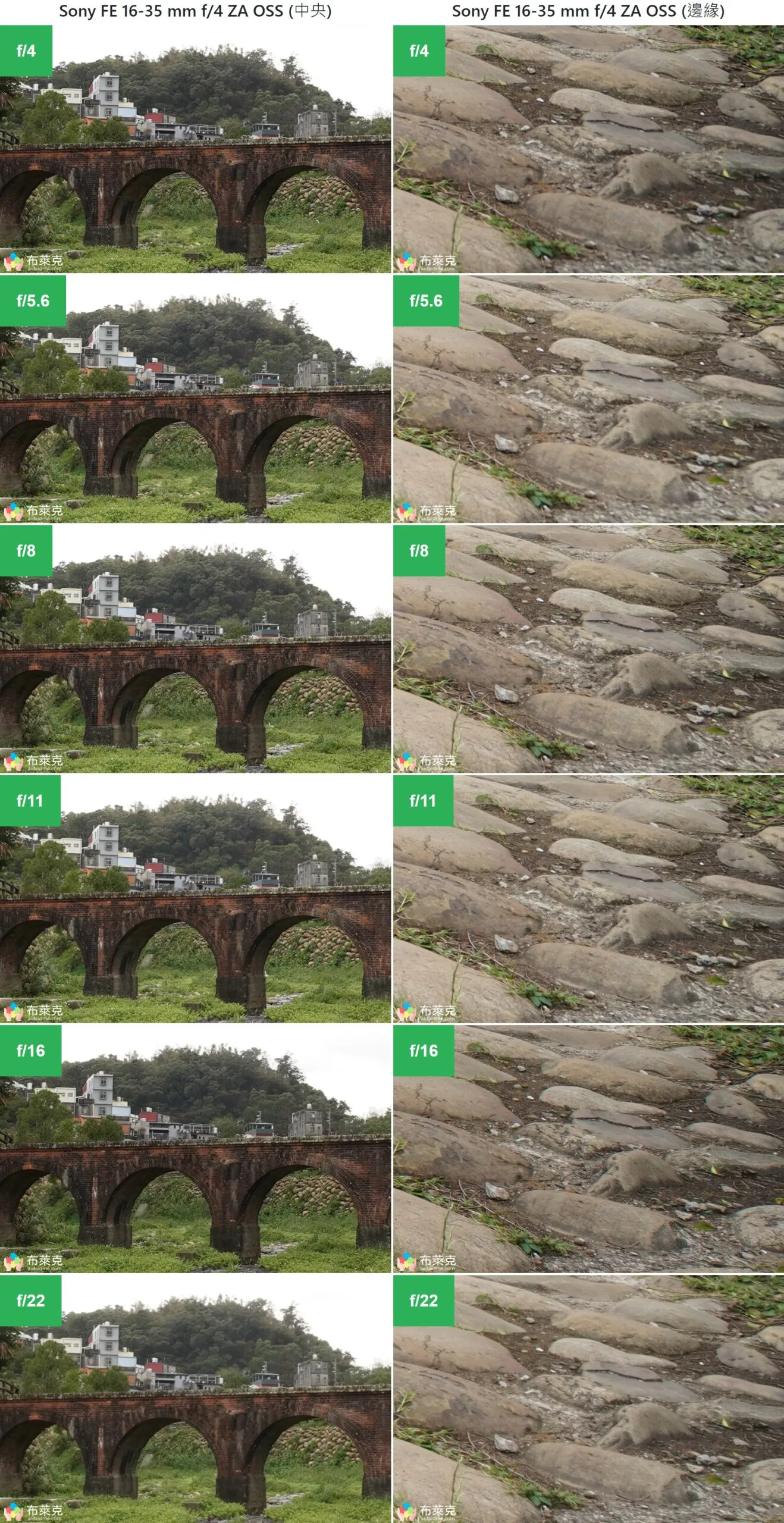
▲ Figure 14: Wide-angle end (16mm) image quality comparison test
The editor has enlarged the photo to 1:1 and looks at the center frame on the left from the maximum aperture (f/4). The structure of the red bridge pier, after gradually narrowing the aperture, I personally think that the difference in image quality is not obvious. When the aperture is around f/16, the naked eye can really feel that the image quality becomes softer, and it does not feel like the image quality is very solid. When the aperture is stopped down to f/22, the haziness becomes more obvious.
But the edges of the picture are more tragic. At the maximum aperture (f/4), the rocks at the edge of the frame are very blurry, giving the impression that the image is out of focus. This state continues until the aperture is f/5.6. The editor believes that the edges of the image appear best when the aperture is f/8 and f/11.
Next, let’s take a look at the telephoto end (35mm)!
- Telephoto end (35mm) more detailed image quality comparison
- View link:Go here
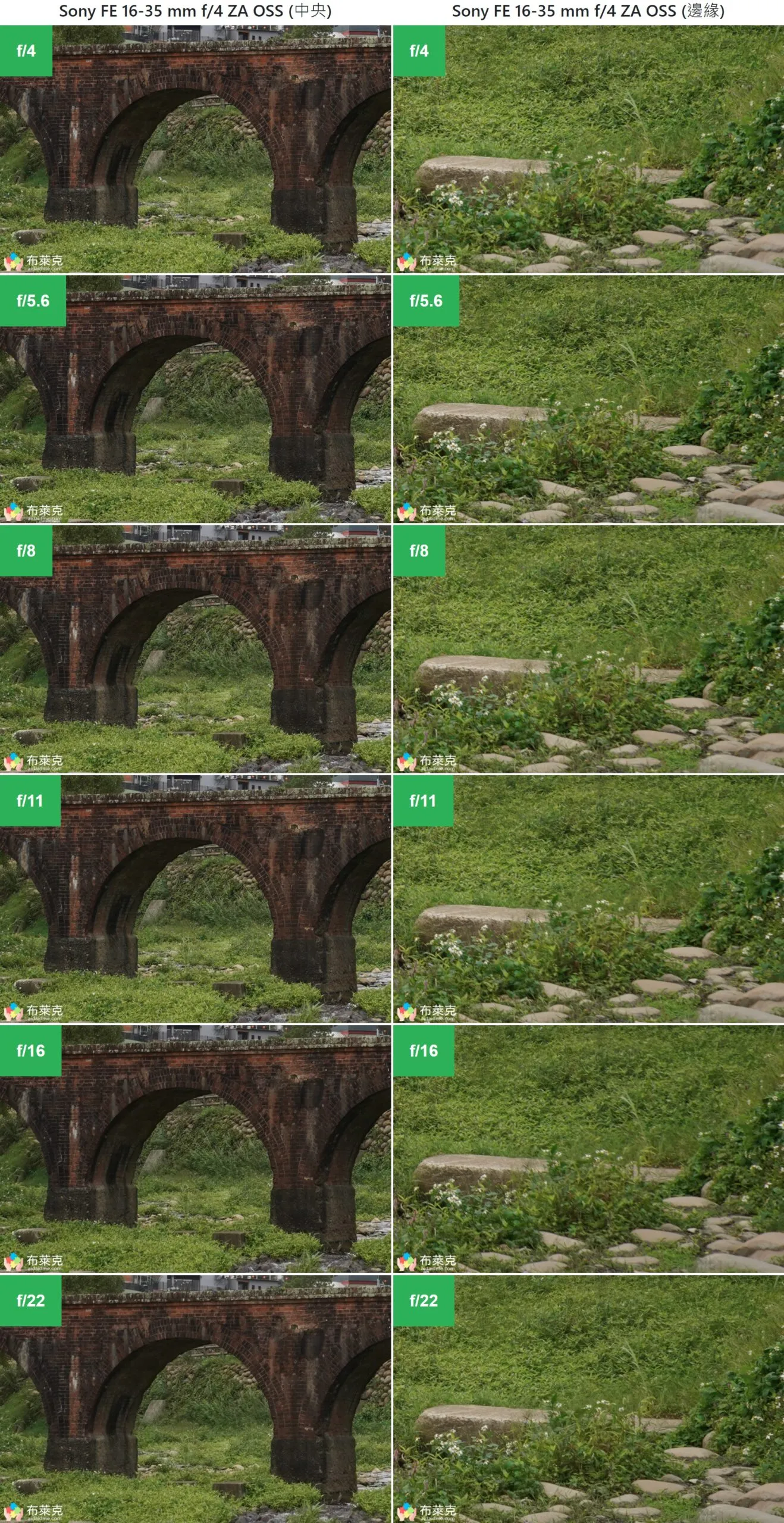
▲ Figure 15: Telephoto end (35mm) image quality comparison test
Next is a comparison picture at the telephoto end (35mm). At the wide-angle end (16mm), the editor believes that the sharpest setting in the center of the frame is between f/4 and f/11. It should be said that there is not much difference. When the focal length reaches 35mm, the editor still has the same opinion, and there is almost no difference.
The rocks at the edge of the frame are enlarged as the focal length increases, but the difference in image quality is too small.
Close-up image quality test
近拍的使用情境相當多,像是拍美食、飾品小物、公仔…等等。為顧及這類題材的必要性,加測這個項目。
The protagonist of this photoshoot is the NT$1,000 that is common in daily life.

▲ Figure 16: Cutting the center and corners of the screen
- Telephoto end (35mm) more detailed image quality comparison
- View link:Go here

▲ Figure 17: Telephoto end (35mm) image quality comparison test
In this close-up actual measurement, there are no other interference objects on the screen, so you can clearly see the image quality in the center of the screen. There is really not much difference as the aperture is narrowed from f/4 to f/11. If I have to say that the best quality is probably the aperture of f/8. You should be able to reach the same conclusion regarding the image quality at the edge of the screen.
Vignetting test
暗角算是一種拍攝風格,通常攝影師會用來屏除畫面上邊緣的干擾,使相片更有藝術感。不過要拍攝產品照時,畫面邊緣有暗角是挺困擾的事情。
The picture below was taken against a wall. The editor gradually reduced the aperture of the lens from the maximum f/4 to f/22.
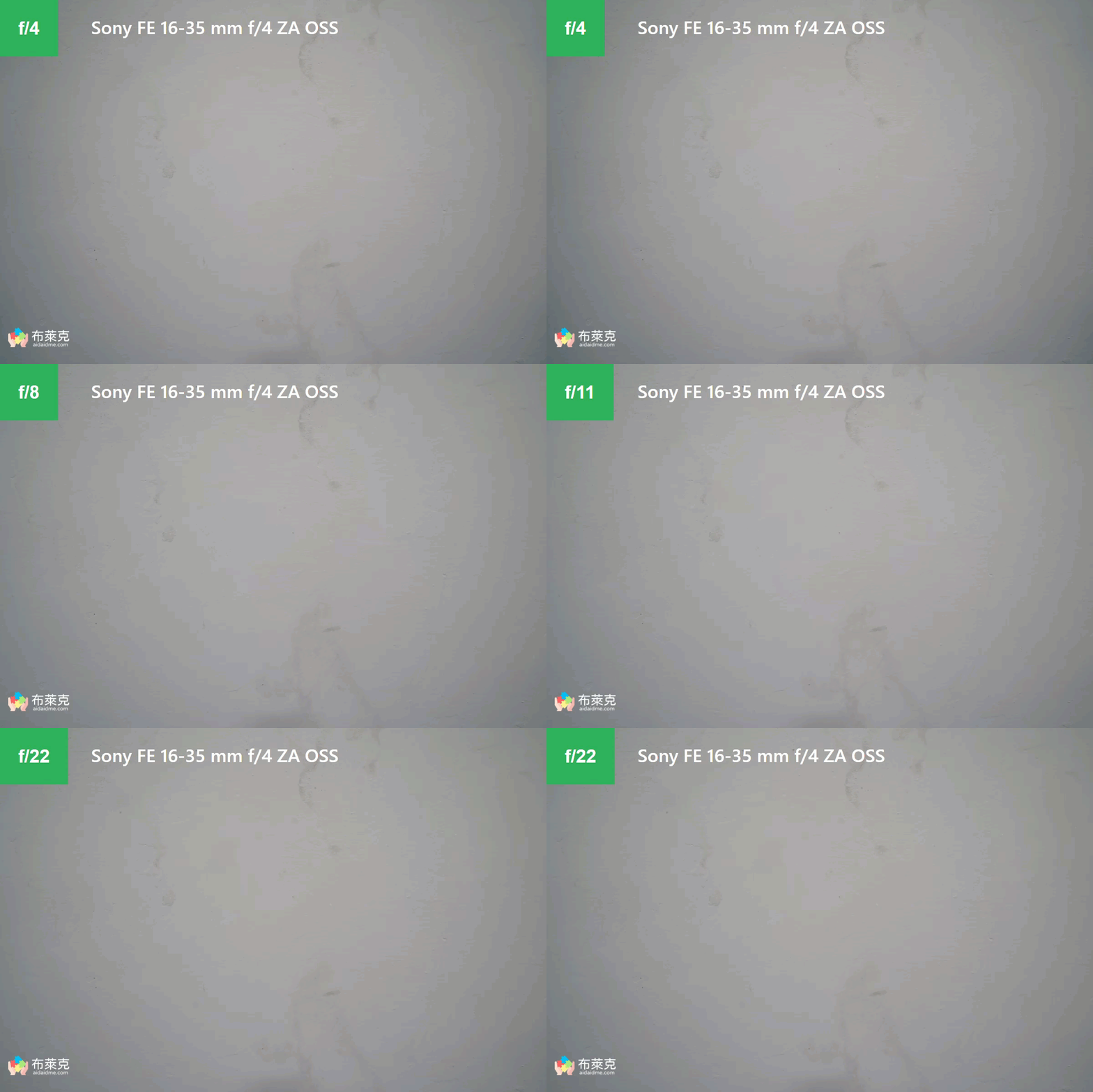
▲ Figure 18: Vignetting test
If you look carefully at the maximum aperture of f/4, there is a circle of darkness around the photo. This is a problem caused by vignetting. When the aperture is stopped down to about f/8, the problem of vignetting is greatly improved.
Dispersion test
逆光情況下鏡頭通常會出現色散的狀況,也是衡量鏡頭品質的指標,高階鏡頭都有色散抑制的光學鏡組,也就是常聽到的超低色散 (ED) 鏡片。
SEL1635Z uses T* optical lens coating technology, which can significantly reduce light reflection. The lens is equipped with 3 extra-low dispersion (ED) lenses, which shows that the materials used are very sufficient!
- More detailed image quality comparison
- View link:Go here
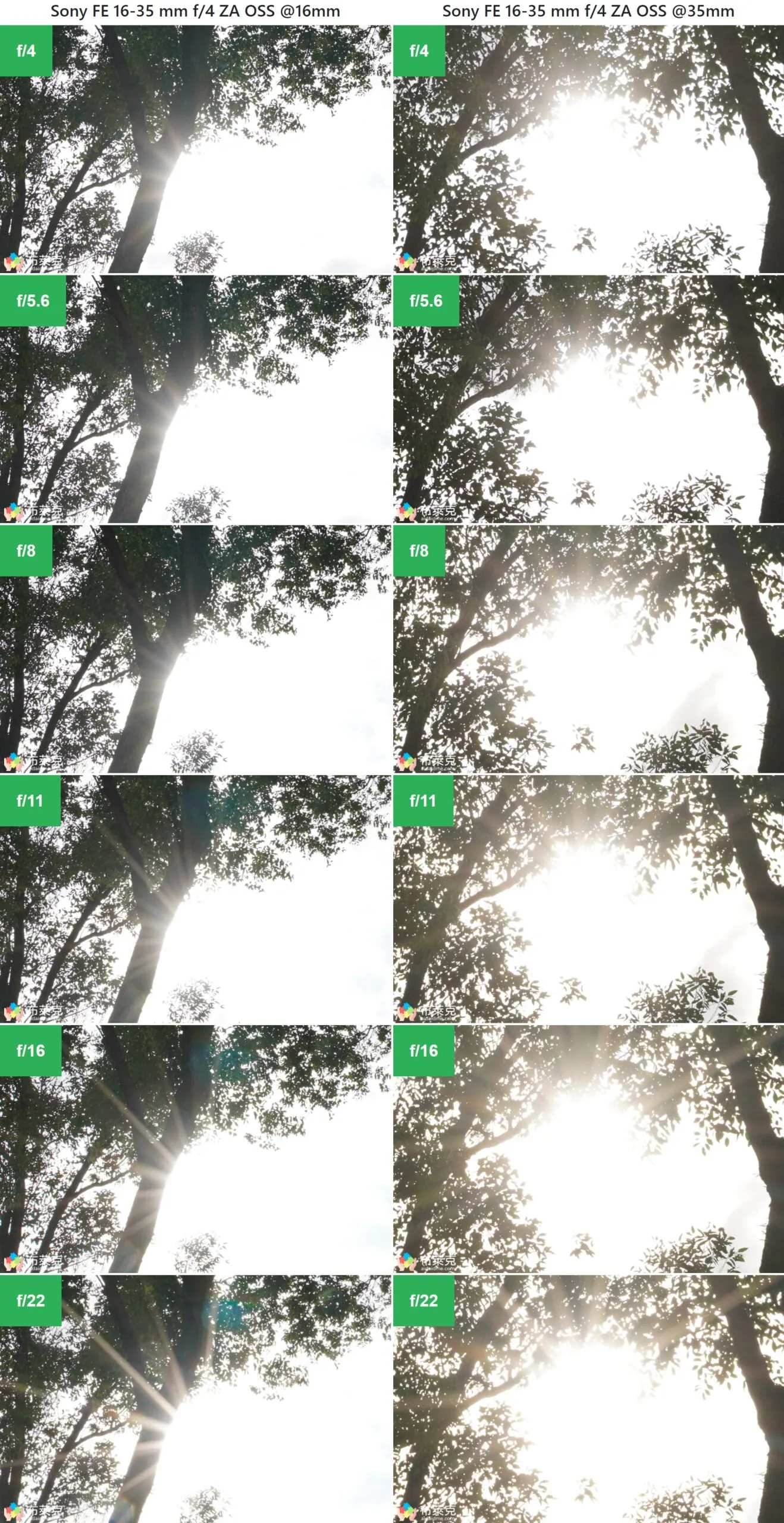
▲ Figure 19: Dispersion test
Because the design of the SEL1635Z lens itself is quite particular, the editor never saw any obvious dispersion when doing this test. Regardless of whether it is the wide-angle end (16mm) or the telephoto end (35mm), the purple fringing is not very obvious.
perspective change
Wide-angle lenses have always been the first choice for Chinese people when traveling. The reason is very simple: “When you go out, you can have all the scenery with you.” The editor would describe it this way because the wide-angle lens has a very wide viewing angle (up to 107°), and all the scenery within this range can be swept in.
If you still have no idea, take a look at this GIF!
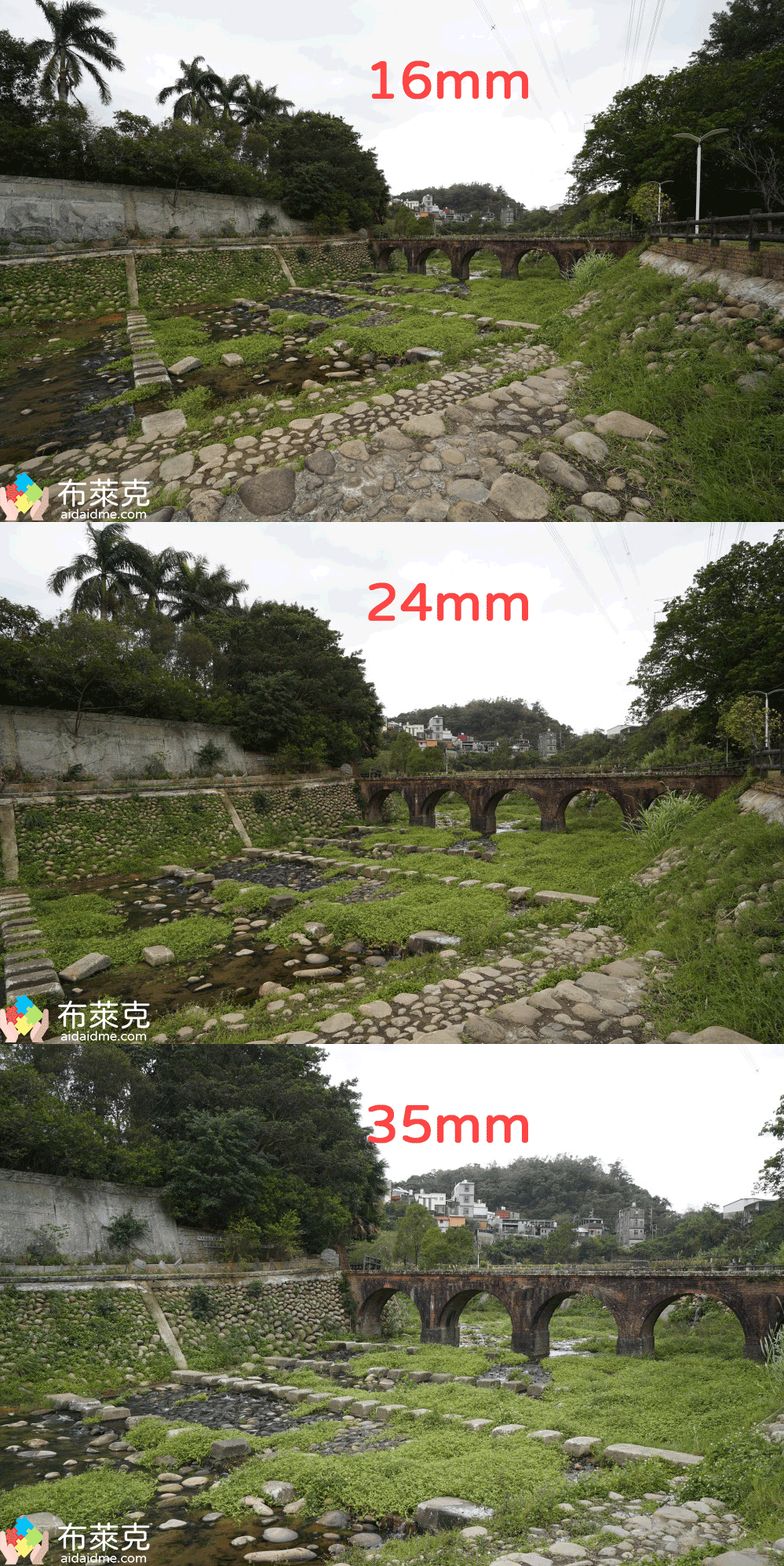
▲ Figure 20: Changes in viewing angle of wide-angle lens
Actual shooting and usage evaluation
The editor personally likes wide-angle lenses, because when traveling, there will always be times when taking pictures of landscapes, buildings, group photos, etc. At this time, you don’t need to step back too far to take pictures of all the scenery, which is really convenient.
This photo was taken at Sankeng Natural Ecological Park. When I saw the painted embankment, I thought it was very eye-catching. After all, the painting on it was very detailed, so I took this photo. All the scenery is included, this is the benefit of a wide-angle lens.
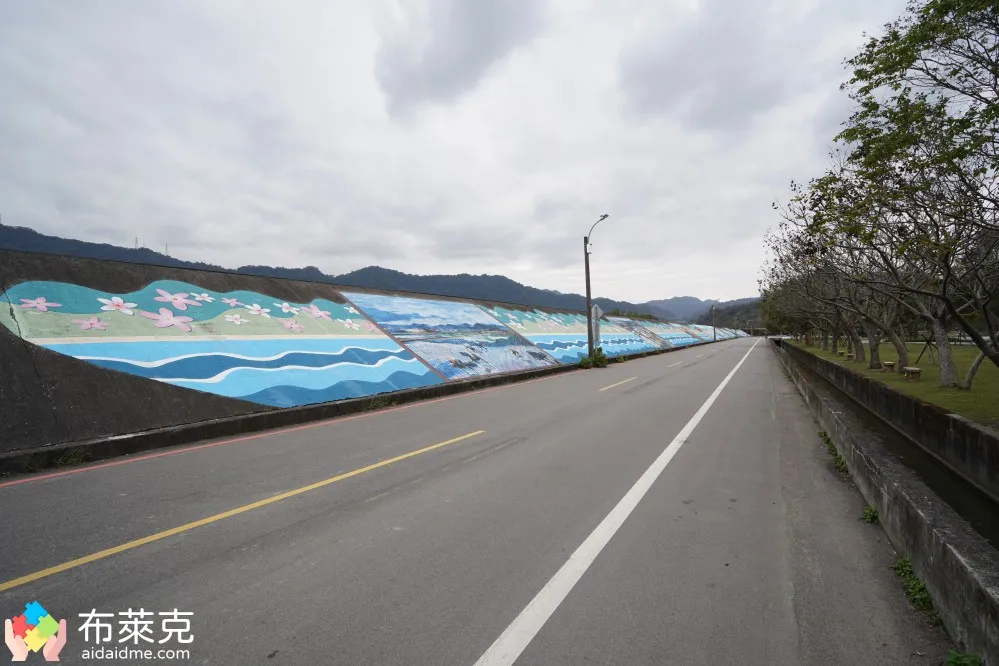
Aperture f/4/Shutter 1/320 sec/ISO 100, Sony Alpha 7C body straight
On the day of shooting, there was a cold wave, and there were no buildings around here. It was so cold to me! The ecological lake covers a vast area and can be photographed as far as the eye can see.
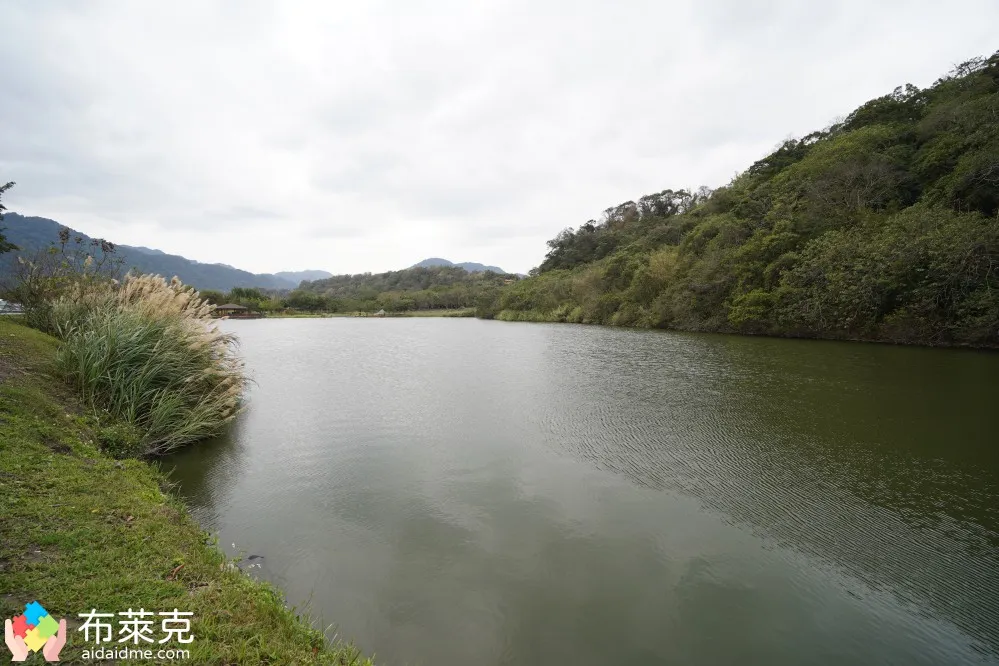
Aperture f/4/Shutter 1/200 sec/ISO 100, Sony Alpha 7C body straight
This picture was taken using the wide-angle end (16mm). The strawberry seedlings were originally parallel to each other, but in the end they looked like they were gathered into one point. It is indeed a wide-angle lens with a wide angle of view of 107°.
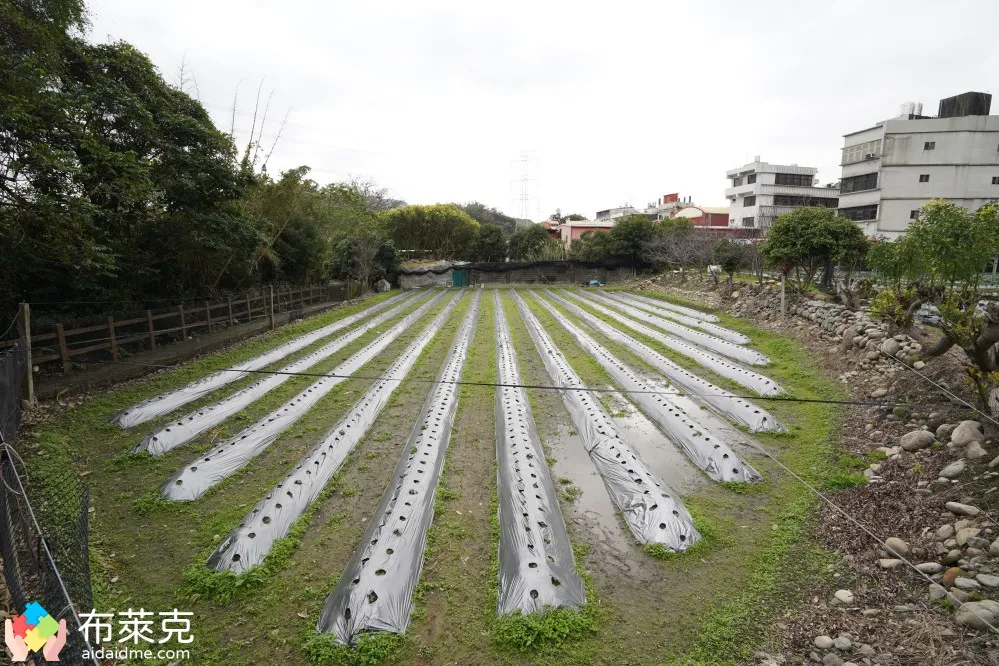
Aperture f/8/Shutter 1/40 sec/ISO 100, Sony Alpha 7C body straight
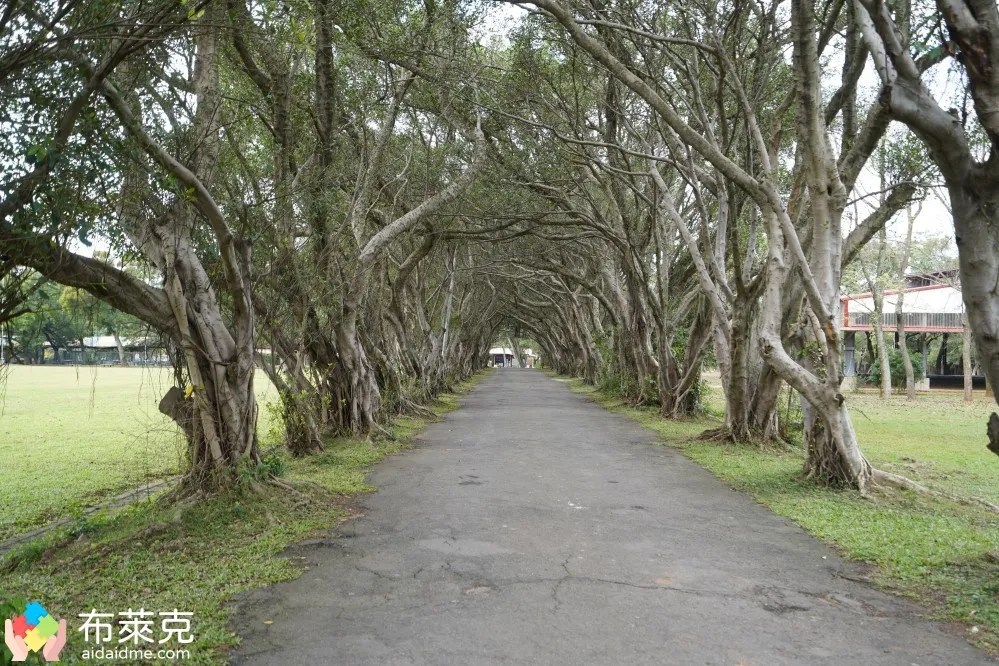
Aperture f/4/Shutter 1/80 sec/ISO 100, Sony Alpha 7C body straight
Although the aperture f/4 of the small ternary lens is not very large, it is one step behind the common aperture f/2.8, and it is also 2 to 3 steps behind the super-large aperture f/1.4-f/1.8 common in fixed-focus lenses, which means that the amount of incident light is reduced. But after all, this is the aperture in exchange for the zoom feature, which is enough for general travel purposes!
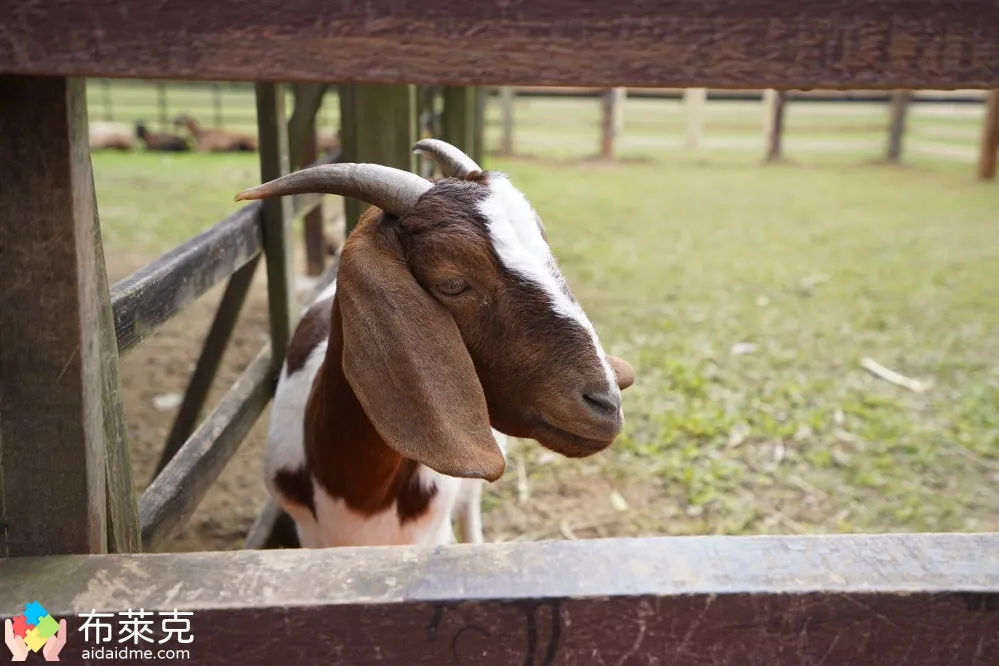
Aperture f/4/Shutter 1/400 sec/ISO 250, Sony Alpha 7C body straight
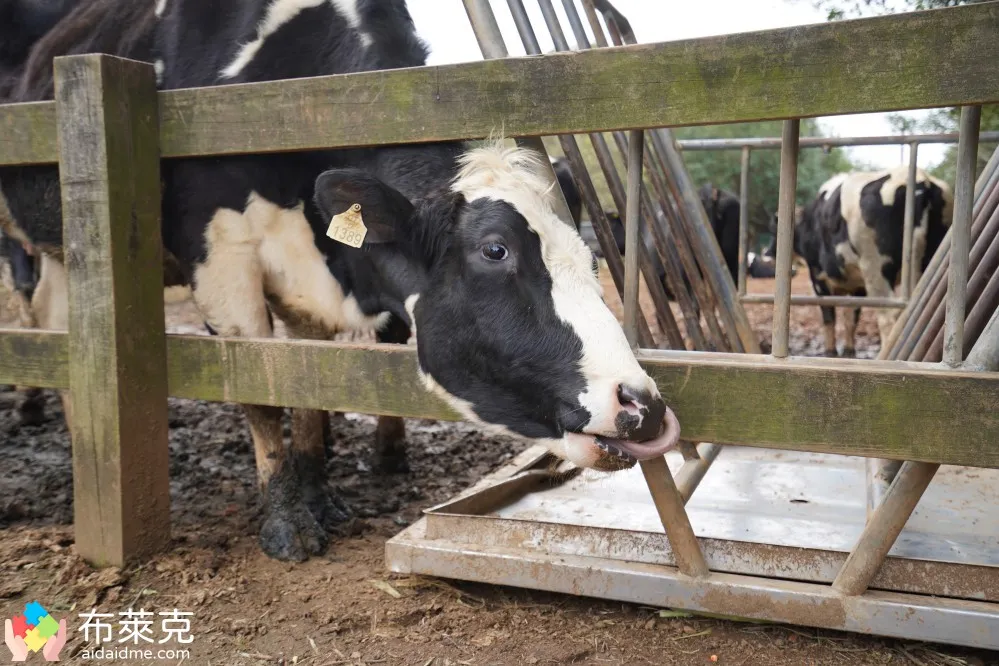
Aperture f/4/Shutter 1/400 sec/ISO 400, Sony Alpha 7C body straight
The animals move so fast that even if you speed up the shutter speed, you can still maintain accurate focus without increasing the sensitivity too much.
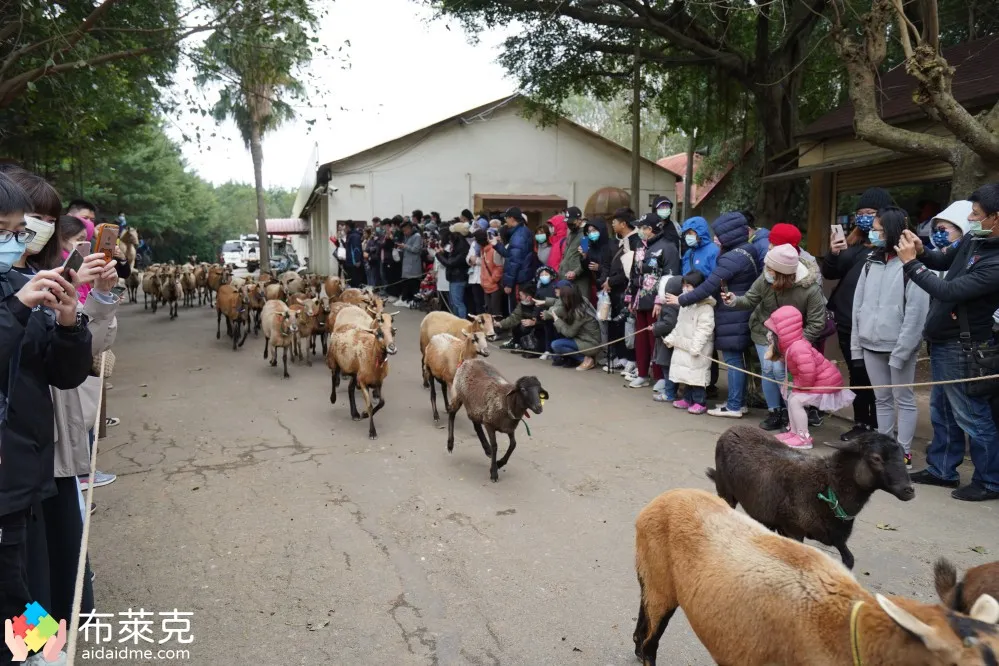
Aperture f/4/Shutter 1/800 sec/ISO 800, Sony Alpha 7C body straight
These alpacas have very unique hairstyles!

Aperture f/4/Shutter 1/400 sec/ISO 320, Sony Alpha 7C body straight
The editor has seen starburst effects captured by many lenses, but the SEL1635Z is the easiest lens I have ever seen to create starbursts. You can actually see starbursts at an aperture of f/4!
Because there are 7 aperture blades inside the lens, 14 starbursts can be captured. But if you take a closer look, you can see the bifurcated light, which is different in length and asymmetrical. It is more obvious after the aperture is narrowed, and I personally feel that it does not look good.
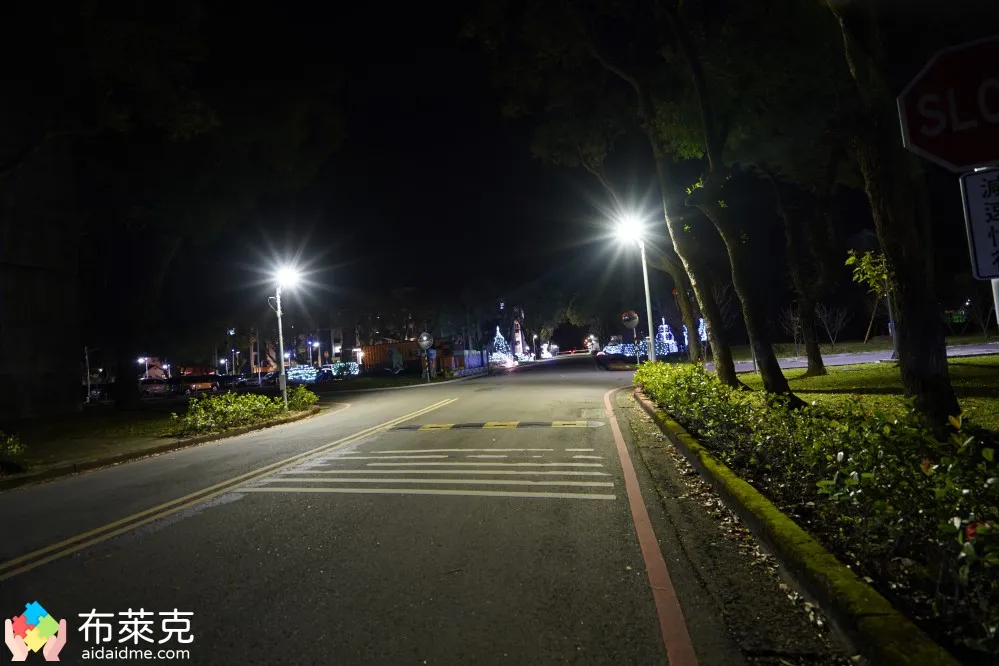
Aperture f/4/Shutter 0.8 seconds/ISO 400, Sony Alpha 7C body straight
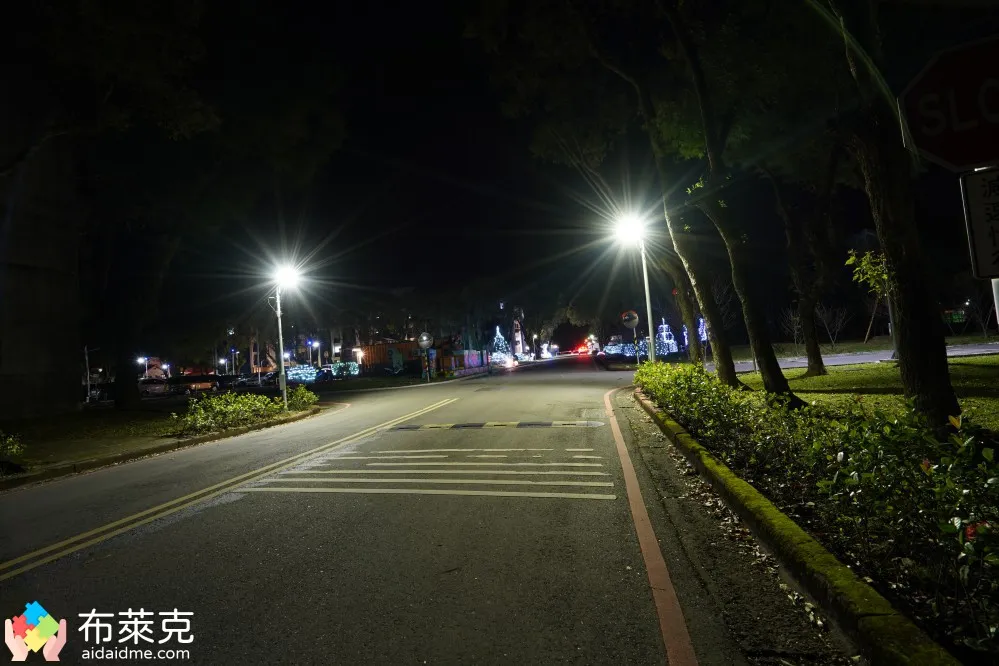
Aperture f/8/Shutter 2.5 seconds/ISO 400, Sony Alpha 7C body straight
The minimum focusing distance is 28cm. When photographing food at close range, be careful not to capture the shadow of yourself or the lens. For example, there is a shadow on the lower edge of the picture below.
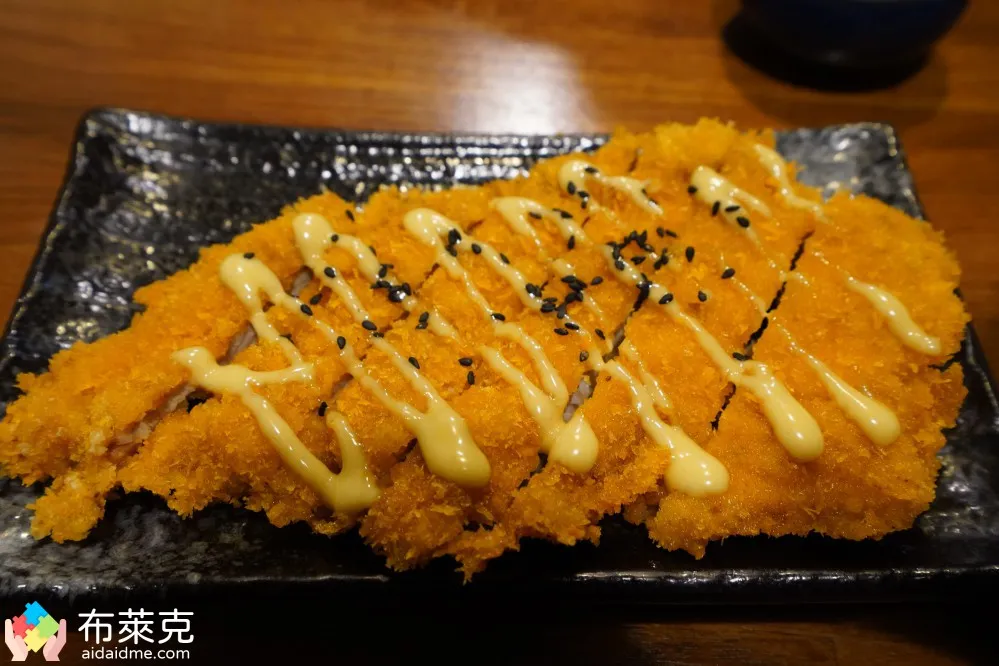
Aperture f/9/Shutter 1/40 sec/ISO 6400, Sony Alpha 7C body straight
However, the magnification is only 0.19x, which is obviously not a lens suitable for macro photography.
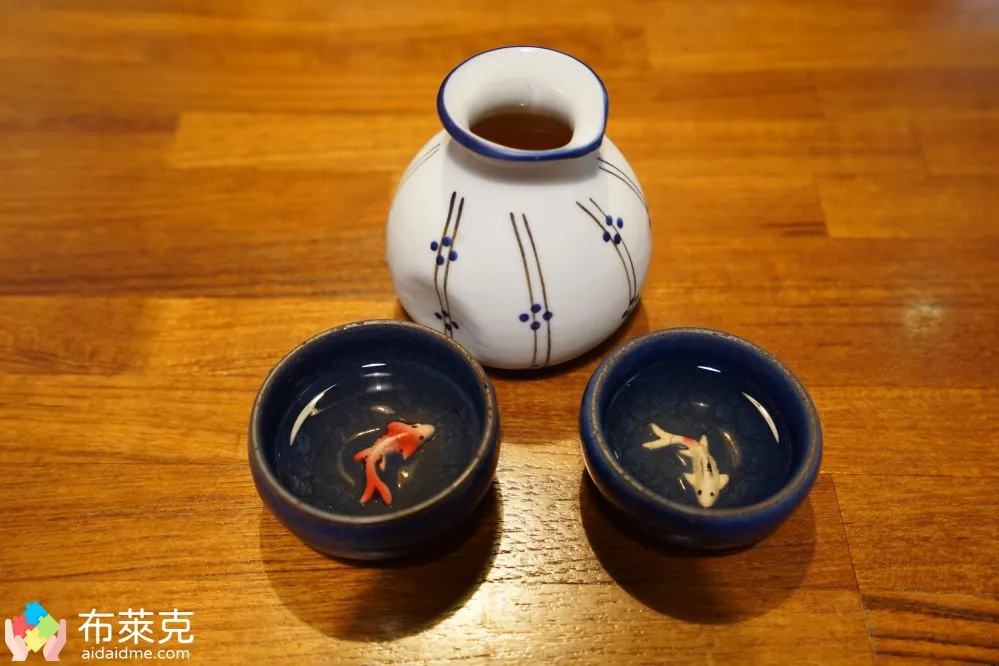
Aperture f/4/Shutter 1/40 sec/ISO 2500, Sony Alpha 7C body straight
Conclusion
This Vario-Tessar® T* FE 16-35 mm F4 ZA OSS is the last lens launched by Xiao Sanyuan, and its performance is indeed not bad. In terms of price, it deviates slightly from everyone’s definition of affordable, but if the price factor makes you hesitate to buy, you can go to the second-hand market to see if there are any items you like.
From a functional perspective, the editor feels that the constant aperture f/4 is quite the sweet spot, not too bad. It is sufficient for general purposes. If you need to take night photos and your hands are prone to shaking, then find a safe and stable place to place the camera!
If you like the above article, welcomeSubscribe to newsletter, and you will receive photography-related teaching articles!
by Engineer Blake
Source: KOCPC Chinese